Barrel Gear Coupling With PU Sandwich Panel Machine Coordinated Operation To Increase Capacity
In the modern manufacturing landscape, the pursuit of higher production capacity, operational stability, and long-term reliability has become a core goal for enterprises engaged in the production of building materials. Among the key equipment in this field, PU sandwich panel machines play an irreplaceable role, as they are responsible for the mass production of high-performance polyurethane sandwich panels widely used in construction, refrigeration, and industrial applications. These panels, composed of two outer facing materials and a polyurethane foam core, combine excellent thermal insulation, soundproofing, structural strength, and lightweight properties, making them indispensable in modern construction projects. However, the performance of PU sandwich panel machines is not determined solely by their own design and components; the efficiency of power transmission systems, which serve as the "heart" of the equipment, directly affects the overall production capacity and operational stability.
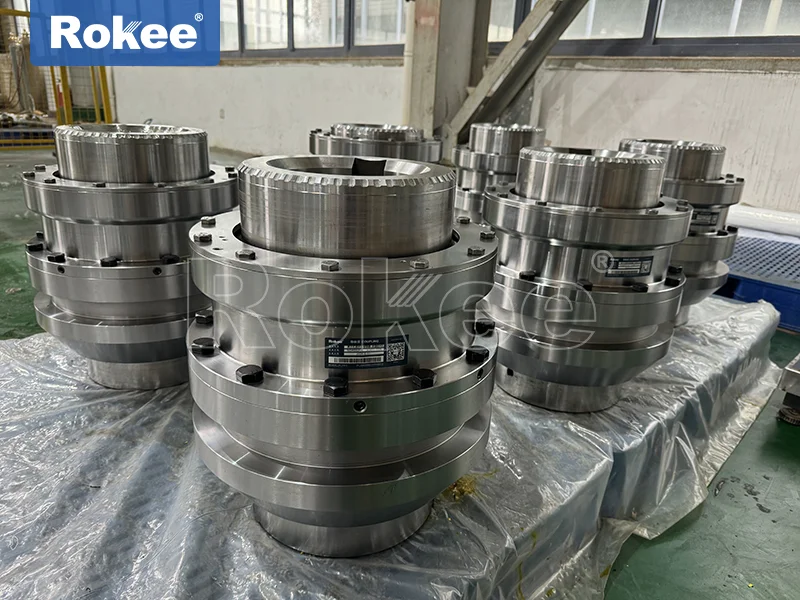
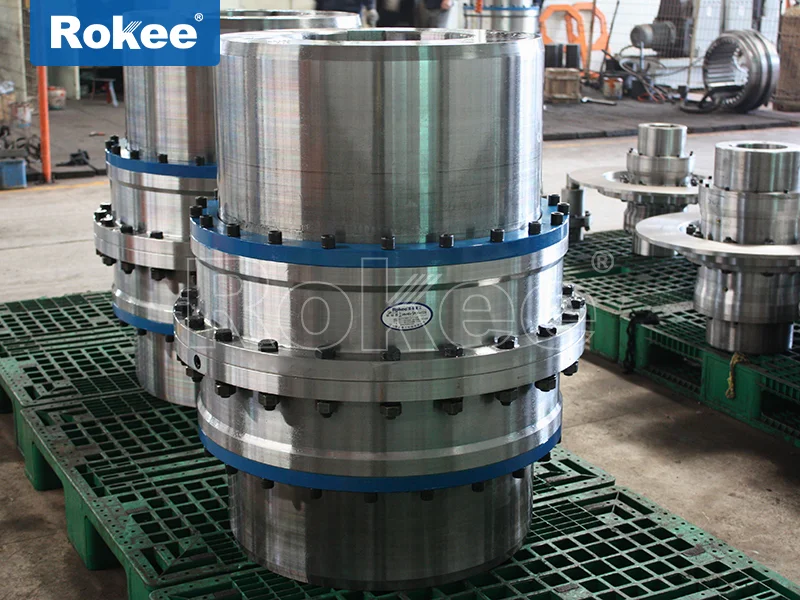
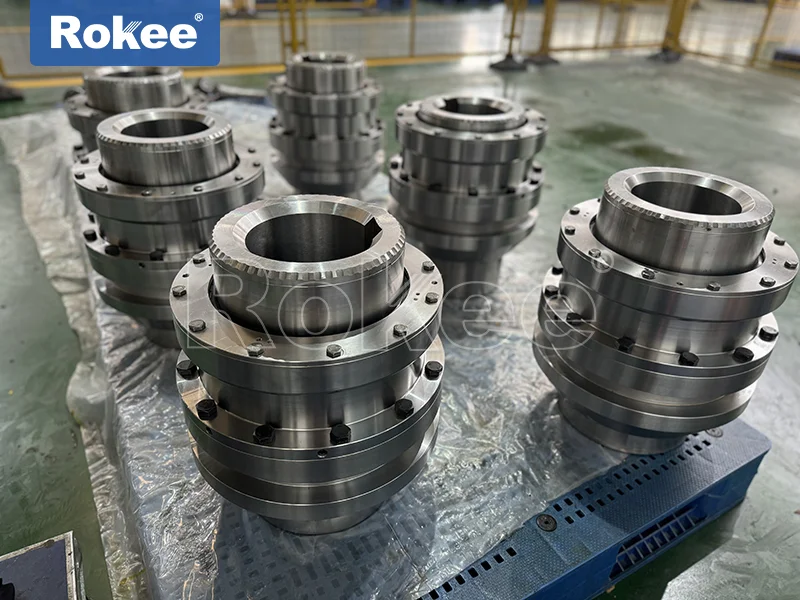
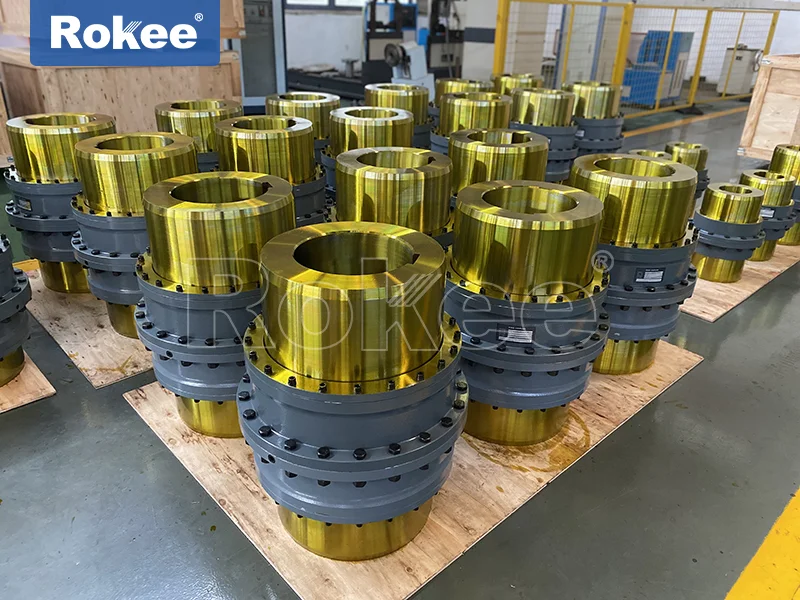
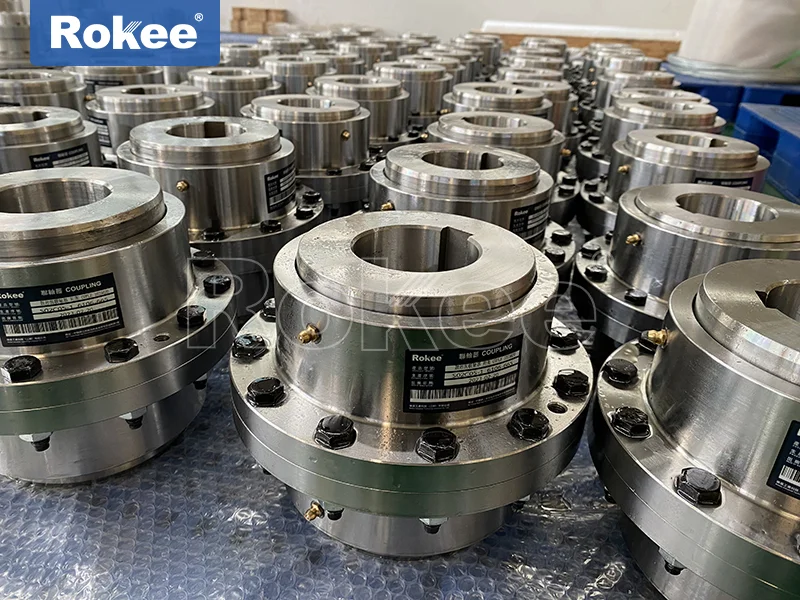
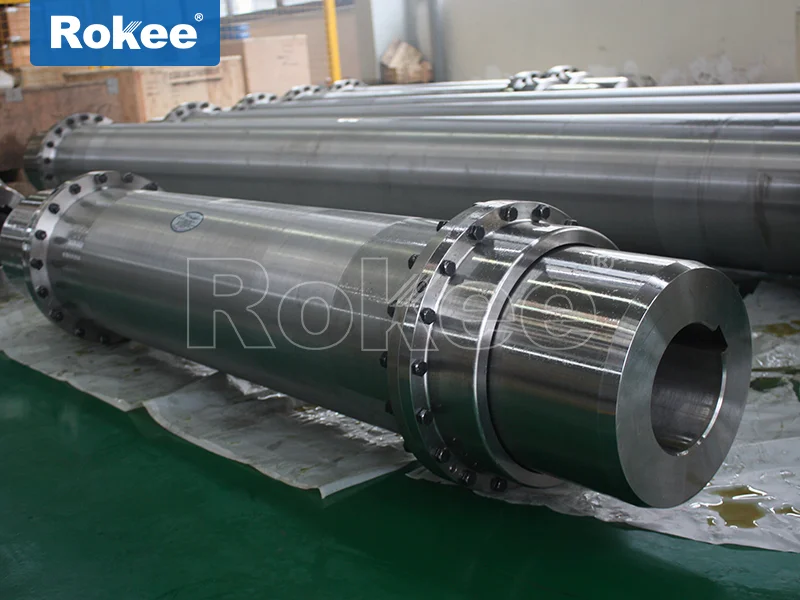
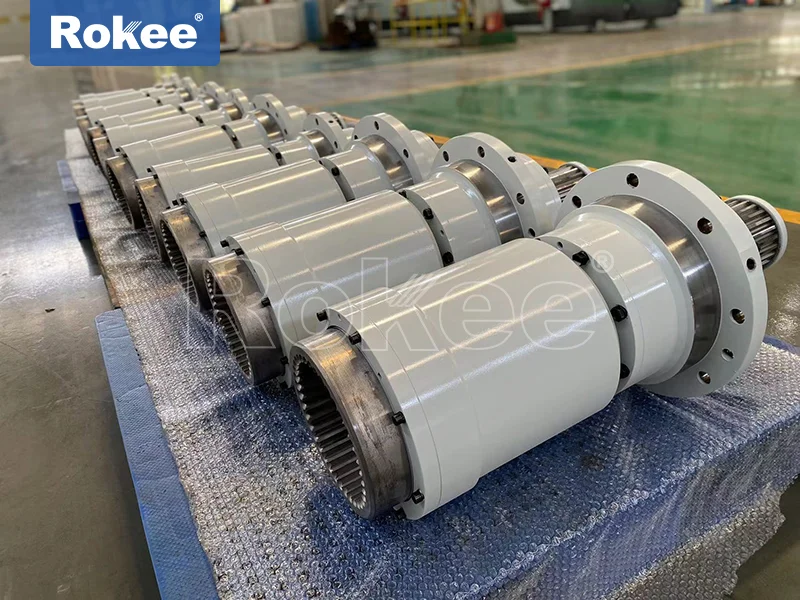
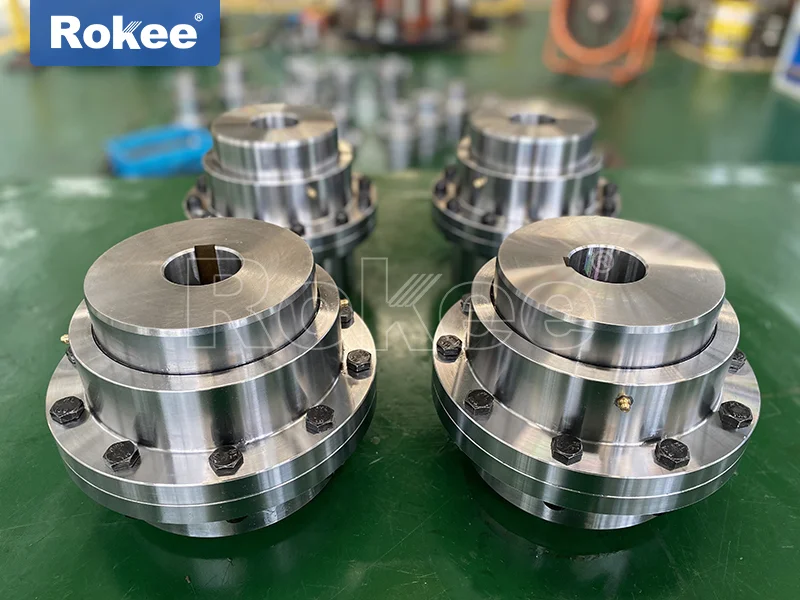
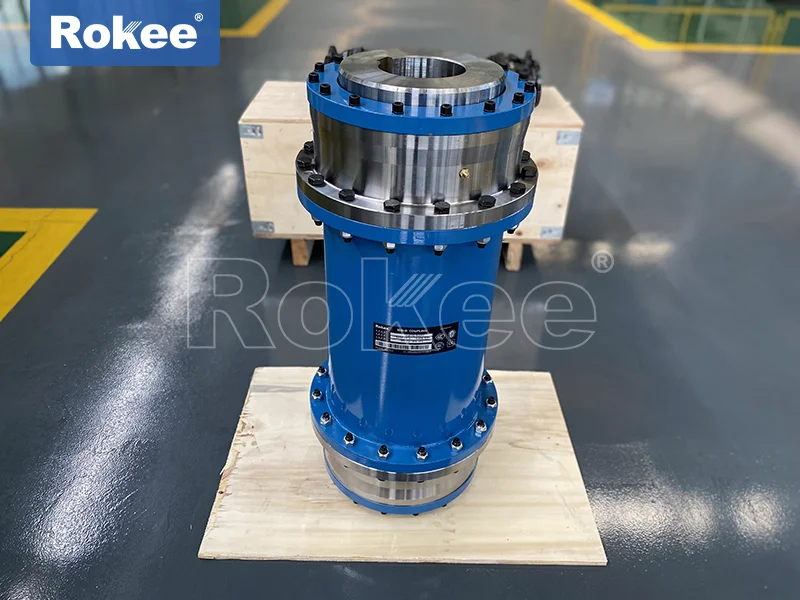
To understand the coordinated operation between barrel gear couplings and PU sandwich panel machines, it is first necessary to clarify the core functions and structural characteristics of each component. A barrel gear coupling is a high-performance power transmission component designed to connect two shafts and transmit torque while compensating for various deviations that may occur during operation. Unlike traditional straight-tooth couplings, the barrel gear coupling features a unique drum-shaped tooth profile, where both the tooth top and tooth root of the external teeth are designed into an arc shape, forming a "barrel" contour. This structural innovation, combined with optimized tooth side clearance, ensures maximum contact area between the internal and external teeth, thereby distributing the load evenly and reducing local wear. Typically made of high-strength alloy steel treated with carburizing and quenching, barrel gear couplings possess excellent wear resistance, fatigue resistance, and impact resistance, enabling them to withstand the heavy loads and complex operating conditions commonly encountered in industrial production.
The working principle of barrel gear couplings further highlights their adaptability to the operational needs of PU sandwich panel machines. These couplings transmit torque through the meshing of internal and external teeth, and their drum-shaped tooth design endows them with three key compensation capabilities: radial deviation compensation, angular deviation compensation, and axial float. Radial deviation compensation allows for a certain radial displacement between the two connected shafts, usually up to ±1.5% of the coupling's outer diameter; angular deviation compensation can accommodate a maximum deflection angle of 1.5° to 3°, effectively adapting to installation errors or thermal deformation of the shaft system during operation; axial float, in some structures, supports axial movement, avoiding additional loads caused by equipment vibration. These compensation capabilities are particularly critical for PU sandwich panel machines, which integrate multiple functional modules and operate continuously for long periods, as they can effectively absorb the vibrations and deviations generated during the production process, ensuring stable power transmission.
On the other hand, PU sandwich panel machines are complex integrated production lines that automate the entire process of manufacturing PU sandwich panels, from raw material feeding to finished product cutting. The production process of these machines involves multiple sequential stages, including raw material preparation, facing material feeding, PU foam mixing and pouring, laminating and forming, curing, and cutting. Each stage requires precise coordination and stable power supply to ensure consistent product quality and high production efficiency. The key components of a PU sandwich panel machine include decoiler units, pre-treatment sections, foam mixing and pouring systems, laminating conveyors, curing devices, and cutting systems. The power required for the operation of these components is transmitted through a series of shafts and transmission mechanisms, and any instability in power transmission can lead to interruptions in the production process, reduced production speed, or even defects in the finished panels.
The coordinated operation between barrel gear couplings and PU sandwich panel machines begins with the matching of their functional characteristics. PU sandwich panel machines operate continuously for long periods, requiring the power transmission system to have high reliability and low maintenance requirements. Barrel gear couplings, with their wear-resistant and fatigue-resistant structural design, can operate stably for extended periods without frequent maintenance, reducing downtime caused by component replacement. Additionally, the production process of PU sandwich panels involves frequent start-stop operations and load changes, especially during the feeding and cutting stages, which generate significant impact loads. The drum-shaped tooth profile of barrel gear couplings allows for uniform load distribution and excellent impact resistance, effectively absorbing the impact generated during these operations and protecting the shafts and other transmission components from damage.
Another key aspect of their coordinated operation is the ability of barrel gear couplings to compensate for deviations, which directly improves the operational stability of PU sandwich panel machines. During the long-term operation of PU sandwich panel machines, factors such as thermal expansion of components, installation errors, and structural deformation can lead to deviations between the shafts of different functional modules. If these deviations are not effectively compensated, they will cause uneven stress on the transmission system, resulting in increased vibration, noise, and even premature wear of components. Barrel gear couplings, with their multi-directional deviation compensation capabilities, can effectively absorb these deviations, ensuring that the power transmission remains stable and smooth. This not only reduces the wear of the machine's internal components but also ensures the consistency of the production process, as stable power transmission helps maintain uniform feeding speed, foam mixing ratio, and laminating pressure—all of which are critical factors affecting the quality and production efficiency of PU sandwich panels.
The impact of this coordinated operation on increasing production capacity is reflected in multiple aspects. Firstly, the stable and efficient power transmission provided by barrel gear couplings enables PU sandwich panel machines to operate at a higher stable speed. Traditional couplings often suffer from excessive vibration and wear under high-speed operation, forcing the machine to operate at a lower speed to ensure safety and stability. In contrast, barrel gear couplings, with their optimized structural design and excellent compensation capabilities, can maintain stable operation even at high speeds, allowing the PU sandwich panel machine to increase its production speed without compromising operational safety or product quality. For example, in a typical PU sandwich panel production line, the adoption of barrel gear couplings can increase the production speed by 15% to 30% compared to traditional couplings, directly increasing the daily output of the machine.
Secondly, the reduced maintenance requirements of barrel gear couplings significantly reduce the downtime of PU sandwich panel machines. Downtime caused by maintenance of transmission components is a major factor affecting the overall production capacity of manufacturing equipment. Traditional couplings require frequent lubrication, inspection, and replacement due to rapid wear, which not only increases maintenance costs but also interrupts the continuous production process. Barrel gear couplings, with their high wear resistance and fatigue resistance, require minimal maintenance during their service life. The rolling-slipping composite motion between the barrel pins and bushings reduces friction and wear, extending the service life of the coupling by 2 to 3 times compared to traditional couplings. This means that the frequency of maintenance and replacement is greatly reduced, ensuring that the PU sandwich panel machine can operate continuously for longer periods, thereby increasing the total production capacity over a given period.
Furthermore, the coordinated operation of barrel gear couplings and PU sandwich panel machine improves the overall reliability of the production line, reducing the number of production interruptions caused by equipment failures. The impact resistance and deviation compensation capabilities of barrel gear couplings protect the key components of the PU sandwich panel machine, such as motors, reducers, and shafts, from damage caused by vibration and impact. This reduces the frequency of equipment failures, such as motor burnout, reducer damage, or shaft breakage, which can lead to long-term production interruptions. For example, in a production line without barrel gear couplings, the frequent vibration and deviation may cause the reducer to fail once every 3 to 6 months, resulting in downtime of 1 to 2 days each time. With the adoption of barrel gear couplings, the failure rate of the reducer can be reduced by more than 40%, significantly reducing unplanned downtime and ensuring continuous production.
The practical application of this coordinated operation in industrial production further verifies its effectiveness in increasing capacity. In a production facility specializing in PU sandwich panel manufacturing, the original production line used traditional straight-tooth couplings, which suffered from frequent wear and vibration. This led to a production speed of only 2 to 3 meters per minute, with an average daily output of 800 to 1000 square meters. After replacing the traditional couplings with barrel gear couplings, the production speed was increased to 3.5 to 4.5 meters per minute, and the daily output was increased to 1200 to 1500 square meters—a capacity increase of 40% to 50%. Additionally, the maintenance frequency of the transmission system was reduced from once every two weeks to once every three months, and the service life of the reducer and motor was extended by more than 50%. This not only increased the production capacity but also reduced the overall operating costs of the enterprise, bringing significant economic benefits.
Another practical example involves a modular PU sandwich panel production line designed for easy expansion. The modular design of the production line allows for the addition of functional modules to increase capacity, but this also places higher requirements on the power transmission system, as the increased load and more complex shaft alignment require a coupling with strong compensation capabilities. By adopting barrel gear couplings in the transmission system of each module, the production line can seamlessly integrate new modules without worrying about alignment issues or increased vibration. This enables the enterprise to increase production capacity by adding modules as needed, with each additional module contributing to a proportional increase in output. Without the use of barrel gear couplings, the alignment difficulties and vibration issues would make it difficult to integrate new modules, limiting the expansion of production capacity.
In addition to increasing production capacity, the coordinated operation of barrel gear couplings and PU sandwich panel machines also contributes to improving product quality, which indirectly supports the expansion of production capacity. Stable power transmission ensures that the feeding speed of the facing materials is uniform, the mixing ratio of the PU foam is accurate, and the laminating pressure is consistent. This reduces the occurrence of product defects such as uneven panel thickness, poor adhesion between the core and facing materials, and incomplete foam curing. With fewer defective products, the effective output of the production line is increased, and the enterprise does not need to spend additional time and resources on reworking or discarding defective products. This further improves the overall production efficiency and capacity utilization rate of the production line.
The future development of this coordinated operation will focus on further optimizing the performance of barrel gear couplings and their integration with PU sandwich panel machines. With the advancement of intelligent manufacturing and green manufacturing, barrel gear couplings are expected to undergo intelligent upgrades, integrating sensors to real-time monitor vibration, temperature, and torque fluctuations, enabling predictive maintenance. This will further reduce downtime and improve the reliability of the transmission system. Additionally, lightweight design using advanced materials such as titanium alloy or carbon fiber composites will reduce the weight of the coupling while maintaining its strength, reducing energy consumption and improving the overall efficiency of the production line. For PU sandwich panel machines, the integration of intelligent control systems will enable better coordination with barrel gear couplings, adjusting the power transmission parameters in real-time according to the production process, further optimizing production efficiency and capacity.
It is worth noting that the coordinated operation between barrel gear couplings and PU sandwich panel machines requires proper selection and installation of the coupling. The selection of the barrel gear coupling should be based on the specific operating parameters of the PU sandwich panel machine, such as the transmitted torque, operating speed, and the maximum deviation that may occur. Proper installation, including accurate alignment of the shafts and correct lubrication, is also critical to ensuring the optimal performance of the coupling and the smooth operation of the entire production line. Improper selection or installation may lead to reduced performance of the coupling, increased vibration, and even damage to the equipment, which will affect the production capacity and operational stability.
In conclusion, the coordinated operation between barrel gear couplings and PU sandwich panel machines is a key factor in increasing production capacity in the manufacturing of PU sandwich panels. The unique structural design and superior performance of barrel gear couplings, including their multi-directional deviation compensation capabilities, high wear resistance, and impact resistance, perfectly match the operational needs of PU sandwich panel machines. By ensuring stable and efficient power transmission, reducing maintenance requirements, and improving the overall reliability of the production line, this coordinated operation effectively breaks through production bottlenecks, significantly increases production capacity, and improves product quality. As the demand for PU sandwich panels continues to grow, the application of barrel gear couplings in PU sandwich panel production lines will become more widespread, playing an increasingly important role in promoting the development of the building materials manufacturing industry. Enterprises that adopt this coordinated operation mode can not only improve their production efficiency and capacity but also enhance their market competitiveness in the increasingly fierce market environment.