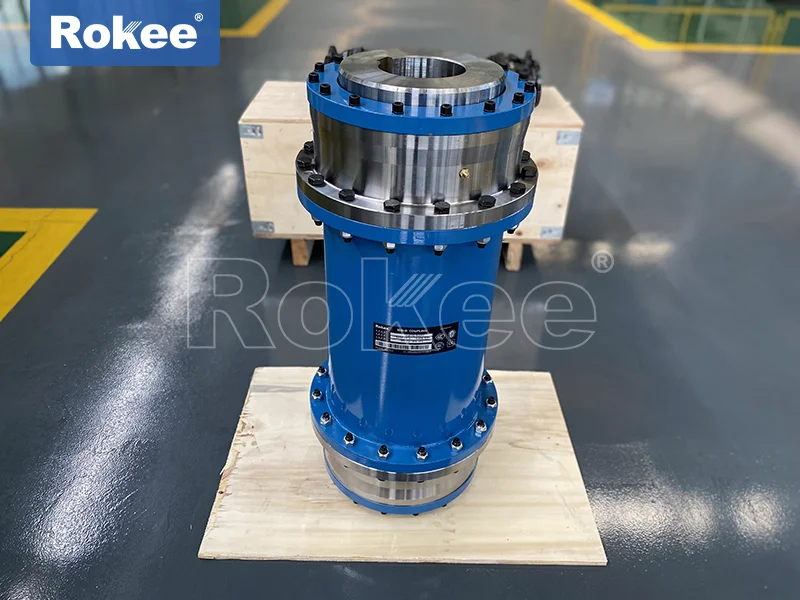
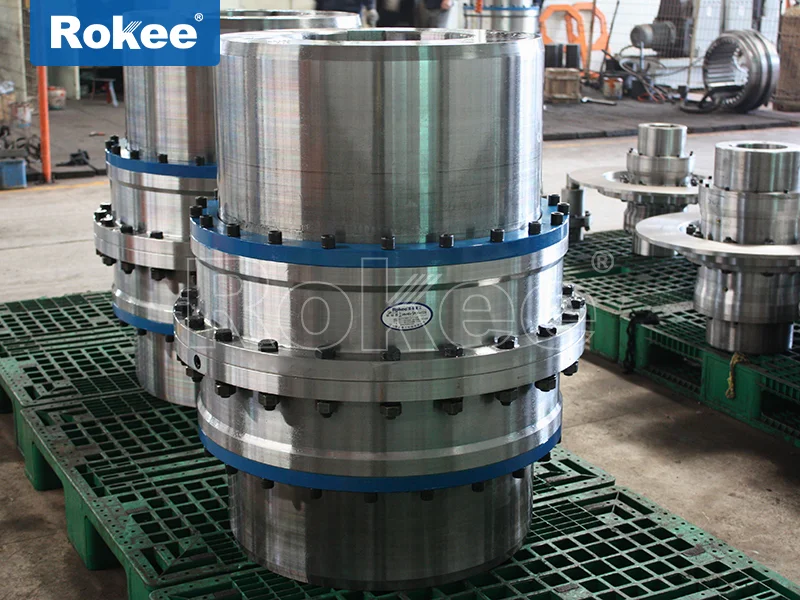
Barrel Gear Coupling Is Accessory For Transmission System Of Sandwich Panel Manufacturing Lines
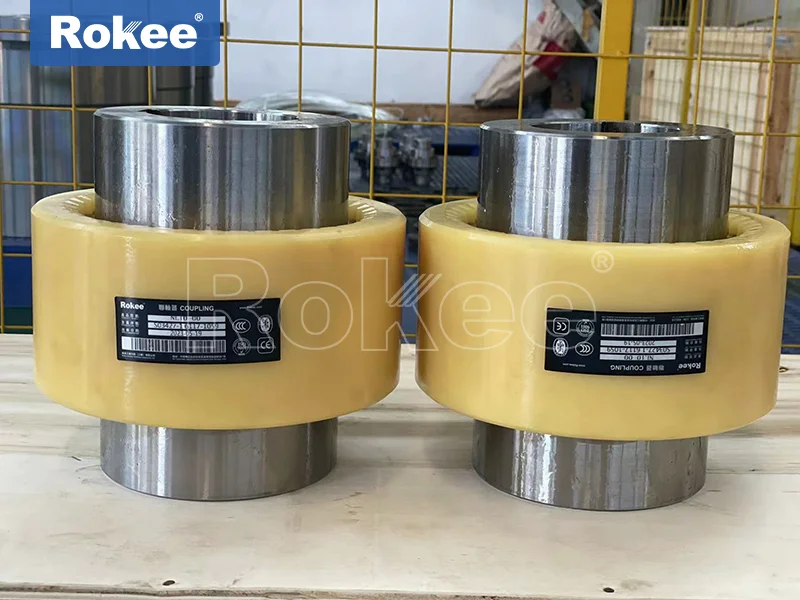
In the modern manufacturing industry, sandwich panels have become an indispensable material in various fields such as construction, transportation, and industrial equipment due to their excellent thermal insulation, sound insulation, and structural strength. The efficient and stable operation of sandwich panel manufacturing lines directly determines the quality and output of the final products, and the transmission system, as the core power transmission component of the entire production line, plays a decisive role in ensuring the smooth progress of each production link. Among the numerous accessories that make up the transmission system, the barrel gear coupling stands out as a key component, whose performance and reliability directly affect the overall operational efficiency, stability, and service life of the sandwich panel manufacturing line. Unlike ordinary coupling accessories, the barrel gear coupling is specially designed to adapt to the complex working environment and special transmission requirements of sandwich panel manufacturing lines, providing a stable and efficient power transmission solution for the coordinated operation of various equipment in the production line.
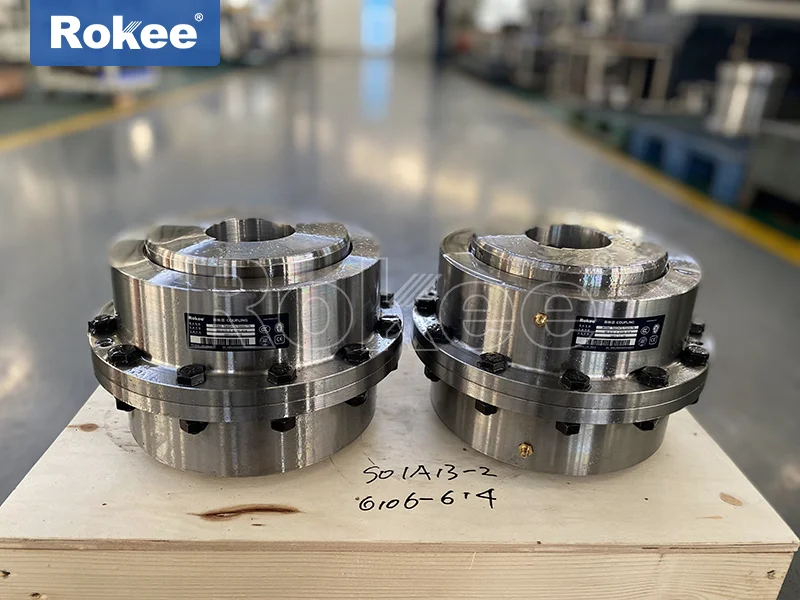
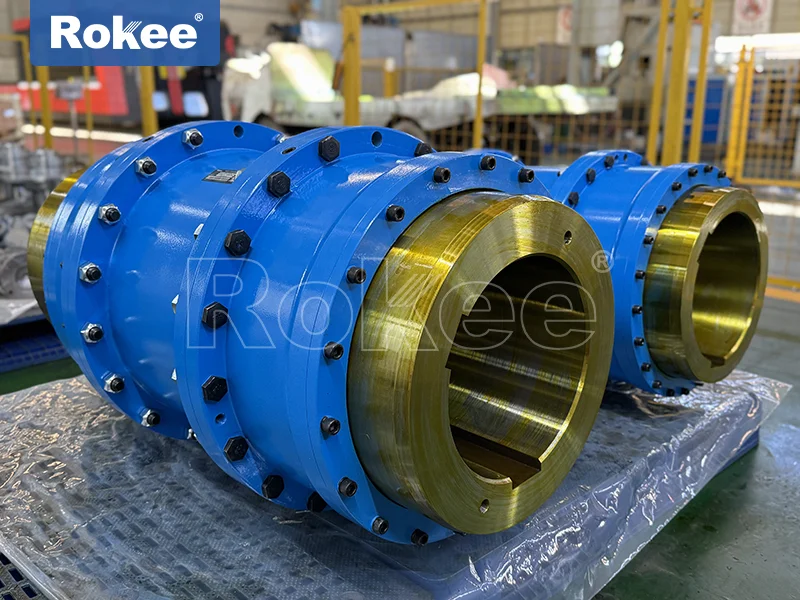
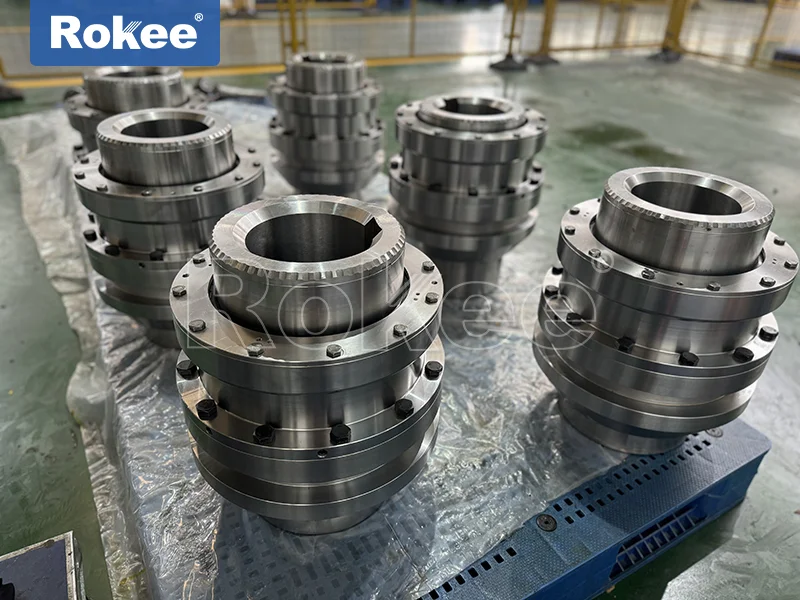
To understand the important role of barrel gear couplings in the transmission system of sandwich panel manufacturing lines, it is first necessary to clarify the working principle and structural characteristics of this accessory. A barrel gear coupling is a mechanical component used to connect two shafts (such as the motor shaft and the reducer shaft, or the reducer shaft and the working mechanism shaft) in the transmission system, realizing the transmission of torque and rotational motion. Its core structural feature lies in the design of the gear teeth: the outer teeth of the coupling are made into a barrel shape, with the center of the sphere of the barrel-shaped teeth coinciding with the axis of the gear, which is significantly different from the straight teeth or helical teeth of ordinary couplings. This unique barrel-shaped tooth design not only increases the contact area between the gear teeth but also enables the coupling to have excellent compensation capabilities for axial, radial, and angular deviations, which is crucial for the transmission system of sandwich panel manufacturing lines that require high-precision power transmission.
The sandwich panel manufacturing line is a complex integrated production system composed of multiple functional units, including uncoiling systems, leveling and shaping devices, foaming and pouring units, composite pressing mechanisms, cooling and setting systems, precision cutting equipment, and automatic conveying and stacking systems. Each functional unit needs to be driven by a separate power source, and the transmission system connects these power sources with the working mechanisms, ensuring that each unit operates in a coordinated and synchronized manner according to the preset process parameters. In this process, the barrel gear coupling undertakes the important task of connecting the power output end and the working mechanism end, transmitting the torque generated by the motor to the working components stably and efficiently, while compensating for the slight deviations caused by installation errors, equipment deformation, or thermal expansion during operation. Without the reliable connection and deviation compensation of the barrel gear coupling, the transmission system would be prone to vibration, noise, and even component damage, leading to interruptions in the production line and affecting production efficiency and product quality.
One of the key reasons why barrel gear couplings are widely used in the transmission system of sandwich panel manufacturing lines is their excellent torque transmission capacity. The production process of sandwich panels involves multiple heavy-load operations, such as the pressing of surface panels, the conveying of core materials, and the cutting of finished panels. These operations require the transmission system to provide sufficient torque to drive the working mechanisms to operate stably. The barrel gear coupling, with its reasonable structural design and high-strength material selection, can withstand large torque loads, ensuring that the power generated by the motor is transmitted to the working components without loss. Compared with ordinary couplings, the barrel-shaped tooth design of the barrel gear coupling makes the force on the gear teeth more uniform, avoiding local stress concentration, thus improving the load-bearing capacity and service life of the coupling. In the long-term continuous operation of the sandwich panel manufacturing line, the barrel gear coupling can maintain stable torque transmission performance, reducing the frequency of maintenance and replacement, and ensuring the continuity of production.
Another important advantage of barrel gear couplings in the transmission system of sandwich panel manufacturing lines is their strong deviation compensation capacity. In the actual installation and operation of the sandwich panel manufacturing line, due to factors such as the large volume of equipment, complex installation environment, and thermal expansion and contraction during operation, it is difficult to avoid slight deviations between the connected shafts in the transmission system, including axial displacement, radial displacement, and angular deviation. If these deviations are not effectively compensated, they will cause additional stress on the shafts, bearings, and other components, leading to increased wear and even premature failure of the components. The barrel gear coupling, with its unique barrel-shaped tooth structure, can allow a certain range of axial, radial, and angular deviations between the two connected shafts. When the shafts have slight deviations, the barrel-shaped teeth can slide and rotate relative to each other, absorbing the deviations and avoiding the generation of additional stress, thus protecting the shafts, bearings, and other key components of the transmission system, and improving the overall stability and reliability of the transmission system.
The working environment of the sandwich panel manufacturing line is often relatively harsh, with factors such as dust, debris, and temperature changes, which put forward high requirements for the wear resistance, corrosion resistance, and sealing performance of the transmission accessories. Barrel gear couplings are usually made of high-strength alloy steel, which has excellent wear resistance and impact resistance, and can withstand the wear caused by long-term operation and the impact of foreign objects. At the same time, the surface of the gear teeth is usually treated with quenching, carburizing, and other processes to further improve the hardness and wear resistance of the gear teeth, ensuring that the coupling can maintain stable performance in harsh working environments. In addition, the barrel gear coupling is equipped with a reliable sealing structure, which can effectively prevent dust, debris, and other impurities from entering the internal gear meshing area, avoiding wear and damage to the gear teeth, and ensuring the smooth operation of the coupling. This sealing performance is particularly important for the foaming and pouring link of the sandwich panel manufacturing line, where foam residues and other impurities are easy to generate, which may enter the transmission system and affect the operation of the accessories.
In the actual operation of the sandwich panel manufacturing line, the coordinated operation of each functional unit relies on the stable transmission of the transmission system, and the barrel gear coupling, as a key connecting component, directly affects the coordination and synchronization of the entire production line. For example, in the uncoiling link, the uncoiling system needs to uncoil the coiled surface panel (such as color steel plate, galvanized plate, or aluminum plate) stably and smoothly, and the transmission system drives the uncoiling roller to rotate through the barrel gear coupling. The stable torque transmission and deviation compensation of the barrel gear coupling ensure that the uncoiling speed is uniform, avoiding the deformation or damage of the surface panel caused by uneven speed. In the composite pressing link, the composite pressing mechanism needs to apply a certain pressure to bond the surface panel and the core material firmly. The barrel gear coupling transmits the torque of the motor to the pressing roller, ensuring that the pressure applied by the pressing roller is uniform and stable, thus improving the bonding quality of the sandwich panel. In the precision cutting link, the cutting equipment needs to operate at a stable speed to ensure the cutting accuracy of the finished sandwich panel. The barrel gear coupling ensures the stable transmission of the cutting equipment, avoiding the cutting deviation caused by speed fluctuation, thus ensuring the size accuracy of the finished product.
The service life and maintenance cycle of the barrel gear coupling also have an important impact on the operation cost and production efficiency of the sandwich panel manufacturing line. Due to its reasonable structural design, high-quality material selection, and excellent performance, the barrel gear coupling has a long service life, which can reduce the frequency of replacement of accessories, thus reducing the maintenance cost and production downtime. At the same time, the maintenance of the barrel gear coupling is relatively simple. Regular inspection of the lubrication status, sealing performance, and gear tooth wear of the coupling, and timely addition or replacement of lubricating oil and replacement of damaged seals can ensure the long-term stable operation of the coupling. Compared with other types of couplings, the barrel gear coupling has lower maintenance requirements and costs, which is more in line with the needs of the sandwich panel manufacturing line for efficient and low-cost operation.
With the continuous development of the sandwich panel manufacturing industry, the requirements for the efficiency, stability, and precision of the production line are constantly improving, which also puts forward higher requirements for the performance of the transmission system and its accessories. The barrel gear coupling, with its excellent torque transmission capacity, strong deviation compensation capacity, good wear resistance, and corrosion resistance, can well adapt to the development needs of the modern sandwich panel manufacturing line. In the process of optimizing the transmission system of the sandwich panel manufacturing line, choosing a suitable barrel gear coupling can not only improve the overall operational efficiency and stability of the transmission system but also reduce the operation and maintenance costs of the production line, thus improving the market competitiveness of the enterprise.
It is worth noting that the selection and installation of barrel gear couplings in the transmission system of sandwich panel manufacturing lines also need to be carried out in accordance with specific working conditions. Different sandwich panel manufacturing lines have different production capacities, process requirements, and working environments, so the type, model, and specification of the barrel gear coupling need to be selected according to the actual torque, speed, deviation range, and other parameters of the transmission system. In the installation process, it is necessary to ensure the accuracy of the installation, reduce the installation deviation as much as possible, and ensure that the coupling is correctly connected to the two shafts, so as to give full play to the performance of the barrel gear coupling. In addition, regular maintenance and inspection of the barrel gear coupling during use are also essential, which can timely find potential problems and deal with them, avoiding the failure of the coupling leading to the interruption of the production line.
In conclusion, the barrel gear coupling is an indispensable and important accessory in the transmission system of the sandwich panel manufacturing line. Its unique structural design and excellent performance provide a stable, efficient, and reliable power transmission guarantee for the smooth operation of the sandwich panel manufacturing line. From the uncoiling of raw materials to the cutting of finished products, every key link of the production line is inseparable from the support of the barrel gear coupling. With the continuous progress of manufacturing technology, the performance of the barrel gear coupling will be further optimized and improved, which will better adapt to the development needs of the sandwich panel manufacturing industry, promote the improvement of production efficiency and product quality of the sandwich panel manufacturing line, and make greater contributions to the development of the modern manufacturing industry.
The application of barrel gear couplings in the transmission system of sandwich panel manufacturing lines is not only a reflection of the continuous improvement of industrial transmission technology but also an inevitable requirement for the high-quality development of the sandwich panel manufacturing industry. In the future, with the increasing demand for energy conservation, environmental protection, and high efficiency in the manufacturing industry, the barrel gear coupling will be further improved in terms of material selection, structural design, and performance optimization, such as the adoption of more environmentally friendly and wear-resistant materials, the optimization of the gear tooth structure to improve transmission efficiency, and the integration of intelligent monitoring functions to realize real-time monitoring of the operation status of the coupling. These improvements will make the barrel gear coupling play a more important role in the transmission system of the sandwich panel manufacturing line, helping enterprises reduce production costs, improve production efficiency, and achieve sustainable development.
In the actual production process, many enterprises have realized the important role of barrel gear couplings in the transmission system of sandwich panel manufacturing lines, and have begun to pay more attention to the selection, installation, and maintenance of barrel gear couplings. By choosing high-quality barrel gear couplings and carrying out standardized installation and regular maintenance, enterprises can effectively reduce the failure rate of the transmission system, ensure the continuous and stable operation of the production line, and thus improve the economic benefits of the enterprise. At the same time, the wide application of barrel gear couplings also promotes the development and progress of the coupling manufacturing industry, promoting the innovation and upgrading of coupling technology, and providing more high-quality and efficient transmission accessories for the modern manufacturing industry.
To sum up, the barrel gear coupling, as a key accessory in the transmission system of the sandwich panel manufacturing line, has irreplaceable advantages in torque transmission, deviation compensation, wear resistance, and reliability. Its stable and efficient performance provides a strong guarantee for the smooth operation of the sandwich panel manufacturing line, and it is an important part of the modern sandwich panel manufacturing industry. With the continuous development of industrial technology, the barrel gear coupling will continue to play a more important role in the transmission system of the sandwich panel manufacturing line, contributing to the high-quality development of the sandwich panel manufacturing industry.