Barrel Gear Coupling Ensures Stable Operation Of Polyurethane Sandwich Panel Production Line
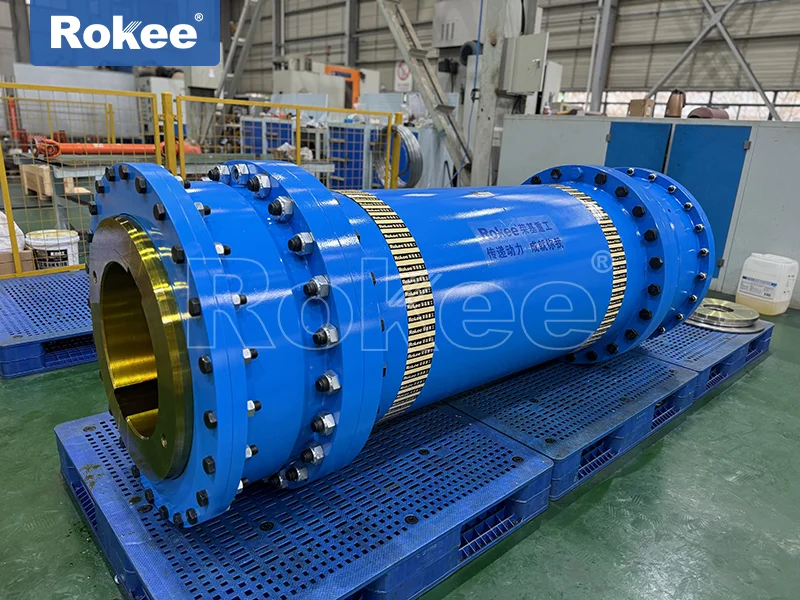
The polyurethane sandwich panel production industry has maintained steady development momentum in recent years, driven by the booming demand for energy-saving building materials, cold chain warehouse enclosure systems, and industrial factory wall and roof thermal insulation structures. A complete polyurethane sandwich panel production line is a highly integrated continuous production system that integrates raw material feeding, continuous foaming, composite pressing, fixed-length cutting, surface trimming, and finished product conveying, with every production procedure closely linked and mutually restricted to form an uninterrupted manufacturing workflow. The overall operational stability of the entire production line directly determines the surface flatness, core material foaming uniformity, bonding firmness between metal surface and polyurethane core layer, and dimensional accuracy of the final sandwich panel products, while also exerting a decisive impact on continuous production efficiency, product yield rate, and long-term operational cost control for manufacturing enterprises. In the actual industrial production process, most operational failures and abnormal shutdowns of polyurethane sandwich panel production lines are not caused by damage to core processing equipment or failure of foaming formula proportions, but stem from unstable power transmission between various driving components, subtle shaft misalignment during long-term mechanical operation, instantaneous torque impact during equipment start-stop and load switching, and excessive mechanical vibration generated during high-speed continuous operation. These trivial but persistent mechanical transmission problems will gradually lead to inconsistent operating speeds of front and rear production equipment, abnormal friction of key rotating parts, accelerated wear of bearings and reduction gears, and even subtle deviations in the pressing and foaming forming process of sandwich panels, ultimately resulting in large quantities of defective products, frequent equipment maintenance, and serious losses caused by production line downtime. As a core heavy-duty transmission component specially designed for harsh industrial working conditions and continuous cyclic operation, barrel gear coupling has become an indispensable key configuration for the stable and long-term reliable operation of polyurethane sandwich panel production lines by virtue of its unique barrel-shaped tooth profile design, excellent multi-directional displacement compensation capability, strong torque transmission efficiency, and outstanding shock absorption and vibration reduction performance. It effectively solves various transmission pain points existing in the actual operation of sandwich panel production equipment, consolidates the stable operating foundation of the entire production line, and provides solid mechanical support for enterprises to achieve high-efficiency, low-consumption, and high-quality continuous production of polyurethane sandwich panels.
To understand the important role of barrel gear coupling in ensuring the stable operation of polyurethane sandwich panel production lines, it is first necessary to clarify the special operating characteristics and mechanical transmission requirements of polyurethane sandwich panel production equipment throughout the entire production cycle. Different from intermittent processing machinery and equipment, the polyurethane sandwich panel production line adopts a fully continuous assembly line operation mode, and all driving units such as the main pressing drive system, raw material conveying drive, cutting equipment power drive, and finished product discharge drive need to maintain long-term uninterrupted rotating operation for dozens of hours or even longer without random shutdown and speed fluctuation. In the production process, the equipment will face complex and variable load changes all the time: in the initial stage of production line start-up, each drive motor needs to instantly output large torque to drive the heavy-duty pressing roller set and material conveying mechanism to start from a static state, generating obvious instantaneous impact load; during normal continuous production, the thickness deviation of incoming metal color steel coils, the slight fluctuation of polyurethane foaming material supply flow, and the uneven stress generated during the composite bonding process of surface plate and core material will cause periodic load changes on the transmission shaft of the production line; in the later stage of production shutdown and equipment debugging, frequent start-stop operations and low-speed jogging operations will bring repeated mechanical impact to the transmission system. At the same time, affected by long-term equipment operation vibration, foundation settlement of the production workshop, thermal expansion and contraction of mechanical parts after long-time high-load operation, and inevitable assembly errors during equipment installation and later maintenance, the driving shaft and driven shaft of each key transmission part of the production line will inevitably produce different degrees of radial displacement, angular deflection, and axial displacement. If the traditional ordinary coupling is used for power connection and transmission, these unavoidable shaft misalignments and load impacts cannot be effectively buffered and compensated, resulting in additional bending stress and shear stress acting on the transmission shaft, bearings, and reduction gears. Long-term accumulation of such stress will not only intensify the friction and wear of gear meshing parts and bearing rotating parts, shorten the service life of core mechanical parts, but also cause synchronous vibration and speed jitter of the production line equipment. The vibration and speed instability will be directly transmitted to the sandwich panel forming process, leading to uneven foaming density of the polyurethane core layer, inconsistent bonding gap between the metal surface plate and the core material, and dimensional deviation of fixed-length cutting, seriously affecting the overall quality and market qualification rate of finished products. Therefore, the power transmission connection part of the polyurethane sandwich panel production line urgently needs a coupling component that can withstand heavy-duty long-term operation, effectively compensate for various shaft misalignments, buffer instantaneous impact load, reduce mechanical vibration and stable torque transmission, and barrel gear coupling is precisely designed and manufactured to meet such harsh and precise industrial transmission needs.
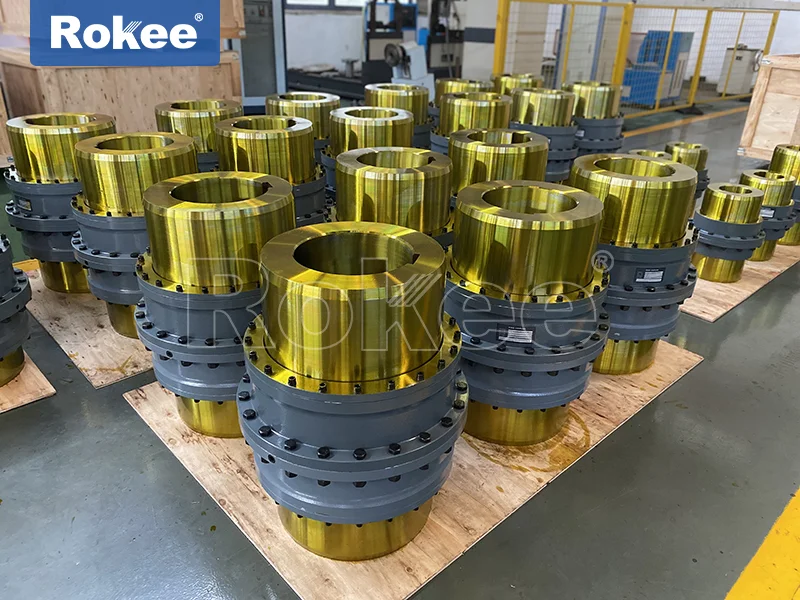
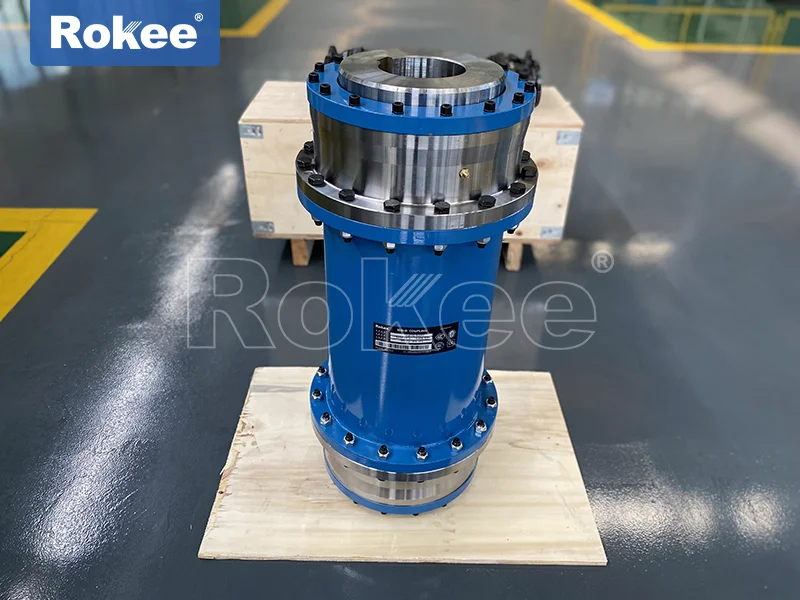
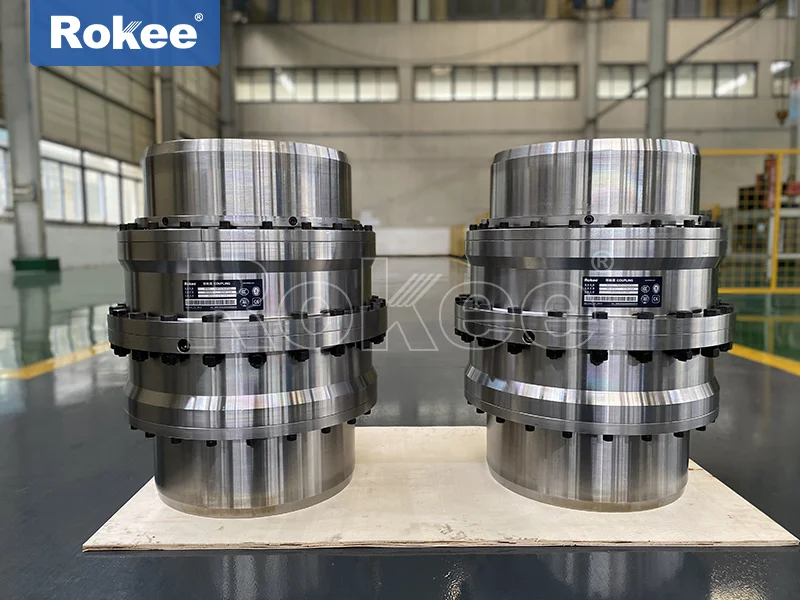
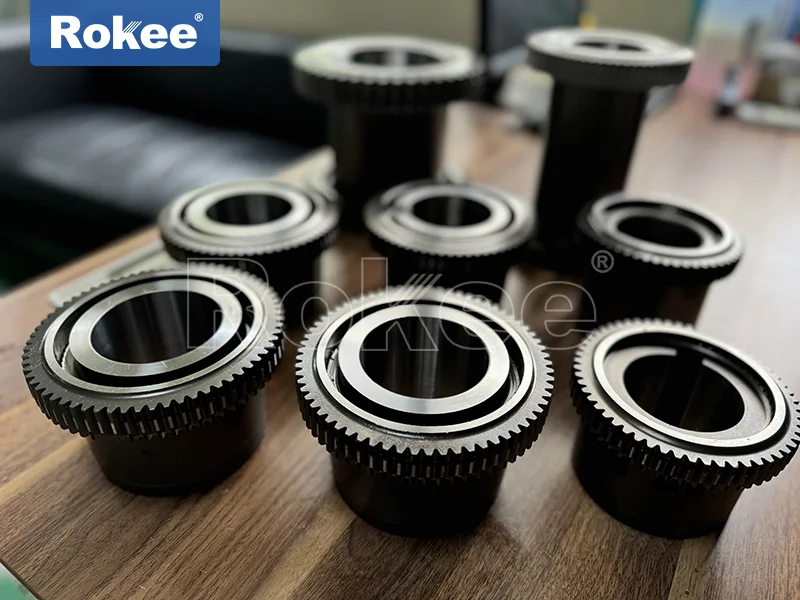
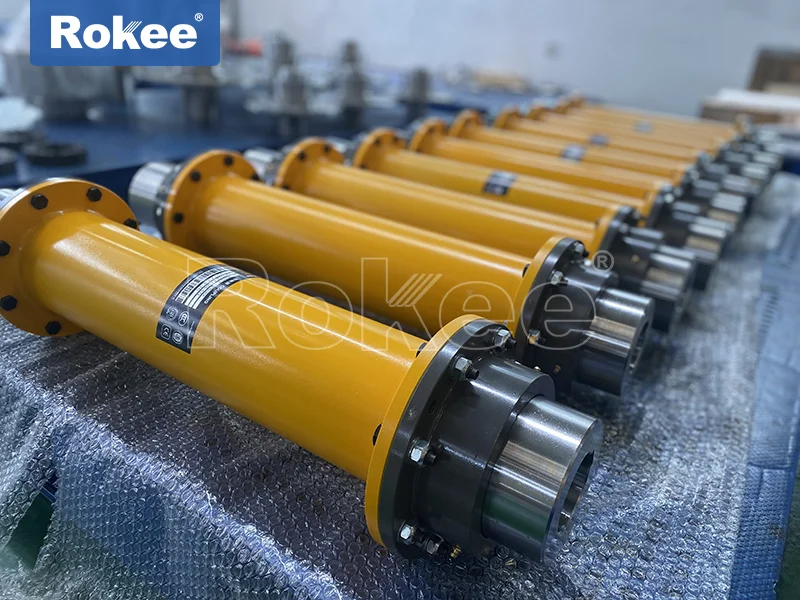
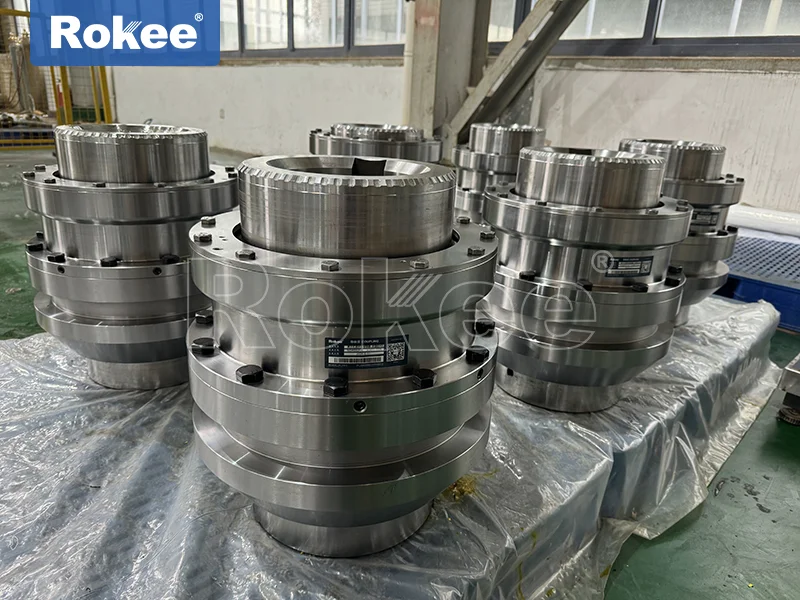
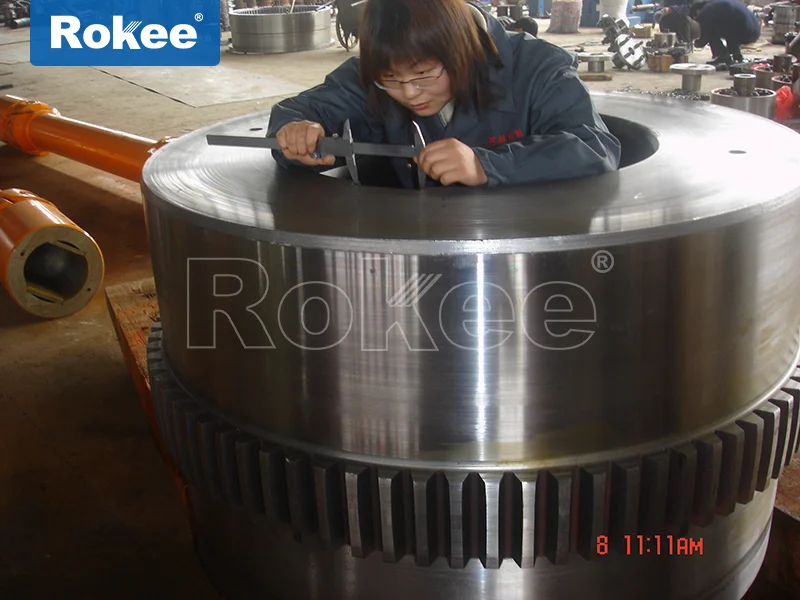
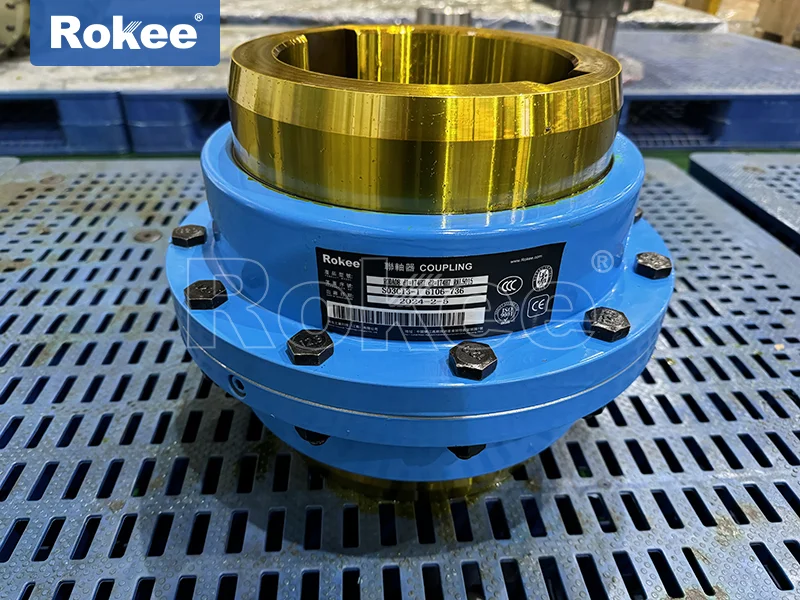
The excellent working performance of barrel gear coupling is derived from its scientific and reasonable structural design and unique barrel-shaped tooth meshing principle, which fundamentally optimizes the power transmission mode of the production line and avoids various unstable factors caused by mechanical transmission defects. The core structure of the barrel gear coupling is composed of two half-couplings connected to the driving shaft and driven shaft respectively and an outer sleeve with internal teeth, and the external teeth of the half-couplings are processed into a smooth barrel convex shape, which is the most essential difference from ordinary straight-tooth gear couplings. In the process of power transmission, the barrel-shaped external teeth of the half-couplings mesh with the internal teeth of the outer sleeve in a flexible contact manner, and the rotational torque output by the drive motor is stably transmitted to the driven equipment through the meshing action between the gear teeth. Compared with the linear contact meshing mode of ordinary straight-tooth couplings, the barrel-shaped tooth profile design enables the gear teeth to have a larger contact area during meshing, dispersing the unit pressure borne by a single gear tooth during torque transmission, effectively avoiding local stress concentration and tooth surface wear and tooth breakage caused by overload. More importantly, the special curved structure of the barrel-shaped teeth gives the coupling excellent multi-dimensional displacement compensation capability that is irreplaceable by ordinary couplings. It can effectively compensate for radial misalignment caused by equipment foundation settlement and long-term component wear, angular misalignment formed by thermal deformation of the transmission shaft and assembly deviation, and axial displacement generated by thermal expansion and contraction of parts during start-stop switching and load changes. When various misalignments occur between the driving shaft and the driven shaft of the polyurethane sandwich panel production line, the barrel gear coupling does not generate additional resistance and stress during operation, but relies on the flexible meshing fit between the barrel-shaped teeth and internal teeth to automatically adapt to the shaft position deviation, ensuring that the torque transmission process is always smooth and stable without being affected by shaft misalignment. This automatic compensation function eliminates the additional mechanical load acting on bearings, reduction boxes, and transmission shafts caused by shaft misalignment, reduces the operating friction resistance of the entire transmission system, and maintains the consistency and stability of the operating speed of each link of the production line all the time.
In the actual operational scenario of polyurethane sandwich panel production line, the stable transmission advantage of barrel gear coupling is fully reflected in multiple core production links, effectively avoiding various production abnormalities and equipment failures caused by unstable transmission. The main pressing and composite link is the core process that determines the bonding quality and forming effect of polyurethane sandwich panels, requiring the upper and lower pressing roller sets to maintain constant rotating speed and stable pressing pressure without any speed fluctuation and mechanical vibration. Once the transmission connection of the pressing roller drive system is unstable, the pressing rollers will vibrate or rotate unevenly, resulting in inconsistent pressing thickness of the sandwich panel, virtual bonding between the metal plate and the polyurethane core material, and even local foaming collapse of the core material. After installing barrel gear coupling in the drive transmission part of the pressing roller set, the coupling can effectively buffer the instantaneous torque impact generated when the pressing equipment starts and the periodic load fluctuation during the pressing process, absorb the tiny vibration generated by the operation of the reduction box and motor, keep the rotating speed of the pressing roller set stable all the time, and ensure that the pressing and composite process is carried out in a stable mechanical state, so that each batch of sandwich panels has uniform thickness, firm bonding and stable forming effect. In the raw material conveying and feeding link of the production line, the continuous and uniform conveying of color steel coils and polyurethane raw materials is the premise of stable foaming and continuous production. The material conveying mechanism needs to run continuously for a long time, and the transmission shaft is prone to misalignment and component wear after long-term operation. The application of barrel gear coupling ensures that the conveying drive system can still maintain accurate and synchronous operation after long-term cyclic work, avoid material conveying jitter and intermittent feeding caused by transmission instability, ensure the synchronous coordination between raw material supply speed and panel forming speed, and prevent product quality problems such as uneven foaming caused by mismatched material supply.
In the fixed-length cutting and finished product discharging link at the rear end of the polyurethane sandwich panel production line, the operational stability of the transmission system is directly related to the dimensional accuracy and surface finish of the finished sandwich panels. The cutting equipment needs to perform fixed-position and fixed-length cutting according to the set parameters, and any slight speed jitter or transmission deviation will lead to inaccurate cutting size and burrs on the cutting surface, affecting the appearance and installation accuracy of the finished products. The barrel gear coupling can maintain high-precision synchronous transmission during the high-speed operation and frequent start-stop jogging of the cutting drive equipment, compensate for the tiny shaft displacement generated during the frequent operation of the cutting mechanism, ensure that the cutting equipment runs smoothly without jitter, and make each cutting operation accurate and in place. The finished product discharging and conveying link needs to synchronously transport the formed sandwich panels to the stacking area, and stable transmission ensures that the finished panels will not be displaced or scratched during the conveying process, maintaining the intact appearance quality of the products. Throughout the whole production process from raw material feeding to finished product output, barrel gear coupling acts as a stable transmission bridge for each driving link of the production line, connecting all power components and processing equipment into a coordinated and unified whole, eliminating transmission hidden dangers in each link, and ensuring that the entire polyurethane sandwich panel production line always operates in a stable, efficient and orderly state.
In addition to ensuring the stable product processing quality and continuous production efficiency of polyurethane sandwich panel production lines, the application of barrel gear coupling also brings significant long-term equipment operation and maintenance advantages for production enterprises, further consolidating the stable operation foundation of the production line and reducing unnecessary operational risks and cost consumption. Due to its strong wear resistance, fatigue resistance and impact resistance, the barrel gear coupling can adapt to long-term heavy-duty cyclic operation without frequent failure and damage, and its internal gear meshing structure is not easy to be affected by industrial dust and slight environmental temperature changes in the production workshop, with stable working performance and long service life. In the daily production and operation process, the coupling basically does not need complex and frequent maintenance work, only regular simple lubrication inspection is required to maintain good working condition, reducing the workload and maintenance frequency of equipment maintenance personnel, and avoiding production line shutdown and production interruption caused by frequent coupling maintenance and replacement. More importantly, the excellent displacement compensation and shock absorption performance of the barrel gear coupling greatly reduce the abnormal wear and impact damage of supporting equipment such as drive motors, reduction boxes, bearings and transmission shafts, effectively prolonging the overall service life of the core mechanical equipment of the production line. Reduced equipment wear and failure frequency mean fewer unexpected shutdowns of the production line, more continuous and stable production schedule, lower equipment replacement and maintenance costs, and effectively improving the overall economic benefits of polyurethane sandwich panel production enterprises. In the long-term production operation, many production enterprises have found that after equipping the production line with barrel gear couplings, the failure rate of mechanical transmission parts is significantly reduced, the continuous operation time of the production line is greatly increased, the product defective rate caused by mechanical vibration and transmission instability is effectively controlled, and the production and operation management of the enterprise becomes more stable and efficient.
With the continuous upgrading of market demand for polyurethane sandwich panels, the production requirements of sandwich panel production lines are also constantly improving, towards large-scale, continuous, high-precision and high-efficiency development, and the requirements for the operational stability and transmission accuracy of production line mechanical equipment are becoming increasingly stringent. In this context, the role of barrel gear coupling in supporting the stable operation of polyurethane sandwich panel production lines has become more prominent, and it has become an essential basic component for the normal operation and upgrading and iteration of modern sandwich panel production equipment. Different from ordinary transmission components that only simply transmit power, barrel gear coupling undertakes multiple important functions such as stable torque transmission, shaft misalignment compensation, impact load buffering, mechanical vibration reduction and equipment protection in the production line system, which is an important guarantee to connect all links of production and maintain the overall coordination and stability of equipment. For polyurethane sandwich panel manufacturing enterprises, attaching importance to the reasonable selection and correct installation of barrel gear couplings, and giving full play to the stable transmission performance of the coupling, is not only a key measure to ensure product quality stability and improve production efficiency, but also an important part of realizing scientific equipment management and reducing long-term production operation costs. In the future, with the continuous progress of mechanical transmission technology, the structural design and performance of barrel gear couplings will be further optimized, and it will continue to provide reliable stable operation guarantee for polyurethane sandwich panel production lines, promote the steady and high-quality development of the polyurethane sandwich panel manufacturing industry, and better meet the market demand for high-quality energy-saving thermal insulation building materials.