Cylindrical Curved Tooth Coupling
Cylindrical curved tooth coupling is a high-performance flexible transmission component widely adopted in modern mechanical power systems, designed to connect rotating shafts and achieve stable torque transmission while compensating for various shaft misalignments. Distinct from conventional straight tooth couplings, it features uniquely optimized cylindrical curved tooth profiles on external gear teeth, which fundamentally improves tooth meshing conditions and contact mechanics during operation. This mechanical structure effectively mitigates common operational defects such as edge extrusion, local stress concentration and uneven load distribution that plague traditional coupling designs. Capable of accommodating angular, radial and axial shaft displacements simultaneously, the coupling delivers reliable power transmission under complex working conditions including variable loads, frequent startup and continuous high-speed operation. With excellent wear resistance, shock absorption and structural stability, it serves as a core connecting part for heavy-duty mechanical equipment, ensuring the efficiency, safety and durability of the entire transmission system in long-term industrial operation.
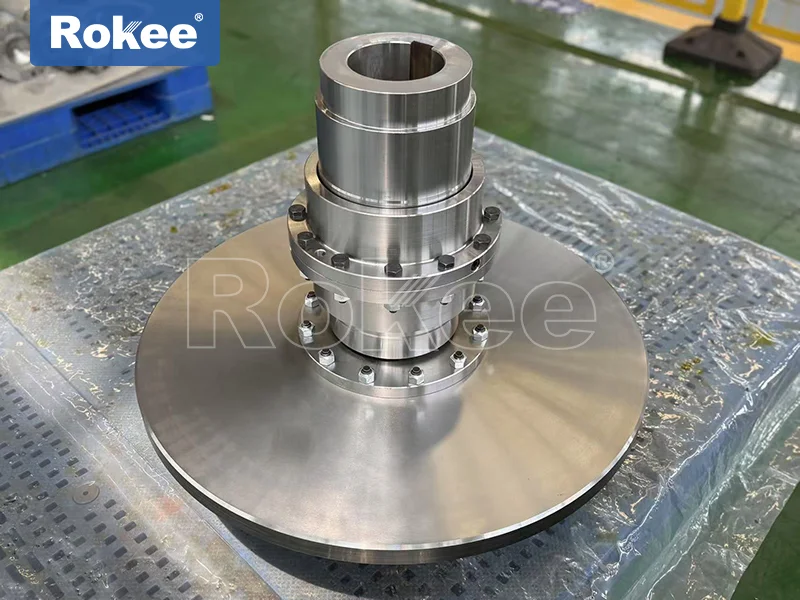
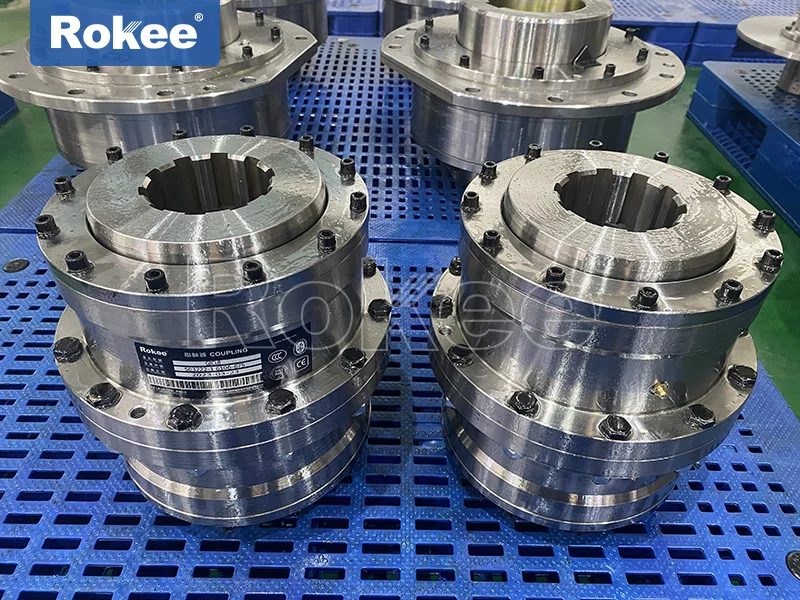
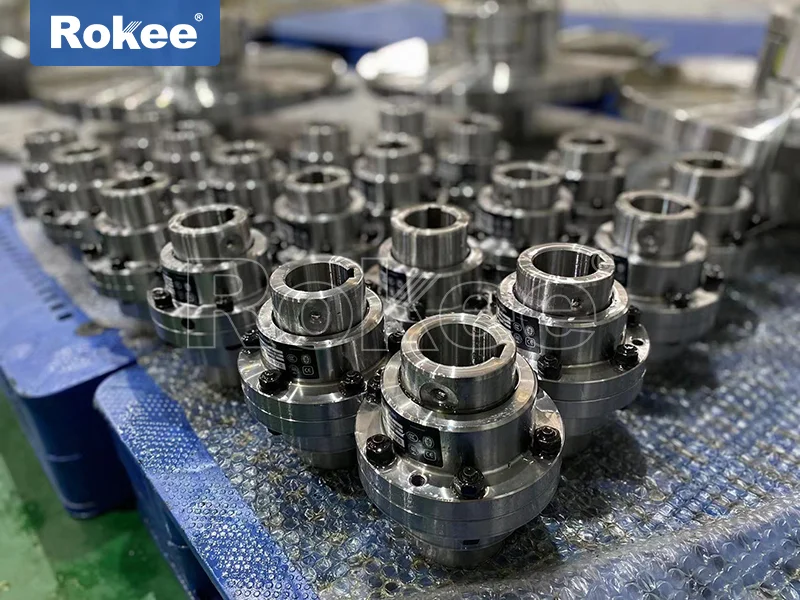
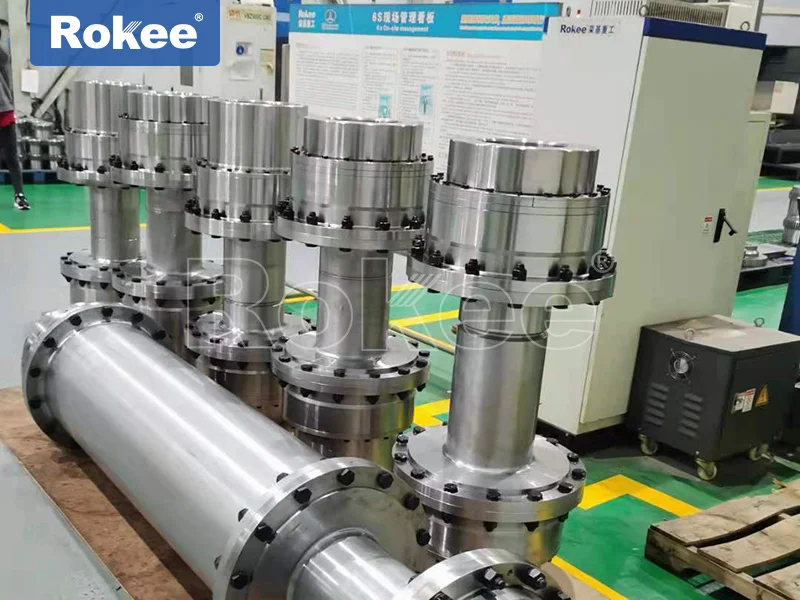
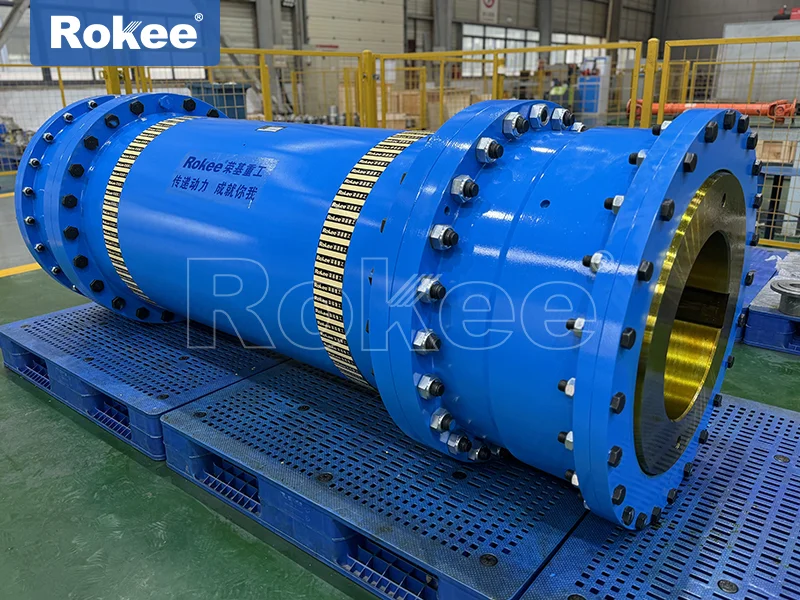
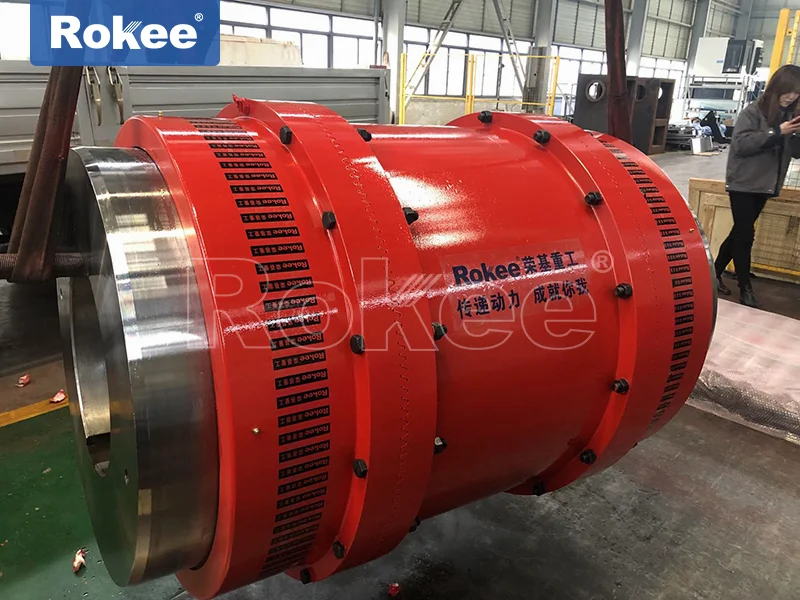
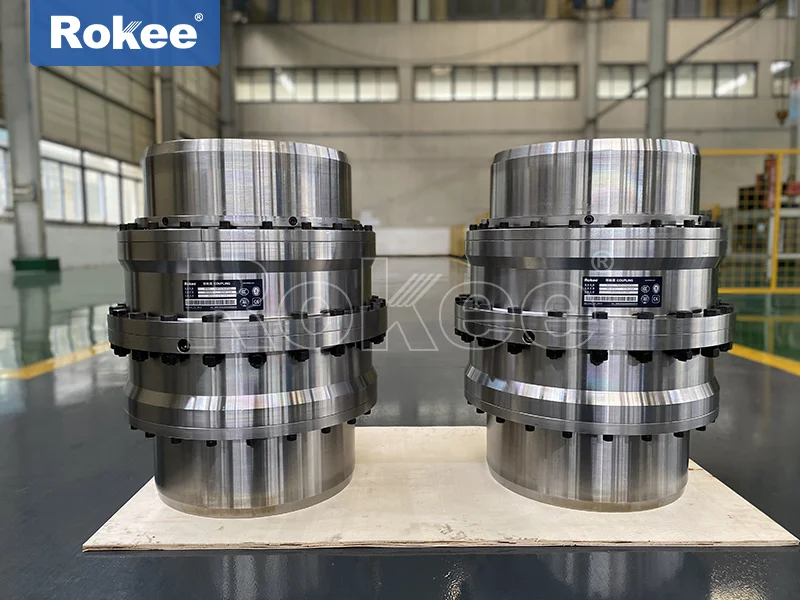
The structural composition of cylindrical curved tooth coupling adopts a compact and integrated mechanical design, mainly consisting of two toothed hubs and a double-ended toothed sleeve, forming a closed meshing transmission structure without redundant auxiliary components. The external teeth of the hubs are processed into a smooth cylindrical curved surface through precision machining, while the internal teeth of the sleeve maintain a standard tooth profile that matches the curved teeth perfectly. This matching structure enables surface contact rather than line contact during tooth meshing, greatly expanding the stress-bearing area of the meshing part. In addition, the coupling is equipped with a complete sealing structure composed of protective covers and sealing accessories, which forms an isolated internal operation space. The sealing system can effectively block external dust, moisture and corrosive substances from invading the meshing area, while preventing internal lubricating grease from overflowing and volatilizing. The overall structural layout is reasonable and compact, which saves installation space on the premise of ensuring transmission performance, and the integrated assembly mode also simplifies the overall mechanical layout of the equipment, making it adaptable to various installation environments with limited space and complex structural conditions.
The working principle of cylindrical curved tooth coupling is based on positive locking meshing transmission and flexible displacement compensation, realizing efficient and stable power transmission between driving and driven shafts. During equipment operation, the driving shaft drives the active hub to rotate synchronously, and the curved external teeth of the hub transmit torque to the internal teeth of the sleeve through uniform surface contact, thereby driving the driven hub and the connected driven shaft to operate synchronously. The most core functional advantage of the curved tooth profile is its adaptive adjustment ability during shaft misalignment. When the connected two shafts produce angular deviation, radial offset or axial displacement due to equipment operation vibration, assembly errors or mechanical deformation, the curved tooth surface can produce slight rolling and sliding adjustment between meshing teeth. This flexible adjustment completely avoids the rigid edge friction and local extrusion of straight tooth couplings under misalignment states, eliminates concentrated stress at tooth ends, and keeps the tooth surface in uniform contact at all times. The whole transmission process is smooth and impact-free, which converts rigid mechanical collision into flexible meshing movement, ensuring continuous and stable torque output even under dynamic displacement conditions.
Cylindrical curved tooth coupling possesses outstanding load-bearing and anti-fatigue performance, making it suitable for long-term heavy-duty industrial working scenarios. Benefiting from the full-surface meshing design of curved teeth, the load generated by torque transmission can be evenly distributed on the entire tooth surface, avoiding partial overload and excessive pressure on individual teeth that easily occur in traditional couplings. This uniform stress distribution greatly improves the ultimate load-bearing capacity of the coupling, enabling it to stably bear continuous heavy loads and intermittent shock loads without plastic deformation or tooth wear failure. In high-frequency variable load working environments, the curved tooth structure can buffer instantaneous load impact through slight meshing displacement, reducing the impact force transmitted to the shaft system and bearings. Moreover, the uniform stress state effectively reduces tooth surface fatigue wear and micro-crack generation caused by alternating stress. Compared with ordinary flexible couplings, it has far stronger structural rigidity and anti-fatigue ability, and can maintain stable transmission accuracy and structural integrity after thousands of startup and load switching cycles, greatly extending the service life of the transmission system.
The misalignment compensation performance is one of the most distinctive core advantages of cylindrical curved tooth coupling, which solves the operational instability problem of shaft systems caused by assembly deviation and mechanical deformation. Mechanical equipment inevitably produces various shaft displacements during installation and long-term operation, including angular misalignment caused by equipment frame deformation, radial offset caused by bearing wear, and axial displacement caused by thermal expansion and contraction of parts. Traditional rigid couplings cannot adapt to these displacements, which will cause severe shaft vibration, bearing abrasion and transmission efficiency reduction, while straight tooth flexible couplings have limited compensation ability and are prone to tooth edge wear. The cylindrical curved tooth coupling relies on the spatial adjustment ability of its curved tooth profile, which can synchronously and efficiently compensate for multiple types of shaft misalignments within the design range. The rolling contact between curved teeth ensures that the meshing state remains stable during displacement adjustment, no additional friction and stress will be generated, and the original transmission precision will not be affected. This excellent comprehensive compensation performance greatly reduces the installation and operation requirements of equipment, and improves the fault tolerance and operational stability of mechanical transmission systems.
Lubrication and wear resistance performance determine the long-term operational reliability of cylindrical curved tooth coupling, and its structural design creates superior conditions for stable lubrication and low wear operation. The closed sealing structure of the coupling can lock high-performance lubricating grease inside the meshing cavity for a long time, forming a continuous and stable lubricating film on the curved tooth surface. The smooth curved tooth profile reduces the friction coefficient during meshing movement, and the rolling friction mode between teeth replaces the sliding friction of traditional structures, effectively reducing tooth surface abrasion and heat generation during operation. The uniform lubricating film covers the entire meshing surface, isolating direct contact between metal parts and avoiding dry friction and oxidative wear. In high-speed continuous operation, the structural design can effectively dissipate friction heat, prevent lubricant deterioration caused by high temperature, and maintain stable lubrication effect for a long time. This excellent lubrication retention and low-wear characteristic enables the coupling to realize long-term maintenance-free operation in most conventional working environments, reducing manual maintenance frequency and operational cost, while avoiding equipment shutdown failures caused by lubrication failure and tooth wear.
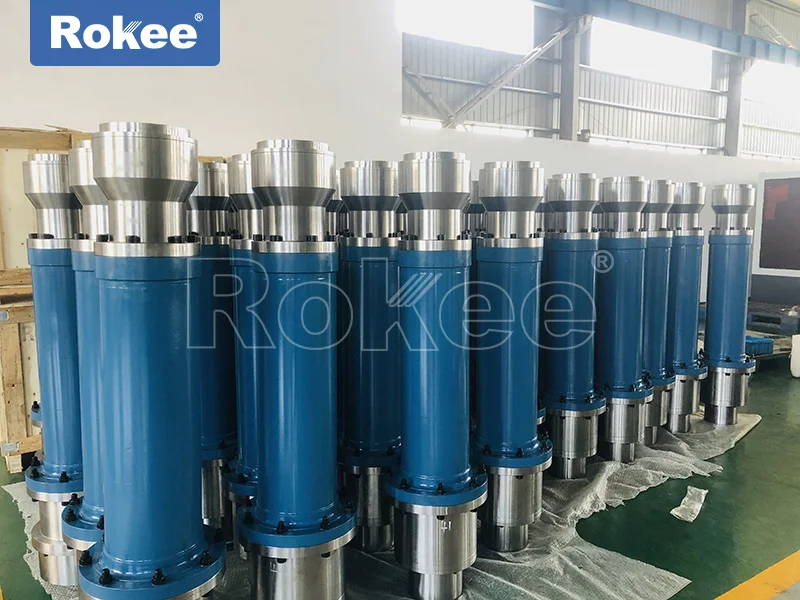
Cylindrical curved tooth coupling has extremely wide application adaptability and can be applied to various mechanical transmission scenarios with complex working conditions. It is widely used in power generation equipment such as turbines, where stable high-speed torque transmission and vibration buffering are required to ensure the efficient operation of power generation systems. In heavy industrial machinery including mining equipment, metallurgical machinery and cement production equipment, it adapts to harsh working conditions of heavy load, severe vibration and dust pollution, providing reliable power connection for large-scale mechanical operation. It also plays an important role in marine power systems, transportation machinery and general industrial transmission equipment, adapting to different working environments such as high humidity, variable load and continuous operation. Whether it is high-speed light-load transmission or low-speed heavy-duty operation, the coupling can adjust its meshing state adaptively, maintain efficient and stable power transmission, and meet the diversified performance requirements of different mechanical equipment for shaft connection parts.
With the continuous upgrading of modern mechanical manufacturing technology, cylindrical curved tooth coupling is constantly optimized in structural design and processing technology, and its comprehensive performance is further improved to adapt to higher-standard industrial transmission needs. Modern precision machining technology makes the curved tooth profile more accurate and smooth, further optimizing the tooth surface contact state and stress distribution, and improving transmission efficiency and stability. The optimized sealing and lubrication structure enhances the adaptability of the coupling to extreme working environments, enabling it to operate stably in high-temperature, low-temperature and corrosive environments. As industrial mechanical equipment develops towards high precision, high load and high efficiency, the advantages of cylindrical curved tooth coupling in stable transmission, misalignment compensation and long service life become more prominent. It has become an indispensable key component in modern mechanical transmission systems, providing solid technical support for the safe, efficient and long-term stable operation of various industrial equipment, and its application scope and industrial value will continue to expand with the progress of industrial manufacturing technology.