Teeth Coupling Heavy Duty Industrial Use
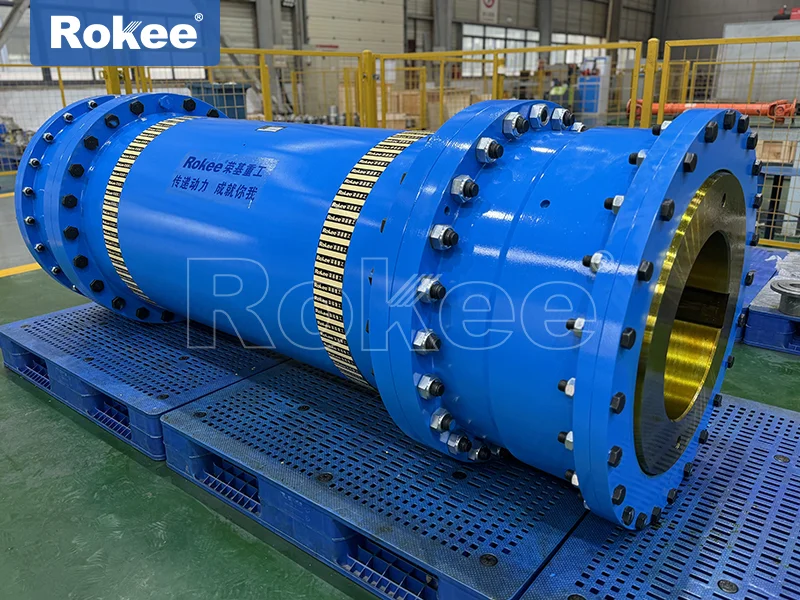
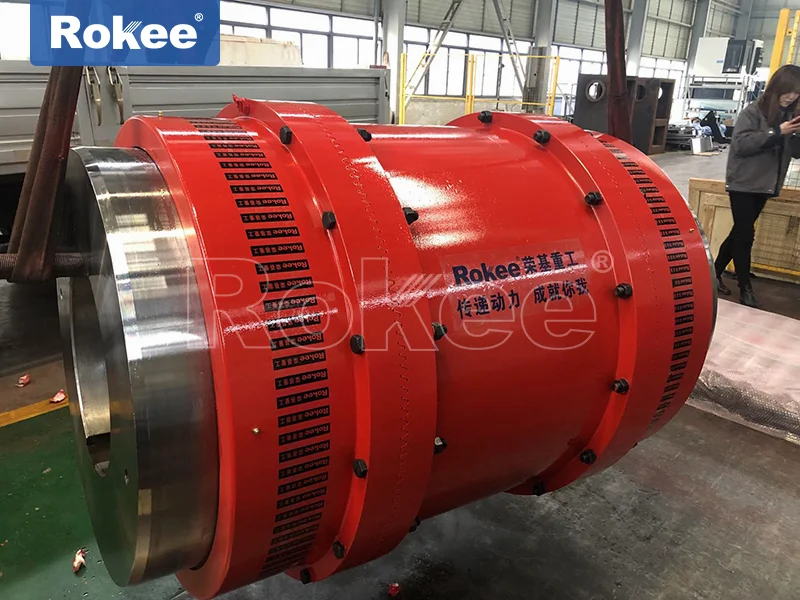
Heavy-duty teeth couplings stand as indispensable core components in modern industrial mechanical transmission systems, specially engineered to cater to high-load, high-torque, and continuous operating industrial scenarios. Unlike ordinary flexible and rigid couplings for light-duty equipment, this specialized transmission part adopts a precise internal and external gear meshing structure, delivering reliable power transmission while possessing exceptional adaptability to complex mechanical operating conditions. It effectively buffers instantaneous impact loads, compensates for minor shaft misalignments generated by equipment operation and mechanical wear, and maintains stable and efficient power output for long-term continuous production. Widely applied in heavy industrial mechanical equipment that requires stable torque transmission and durable operation, it solves common transmission problems such as power loss, component vibration, and rapid wear under heavy working conditions. With its compact structural design, excellent load-bearing performance, and long service life, it has become a preferred transmission accessory for heavy industrial production equipment, supporting the stable operation of various high-intensity mechanical systems.
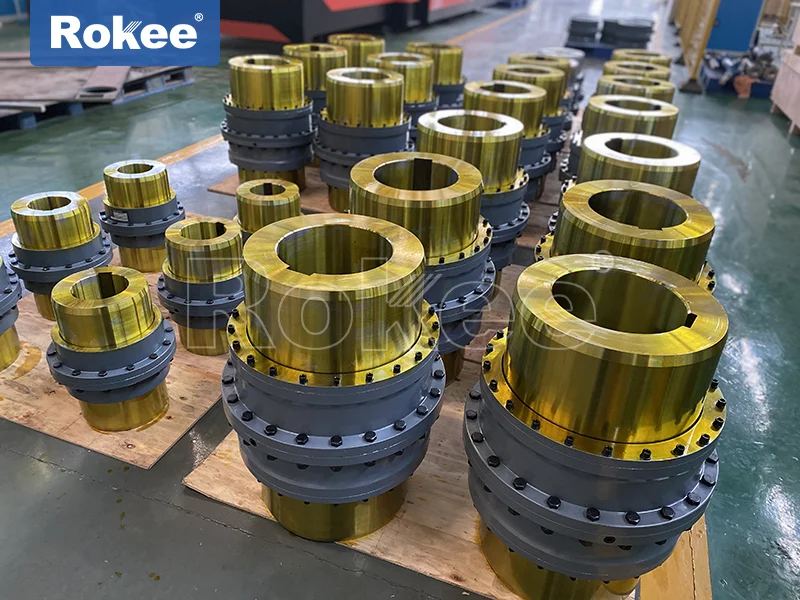
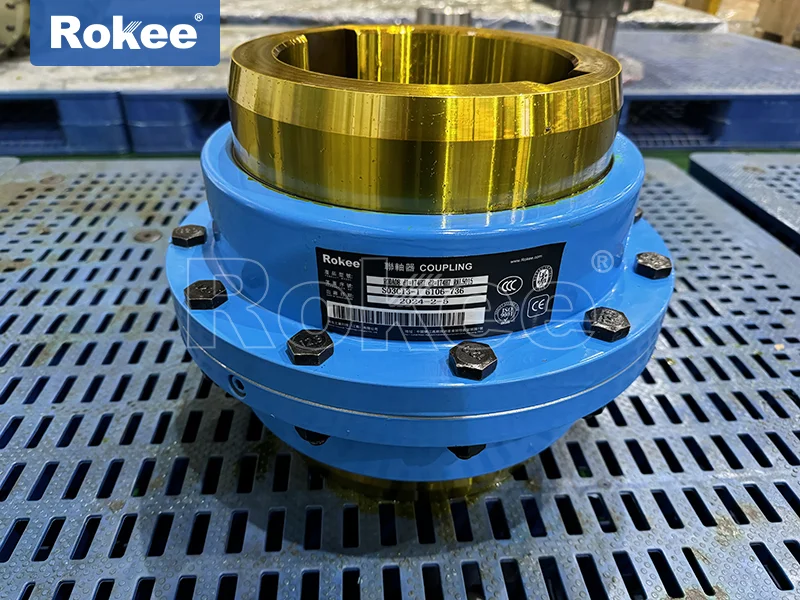
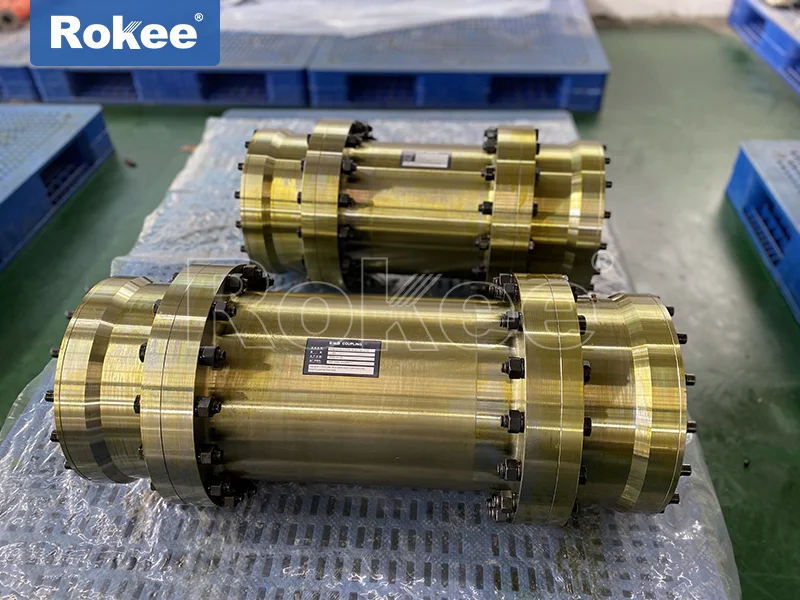
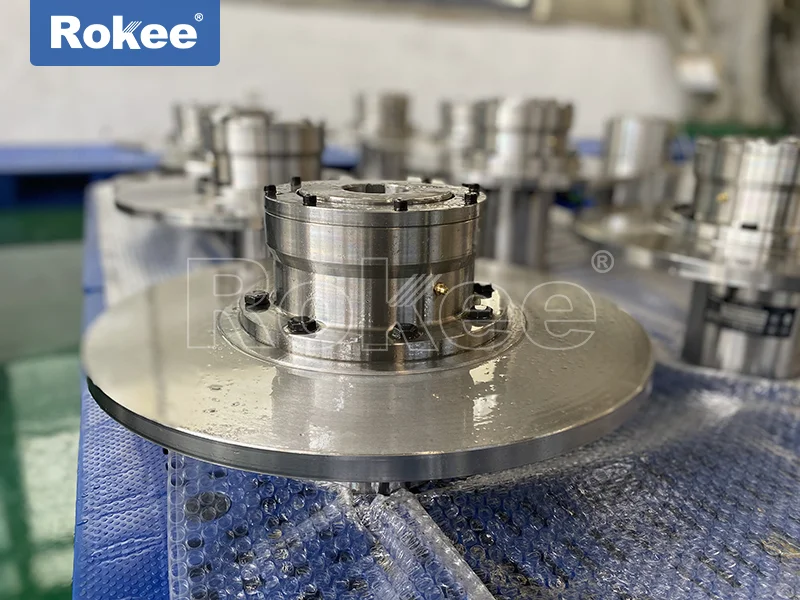
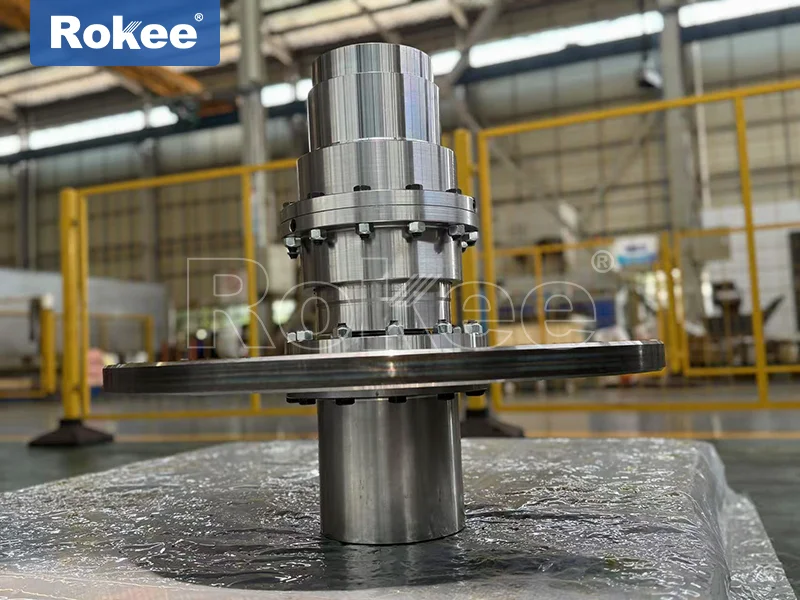
The core operational logic of heavy-duty teeth couplings relies on the precise meshing transmission principle of internal and external gear teeth, which lays the foundation for its superior heavy-load working performance. The overall structure consists of two toothed shaft hubs and a closed outer sleeve, where the external gear teeth on the shaft hubs mesh tightly with the internal gear teeth of the outer sleeve to form a closed power transmission structure. During equipment operation, the driving shaft drives the active toothed hub to rotate, and the meshed gear teeth convert rotational power and torque to the outer sleeve, which further transmits power to the driven toothed hub and the connected driven shaft. This multi-tooth synchronous meshing mode disperses overall load pressure evenly on each gear tooth surface, avoiding local stress concentration and component damage caused by single-point stress bearing in traditional coupling structures. Even under sustained heavy loads and frequent variable load impacts, the uniform force distribution ensures continuous and stable power transmission without obvious power attenuation or mechanical jitter. Meanwhile, the tiny gaps reserved between meshing teeth allow adaptive fine displacement, which effectively offsets minor axial, radial, and angular misalignments between the two connected shafts generated by equipment assembly errors, operational vibration, and component aging.
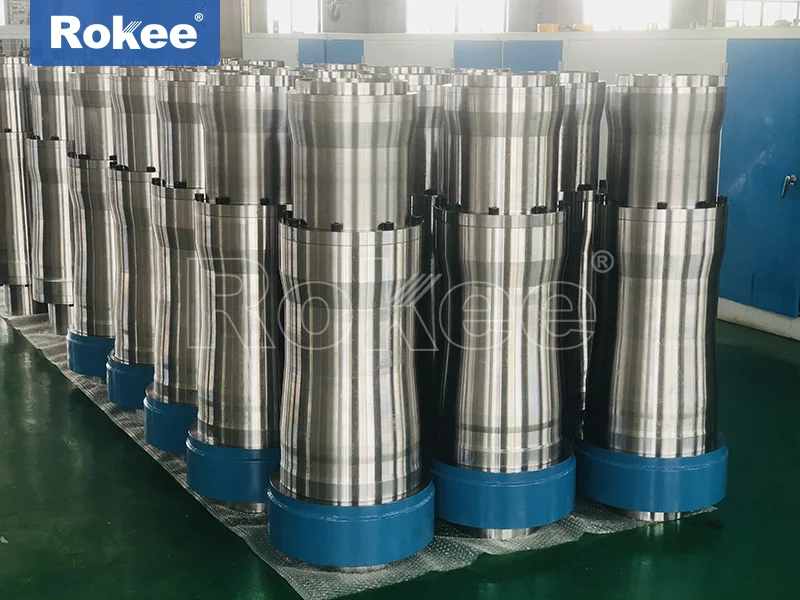
The structural design of heavy-duty teeth couplings is fully optimized for harsh industrial working environments, endowing them with outstanding durability and environmental adaptability. The overall structure abandons complex loose accessories and adopts an integrated closed design, which greatly reduces the occupation of mechanical installation space and adapts to the compact structural layout of heavy industrial equipment. The gear tooth profiles are precisely processed with smooth and uniform tooth surfaces, which reduces friction resistance during meshing operation and lowers mechanical wear while improving transmission efficiency. The closed outer sleeve structure forms an independent protective space for the internal meshing gear teeth, which can effectively isolate external dust, metal debris, moisture, and corrosive substances in industrial production environments. This protective structure prevents abrasive wear and electrochemical corrosion of precision gear teeth, avoiding transmission failure caused by tooth surface damage, tooth breakage, or meshing failure. In addition, the internal closed cavity can store lubricating media stably, maintaining a continuous lubrication state between meshing tooth surfaces for a long time. This not only reduces operating friction and noise but also lowers the heat generated by mechanical friction, avoiding component aging and performance degradation caused by long-term high-temperature operation, and greatly extending the continuous service cycle of the coupling.
Heavy-duty teeth couplings exhibit unparalleled load-bearing and anti-impact performance compared with conventional coupling products, making them uniquely suitable for high-intensity industrial production scenarios. Most ordinary couplings are limited by structural and material constraints, prone to elastic deformation, fatigue damage or transmission failure when facing instantaneous overload and impact loads. In contrast, the multi-tooth meshing structure of heavy-duty teeth couplings can bear super-large torque loads, and the cooperative stress of multiple gear teeth significantly improves the overall structural rigidity and load threshold. When industrial equipment starts, stops frequently or bears sudden load changes, the gear tooth gaps can produce slight adaptive sliding and displacement, which buffers and absorbs instantaneous impact force, avoiding rigid collision damage between transmission components. This excellent anti-shock performance effectively protects the main shaft, bearings, and other core mechanical parts of the equipment, reducing the failure rate of the entire transmission system. Moreover, the structural rigidity of the teeth coupling ensures no obvious deformation under long-term heavy-load operation, maintaining high-precision power transmission and ensuring the consistency and stability of equipment operating speed and torque output.
The efficient transmission characteristics of heavy-duty teeth couplings bring significant energy-saving and operational stability benefits to industrial production. In the power transmission process, the close meshing of internal and external gear teeth achieves almost zero slip power transmission, which greatly reduces power loss during torque conversion and transmission. Compared with flexible couplings that rely on elastic component deformation for transmission, teeth couplings have higher transmission efficiency, which can fully convert the power output of power components into effective mechanical driving force, reducing invalid energy consumption. For large-scale continuous industrial production equipment, this efficient transmission mode can effectively reduce long-term operating energy consumption and improve the overall energy utilization rate of the equipment system. In addition, the stable meshing structure eliminates periodic vibration and jitter problems easily caused by elastic component fatigue and deformation. The coupling can maintain smooth and synchronous operation under long-term continuous working conditions, ensuring the stable operation of the entire mechanical transmission system. This stable operating state not only improves the operational accuracy of industrial equipment but also reduces equipment vibration noise and mechanical fatigue loss of auxiliary components.
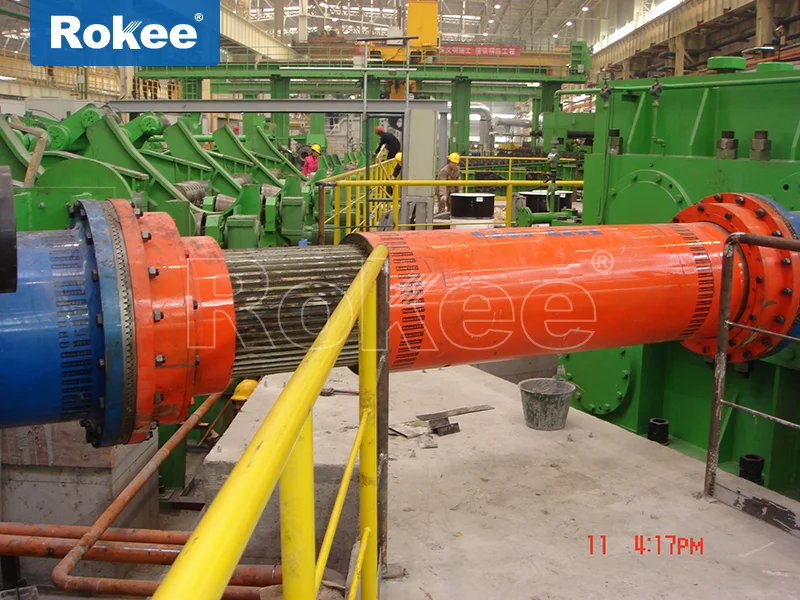
Heavy-duty teeth couplings have extremely wide applicability, covering almost all mainstream heavy industrial production fields with high-load transmission demands. In heavy manufacturing and processing industries, they are applied to large rolling equipment, forging machinery, and pressing equipment, providing stable torque transmission for high-intensity processing operations. In material handling and conveying systems, they serve large conveyor equipment, bucket elevators, and stacker reclaimer equipment, adapting to long-term continuous operation and frequent start-stop working conditions. In industrial power transmission equipment such as large fans, pumps, and compressors, the couplings effectively balance operating load and compensate for shaft misalignment, ensuring the stable operation of power equipment. They also play a key role in heavy engineering machinery and mining equipment, resisting complex working condition impacts and variable load changes in harsh working environments. Whether it is continuous stable operation under conventional heavy loads or adaptive operation under complex and changeable working conditions, heavy-duty teeth couplings can maintain reliable working performance, providing basic guarantee for the normal operation of various heavy industrial mechanical systems.
Scientific daily maintenance and standardized installation are crucial to maximizing the service life and working performance of heavy-duty teeth couplings in industrial applications. During equipment installation, it is necessary to ensure the coaxiality of the connected shafts is within a reasonable range, reduce excessive initial misalignment, and avoid long-term eccentric wear of gear teeth caused by installation deviation. The sealing performance of the closed outer sleeve should be checked regularly in daily operation to prevent lubricant leakage and external impurity infiltration, which may affect the meshing state of internal gear teeth. Regular replacement and replenishment of professional lubricating media are required to maintain the lubrication state of tooth surfaces, reduce friction and wear, and avoid dry friction damage to precision gear teeth. Meanwhile, regular operational inspection should be carried out to check for abnormal vibration, noise, and temperature rise during coupling operation, so as to timely discover potential problems such as local tooth surface wear and meshing deviation. Standardized maintenance can effectively avoid premature failure of the coupling, reduce equipment downtime and replacement frequency, and lower the overall operational and maintenance cost of industrial equipment.
With the continuous upgrading of modern industrial production technology and the increasing demand for high-intensity and high-precision mechanical transmission, the application value and development potential of heavy-duty teeth couplings are constantly highlighted. Modern industrial production is developing towards large-scale, continuous, and intelligent operation, which puts forward higher requirements for the load-bearing capacity, transmission stability, and service life of transmission components. Heavy-duty teeth couplings, with their mature meshing transmission structure, excellent comprehensive performance, and strong environmental adaptability, can well meet the development needs of modern heavy industry. Continuous optimization in processing technology and structural design further improves their transmission accuracy, wear resistance, and impact resistance, enabling them to adapt to more extreme industrial working conditions. As a key basic component of industrial transmission systems, heavy-duty teeth couplings will continue to support the stable and efficient operation of various heavy industrial equipment, providing reliable basic technical support for the efficient and safe development of modern industrial production.