Efficient Curved Tooth Coupling Adaptation of Preferred Transmission For Polyurethane Sandwich Panel Machine
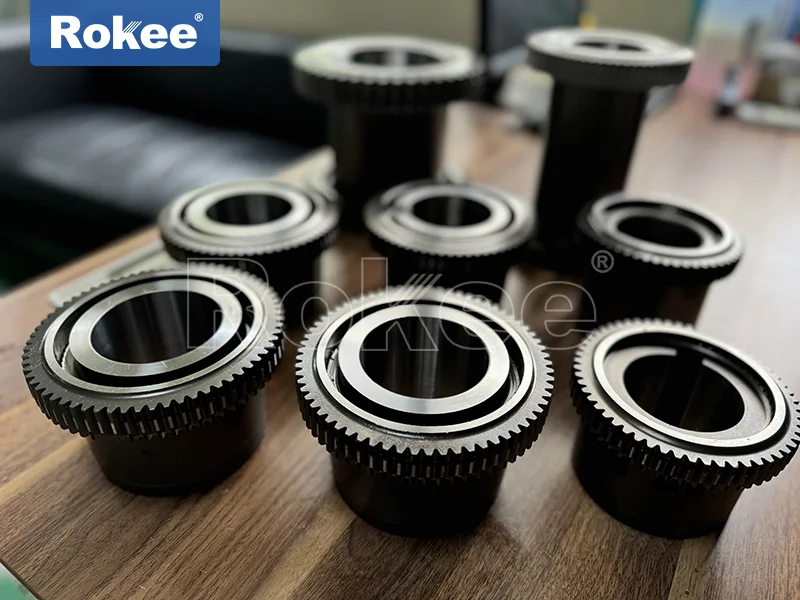
In the field of modern industrial manufacturing, polyurethane sandwich panels have become an indispensable material in various fields such as industrial plants, logistics warehouses, integrated house enclosures, and external wall insulation due to their excellent thermal insulation, structural strength, and lightweight properties. The polyurethane sandwich panel machine, as the core equipment for producing such panels, relies heavily on a stable and efficient transmission system to ensure continuous and high-quality production. Among the numerous transmission components, the curved tooth coupling has gradually become the preferred choice for the transmission system of polyurethane sandwich panel machines due to its unique structural advantages and excellent performance, playing a crucial role in improving production efficiency, reducing equipment wear, and extending service life.
The polyurethane sandwich panel machine involves a series of complex working processes, including raw material mixing, pouring, foaming, curing, and cutting, each of which requires precise coordination of multiple components and stable power transmission. The transmission system of the equipment is responsible for transmitting the power of the motor to each functional unit, such as the unwinding system, forming machine system, double crawler laminated conveyor, and cutting machine, ensuring that each part operates at the specified speed and torque. The stability and efficiency of the transmission system directly affect the production efficiency of the entire production line, the quality of the finished panels, and the maintenance cost of the equipment. In practical operation, the transmission system of polyurethane sandwich panel machines often faces challenges such as variable loads, axial and angular deviations, and operational vibrations. Common coupling types such as straight tooth couplings and elastic pin couplings have limitations in dealing with these challenges, which may lead to problems such as uneven load distribution, excessive wear, and frequent equipment failures, thereby affecting the normal operation of the production line. In contrast, the curved tooth coupling, with its optimized tooth profile design and excellent compensation performance, can effectively adapt to the harsh working conditions of the polyurethane sandwich panel machine, realizing efficient and stable power transmission.
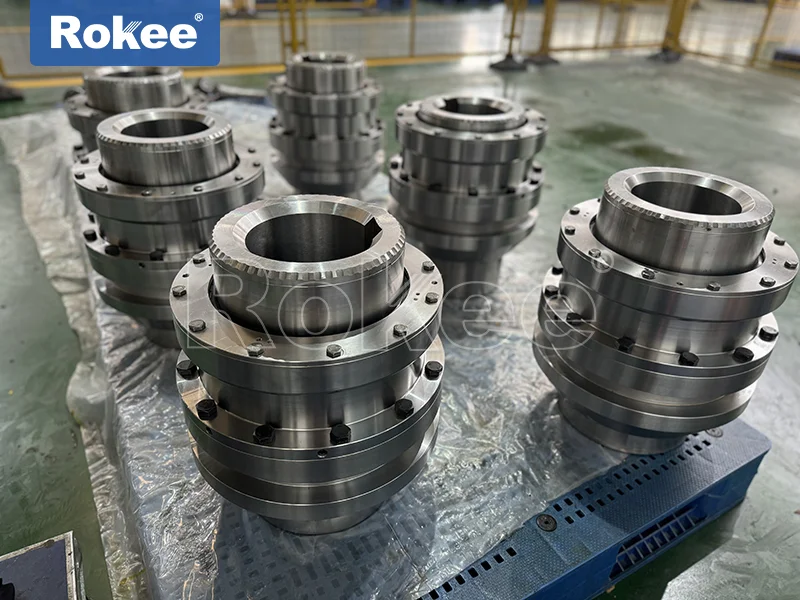
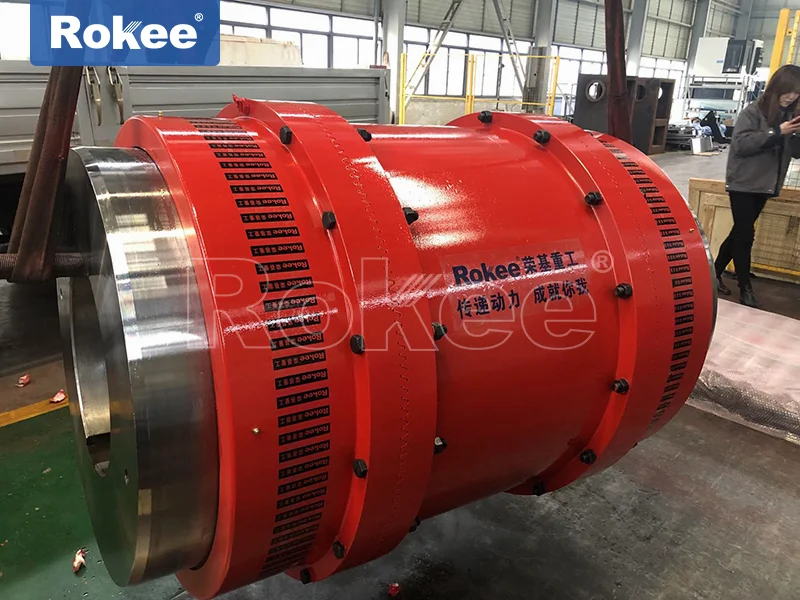
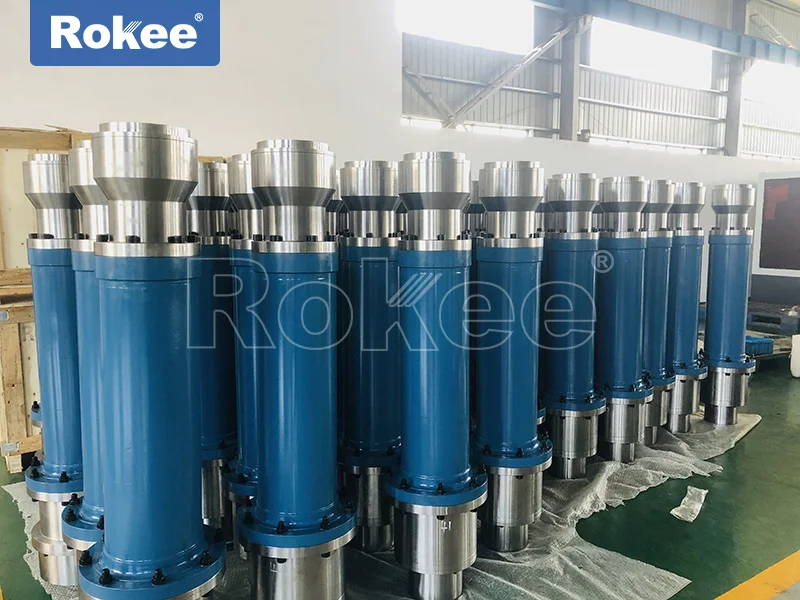
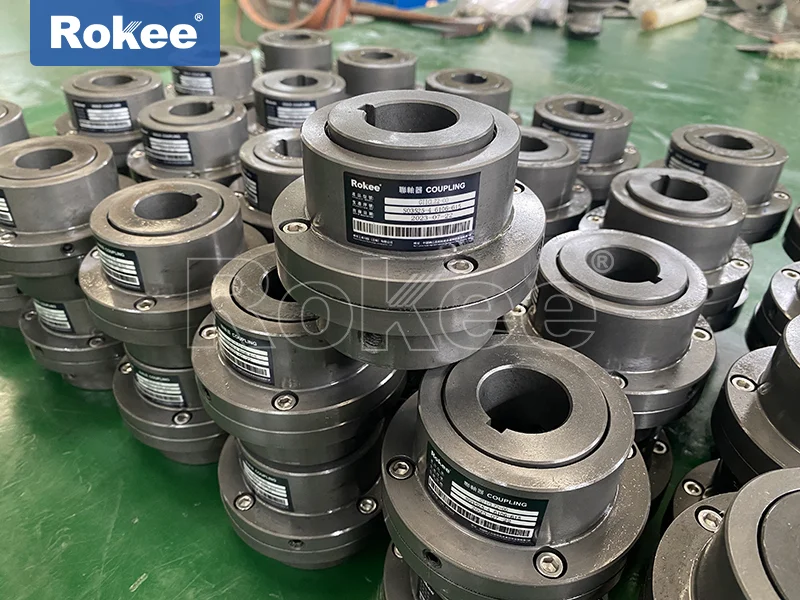
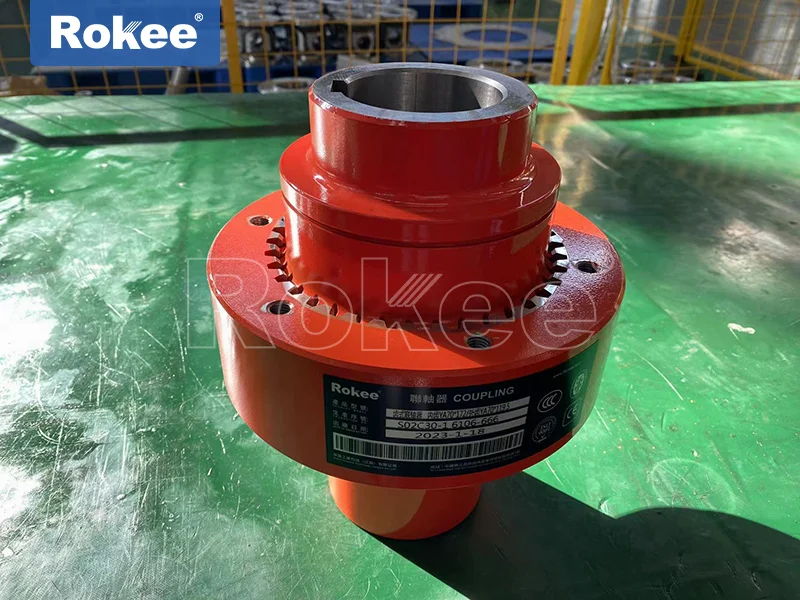
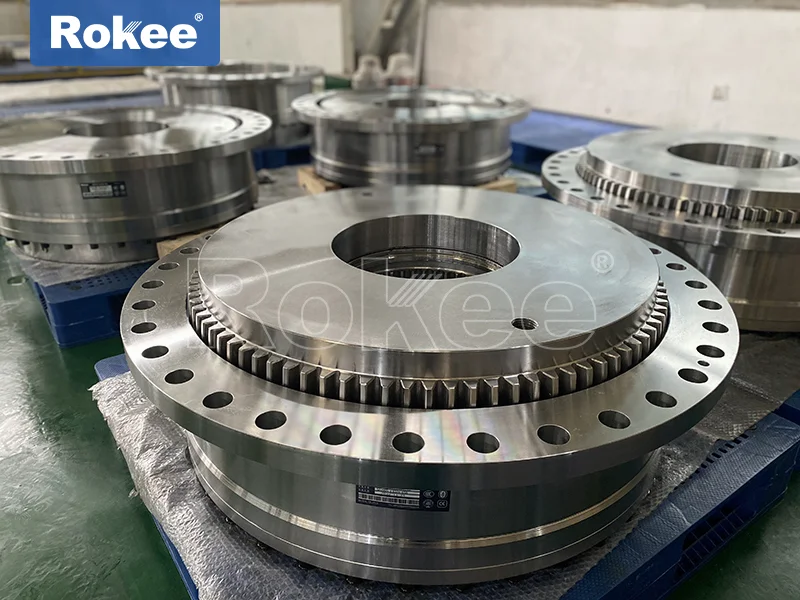
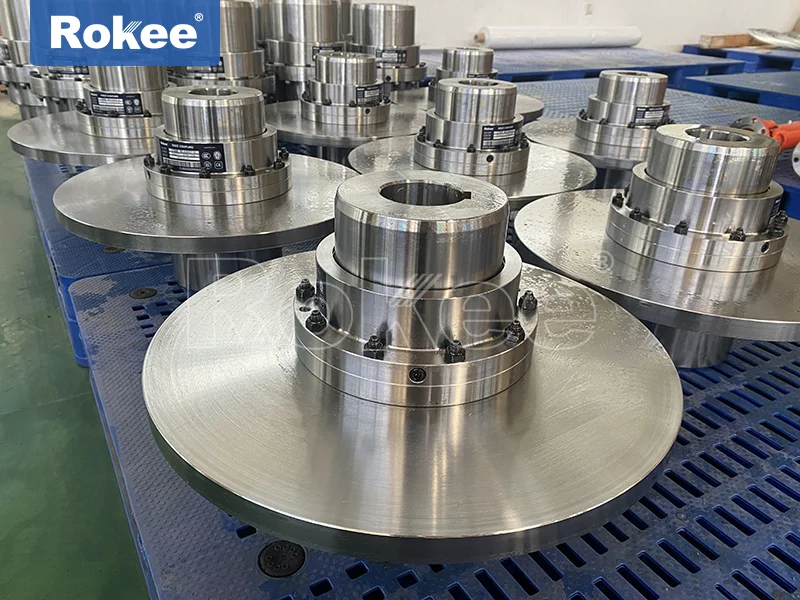
The core advantage of the curved tooth coupling lies in its unique curved tooth profile design, which is significantly different from the traditional straight tooth coupling. The outer gear of the curved tooth coupling is designed into a drum shape, with the center of the sphere located on the gear axis, which makes the tooth surface contact change from the line contact of the straight tooth coupling to surface contact. This structural improvement not only increases the contact area between the teeth but also enables the coupling to have excellent angular, radial, and axial compensation capabilities, which is particularly important for the transmission system of polyurethane sandwich panel machines. During the operation of the polyurethane sandwich panel machine, due to factors such as equipment installation errors, foundation settlement, thermal expansion of components, and load changes, the transmission shafts are often prone to slight misalignment, including angular deviation, radial displacement, and axial movement. If a traditional straight tooth coupling is used, such misalignment will lead to edge contact between the teeth, resulting in stress concentration, rapid tooth wear, increased friction, and even tooth breakage in severe cases, which will affect the stability of power transmission. The curved tooth coupling, however, can use the spherical characteristics of the drum-shaped teeth to allow smooth rolling and sliding between the inner and outer teeth when the shafts are misaligned, effectively absorbing the displacement deviation and ensuring that the tooth surface maintains uniform contact, thereby reducing stress concentration and wear.
In addition to excellent compensation capabilities, the curved tooth coupling also has high torque density and load-bearing capacity, which can meet the power transmission needs of polyurethane sandwich panel machines under different working conditions. The polyurethane sandwich panel machine needs to adjust the transmission torque according to the production process during operation. For example, during the foaming and curing process, the double crawler laminated conveyor needs a stable and large torque to ensure that the panel is evenly pressed and cured; during the cutting process, the cutting machine needs accurate and stable power transmission to ensure the cutting accuracy. The curved tooth coupling, with its surface contact characteristics, distributes the load more evenly among the meshing teeth, which not only increases the number of teeth participating in meshing but also improves the torque transmission capacity. Compared with the straight tooth coupling of the same size, the curved tooth coupling can transmit a larger torque, or has a more compact structure when transmitting the same torque, which is conducive to the rational layout of the transmission system of the polyurethane sandwich panel machine, especially in the case of limited installation space. At the same time, the curved tooth coupling has good wear resistance and fatigue resistance. Through reasonable material selection and heat treatment process, the tooth surface hardness can be effectively improved while maintaining the toughness of the tooth core, which can withstand long-term alternating loads and reduce the frequency of component replacement.
The efficient adaptation of the curved tooth coupling in the preferred transmission system of the polyurethane sandwich panel machine is not only reflected in its structural advantages but also in the rational matching with the working characteristics of the equipment. The polyurethane sandwich panel machine has the characteristics of high automation, continuous operation, and variable working conditions, which puts forward higher requirements for the adaptability of the coupling. In the raw material mixing stage, the high-pressure foaming machine needs to transmit power stably to the metering pump to ensure the accurate proportion of the two components of the rigid foam raw material. The curved tooth coupling can effectively absorb the vibration generated by the operation of the metering pump, avoid the impact of vibration on the power transmission, and ensure the uniform mixing of raw materials. In the pouring and foaming stage, the mixed raw materials are evenly distributed on the bottom surface material of the sandwich panel, and the double crawler laminated conveyor needs to run at a constant speed to ensure the uniform foaming and curing of the rigid foam between the upper and lower conveyor chain plates. The curved tooth coupling can maintain stable power transmission under variable loads, avoid speed fluctuations caused by load changes, and ensure the thickness uniformity and surface flatness of the foam layer. In the cutting stage, the cutting machine needs to cut the cured sandwich panel into finished products of specified length according to production needs, which requires the transmission system to have high precision and responsiveness. The curved tooth coupling, with its small transmission clearance and high transmission accuracy, can ensure that the cutting machine operates in synchronization with the conveyor, improving the cutting accuracy and reducing the waste of materials.
The material selection and heat treatment process of the curved tooth coupling also play a key role in its efficient adaptation to the polyurethane sandwich panel machine. The working environment of the polyurethane sandwich panel machine may involve certain chemical substances and temperature changes, which requires the coupling to have good corrosion resistance and high-temperature stability. Generally, the gear hubs and inner gear rings of curved tooth couplings are made of high-strength alloy steel, which has excellent mechanical properties and corrosion resistance. Through heat treatment processes such as deep carburizing and quenching, the tooth surface hardness can reach HRC 58-62, while the tooth core maintains good toughness, which can effectively improve the wear resistance and fatigue life of the coupling. At the same time, the sealing device of the curved tooth coupling is also optimized. A good sealing structure can prevent lubricant leakage and the entry of dust, debris, and chemical substances, ensuring the normal operation of the coupling under harsh working conditions. The lubrication system of the curved tooth coupling is also crucial. Reasonable lubrication can reduce the friction between the teeth, reduce wear and heat generation, and extend the service life of the coupling. Generally, high-quality extreme pressure lithium-based grease is used for lubrication, which can maintain good lubrication performance under high load and high temperature conditions, and extend the lubrication cycle to 4000-8000 operating hours, which is much longer than that of ordinary straight tooth couplings.
In the practical application process, the efficient adaptation of the curved tooth coupling in the transmission system of the polyurethane sandwich panel machine also needs to pay attention to reasonable selection, installation, and maintenance. The selection of the curved tooth coupling should be based on the actual working parameters of the polyurethane sandwich panel machine, including the transmission power, torque, speed, and the possible maximum deviation between the shafts. It is necessary to ensure that the rated torque and speed of the coupling meet the working requirements, and at the same time, consider the compensation capacity of the coupling to adapt to the possible misalignment of the transmission shafts. During the installation process, it is necessary to ensure the initial alignment of the transmission shafts as much as possible. Although the curved tooth coupling has good compensation capacity, excellent initial alignment can reduce the load on the coupling, reduce wear, and extend its service life. It is recommended that the installation deviation be controlled within 1/3 of the allowable value of the equipment. At the same time, attention should be paid to the installation of the sealing device and the filling of lubricant to ensure that the coupling is in a good working state.
Regular maintenance is an important guarantee for the efficient operation of the curved tooth coupling. During the operation of the polyurethane sandwich panel machine, it is necessary to regularly inspect the working state of the coupling, including the wear of the tooth surface, the leakage of lubricant, the looseness of fasteners, and the damage of the sealing device. If abnormal wear, lubricant leakage, or other problems are found, they should be handled in a timely manner to avoid further damage to the coupling. At the same time, the lubricant should be replaced regularly according to the operating time and working conditions to ensure that the coupling is always in a good lubrication state. In addition, it is necessary to conduct regular oil sample testing to monitor the wear status of the coupling, predict the service life of the coupling, and carry out maintenance and replacement in advance, so as to avoid unplanned shutdowns caused by coupling failure and ensure the continuous operation of the production line.
The adaptation of the curved tooth coupling in the preferred transmission system of the polyurethane sandwich panel machine also needs to consider the optimization of the overall transmission system. The curved tooth coupling is not an independent component, but closely connected with other components of the transmission system, such as motors, reducers, and transmission shafts. Therefore, in the design and transformation of the transmission system, it is necessary to carry out overall matching and optimization to ensure the coordination and stability of the entire transmission system. For example, the torsional stiffness of the curved tooth coupling should be matched with the torsional stiffness of the motor and reducer to avoid resonance caused by the change of the natural frequency of the system. At the same time, the heat balance and heat dissipation of the transmission system should be considered. For high-speed or continuous heavy-load operation, the internal friction heat generation of the coupling may affect its performance. Therefore, appropriate cooling measures can be adopted to ensure the thermal balance of the coupling and avoid the degradation of material performance caused by excessive temperature.
With the continuous development of polyurethane sandwich panel production technology, the requirements for the performance of the transmission system are getting higher and higher. The curved tooth coupling, with its excellent performance and efficient adaptation, has become an important part of the preferred transmission system of polyurethane sandwich panel machines. Compared with other types of couplings, the curved tooth coupling has obvious advantages in compensation capacity, torque density, wear resistance, and vibration absorption, which can effectively improve the stability and efficiency of the transmission system, reduce equipment maintenance costs, and ensure the high-quality and continuous production of polyurethane sandwich panels. In the future, with the continuous progress of material science and manufacturing technology, the structure and performance of the curved tooth coupling will be further optimized, such as the improvement of the drum curvature curve design, the application of new materials, and the optimization of the lubrication system, which will further enhance its adaptation to the polyurethane sandwich panel machine and provide stronger support for the development of the polyurethane sandwich panel manufacturing industry.
In practical application cases, many polyurethane sandwich panel production enterprises have achieved good results after adopting the curved tooth coupling in the transmission system. For example, a production enterprise specializing in the production of cold storage polyurethane sandwich panels found that after replacing the original straight tooth coupling with a curved tooth coupling, the equipment failure rate was reduced by more than 30%, the maintenance cycle was extended by 50%, and the production efficiency was increased by about 15%. The main reason is that the curved tooth coupling effectively solves the problems of tooth wear and power transmission instability caused by shaft misalignment in the original transmission system, ensures the stable operation of each functional unit of the equipment, and reduces the downtime caused by equipment failure. Another enterprise engaged in the production of integrated house wall panels found that the curved tooth coupling can effectively absorb the vibration generated by the operation of the forming machine, reduce the noise of the equipment, and improve the working environment of the workshop. At the same time, the high transmission accuracy of the curved tooth coupling ensures the dimensional accuracy of the sandwich panels, reduces the waste of materials, and improves the economic benefits of the enterprise.
It should be noted that although the curved tooth coupling has many advantages, its efficient adaptation in the polyurethane sandwich panel machine also needs to avoid some common problems. For example, in the process of selection, if the model of the coupling is not matched with the working parameters of the equipment, it may lead to insufficient torque transmission or excessive structural size, affecting the normal operation of the transmission system. In the process of installation, if the alignment is not accurate or the sealing device is not installed properly, it may lead to increased wear of the coupling and lubricant leakage. In the process of maintenance, if the lubricant is not replaced regularly or the wear of the tooth surface is not detected in time, it may lead to premature failure of the coupling. Therefore, enterprises need to strengthen the training of professional and technical personnel, improve the level of selection, installation, and maintenance of the curved tooth coupling, and give full play to its advantages in the transmission system of the polyurethane sandwich panel machine.
In conclusion, the efficient adaptation of the curved tooth coupling in the preferred transmission system of the polyurethane sandwich panel machine is an important way to improve the performance of the equipment and ensure stable production. The curved tooth coupling, with its unique curved tooth profile design, excellent compensation performance, high torque density, and good wear resistance, can effectively adapt to the harsh working conditions of the polyurethane sandwich panel machine, solve the problems existing in the traditional transmission system, and improve the stability, efficiency, and reliability of the transmission system. Through reasonable selection, correct installation, and regular maintenance, the curved tooth coupling can give full play to its role, reduce equipment maintenance costs, improve production efficiency and product quality, and promote the healthy development of the polyurethane sandwich panel manufacturing industry. With the continuous advancement of technology, the application of the curved tooth coupling in the polyurethane sandwich panel machine will be more extensive and in-depth, bringing more benefits to enterprises.