Crown Gear Coupling Manufacturer
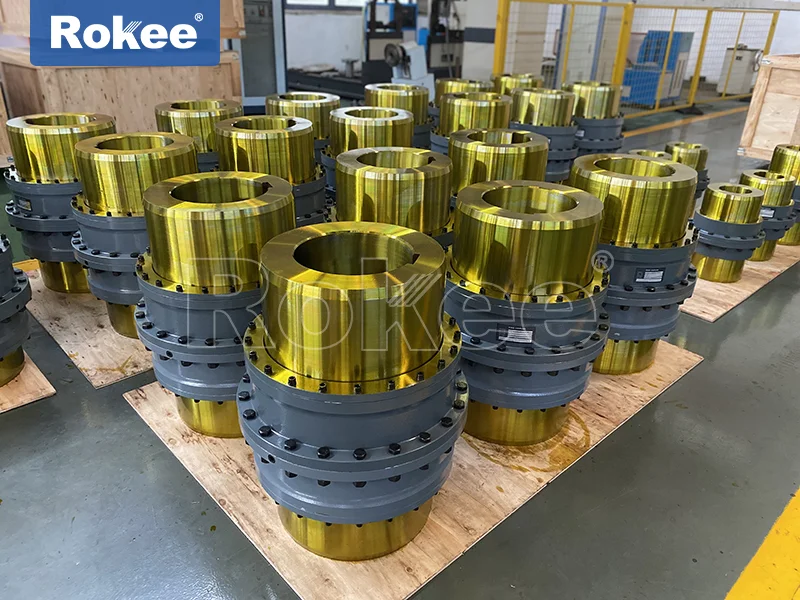
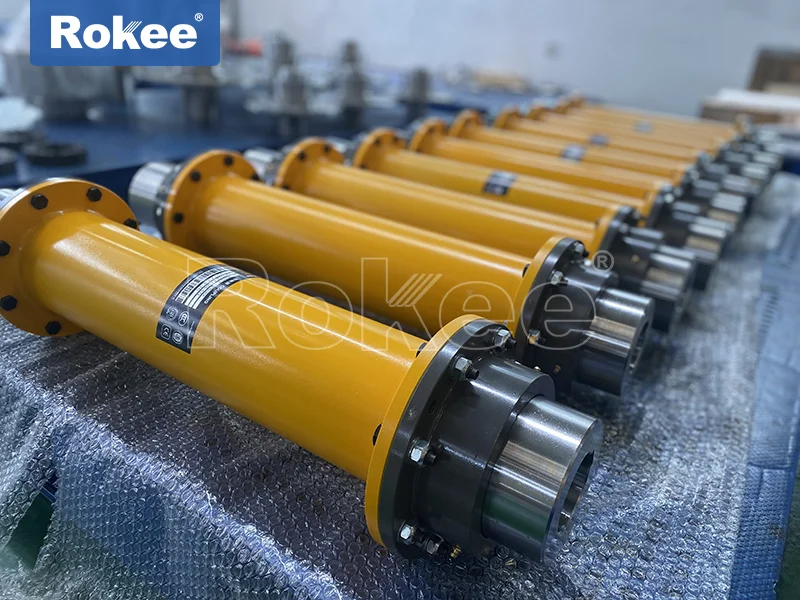
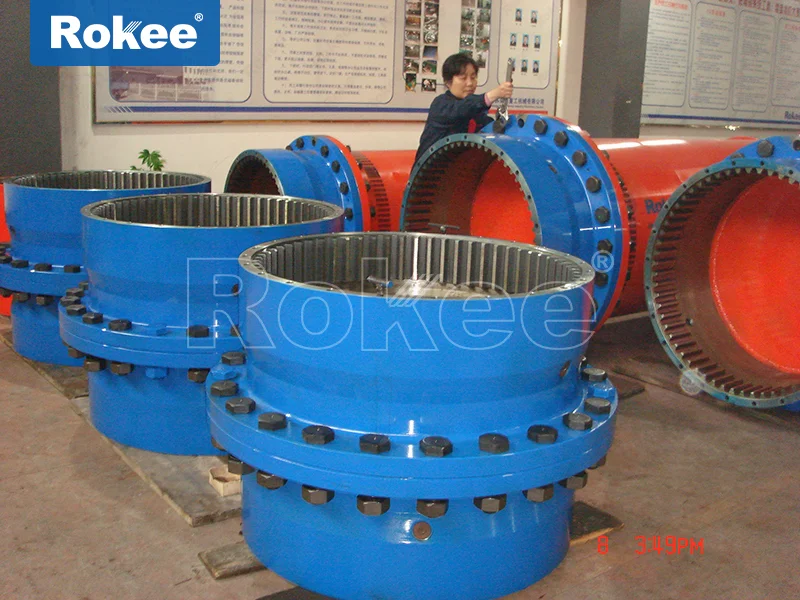
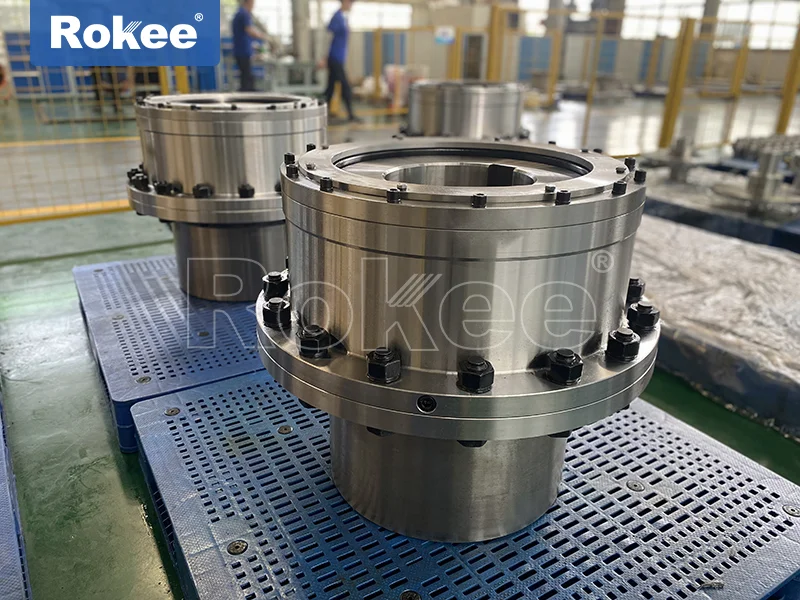
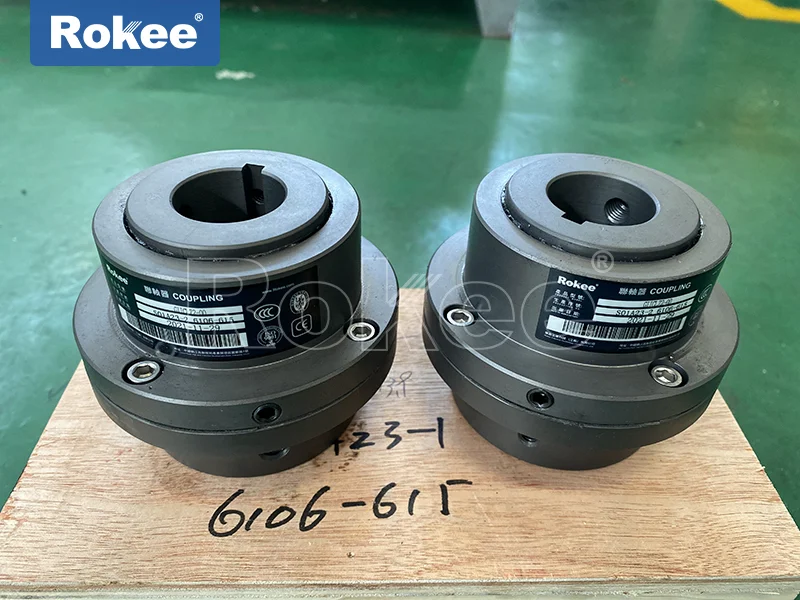
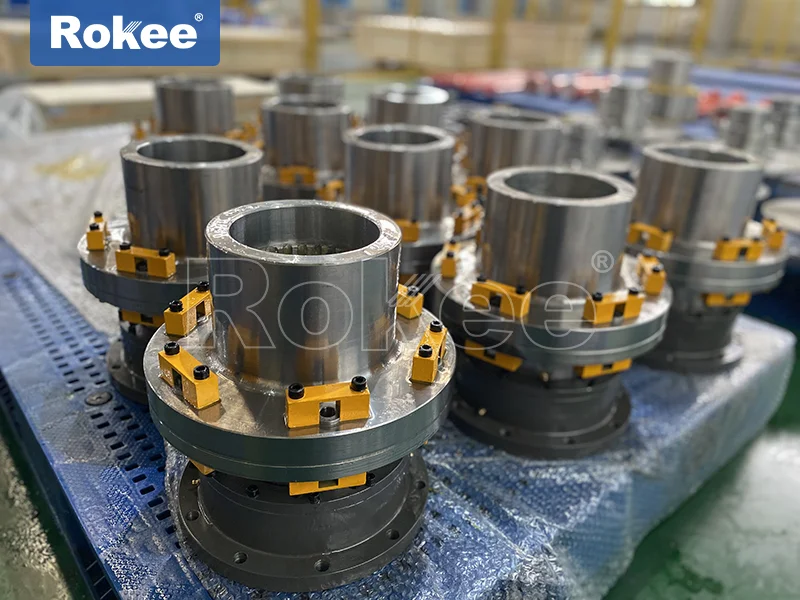
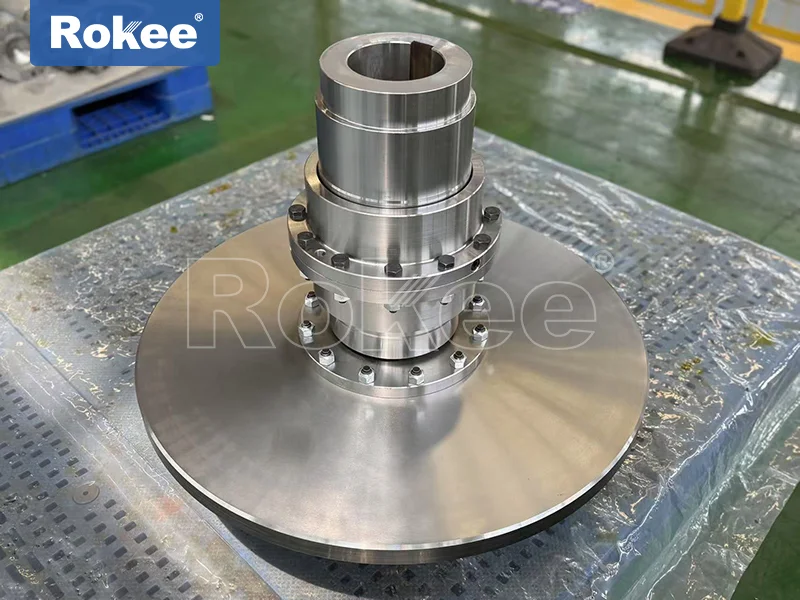
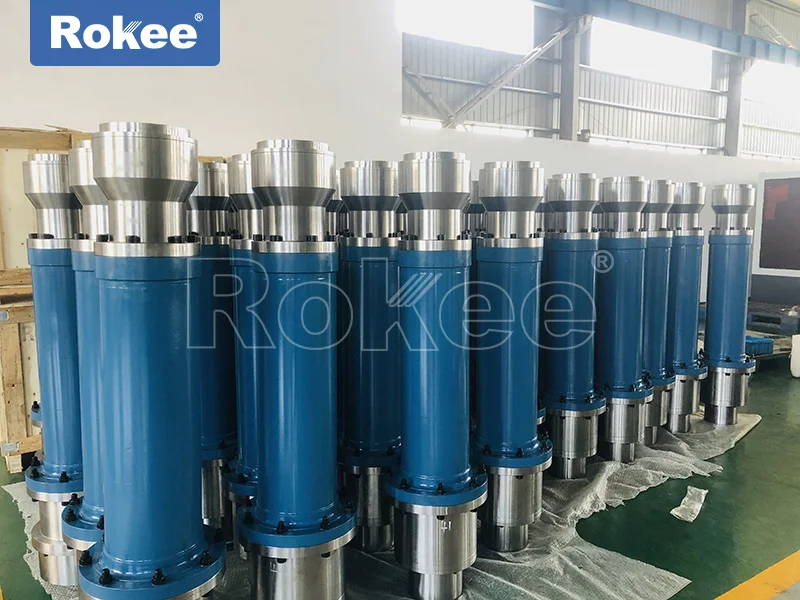
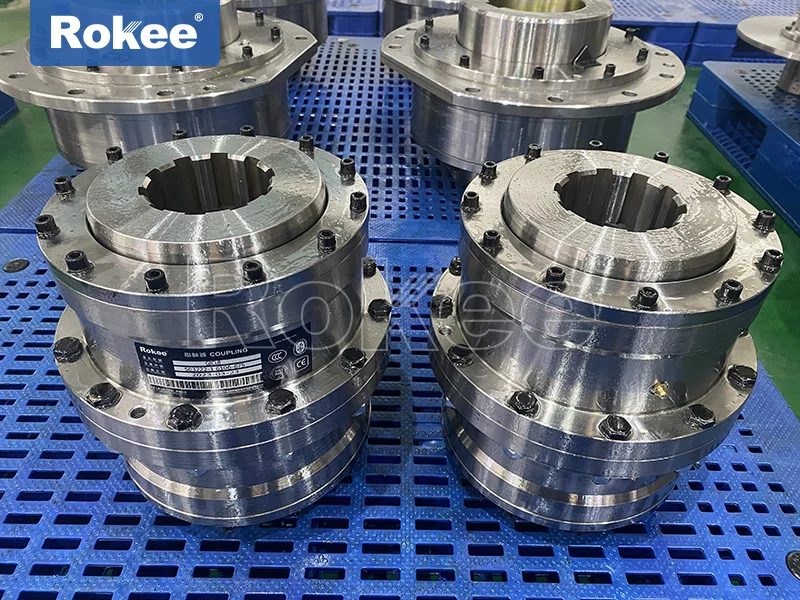
Crown gear couplings have emerged as a pivotal component in modern mechanical power transmission systems, renowned for their robust structure, exceptional misalignment tolerance, and high torque transmission efficiency. As professional manufacturers focus on refining core production technologies and optimizing product performance, these specialized couplings have gradually replaced traditional straight-tooth gear couplings in numerous heavy-duty industrial scenarios. Featuring unique crowned spherical tooth profiles, the product can effectively compensate for angular, radial, and axial shaft misalignments that inevitably occur during equipment installation and long-term operation. This advanced structural design eliminates the issue of localized edge stress concentration common in conventional couplings, ensuring uniform force distribution on gear meshing surfaces. Dedicated manufacturers prioritize precision processing, material optimization, and structural innovation, delivering reliable transmission solutions for diverse mechanical equipment. With superior load capacity, stable operational performance, and extended service life, crown gear couplings have become indispensable for ensuring the continuous and efficient operation of industrial transmission systems across various sectors.
Professional crown gear coupling manufacturers center their production philosophy on precision engineering and practical industrial applicability, focusing on solving core pain points in mechanical power transmission. The most prominent advantage of crown gear couplings lies in their optimized tooth profile design, where external gears adopt a spherical crowned structure differing fundamentally from flat straight teeth. This structural innovation enables full-surface contact between internal and external gear teeth even when driving and driven shafts produce minor deviations, completely avoiding the edge wear and local stress overload that plague traditional gear couplings. In actual industrial operation, equipment vibration, foundation settlement, and long-term mechanical fatigue often lead to subtle shaft misalignments, which would rapidly accelerate the aging of ordinary couplings and trigger equipment failure. Manufacturers fully consider these complex operating conditions in the design and production process, adjusting tooth curvature and meshing clearance parameters to maximize the product’s adaptive capacity. Through repeated mechanical simulation and industrial testing, mature production processes ensure that each finished coupling maintains stable meshing states under variable load and misalignment conditions, laying a solid foundation for long-term reliable operation of mechanical equipment.
Material selection and processing technology are the core foundations for manufacturers to guarantee the superior performance of crown gear couplings, directly determining product strength, wear resistance, and fatigue resistance. Formal manufacturers strictly select high-quality alloy steel materials with excellent mechanical properties, which undergo multiple forging and heat treatment processes to enhance overall structural toughness and surface hardness. Forging processing refines the internal metal grain structure of the material, eliminating internal pores and impurities, and effectively improving the structural stability and impact resistance of the coupling under heavy-load operation. Subsequent precision heat treatment processes including quenching and tempering balance the hardness and toughness of gear teeth, preventing tooth breakage and excessive wear caused by frequent torque impact. In terms of finishing, manufacturers adopt high-precision CNC machining and gear grinding processes to control tooth profile accuracy and meshing tolerance within extremely fine ranges. This precise processing method ensures smooth gear meshing, reduces friction resistance and operating noise during power transmission, and minimizes heat generation during long-term high-speed operation. Strict material inspection and process monitoring run through the entire production process to ensure every batch of products maintains consistent and reliable mechanical properties.
The performance advantages of crown gear couplings manufactured by professional factories are fully reflected in load-bearing capacity and operational stability, making them suitable for high-intensity industrial working conditions. Compared with traditional straight-tooth gear couplings of the same structural size and outer diameter, crown gear couplings exhibit significantly higher torque transmission capacity, with effective load-bearing efficiency increased by a considerable margin. This excellent load performance stems from the uniform stress distribution brought by the crowned tooth design, which makes the entire tooth surface participate in force bearing rather than local stress concentration. In heavy-load working scenarios such as bulk material conveying, metallurgical rolling, and large mechanical transmission, this advantage allows the coupling to withstand continuous high torque and intermittent impact loads without deformation or damage. Additionally, the optimized structural design effectively reduces transmission vibration and backlash, ensuring high-precision and stable power transmission. Even in long-term continuous operation, the product can maintain consistent transmission efficiency, avoiding power loss and equipment jitter caused by coupling aging or meshing failure. Manufacturers continuously optimize internal structural parameters based on industrial operation feedback to further enhance product adaptability to high-load and high-strength working environments.
Misalignment compensation capability is a signature performance of crown gear couplings and a key research and optimization direction for professional manufacturers. Mechanical equipment inevitably produces three types of shaft misalignments during installation and operation: angular deviation, radial offset, and axial displacement. Traditional couplings have extremely limited compensation capacity for these deviations, and slight misalignment will cause severe tooth wear, increased transmission resistance, and even equipment vibration failure. In contrast, crown gear couplings designed and produced by professional manufacturers feature flexible meshing characteristics, which can comprehensively and effectively compensate for various shaft misalignments. The spherical tooth profile provides sufficient meshing allowance and movement space, enabling the coupling to operate normally within a reasonable misalignment range without affecting power transmission efficiency. Manufacturers adjust tooth crown degree and internal gap structure according to different application scenarios, balancing misalignment compensation performance and transmission rigidity. This unique capability allows the coupling to adapt to complex and changeable on-site working conditions, greatly reducing equipment installation accuracy requirements and lowering operational failure rates caused by installation errors and mechanical displacement.
Professional crown gear coupling manufacturers attach great importance to product durability and low-maintenance performance, designing products to reduce industrial operation and maintenance costs. Industrial transmission equipment usually operates continuously for long hours in harsh environments such as high dust, high humidity, and variable temperature, which puts forward high requirements for the wear resistance, corrosion resistance, and fatigue resistance of couplings. Through material optimization and surface strengthening treatment, manufacturers enable crown gear couplings to resist abrasive wear from dust particles and oxidative corrosion from humid air. The uniform meshing state fundamentally reduces abnormal friction and wear, greatly extending the service life of gear teeth and overall components. Different from ordinary couplings that require frequent lubrication adjustment and parts replacement, well-produced crown gear couplings maintain stable lubrication effects for a long time with reliable sealing structures, effectively preventing lubricant leakage and dust ingress. This low-wear and low-failure performance significantly reduces daily maintenance frequency, saves manual maintenance costs and equipment downtime losses for industrial enterprises, and improves the overall operational efficiency of production lines.
In terms of product iteration and technical innovation, outstanding crown gear coupling manufacturers always keep pace with industrial upgrading trends, continuously optimizing product performance and structural design. With the continuous development of modern industrial machinery toward high speed, heavy load, and high precision, the requirements for transmission component stability and accuracy are increasingly stringent. Manufacturers rely on mechanical dynamics simulation and industrial operation data analysis to continuously iterate tooth profile design, structural matching, and processing technology. By optimizing the tooth surface curvature transition and meshing fit clearance, the product’s high-speed operation stability and low-noise performance are further improved, meeting the matching needs of high-precision mechanical equipment. Meanwhile, manufacturers optimize the overall structural compactness of the coupling, reducing overall volume and weight while ensuring load-bearing performance, making the product more adaptable to compact mechanical installation spaces. This continuous technical iteration and performance optimization enable crown gear couplings to always adapt to the latest industrial equipment matching requirements and maintain strong market applicability.
The reliable quality and versatile performance of crown gear couplings make them widely applicable in multiple industrial fields, and professional manufacturers provide targeted customized solutions for different scenarios. The products are widely used in core transmission links of mining machinery, metallurgical equipment, cement production lines, marine power systems, wind power equipment, and bulk material conveying machinery. In heavy industrial scenarios requiring long-term high-load operation, crown gear couplings ensure stable power output and avoid production interruption caused by transmission component failure. In precision mechanical transmission scenarios, their low-vibration and high-precision meshing characteristics guarantee the operational accuracy of equipment. Manufacturers can adjust product structural parameters, material formulas, and surface treatment processes according to different working environment characteristics such as high temperature, low temperature, and strong dust, to meet the personalized use needs of diverse industries. With reliable product quality and flexible customized services, professional crown gear coupling manufacturers provide solid technical and product support for the stable operation of modern industrial transmission systems.