Teeth Coupling For Conveyor Equipment
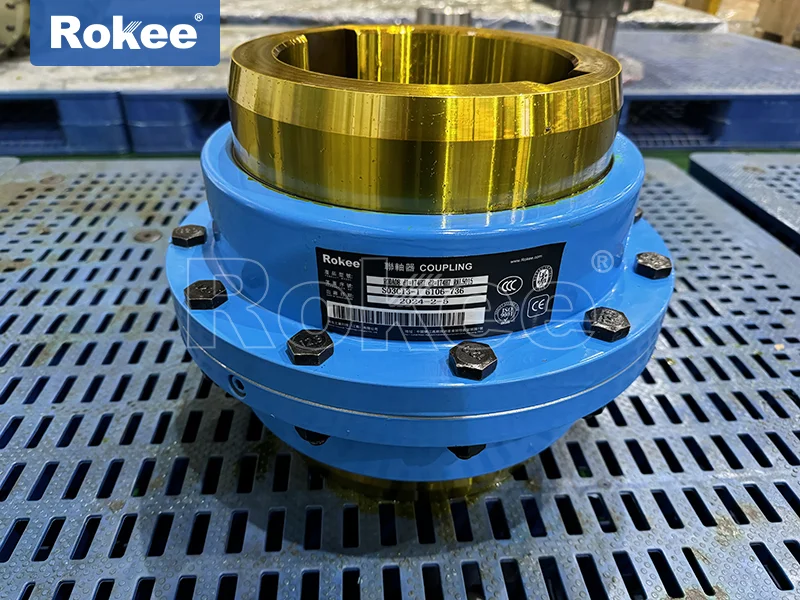
Teeth couplings serve as indispensable core transmission components in modern conveyor equipment systems, undertaking the critical task of stably transmitting torque and rotational power between driving and driven shafts. Featuring a unique internal and external gear meshing structure, these couplings stand out among various transmission accessories for their excellent load-bearing capacity, misalignment compensation performance and operational stability, perfectly matching the long-term, high-intensity and continuous working characteristics of conveyor machinery. In bulk material transportation, logistics conveying and industrial production line operation scenarios, conveyor equipment often faces complex operating conditions including shaft displacement, mechanical vibration and variable load impact. Teeth couplings can effectively adapt to radial, axial and angular deviations between connected shafts, reduce transmission friction and mechanical loss, and avoid equipment jitter or shutdown failures caused by rigid transmission limitations.
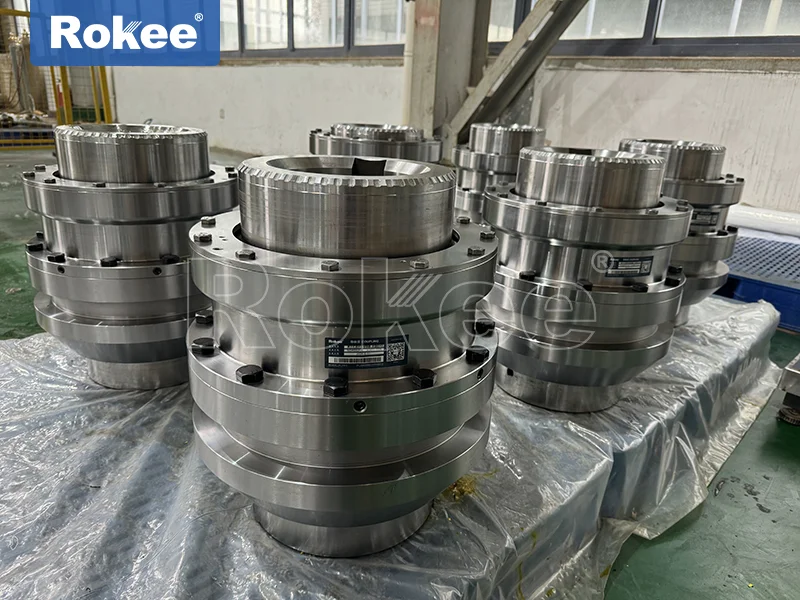
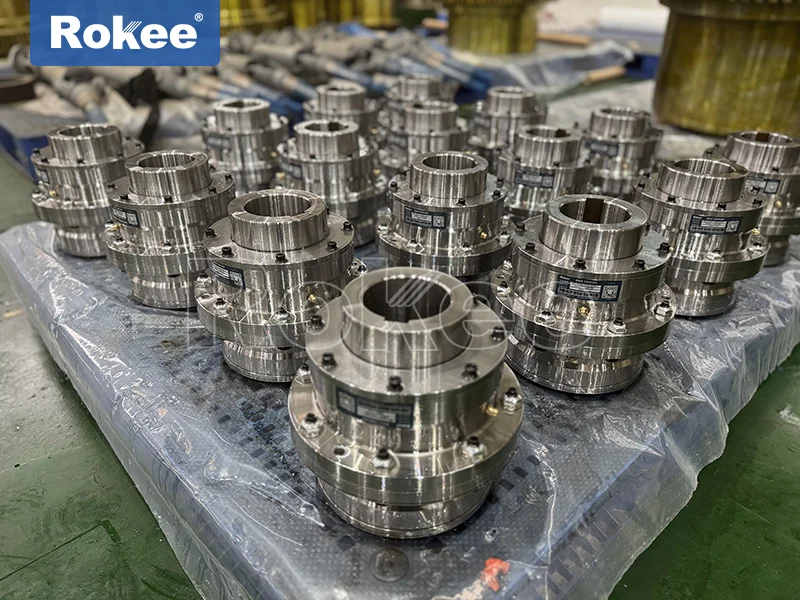
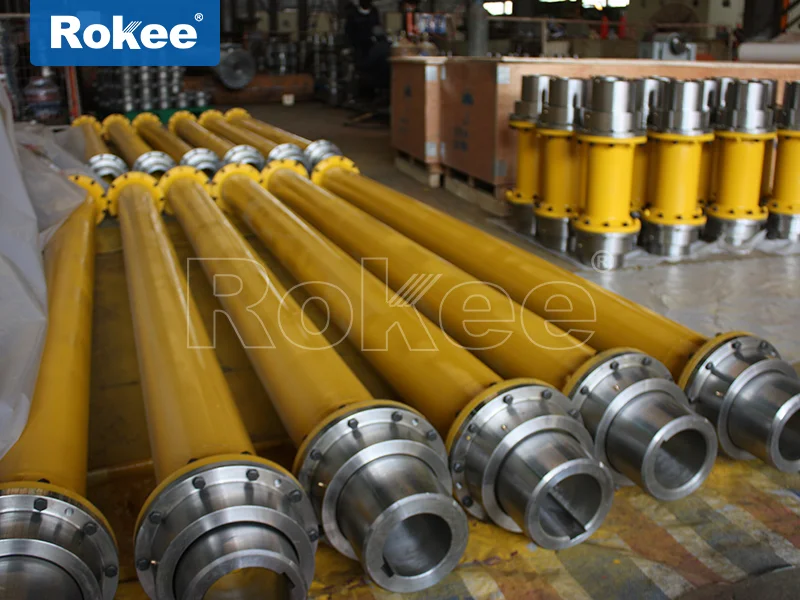
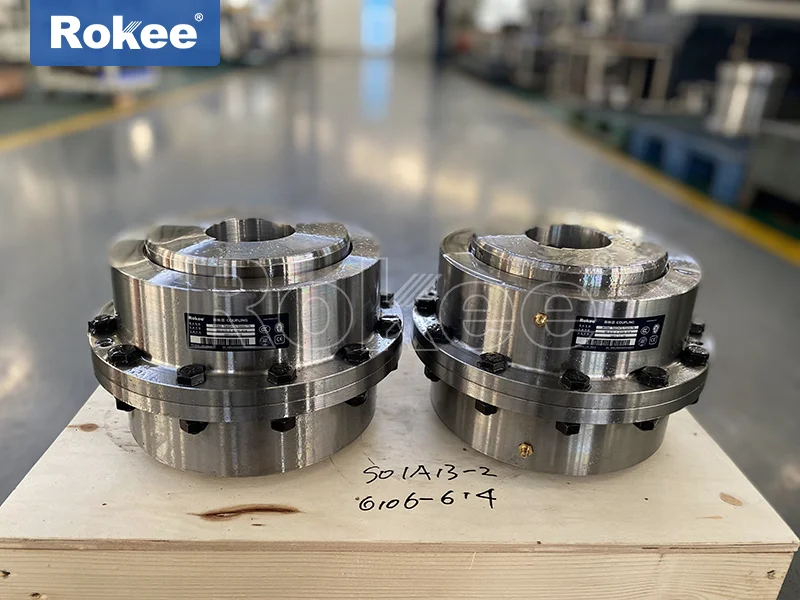
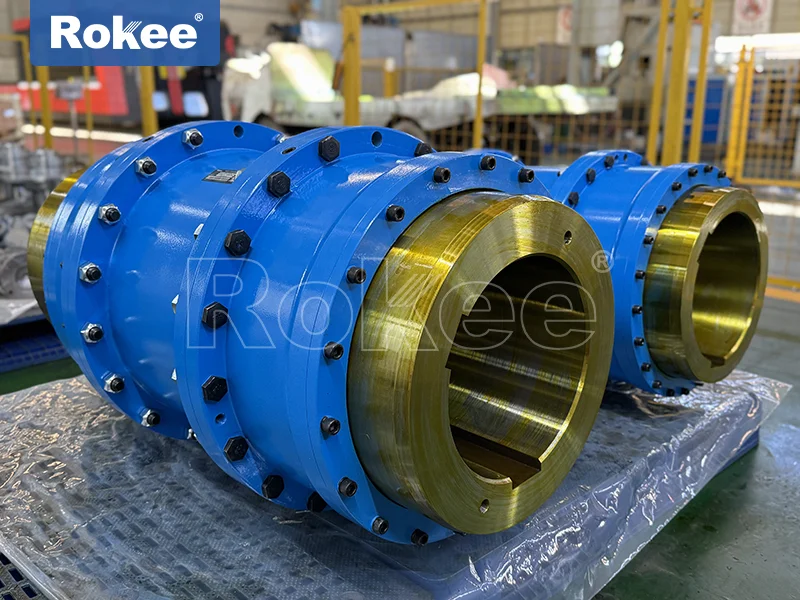
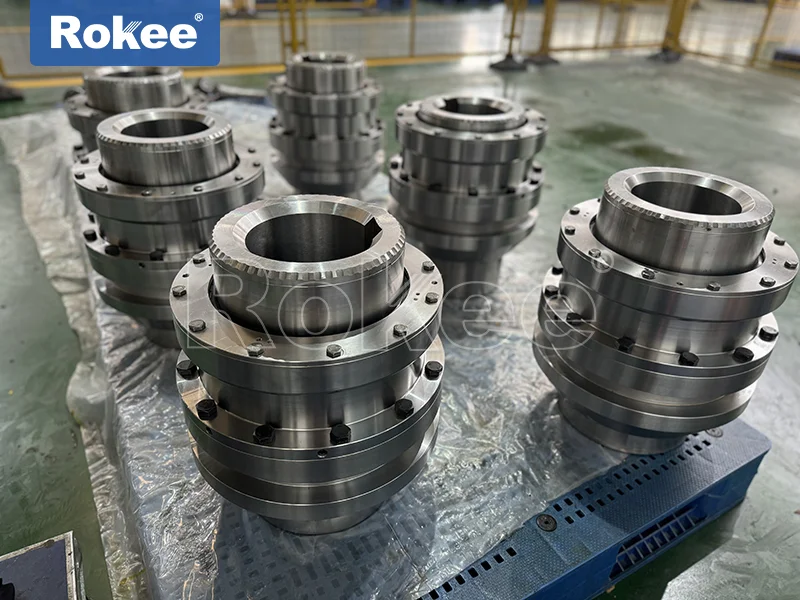
The structural design of teeth couplings for conveyor equipment is highly specialized and optimized for the operational attributes of conveyor machinery, consisting of two core half-coupling bodies with precision-processed internal and external gear teeth and matching sealing and lubrication accessories. Different from ordinary flexible couplings, the tooth profile of conveyor-specific teeth couplings adopts a streamlined and wear-resistant design, with uniform tooth pitch and smooth tooth surface finishing, which ensures tight and stable meshing during high-speed and high-torque operation. The outer half-coupling is equipped with internal gear teeth, while the inner half-coupling is processed with external gear teeth, and the two sets of gear structures are precisely matched to form a closed meshing transmission unit. The overall structure is compact and does not occupy excessive installation space, which is very suitable for the limited assembly space of conveyor rollers, driving motors and reduction gearboxes. In addition, the coupling is equipped with a complete sealing cover structure, which forms an independent closed lubrication cavity inside the equipment. This structural design can effectively lock lubricating media, isolate external dust, material debris and humid air in the conveyor operating environment, prevent gear tooth abrasion and corrosion caused by external impurities, and lay a solid structural foundation for long-term stable operation of the coupling in harsh industrial environments.
The working principle of teeth couplings in conveyor equipment is based on positive gear meshing transmission and adaptive displacement compensation, realizing efficient and lossless power transmission for conveyor systems. When the conveyor equipment starts to operate, the driving motor drives the active half-coupling to rotate, and the external gear teeth of the active component mesh tightly with the internal gear teeth of the driven half-coupling. Through the mechanical occlusion force between gear teeth, rotational torque and power are stably transmitted to the driven shaft and conveyor rollers, thereby driving the entire conveyor line to run continuously. Unlike friction-type couplings that rely on surface friction for power transmission, teeth couplings adopt rigid meshing transmission, which completely avoids power slippage during conveyor startup, load adjustment and heavy-load operation, ensuring consistent transmission efficiency. During the long-term operation of the conveyor, factors such as equipment vibration, foundation settlement and component wear will cause slight misalignment between the driving shaft and the driven shaft. The tiny matching gaps between the tooth profiles of teeth couplings allow relative axial sliding and radial deflection of gear teeth during operation, which can automatically compensate for various comprehensive shaft deviations. This adaptive adjustment function eliminates additional bending stress and shear stress on the shaft body, effectively reducing the vibration and noise of the conveyor transmission system and maintaining the smooth operation of the equipment under variable load conditions.
Teeth couplings possess unique performance advantages that make them the preferred transmission accessory for medium and heavy-duty conveyor equipment, far exceeding traditional rigid couplings and common flexible couplings in comprehensive applicability. First of all, they have ultra-high torque transmission capacity. The multi-tooth meshing structure enables the load to be evenly distributed on each gear tooth, avoiding local stress concentration, and can stably bear the heavy-load impact generated by bulk material transportation and frequent startup and stop of conveyors, with strong overload resistance. Secondly, the excellent misalignment compensation performance greatly reduces the installation and operation difficulty of conveyor equipment. Conveyor lines are usually long in layout, and it is difficult to achieve absolute coaxiality of shafts during installation. Teeth couplings can adapt to multiple types of shaft displacement errors, reducing the assembly precision requirements of the equipment and lowering the failure rate caused by installation deviations. In addition, the transmission efficiency of teeth couplings is extremely high. The smooth precision tooth surface minimizes meshing friction resistance, ensuring that almost all motor power is converted into conveyor operating power, avoiding energy waste and improving the overall operating efficiency of the production line. Moreover, the integrated structural design features high rigidity and good fatigue resistance, which can adapt to long-term continuous cyclic operation of conveyors and extend the service life of the entire transmission system.
Teeth couplings are widely applied in various types of conveyor equipment, covering almost all industrial scenarios that require continuous material conveying and stable power transmission. In mining and metallurgical industries, they are applied to heavy-duty belt conveyors responsible for transporting ores, coal and metal raw materials, adapting to high-load, dusty and high-vibration harsh working environments, and ensuring stable operation of long-distance and large-capacity conveying lines. In building materials and chemical industries, teeth couplings match the operation requirements of screw conveyors and roller conveyors, solving the problem of unstable power transmission caused by frequent material load changes, and avoiding equipment shutdown caused by transmission failure. In logistics port and warehouse industries, they are installed on automated roller conveyor lines and sorting conveyor equipment, adapting to frequent startup, speed regulation and forward and reverse rotation working conditions, ensuring the accuracy and stability of material sorting and transportation. In food, pharmaceutical and light industrial production lines, sealed teeth couplings are used to meet clean operating requirements, preventing lubricant leakage from polluting materials and isolating external fine dust. Whether it is high-speed light-load precision conveying equipment or low-speed heavy-load industrial conveying machinery, teeth couplings can adjust their working state adaptively and provide reliable transmission guarantee for conveyor equipment of different specifications and working modes.
Daily maintenance and scientific management are key to maintaining the long-term stable performance of teeth couplings in conveyor equipment, and standardized maintenance procedures can effectively extend the service life of components and reduce equipment operating costs. Lubrication management is the core of coupling maintenance. The closed lubrication cavity of teeth couplings needs to be filled with high-performance lubricating grease suitable for industrial transmission. With the extension of operating time, the lubricant will gradually age, oxidize and mix with tiny metal wear debris, which will reduce the lubricating effect and accelerate tooth surface wear. It is necessary to regularly check the lubricant state inside the coupling, replenish lubricant in time according to the equipment operating cycle, and completely replace the aging and deteriorated lubricant regularly. Sealing performance inspection is also essential. The sealing ring and protective cover of the coupling are vulnerable to aging and deformation under long-term vibration and temperature changes, which will lead to lubricant leakage and dust ingress. Staff need to regularly check the tightness of the sealing structure and replace damaged sealing accessories in a timely manner. In addition, daily operation should monitor the operating temperature and vibration amplitude of the coupling. Abnormal temperature rise and excessive vibration often indicate meshing abrasion or shaft misalignment problems. Regular disassembly and inspection of gear tooth surface wear, tooth profile deformation and bolt fastening state can eliminate potential faults in advance and ensure the continuous and efficient operation of conveyor equipment.
Effective fault prevention and rapid troubleshooting mechanisms are crucial to avoid sudden shutdowns of conveyor equipment caused by teeth coupling failures, ensuring the continuity of industrial production. The common faults of teeth couplings in conveyor operation mainly include gear tooth wear, meshing noise, lubricant leakage and transmission jitter. Excessive gear tooth wear is mostly caused by long-term lack of lubrication, excessive load operation or entry of abrasive impurities, which will lead to reduced transmission precision and increased equipment vibration. To prevent this fault, it is necessary to strictly implement regular lubrication replacement and sealing inspection systems, and avoid long-term overload operation of conveyor equipment. Abnormal meshing noise is usually caused by shaft misalignment exceeding the compensation range, loose fastening bolts or local tooth profile deformation. Daily inspection should focus on checking the coaxiality of the connecting shaft and the fastening state of coupling components, and adjust the shaft position in time to ensure accurate meshing of gear teeth. Lubricant leakage faults are mainly attributed to aging and damage of sealing components, which need regular detection and replacement. Transmission jitter and power instability are mostly caused by uneven gear tooth wear or accumulated internal dirt, which can be solved by regular cleaning and maintenance. By establishing a regular fault inspection ledger, summarizing fault occurrence rules, and formulating targeted prevention and maintenance plans, enterprises can effectively reduce the failure rate of teeth couplings and ensure the stable and uninterrupted operation of conveyor production lines.
With the continuous upgrading of industrial intelligent conveying systems, the technical optimization and performance iteration of teeth couplings for conveyor equipment are also advancing steadily, adapting to the higher operating requirements of modern conveyor machinery. Traditional teeth couplings are gradually optimized in terms of material technology and structural design. New high-strength wear-resistant alloy materials are applied to coupling manufacturing, which effectively improves the hardness, wear resistance and corrosion resistance of gear teeth, and enhances the adaptability of couplings to harsh working environments such as high humidity, high dust and corrosive gas. In terms of structural optimization, the tooth profile design is further refined, and the meshing gap is precisely calibrated to improve the misalignment compensation accuracy and transmission stability, while reducing meshing friction and operating noise. In addition, combined with the development trend of intelligent equipment, some optimized teeth coupling structures are compatible with equipment state monitoring systems, which can realize real-time perception of operating temperature, vibration and wear state, helping staff realize predictive maintenance. In the future, teeth couplings will develop towards higher precision, longer service life, lower energy consumption and intelligent monitoring, continuously adapting to the large-scale, high-speed and intelligent development of conveyor equipment, and providing more reliable core transmission support for modern industrial intelligent conveying systems.