Influence And Countermeasures Of Teeth Coupling Faults On PU Sandwich Panel Line
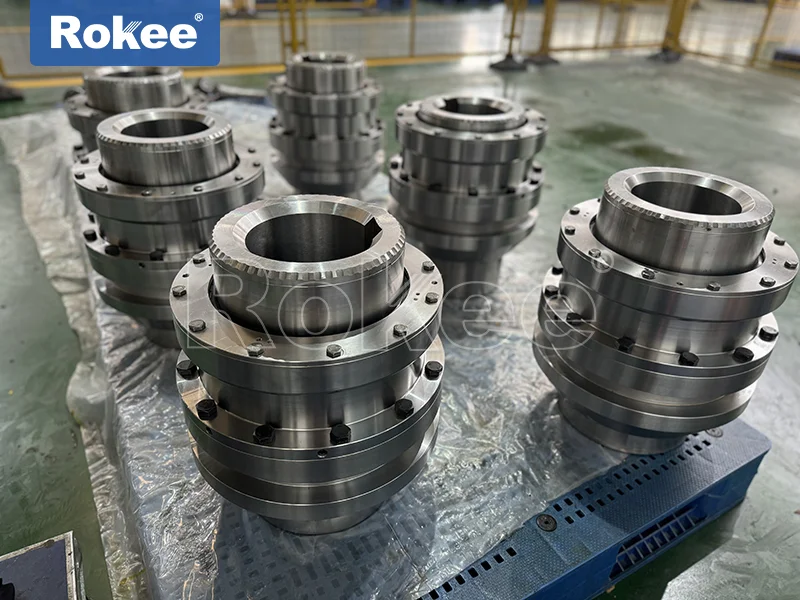
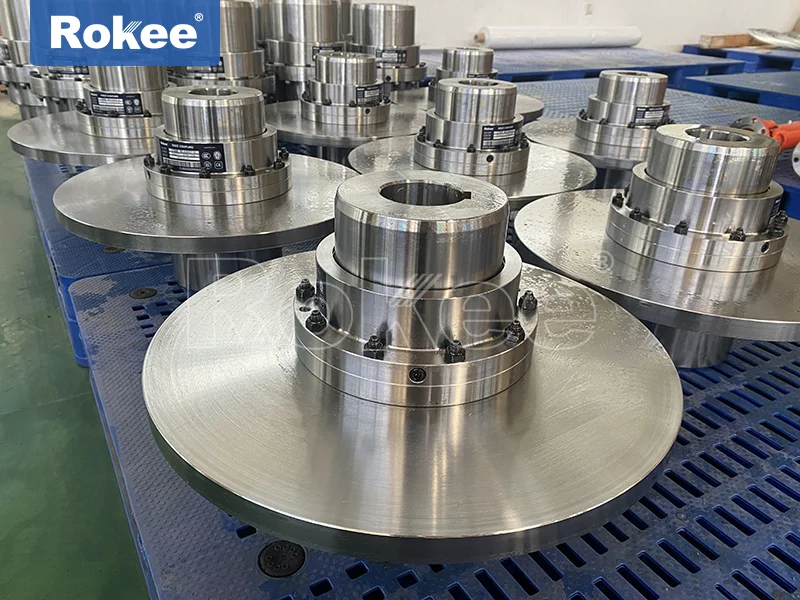
PU sandwich panel production lines are continuous and integrated industrial production systems that rely heavily on stable mechanical transmission to complete core processes including material unwinding, rolling, foaming, curing and finished product cutting. As a key connecting and transmission component in the line, teeth couplings undertake the task of transmitting torque between driving motors, reduction gears and production rollers, compensating for minor axial, radial and angular deviations of rotating shafts, and buffering instantaneous torsional vibration generated during equipment operation. The operational stability of teeth couplings is closely linked to the overall operating efficiency, product processing accuracy and operational safety of the PU sandwich panel production line. In long-term high-load continuous operation, teeth couplings are prone to various faults such as tooth surface wear, meshing deviation, fatigue cracking and lubrication failure due to complex working conditions, frequent start-stop operations and sustained torsional load. These subtle faults will not only damage the coupling components themselves but also trigger a series of linkage failures in the transmission system, interfere with the continuous and stable operation of each production link, and cause multiple adverse impacts on panel molding quality and production efficiency. Therefore, analyzing the common fault types of teeth couplings in PU sandwich panel production lines, exploring their specific influencing mechanisms on production operation, and formulating targeted prevention and maintenance countermeasures are of great practical significance for ensuring the stable operation of production lines, reducing equipment failure rates and improving product qualification rates.
In the actual operation of PU sandwich panel line, teeth couplings mainly suffer from several typical fault types, most of which stem from the superposition of improper installation, abnormal load, poor lubrication and long-term fatigue operation. Tooth surface wear is the most prevalent fault form. The production line needs to maintain high-speed and continuous operation for a long time, and the internal and external teeth of the coupling keep meshing and rotating to transmit torque. Tiny friction and extrusion occur on the tooth surface during each meshing cycle. With the accumulation of operating time, gradual abrasive wear appears on the tooth profile surface, accompanied by scratch damage and local gluing phenomenon. In severe cases, the tooth thickness is significantly reduced and the meshing gap increases, which destroys the original precise meshing state. Another common fault is shaft misalignment deviation, which is mainly caused by inaccurate positioning during installation, loose fixing bolts or slight deformation of the frame after long-term equipment vibration. This fault leads to inconsistent rotation centers of the driving and driven shafts of the coupling, resulting in angular and radial offset during meshing. The offset state will generate additional eccentric load on the tooth surface, making individual teeth bear excessive instantaneous torque and accelerating local fatigue damage. Fatigue cracking and tooth fracture are severe derivative faults developed on the basis of long-term wear and misalignment. The PU sandwich panel production line will generate instantaneous torsional shock during start-up, shutdown and load fluctuation. Repeated alternating stress acts on the tooth root and tooth surface for a long time, forming micro cracks inside the metal structure. With the continuous expansion of cracks, tooth body fracture or overall failure of the coupling will eventually occur. In addition, lubrication failure is an inducement for most coupling faults. The production site of PU sandwich panels has a certain amount of dust and tiny foam debris, which may invade the coupling interior through the sealing gap, pollute the lubricating medium, and cause lubrication failure such as grease deterioration and oil film rupture. Dry friction without effective lubrication will sharply increase tooth surface wear and local temperature, further inducing thermal deformation and meshing failure of coupling components.
Various faults of teeth couplings produce multi-dimensional adverse effects on the operation of PU sandwich panel production lines, covering mechanical transmission stability, production continuity, product processing accuracy and production cost control. First of all, coupling faults directly damage the stability of the equipment transmission system. When tooth surface wear and meshing gap increase, the coupling will produce obvious rotation backlash during torque transmission, resulting in unstable speed of the production rollers. The unwinding speed of raw materials such as color steel plates and the operating speed of the foaming molding platform will fluctuate irregularly. This speed fluctuation will directly interfere with the uniform mixing and foaming reaction of PU materials. The foaming density of the sandwich panel core layer is prone to uneven distribution, and problems such as local hollowing and inconsistent thickness of the panel body occur, reducing the overall molding quality of the product. In the rolling and leveling process of the panel, the unstable operation of the roller caused by coupling vibration will lead to uneven surface flatness of the finished panel, edge warping and size deviation, resulting in unqualified products and increasing the product rejection rate.
Secondly, teeth coupling faults seriously affect the continuity of production and reduce operational efficiency. Slight coupling faults will cause continuous vibration and abnormal noise of the transmission device. If not detected and eliminated in time, the faults will gradually deteriorate, leading to jamming of the transmission mechanism and sudden shutdown of the production line. The PU sandwich panel production process is a continuous assembly line operation featuring one-time foaming and integral curing. Sudden shutdown will interrupt the continuous foaming reaction of raw materials, resulting in a large number of semi-finished product scraps in the production line. Moreover, frequent shutdown and restart will not only consume more power resources but also require repeated debugging of process parameters such as material feeding speed and foaming temperature, which greatly reduces the effective production time and overall output of the production line. In addition, abnormal load caused by coupling misalignment and tooth wear will increase the operating load of driving motors and reduction gears, resulting in increased equipment operating temperature and accelerated aging of supporting bearings and transmission parts. Long-term abnormal operation will trigger linkage faults of other key equipment in the production line, expand the scope of equipment failure, and lead to longer production downtime and more complex maintenance work.
Furthermore, teeth coupling faults will increase the comprehensive operating cost of production and bring potential safety hazards. On the one hand, deteriorated coupling faults require frequent replacement of damaged coupling components, and the linkage damage of motors, bearings and rollers also increases the frequency of equipment maintenance and parts replacement, directly raising the equipment operation and maintenance cost. On the other hand, unplanned shutdown maintenance will disrupt the production schedule, delay product delivery, and cause invisible economic losses to production operations. In terms of operational safety, severe coupling tooth fracture and transmission jamming will generate instantaneous impact force, which may cause local deformation of the transmission frame, loose equipment fixation, and even splash of damaged parts in extreme cases, bringing potential safety risks to on-site operators. At the same time, long-term overload operation of the motor caused by transmission failure may lead to circuit overload and equipment heating, increasing the hidden danger of electrical failure of the production line.
To eliminate the adverse impacts of teeth coupling faults on PU sandwich panel line and ensure long-term stable and efficient operation of equipment, it is necessary to formulate systematic and targeted countermeasures from the aspects of installation standardization, daily maintenance, fault monitoring and equipment optimization, so as to realize early prevention, timely detection and rapid elimination of coupling faults. Standardizing the installation and debugging process of teeth couplings is the fundamental premise to reduce initial faults. During equipment assembly and coupling replacement, precise shaft alignment must be carried out with professional tools to strictly control the axial, radial and angular deviation of the driving and driven shafts, eliminating transmission deviation caused by installation errors. The fastening operation of fixing bolts and key connections should be standardized to avoid loose connection gaps. After installation, no-load and load test operation should be carried out to check the meshing state of the coupling, ensure smooth rotation without abnormal vibration and noise, and confirm that the torque transmission is uniform and stable, so as to avoid inherent hidden dangers of faults caused by non-standard installation.
Strengthening daily standardized maintenance and lubrication management is the key to delaying coupling aging and reducing wear faults. Formulate a regular maintenance system for teeth couplings according to the operating intensity of the production line, and carry out regular inspection and maintenance work. In daily inspection, focus on checking the tooth surface meshing state, observe whether there are scratches, wear, deformation and glue sticking on the tooth surface, and check the tightness of the sealing structure to prevent dust and debris from invading the interior. Regularly check the lubrication state of the coupling, replace deteriorated and contaminated lubricating grease in a timely manner, and fill high-quality special lubricants according to the specified dosage and cycle to ensure that a complete lubricating oil film is formed on the meshing tooth surface, reducing dry friction and wear. For the production line with long-term continuous operation, the maintenance cycle should be appropriately shortened, and the aging and worn coupling components should be replaced regularly according to the operation loss law, so as to avoid minor faults evolving into severe failure due to long-term accumulation.
Establishing a real-time fault monitoring and early warning mechanism can realize the rapid identification and timely disposal of potential coupling faults. On the basis of daily manual inspection, combine vibration detection and temperature monitoring means to track the operating state of the coupling transmission part in real time. Abnormal vibration amplitude and local overheating are typical early characteristic signals of coupling wear, misalignment and lubrication failure. By monitoring the operating vibration data and temperature change of the coupling, abnormal state changes can be captured in a timely manner, and early warning prompts can be issued before obvious faults occur. After finding abnormal data, stop the machine in time for detailed inspection and root cause analysis, take targeted adjustment and maintenance measures, and verify the repair effect to ensure that the equipment returns to a normal operating state, avoiding the expansion of faults and causing greater production losses.
Optimizing equipment operation management and improving the working environment can effectively reduce the fault induction probability of teeth couplings. In the daily production operation, standardize the equipment start-stop and load adjustment operations, avoid frequent instantaneous start-stop and sudden load increase and decrease, reduce the instantaneous torsional shock and alternating load borne by the coupling, and alleviate metal fatigue damage of tooth parts. Strengthen the on-site environmental management of the production line, regularly clean the dust and foam debris in the equipment operation area, keep the transmission part clean, reduce the risk of lubricant pollution and sealing failure, and create a good operating environment for the coupling. In view of the frequent coupling faults in some high-load operation links, appropriately optimize the transmission structure configuration, improve the torsional rigidity and wear resistance of the transmission system, and enhance the adaptability of the coupling to complex working conditions. At the same time, strengthen the professional training of on-site operation and maintenance personnel, improve their ability of fault judgment, daily maintenance and standardized operation, ensure that all maintenance and operation work is implemented in place, and fundamentally reduce the human-induced fault rate of teeth couplings.
In conclusion, teeth coupling faults are important hidden dangers affecting the stable operation and product quality of PU sandwich panel production lines. Common faults such as tooth surface wear, shaft misalignment, fatigue cracking and lubrication failure will cause transmission instability, production interruption, product quality defects and increased operating costs, restricting the efficient and stable operation of the production line. Through standardized installation and debugging, scientific daily maintenance and lubrication, real-time fault monitoring and early warning, and standardized equipment operation management, the occurrence rate of teeth coupling faults can be effectively reduced, the service life of coupling components can be prolonged, the continuous and stable operation of the PU sandwich panel production line can be guaranteed, the product qualification rate and production efficiency can be improved, and a solid foundation can be laid for the sustainable and efficient operation of production activities. In the future production and maintenance work, the fault monitoring data should be continuously summarized and analyzed, the maintenance strategy should be dynamically optimized according to the actual operating conditions of the equipment, and the fault prevention and control system should be further improved, so as to realize the refined management of equipment transmission system and maximize the production benefit of the PU sandwich panel production line.