High Torque Curved Tooth Coupling
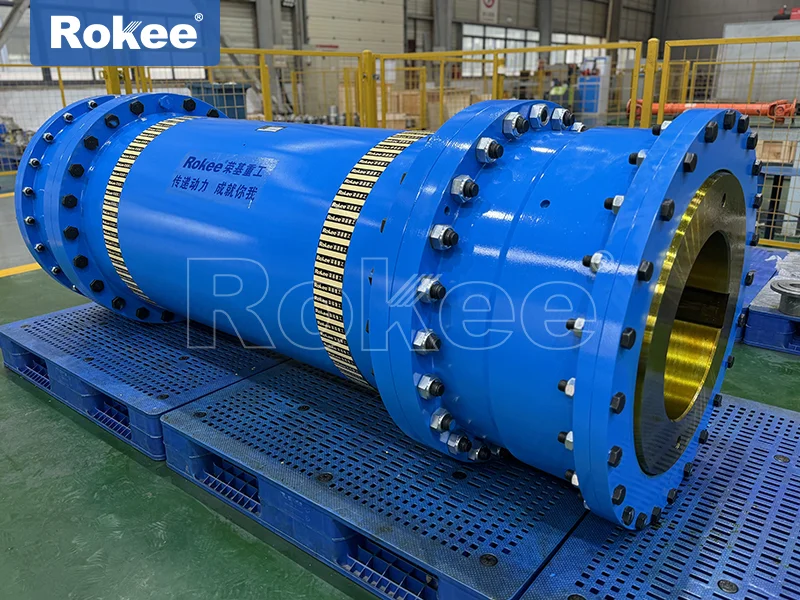
In the complex ecosystem of industrial power transmission, the ability to transfer high torque reliably while accommodating shaft misalignment is a critical requirement for heavy-duty machinery across sectors such as metallurgy, mining, energy, and heavy manufacturing. Among the various coupling technologies designed to meet this demand, the high torque curved tooth coupling stands out as a robust, efficient, and versatile solution. Unlike its straight-tooth counterpart, this coupling features a specialized tooth profile that addresses key limitations related to stress concentration, misalignment capacity, and wear resistance, making it the preferred choice for applications where performance under extreme loads and dynamic conditions is non-negotiable.
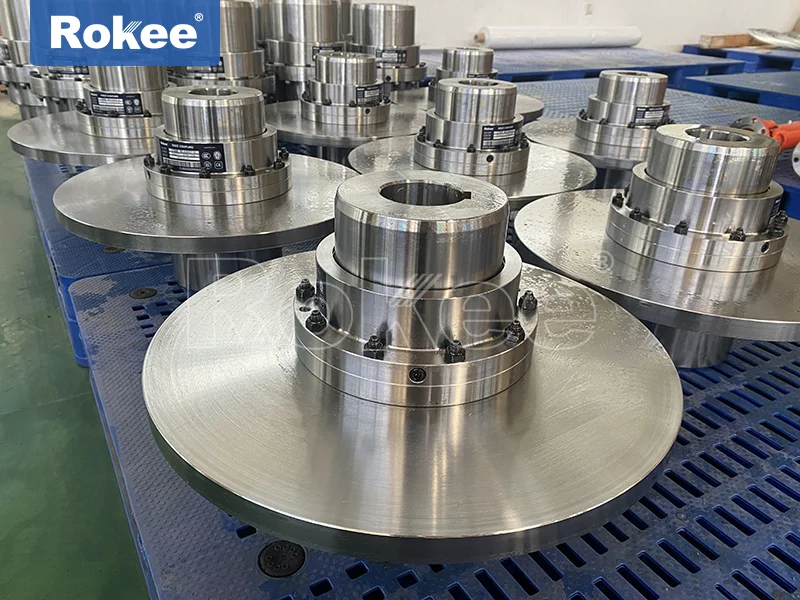
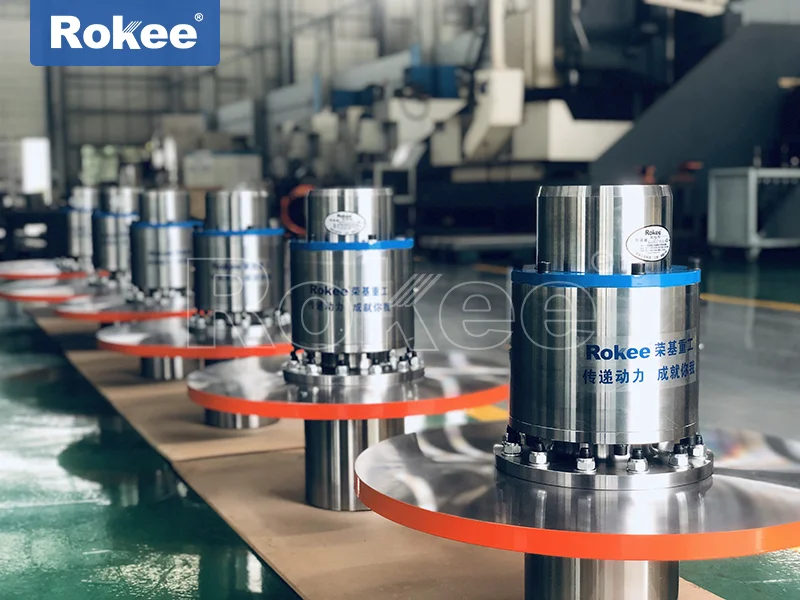
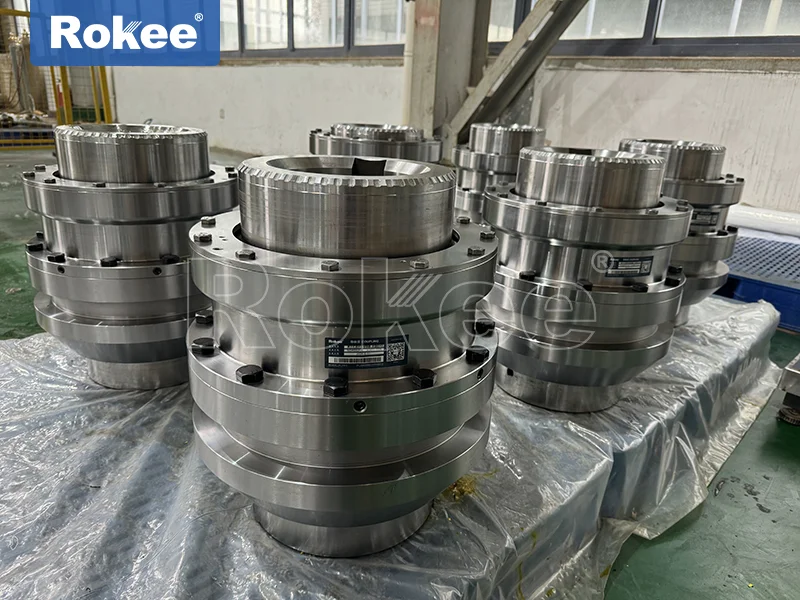
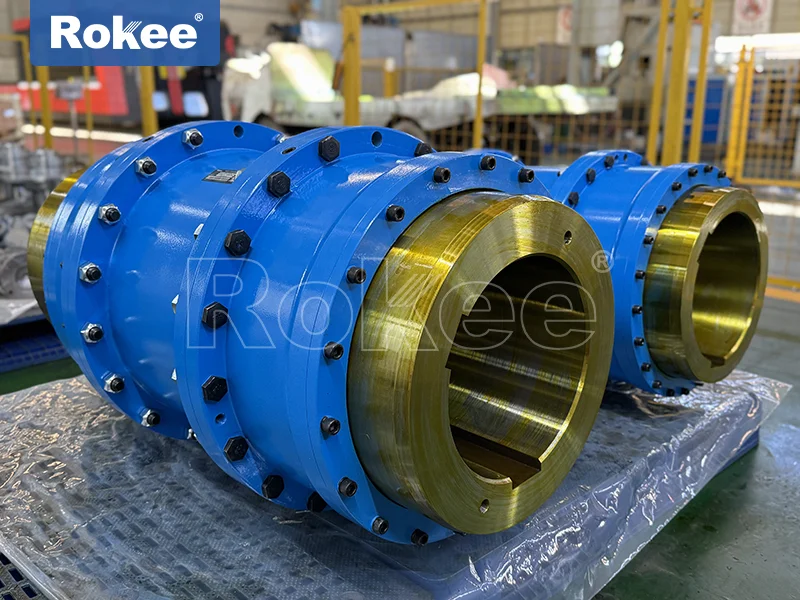
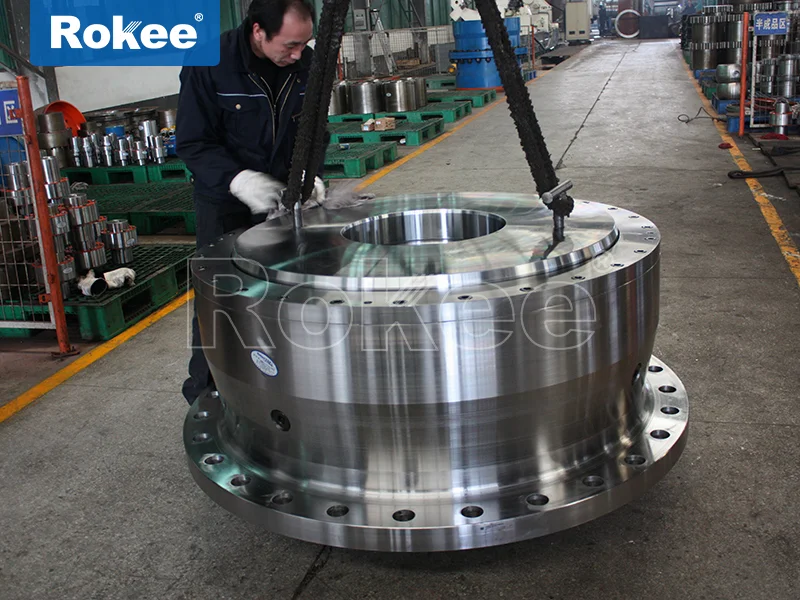
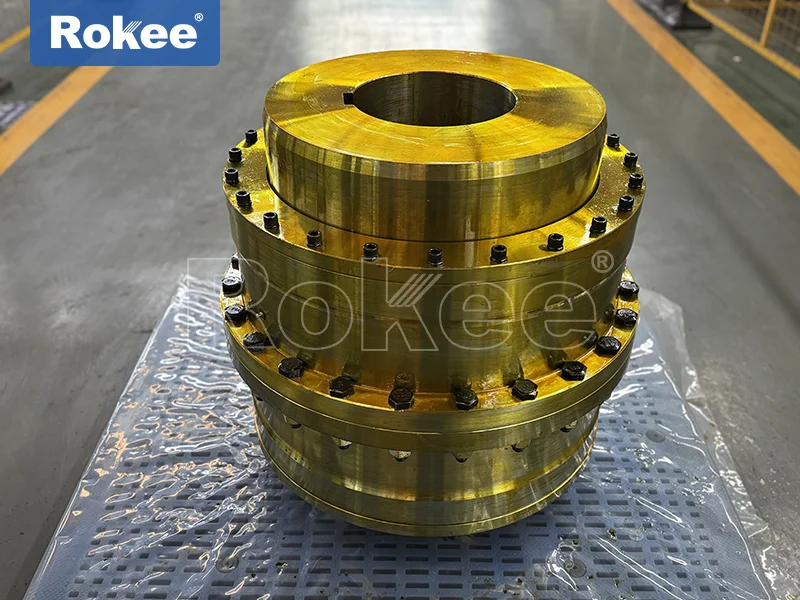
At its core, the high torque curved tooth coupling is a type of flexible gear coupling that relies on positive meshing between internal and external gear teeth to transmit rotational power from one shaft to another. Its structural design is engineered to balance torsional rigidity with misalignment flexibility, a combination that defines its suitability for high-torque environments. The fundamental components include two external gear sleeves (also referred to as hubs), an internal gear sleeve (or outer race), a lubrication system, and a sealing assembly. Each external gear sleeve is mounted on the end of a shaft—typically the driving and driven shafts—via keyways, splines, or clamp connections, ensuring a secure, torque-resistant fit. The external teeth of these sleeves are precision-machined into a convex, barrel-like (drum) shape, with the center of curvature aligned along the coupling’s central axis. This spherical geometry is the defining feature that differentiates it from straight-tooth couplings, as it enables the teeth to maintain consistent contact even when shafts are misaligned.
The internal gear sleeve, which encases the two external hubs, features matching concave teeth that mesh with the external gear sleeves. The tooth width of the internal sleeve varies depending on the coupling’s design and intended application, with wider teeth offering enhanced load distribution for extreme torque scenarios and narrower teeth optimizing compactness for space-constrained systems. A critical structural detail is the slightly increased tooth clearance compared to straight-tooth couplings, which accommodates the greater angular and axial movement allowed by the curved profile while preventing binding during operation. The lubrication system, consisting of grease fittings, internal lubrication channels, and reservoirs, ensures a continuous film of lubricant between meshing teeth, reducing friction, wear, and heat generation—factors that directly impact service life and efficiency. Complementing this, the sealing assembly, typically composed of oil-resistant rubber gaskets, labyrinth seals, or metal face seals, prevents lubricant leakage and blocks the ingress of contaminants such as dust, dirt, and moisture, which can accelerate tooth wear and compromise performance in harsh industrial settings.
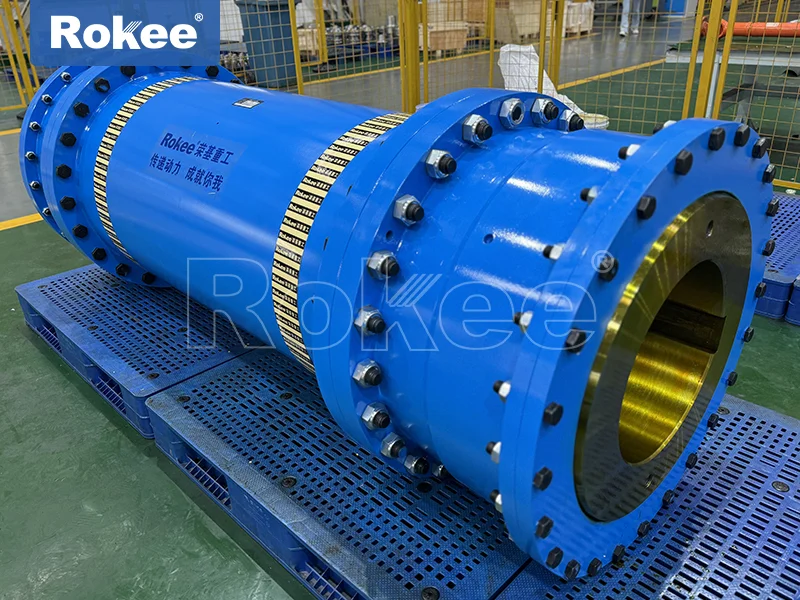
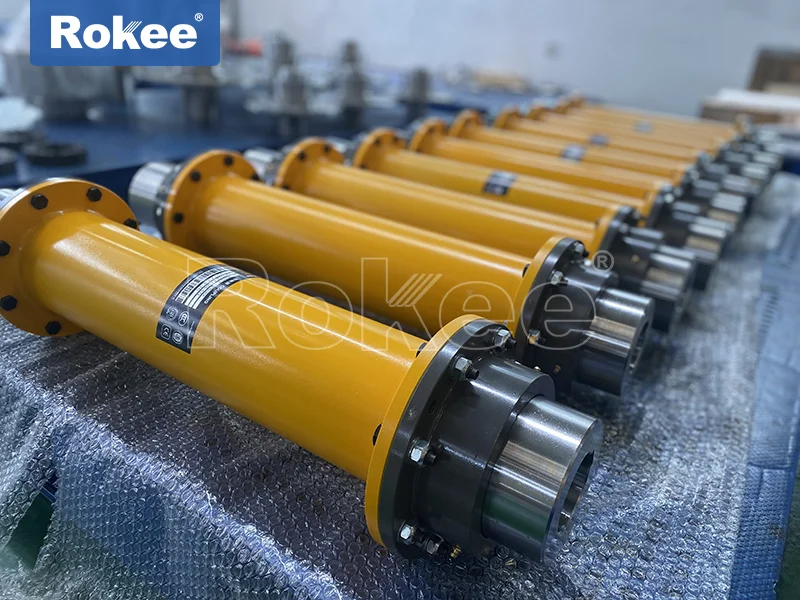
In some configurations, additional structural elements are integrated to meet specific application needs. For instance, intermediate connecting pipes may be added to bridge longer distances between shafts, expanding the coupling’s versatility for large machinery layouts. Brake discs or brake wheels can be attached to the coupling body to enable integrated braking functionality, a requirement in systems where rapid deceleration or hold-to-position capabilities are essential. Split-type designs are also available, featuring a two-piece internal gear sleeve that simplifies installation and maintenance in situations where disassembly of adjacent machinery is impractical. For applications requiring torque protection, adjustable torque-limiting mechanisms can be incorporated, allowing the coupling to slip or disengage when torque exceeds a predefined threshold, safeguarding critical components from overload damage. Collectively, these structural adaptations ensure that high torque curved tooth couplings can be tailored to the unique demands of diverse industrial environments.
The performance characteristics of high torque curved tooth couplings are a direct result of their specialized structural design, and they outperform straight-tooth couplings in several key metrics that are critical for heavy-duty operation. One of the most significant advantages is their enhanced load-bearing capacity: in couplings of the same external diameter and tooth dimensions, curved tooth designs typically offer a 15% to 20% higher torque transmission capability compared to straight-tooth alternatives. This improvement stems from the optimized contact pattern of the curved teeth, which distributes the applied torque evenly across the entire tooth flank rather than concentrating it at the tooth ends. This uniform load distribution not only increases torque capacity but also reduces the risk of tooth fatigue and failure under cyclic loading conditions.
Another pivotal performance feature is their superior misalignment compensation capability. Industrial machinery often experiences shaft misalignment due to factors such as thermal expansion, foundation settlement, manufacturing tolerances, and dynamic loads. Straight-tooth couplings are limited in their ability to accommodate such misalignment, with a typical maximum angular displacement of 1 degree when radial displacement is zero. In contrast, high torque curved tooth couplings can handle angular displacements of up to 1.5 degrees (1 degree 30 minutes)—a 50% increase—under the same conditions. They also effectively compensate for axial displacement (the axial movement of shafts toward or away from each other) and parallel displacement (lateral offset between shaft axes), with axial compensation ranging from several millimeters to over a centimeter depending on the model. The curved tooth profile eliminates the edge pressure and stress concentration that occur in straight-tooth couplings when misaligned, significantly reducing wear on the tooth flanks and extending the coupling’s service life.
Efficiency is another key performance attribute of high torque curved tooth couplings. Thanks to the smooth meshing of the curved teeth and effective lubrication, these couplings achieve a transmission efficiency of up to 99.7%. This high efficiency means that minimal power is lost during transmission, making them an energy-efficient choice for applications where operational costs and power consumption are critical considerations. Additionally, their rigid torsional behavior ensures precise torque transmission with minimal backlash, a requirement for systems that demand accurate speed and position control, such as metal rolling mills and precision machinery. Despite their torsional rigidity, the coupling’s design absorbs minor vibrations and dampens shock loads, reducing noise levels and minimizing the transfer of vibrations to adjacent machinery components.
Durability and reliability are further reinforced by the materials and manufacturing processes used in high torque curved tooth couplings. The gear components are typically fabricated from high-strength alloy steels, which are heat-treated (e.g., quenched and tempered) to enhance hardness, wear resistance, and fatigue strength. Some advanced designs use a combination of steel and polyamide for the gear teeth, reducing friction and enabling maintenance-free operation in certain applications. Precision machining—including hobbing, shaping, and grinding—ensures tight tolerances and consistent tooth profiles, which are essential for maintaining the coupling’s performance characteristics over time. When properly maintained, high torque curved tooth couplings exhibit a service life that far exceeds that of straight-tooth couplings in comparable operating conditions, making them a cost-effective long-term investment for industrial operators.
High torque curved tooth couplings are classified into several primary types based on their structural configuration, functional features, and application requirements, each designed to address specific operational needs in heavy-duty environments. The most common classification is based on the number of curved tooth sets, which includes single-curved and double-curved (dual-crowned) couplings. Single-curved couplings feature a single set of curved teeth on each external hub, making them suitable for light to medium-heavy applications with moderate torque requirements and limited misalignment. They are compact, easy to install, and cost-effective, making them a popular choice for general industrial machinery such as pumps, compressors, and conveyors.
Double-curved couplings, by contrast, incorporate two sets of curved teeth on each hub, creating dual contact points between the internal and external gears. This design doubles the load-bearing surface area, enabling them to transmit significantly higher torques and accommodate greater misalignment compared to single-curved models. As a result, they are the preferred choice for extreme heavy-duty applications such as metallurgical rolling mills, mining crushers, and marine propulsion systems, where maximum torque capacity and misalignment flexibility are critical.
Another key classification is based on structural variations, including basic (standard) type, intermediate pipe type, split type, brake-equipped type, and torque-limiting type. Basic type couplings are the simplest configuration, consisting of two external hubs and a single internal sleeve, and are ideal for standard high-torque applications where no additional features are required. Intermediate pipe type couplings integrate a central pipe between two coupling sections, allowing them to connect shafts that are spaced further apart, a common requirement in large industrial equipment such as steam turbines and gas turbines. Split type couplings feature a two-piece internal sleeve that can be assembled around the external hubs without removing the shafts or adjacent machinery, drastically reducing maintenance time and costs in inaccessible locations.
Brake-equipped couplings are designed with integrated brake discs or brake wheels, enabling them to work in conjunction with disc brakes or drum brakes for applications that require precise braking or holding torque, such as cranes, hoists, and material handling equipment. Torque-limiting couplings incorporate an adjustable mechanism that limits the maximum torque transmitted, protecting the coupling and connected machinery from overload damage caused by jams, sudden load spikes, or motor malfunctions. This type is particularly valuable in systems where downtime and component replacement costs are high, such as automated production lines and power generation equipment.
Additionally, high torque curved tooth couplings can be categorized based on their lubrication requirements: lubricated and maintenance-free designs. Lubricated couplings rely on regular application of grease or oil to maintain optimal performance and prevent wear, making them suitable for high-temperature and extreme-load applications where lubricant degradation is a concern. Maintenance-free couplings, on the other hand, use self-lubricating materials (e.g., polyamide teeth) or sealed, lubricated-for-life designs, eliminating the need for regular lubrication and reducing operational maintenance requirements. These are ideal for applications where access for maintenance is limited or where continuous operation is essential, such as wind turbines and remote industrial facilities.
The versatility of high torque curved tooth couplings is reflected in their extensive range of industrial applications, where they are trusted to deliver reliable performance under some of the most demanding operating conditions. One of the largest application sectors is metallurgy, where these couplings are integral to the operation of hot and cold rolling mills, continuous casting machines, straightening presses, and rotary furnaces. In rolling mills, for example, they connect the main drive motors to the roll stands, transmitting massive torques while accommodating the misalignment caused by the heavy loads and thermal expansion of the rolls during operation. Their ability to maintain precise torque transmission with minimal backlash ensures consistent metal thickness and quality, critical for the production of steel sheets, bars, and profiles.
Mining and material processing are another major application area, where high torque curved tooth couplings are used in crushers, ball mills, sag mills, conveyors, and screening equipment. These applications involve extreme shock loads, high torque, and significant misalignment due to the rugged nature of the machinery and uneven terrain of mining sites. The coupling’s robust construction and superior misalignment compensation protect the drive systems from damage caused by these harsh conditions, ensuring continuous operation and minimizing downtime— a critical factor in the mining industry, where production interruptions can result in substantial financial losses.
In the energy sector, high torque curved tooth couplings play a vital role in power generation equipment, including steam turbines, gas turbines, hydroelectric generators, and wind turbines. In thermal power plants, they connect turbines to generators, transmitting high torques at high rotational speeds while accommodating the slight misalignment caused by thermal expansion of the turbine shafts. In wind turbines, maintenance-free curved tooth couplings are used in the drivetrain, connecting the gearbox to the generator, where their ability to operate reliably in remote, harsh environmental conditions (e.g., high winds, extreme temperatures) is essential for maximizing energy production and reducing maintenance costs.
Heavy manufacturing and material handling equipment also rely heavily on high torque curved tooth couplings. In the construction industry, they are used in concrete mixers, cranes, and excavators, where they transmit torque from the engine to the drivetrain and working components, accommodating the dynamic misalignment caused by the movement of the machinery’s arms and booms. In the pulp and paper industry, they are integrated into large paper machines, where they drive the rollers and conveyors that handle the heavy loads of paper pulp and finished paper products. Their high efficiency and low wear characteristics make them ideal for these continuous-operation applications, where reliability and long service life are paramount.
Marine and offshore applications represent another important use case for high torque curved tooth couplings. They are used in ship propulsion systems, connecting the main engines to the propeller shafts, as well as in auxiliary machinery such as pumps, compressors, and generators on board ships and offshore platforms. The marine environment is particularly challenging, with exposure to saltwater, humidity, and extreme vibrations, but the coupling’s corrosion-resistant materials (e.g., stainless steel components) and robust sealing systems ensure reliable performance in these conditions. Additionally, their ability to accommodate the misalignment caused by the movement of the ship in rough seas makes them essential for maintaining propulsion efficiency and safety.
Petroleum and chemical processing plants also utilize high torque curved tooth couplings in a variety of applications, including pumps, compressors, agitators, and mixers. These applications involve handling corrosive fluids, high temperatures, and high pressures, and the coupling’s ability to operate reliably in harsh chemical environments—when paired with appropriate material selections and sealing systems—makes it a valuable component. In oil refineries, for example, they drive the large compressors that process crude oil into petroleum products, while in chemical plants, they are used in agitators that mix reactive chemicals, where precise torque transmission and low maintenance are critical for safety and operational efficiency.
In conclusion, the high torque curved tooth coupling is a cornerstone of heavy-duty power transmission, combining robust structural design with exceptional performance characteristics to meet the demands of the most challenging industrial applications. Its curved tooth profile, precision engineering, and versatile design enable it to transmit massive torques efficiently, accommodate significant shaft misalignment, and resist wear and damage in harsh operating conditions—advantages that set it apart from straight-tooth couplings and other alternative technologies. From metallurgical rolling mills to wind turbines, from mining crushers to marine propulsion systems, these couplings play an indispensable role in ensuring the reliability, efficiency, and longevity of modern industrial machinery. As industrial technology continues to advance, with increasing demands for higher torque, greater efficiency, and lower maintenance, the high torque curved tooth coupling will remain a vital component in the evolution of heavy-duty power transmission systems, adapting to new challenges and applications while retaining its core strengths of performance and reliability.