Gear Coupling Is Indispensable For Transmission Innovation Of Sandwich Panel Line
In the era of rapid industrial transformation, the construction materials industry is undergoing a profound revolution, with sandwich panels emerging as a core material widely used in construction, transportation, and aerospace fields due to their excellent properties of light weight, high strength, thermal insulation, and soundproofing. The continuous growth in market demand for sandwich panels has driven the continuous innovation and upgrading of sandwich panel production lines, among which the transmission system, as the "heart" of the production line, directly determines the production efficiency, product quality, and operational stability of the entire line. In this process, gear couplings, as a key component in the transmission system, have gradually become an indispensable core element for the transmission innovation of sandwich panel lines, relying on their unique structural advantages and reliable performance to provide strong support for the high-efficiency, high-precision, and stable operation of the production line.
To understand the indispensable role of gear couplings in the transmission innovation of sandwich panel lines, it is first necessary to clarify the operational characteristics and transmission requirements of sandwich panel production lines. A complete sandwich panel production line involves multiple consecutive processes, including raw material unwinding, preheating, foaming, lamination, cutting, and stacking. Each process is closely connected, and the coordination and synchronization between the various equipment directly affect the overall production efficiency and product quality. The transmission system of the sandwich panel line needs to transmit power stably and efficiently between different equipment, such as unwinding machines, preheating devices, foaming machines, laminating conveyors, and cutting machines, while adapting to the differences in speed and torque requirements of different processes. In addition, due to the large volume and heavy weight of some equipment in the production line, the transmission system must have strong load-bearing capacity and impact resistance to cope with the harsh working environment of long-term continuous operation. At the same time, with the development of intelligent manufacturing, the transmission system of sandwich panel lines is also required to have high precision and adjustability to meet the production needs of different specifications and types of sandwich panels, which puts higher requirements on the performance of transmission components.
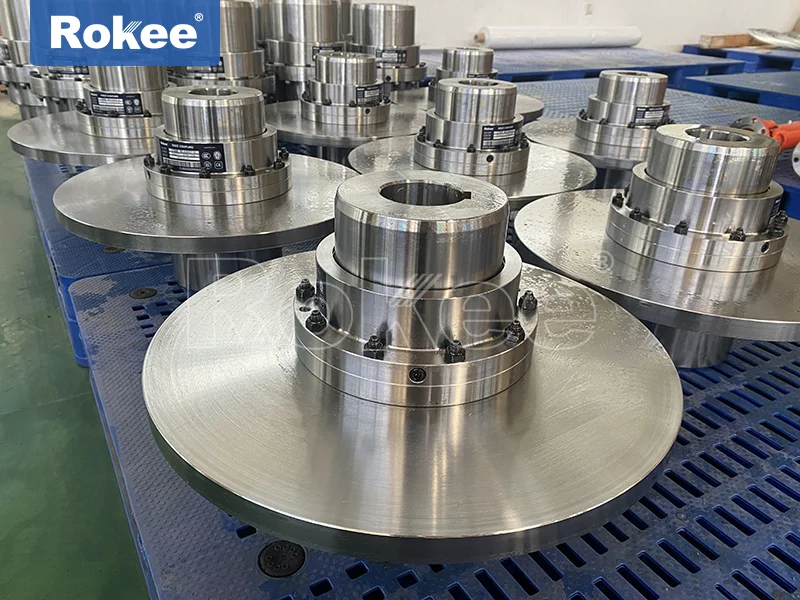
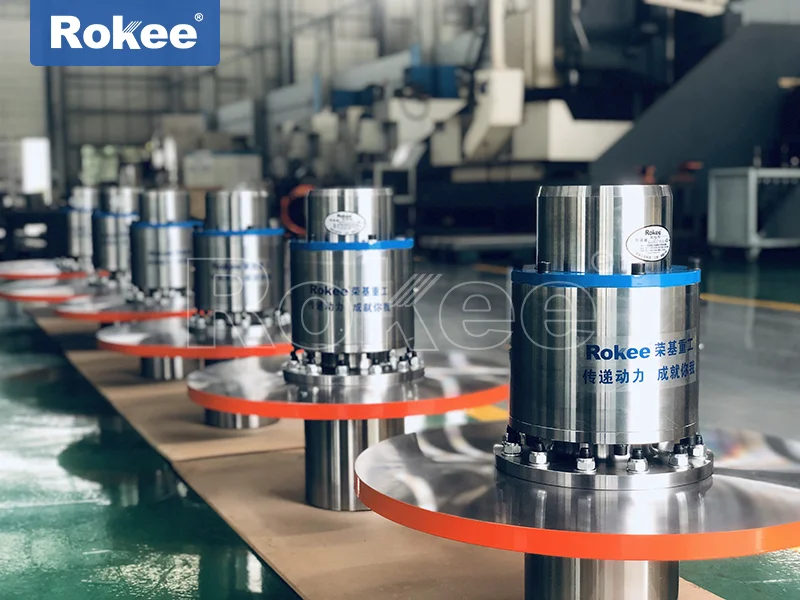
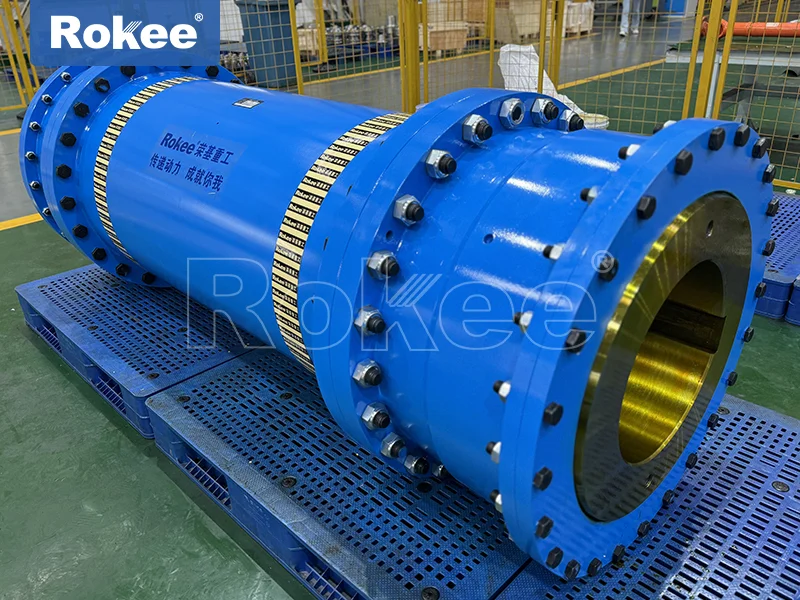
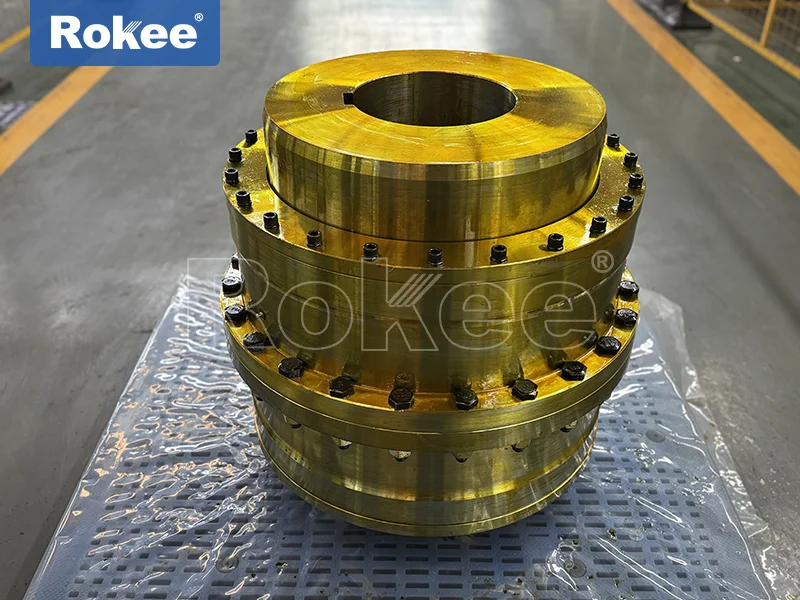
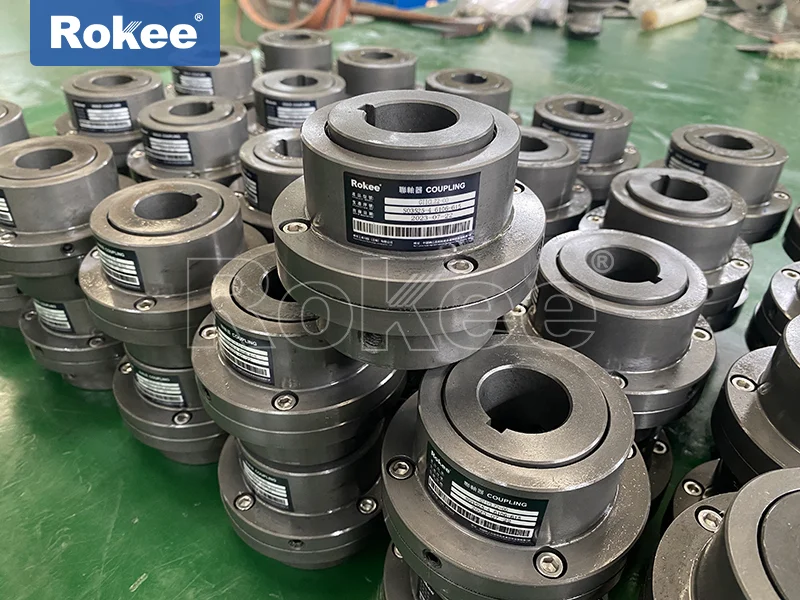
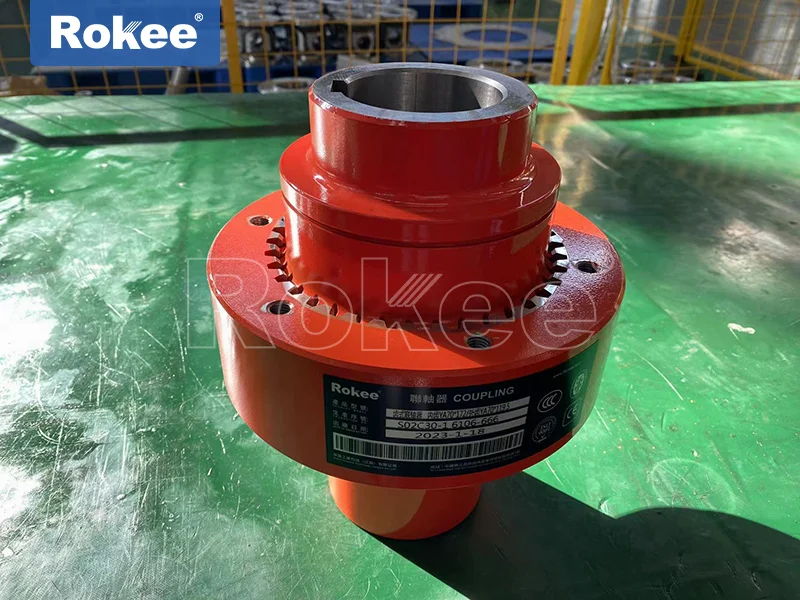
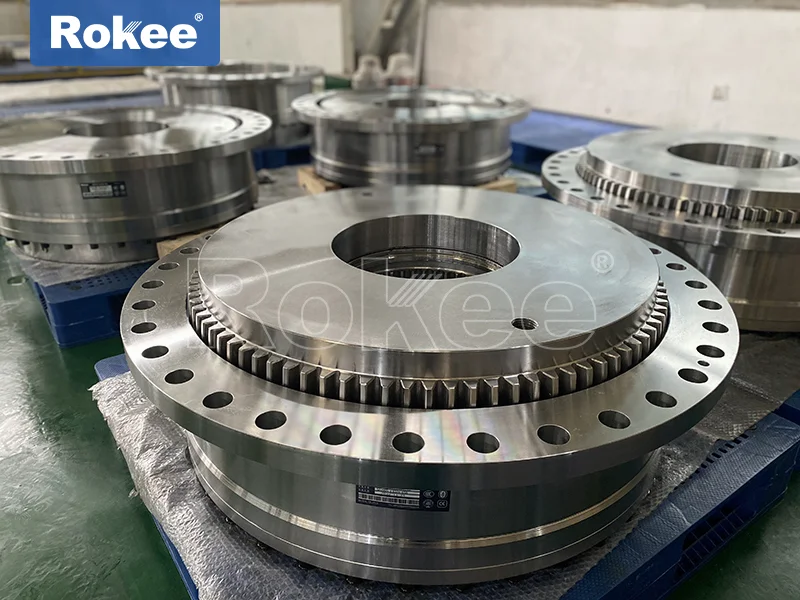
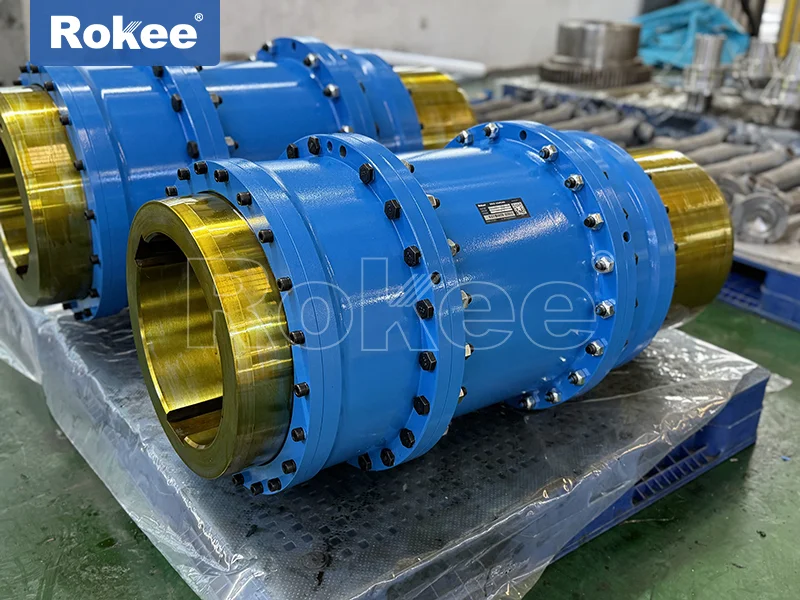
Gear couplings, as a type of mechanical coupling widely used in industrial transmission systems, are designed to connect two shafts to transmit torque while accommodating misalignment between the shafts. Their basic structure consists of two hubs with external gear teeth and a sleeve with internal gear teeth; the hubs are mounted on the connected shafts, and the sleeve meshes with the hubs to realize torque transmission. This simple yet sophisticated structural design gives gear couplings a series of advantages that are highly compatible with the transmission needs of sandwich panel lines, making them an ideal choice for transmission innovation.
The high torque transmission capacity of gear couplings is one of the key factors that make them indispensable for the transmission innovation of sandwich panel lines. Sandwich panel production lines, especially automatic and large-scale production lines, require the transmission system to transmit large amounts of torque efficiently to drive heavy-duty equipment such as unwinding machines and laminating conveyors. Unlike other types of couplings, gear couplings achieve torque transmission through the meshing of gear teeth, which allows for a large contact area between the gears, enabling them to bear higher torque loads. The torque transmission range of gear couplings can cover thousands of newton-meters to hundreds of thousands of newton-meters, which can fully meet the torque requirements of various equipment in sandwich panel lines. In the foaming and lamination process, which is the core of the sandwich panel production line, the laminating conveyor needs to maintain a stable speed and pressure to ensure the uniform bonding of the surface material and the core material. The gear coupling can transmit the torque of the drive motor to the conveyor roller stably and without loss, ensuring that the conveyor runs at a constant speed, thereby avoiding product defects such as uneven thickness and poor adhesion caused by unstable transmission. This high torque transmission capacity provides a solid foundation for the high-efficiency operation of the sandwich panel line, enabling the production line to achieve large-scale and continuous production, and significantly improving production efficiency.
Another important advantage of gear couplings is their excellent misalignment compensation capacity, which is crucial for solving the transmission problems of sandwich panel line. In the actual installation and operation process of sandwich panel production lines, due to factors such as foundation settlement, processing errors, and assembly precision, it is difficult to ensure that the shafts of the connected equipment are completely coaxial, and angular, parallel, and axial misalignments often occur. If these misalignments are not effectively compensated, they will cause uneven stress on the transmission system, leading to increased wear of components, increased vibration and noise, and even damage to equipment in severe cases, affecting the normal operation of the production line. Gear couplings can effectively accommodate these misalignments through the design of gear teeth and the flexibility of the structure. The gear teeth of the coupling have a certain meshing gap, and the outer gear teeth can be designed into a crowned shape, which not only reduces the stress concentration at the root of the teeth but also allows for a certain range of angular and radial displacement between the shafts. Generally, gear couplings can compensate for radial misalignment of 0.2-5mm, axial misalignment of 3-30mm, and angular misalignment of 0.5°-2°, which can effectively resolve the negative impact caused by installation errors and operational deviations. This misalignment compensation capacity reduces the requirements for the installation precision of the production line equipment, lowers the installation and adjustment costs, and at the same time reduces the wear and failure rate of the transmission system, ensuring the stable and long-term operation of the sandwich panel line.
The high transmission precision and efficiency of gear couplings also provide strong support for the transmission innovation of sandwich panel lines. With the continuous improvement of market requirements for the quality of sandwich panels, the production line needs to achieve more precise control of each process, and the transmission precision of the transmission system is directly related to the dimensional accuracy and surface quality of the sandwich panels. Gear couplings have high transmission precision due to the precise processing of gear teeth and strict control of meshing clearance. The transmission efficiency can reach more than 99.5%, which means that the energy loss in the torque transmission process is extremely small, not only saving energy consumption but also ensuring that the speed and torque transmitted to each equipment are accurate and stable. In the cutting process of sandwich panels, the automatic tracking cross-cut saw needs to adjust the cutting parameters in real time according to the production requirements, and the gear coupling can transmit the power of the drive motor to the saw blade accurately, ensuring that the cutting length is precise and consistent, avoiding the waste of materials caused by cutting errors. In addition, the high transmission efficiency of gear couplings can reduce the energy consumption of the entire production line, which is in line with the development concept of energy conservation and environmental protection, and also helps enterprises reduce production costs and improve market competitiveness.
The durability and reliability of gear couplings are also important reasons why they can promote the transmission innovation of sandwich panel lines. Sandwich panel production lines usually need to operate continuously for a long time, and the working environment is often accompanied by dust, vibration, and temperature changes, which put high requirements on the service life and reliability of transmission components. Gear couplings are usually made of high-strength materials such as alloy steel, which are subjected to multiple heat treatment processes such as quenching and tempering to enhance their hardness, wear resistance, and fatigue resistance. The gear teeth are subjected to precision grinding and other processing processes to improve their wear resistance and service life. In addition, gear couplings have a simple and compact structure, no easily damaged elastic components, and the failure rate during operation is extremely low. As long as regular lubrication and maintenance are carried out, their service life can reach 5-10 years, and some well-maintained models can have a longer service life. This durability and reliability can reduce the number of equipment shutdowns and maintenance times, ensure the continuity of production, and reduce the maintenance costs and production losses of enterprises. For sandwich panel production enterprises, the continuous and stable operation of the production line is crucial to improving production efficiency and meeting market demand, and gear couplings just meet this core demand.
With the development of intelligent manufacturing and industrial 4.0, the sandwich panel production line is moving towards intelligence, automation, and flexibility, which also puts forward new requirements for the transmission system. The traditional transmission system can no longer meet the needs of intelligent production, and the transmission innovation of the production line has become an inevitable trend. In this process, gear couplings are constantly optimizing and upgrading to adapt to the new development needs. For example, through the adoption of new materials and processing technologies, the weight of gear couplings is reduced while ensuring their load-bearing capacity, making them more suitable for the installation and use of lightweight equipment in the production line. At the same time, some gear couplings are equipped with intelligent monitoring devices, which can real-time monitor the operating status of the coupling, such as temperature, vibration, and wear, and send early warning signals in time when abnormalities occur, helping enterprises realize predictive maintenance and further improve the operational stability and intelligence level of the production line. This integration of gear couplings with intelligent technology provides a new direction for the transmission innovation of sandwich panel lines, promoting the production line to achieve more efficient, intelligent, and reliable operation.
It is worth noting that although gear couplings have many advantages, their correct selection, installation, and maintenance are also crucial to give full play to their role in the transmission innovation of sandwich panel lines. In the selection process, enterprises need to comprehensively consider the torque, speed, misalignment, and working environment of the transmission system, and select the appropriate type and specification of gear couplings to ensure that they match the equipment of the production line. In the installation process, it is necessary to strictly follow the installation specifications to minimize the misalignment between the shafts and ensure the accurate meshing of the gear teeth. In daily use, regular lubrication is required to reduce the friction between the gear teeth, prevent wear and overheating, and regularly check the sealing device, connecting bolts, and other components to ensure that they are in good working condition. Only in this way can the gear coupling maintain good performance for a long time and provide continuous support for the transmission innovation of the sandwich panel line.
In conclusion, with the continuous innovation and upgrading of sandwich panel production lines, the transmission system, as the core part of the production line, is facing higher requirements for efficiency, precision, stability, and intelligence. Gear couplings, with their high torque transmission capacity, excellent misalignment compensation capacity, high transmission precision and efficiency, and strong durability and reliability, have become an indispensable key component in the transmission innovation of sandwich panel lines. They not only solve the problems of unstable transmission, high energy consumption, and high failure rate in the traditional transmission system but also provide strong support for the intelligent, automatic, and large-scale development of the sandwich panel production line. In the future, with the continuous progress of material science and manufacturing technology, gear couplings will continue to optimize and upgrade, and their role in the transmission innovation of sandwich panel lines will become more prominent, helping the sandwich panel industry achieve higher-quality development. Whether it is improving production efficiency, ensuring product quality, or reducing production costs, gear couplings have become an irreplaceable core force in the transmission innovation of sandwich panel lines, and their important position in the industrial chain will be further consolidated and enhanced.