Maintenance Skills Of Teeth Coupling For Transmission Parts Of PU Sandwich Panel Line
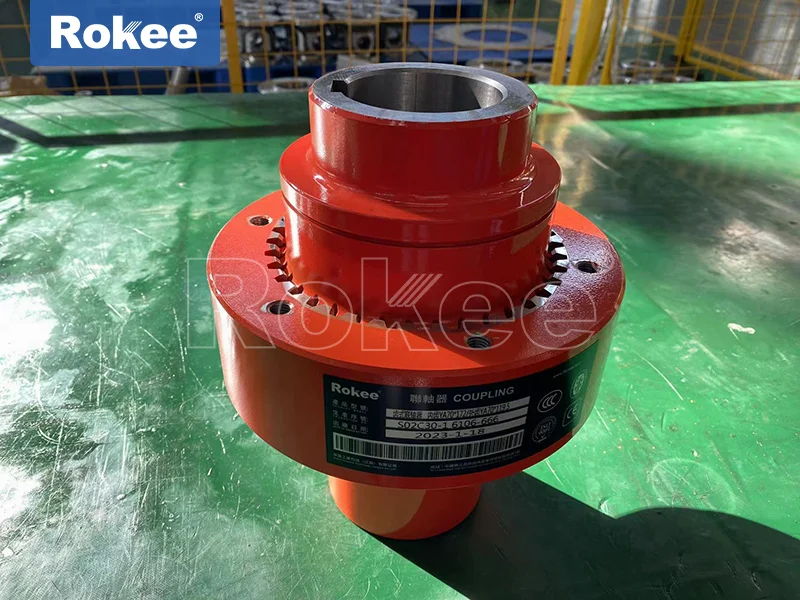
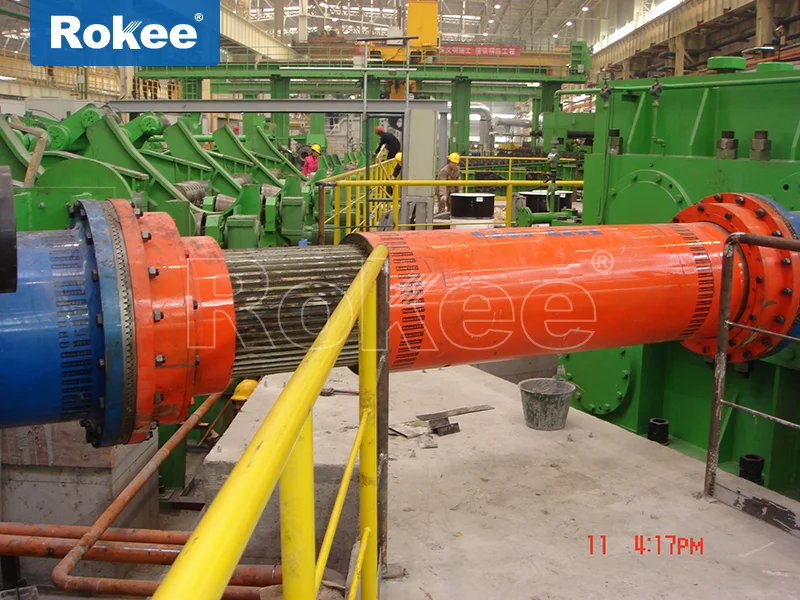
In the continuous production operation of PU sandwich panel lines, the teeth coupling serves as a core transmission component that connects driving and driven shafts, undertaking the key task of stably transmitting torque and coordinating the synchronous operation of various mechanical units. The entire production process of PU sandwich panels involves continuous feeding, foaming, pressing, cutting and stacking, with the transmission system running stably for a long time under medium-speed and heavy-load working conditions. The operating state of teeth coupling directly affects the operational stability of the whole production line, the precision of panel molding and the service life of supporting transmission equipment. Due to the special working environment of PU sandwich panel production, the coupling is prone to be affected by fine dust, residual chemical raw material vapor and continuous mechanical vibration, which easily causes tooth surface wear, lubrication failure, seal aging and shaft misalignment problems. Scientific and standardized daily maintenance and regular overhaul of teeth coupling can effectively avoid sudden equipment shutdown, reduce mechanical failure loss, maintain consistent production precision, and extend the comprehensive service life of transmission components, which is of great significance to the long-term and efficient operation of PU sandwich panel production lines.
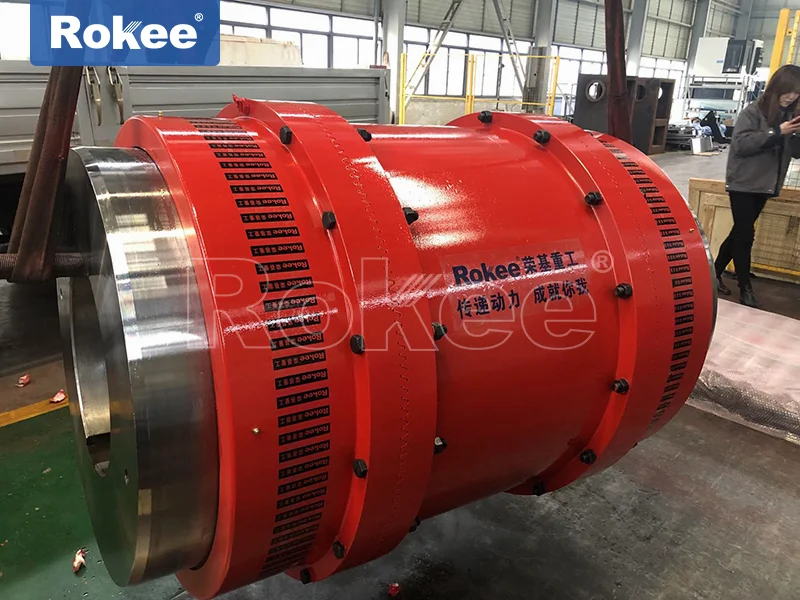
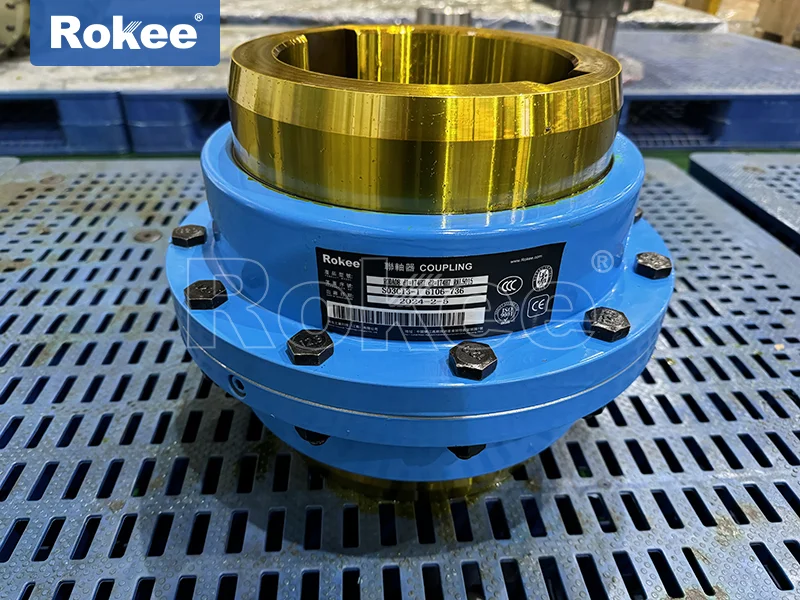
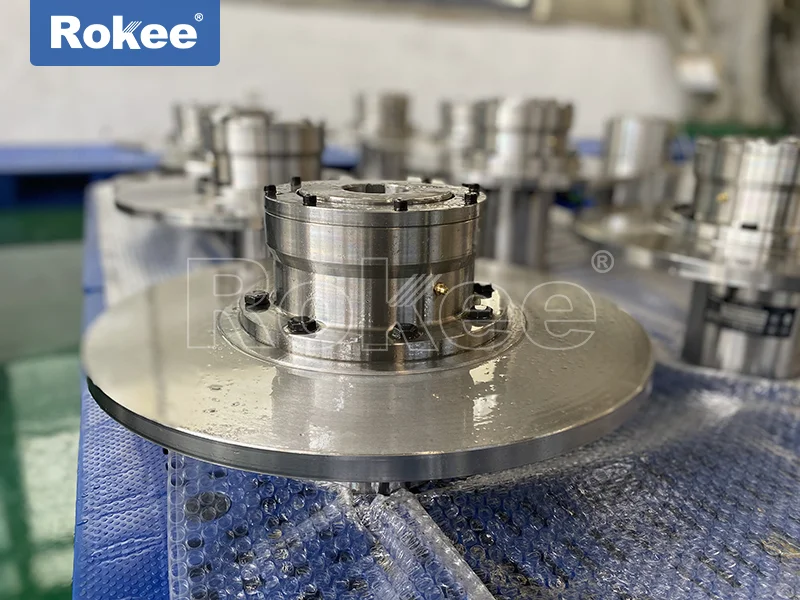
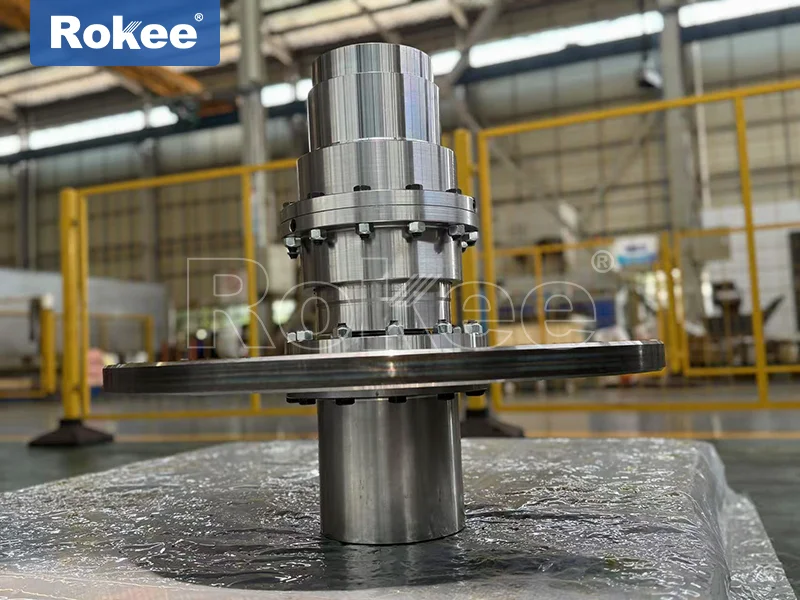
To master professional maintenance skills for teeth coupling of PU sandwich panel line transmission parts, it is first necessary to fully understand its structural characteristics and operational adaptability in the production line. The teeth coupling relies on the meshing of internal and external gear teeth to transmit power, featuring compact radial structure, large load-bearing capacity and good compensation performance for axial, radial and angular displacement. These structural advantages make it highly suitable for the continuous transmission scenario of PU sandwich panel lines with stable load and long-term continuous operation. During the high-frequency operation of the production line, the meshing tooth surfaces will produce periodic axial relative sliding friction, and long-term cyclic operation will inevitably lead to gradual wear of tooth surfaces. Meanwhile, the frequent start-stop and slight load fluctuation in the production process will cause alternating stress on the coupling structure, accelerating the aging of sealing components and fastening parts. Different from the coupling equipment used in intermittent production machinery, the teeth coupling of PU sandwich panel line works in a continuous working state for a long time, and minor potential faults are easy to accumulate and evolve into major mechanical failures, so daily refined maintenance and preventive maintenance are particularly critical.
Lubrication maintenance is the core link of teeth coupling daily maintenance and the key factor to ensure its long-term reliable operation. Good lubrication can form a uniform protective oil film on the meshing tooth surfaces, reduce sliding friction and wear between gear teeth, buffer mechanical vibration and impact during torque transmission, and also play a certain role in heat dissipation and rust prevention. In the daily maintenance process, it is necessary to select lubricating media suitable for the working conditions of PU sandwich panel production lines according to the actual operating environment. The production workshop of PU sandwich panels has constant temperature and humidity adjustment requirements, and there are trace volatile substances of polyurethane raw materials in the air, so the selected lubricating grease needs to have excellent oxidation resistance, temperature adaptability and anti-aging performance to avoid lubricant deterioration, coking or failure caused by long-term high-load operation. In the process of lubrication filling, it is necessary to follow the scientific filling principle of small quantity and frequent replenishment. Excessive filling will cause the internal cavity pressure of the coupling to be too high, resulting in seal extrusion and grease leakage, while insufficient filling will lead to incomplete coverage of the tooth surface oil film, causing dry friction and accelerated wear.
In daily lubrication management, staff need to regularly check the lubrication state of the coupling during the daily equipment patrol inspection. It is necessary to observe whether there is grease leakage at the sealing position of the coupling and check whether there is dry friction noise or abnormal temperature rise during equipment operation. In the normal continuous operation state of the PU sandwich panel line, the surface temperature of the coupling should be kept within a stable range. If local overheating is found, it is mostly caused by insufficient lubrication, deteriorated lubricant or excessive meshing friction of gear teeth. For the coupling running continuously for a long time, regular grease replenishment and replacement should be formulated according to the actual operating hours. In conventional working environments, the lubricating grease needs to be replenished appropriately every 500 operating hours to ensure that the grease capacity in the coupling cavity reaches the standard range. After long-term operation, the internal lubricant will mix with metal wear debris, dust and other impurities, resulting in reduced lubrication performance and increased friction coefficient. Therefore, thorough cleaning of the coupling interior and complete replacement of new lubricating grease are required regularly to remove residual deteriorated grease and impurities, so as to ensure the continuous and stable lubrication protection effect.
Sealing system maintenance is an indispensable part of teeth coupling maintenance work, which directly determines the stability of the lubrication system and the anti-pollution ability of the internal meshing structure. The teeth coupling of PU sandwich panel line is equipped with professional sealing components such as sealing rings and gaskets to form a closed lubrication cavity, which can effectively prevent external dust, debris and chemical vapor from entering the coupling interior, and avoid internal lubricating grease leakage. In the daily production environment, fine dust generated by panel cutting and residual volatile substances of foaming raw materials will continuously erode the sealing components, coupled with the long-term vibration and extrusion of mechanical operation, the sealing parts are prone to aging, deformation, cracking and failure. Once the sealing performance declines, external impurities will enter the meshing gap of gear teeth, causing abrasive wear of tooth surfaces, and internal lubricant leakage will lead to rapid failure of the lubrication system, forming a vicious cycle of component wear.
In the daily inspection process, staff need to focus on checking the integrity and tightness of all sealing parts of the coupling. It is necessary to observe whether there is grease seepage at the sealing gap and check whether the sealing rings are deformed, hardened or cracked. For the sealing components that have been used for a long time, even if there is no obvious leakage or damage, regular replacement is required according to the service cycle, because the aging fatigue of sealing materials will lead to hidden sealing failure risks. After replacing the sealing parts, it is necessary to check the assembly tightness to ensure that the sealing structure is fully fitted without gaps, so as to avoid sealing failure caused by assembly deviation. In addition, it is necessary to keep the outer surface of the coupling and the sealing installation position clean, timely remove accumulated dust and debris, prevent impurities from accumulating for a long time to corrode the sealing structure, and create a clean and stable working environment for the sealing system.
Fastening structure inspection and maintenance is an important basic work to ensure the accurate alignment and stable operation of teeth coupling. The teeth coupling is fixed and connected by multiple groups of fastening bolts, and the long-term continuous operation of the PU sandwich panel line will generate continuous mechanical vibration, which easily causes the fastening bolts to loosen gradually. Slight bolt looseness will lead to inconsistent stress on the coupling structure, resulting in slight displacement and misalignment of the connected shaft parts. Long-term accumulation of misalignment will aggravate the meshing wear of gear teeth, cause abnormal vibration and noise of the transmission system, and even lead to bolt fracture and coupling failure in severe cases, affecting the normal operation of the whole production line.
In the daily maintenance work, it is necessary to regularly inspect the fastening state of all connecting bolts of the coupling. In the daily patrol inspection, visual observation and hand feeling detection can be adopted to preliminarily judge the bolt fastening state. For the bolts with loose signs, they need to be tightened in time with professional tools. In the regular maintenance cycle, all fastening bolts need to be rechecked and calibrated one by one, and the tightening torque should be kept uniform to ensure that the coupling stress is balanced and the assembly position is accurate. At the same time, it is necessary to check the appearance of the bolts regularly to observe whether there is deformation, thread wear, rust or fatigue damage. The bolts with aging, deformation or damaged threads should be replaced in time to avoid hidden dangers of fastening failure caused by poor bolt performance. In addition, after each equipment maintenance, commissioning and long-term shutdown and restart, the bolt fastening state of the coupling must be rechecked to eliminate the loosening problems caused by equipment position adjustment and vibration impact.
Shaft alignment calibration maintenance is the key to reduce abnormal wear and prolong the service life of teeth coupling. In the installation and operation process of the coupling, the coaxiality error of the driving shaft and the driven shaft is inevitable. Slight displacement deviation can be compensated by the structural performance of the teeth coupling itself, but excessive radial, axial and angular misalignment will exceed the compensation range of the coupling, resulting in severe eccentric wear of gear teeth, increased transmission resistance and abnormal vibration of the equipment. The PU sandwich panel line has high requirements for transmission stability and operating precision, and shaft misalignment will not only accelerate the damage of the coupling, but also affect the synchronous operation of each transmission roller, resulting in inconsistent panel thickness and uneven pressing effect, reducing the product qualification rate.
In the maintenance process, professional alignment tools should be used to regularly calibrate the shaft coaxiality of the coupling connection part. After the initial installation of the coupling, daily maintenance and equipment overhaul, precise alignment calibration must be carried out to ensure that the shaft deviation is controlled within the allowable error range. For the production line that runs continuously for a long time, the base of the transmission equipment will have slight settlement and deformation after long-term load operation, and the fastening parts will have fatigue displacement, which will lead to gradual change of shaft alignment state. Therefore, regular dynamic alignment detection and adjustment are required. When misalignment is found, the position of the equipment base or the coupling assembly should be adjusted in time to correct the shaft deviation. After calibration, no-load trial operation and load trial operation should be carried out sequentially to observe the operating state of the coupling, confirm that there is no abnormal vibration, noise and temperature rise, and ensure that the alignment effect meets the production operation requirements.
Regular fault detection and component condition assessment are important means to realize preventive maintenance of teeth coupling. In the long-term operation process, the coupling will have gradual performance attenuation and component wear, and most potential faults have subtle early characteristics. Through regular professional detection and condition assessment, early hidden dangers can be found in time to avoid small faults evolving into major equipment failures. In the daily fault inspection process, staff need to comprehensively detect the working state of the coupling from multiple dimensions such as appearance state, operating sound, operating temperature and transmission stability.
Appearance inspection mainly focuses on checking the wear degree of the internal and external gear tooth surfaces, observing whether there are uniform wear marks, local pitting, tooth surface peeling, crack damage and other problems. Normal gear tooth meshing wear is uniform and regular, while uneven wear, local excessive wear and tooth surface damage are abnormal fault characteristics, which are mostly caused by shaft misalignment, poor lubrication or impurity invasion. At the same time, it is necessary to check whether the coupling shell is deformed or cracked and whether the connecting gap is uniform. Operating sound detection needs to be carried out in the stable operation state of the equipment. The normal meshing operation of the coupling is stable and silent. If there are periodic impact sounds, friction harsh sounds or abnormal vibration sounds, it indicates that there are problems such as poor gear meshing, insufficient lubrication or loose fastening structure. Temperature detection can judge the internal friction state of the coupling. Continuous overheating operation will accelerate the aging of lubricant and sealing parts, and also aggravate tooth surface wear, so real-time temperature monitoring and regular temperature data recording are required to form operation state comparison data.
For the worn and damaged parts found in the inspection, professional performance assessment and replacement judgment should be carried out in time. For the gear teeth with slight uniform wear, regular observation and enhanced lubrication maintenance can be adopted to delay the wear progress. For the gear teeth with serious local wear, pitting corrosion and peeling deformation, as well as the coupling components with structural fatigue and deformation, they need to be replaced in time to avoid affecting the transmission precision and operation safety. In the process of component replacement, it is necessary to ensure the consistency of assembly precision, keep the meshing gap of gear teeth uniform, and match the specifications of lubricating grease and sealing parts to ensure that the overall performance of the coupling after maintenance and replacement reaches the standard operating state.
Scientific operation management and maintenance cycle optimization can further improve the maintenance effect and service life of teeth coupling. In the actual production operation of PU sandwich panel line, many coupling failures are caused by non-standard operation and unreasonable maintenance cycle. Sudden start-stop, overload operation and frequent load fluctuation will cause instantaneous impact load on the coupling, resulting in fatigue damage of gear teeth and fastening structure. Therefore, in the daily production operation, it is necessary to standardize the equipment operation process, avoid sudden acceleration and deceleration and long-term overload operation, and keep the transmission load stable, so as to reduce the alternating impact on the coupling structure.
According to the actual operating load, operating environment and operating hours of the production line, the maintenance cycle of the coupling should be dynamically optimized. For the production lines with stable load and clean environment, the conventional maintenance cycle can be maintained; for the production lines with large load fluctuation, dusty environment and high temperature and humidity working conditions, the maintenance frequency should be appropriately increased, the lubrication replacement cycle should be shortened, and the sealing inspection and bolt fastening inspection frequency should be improved, so as to adapt to the more severe working conditions. At the same time, complete maintenance records should be established, including lubrication replacement time, component inspection state, fault handling records and calibration adjustment data, to form a complete equipment maintenance file, which provides data support for subsequent maintenance cycle optimization and fault prediction judgment.
In addition, regular maintenance training for equipment maintenance personnel should be strengthened to ensure that maintenance staff are proficient in the structural characteristics, maintenance points and fault judgment methods of teeth coupling. Standardized maintenance operation processes should be formulated to unify the inspection standards, lubrication standards and assembly calibration standards, avoid maintenance errors and missing inspection caused by human factors, and ensure that all maintenance work is carried out in a standardized and professional manner. Through standardized operation and refined maintenance, the stable operation state of the teeth coupling can be maintained for a long time, the failure rate of transmission components of PU sandwich panel line can be effectively reduced, the continuous and efficient production of the production line can be guaranteed, and the production cost loss caused by equipment failure can be reduced.
In conclusion, the maintenance of teeth coupling for transmission parts of PU sandwich panel line is a systematic and long-term work, which runs through the whole cycle of equipment operation. Efficient maintenance work needs to take lubrication protection, sealing maintenance, fastening inspection, alignment calibration and fault detection as the core, combine daily patrol maintenance with regular professional overhaul, and cooperate with standardized equipment operation and dynamic maintenance cycle optimization. Only by mastering scientific maintenance skills and implementing refined maintenance management can the teeth coupling always maintain good transmission performance, effectively resist the adverse effects of production environment and long-term load operation, ensure the stable transmission power of the PU sandwich panel production line, maintain product molding precision and production efficiency, and create stable economic benefits for continuous production operation.