Gear Coupling For Steel Mill
Gear couplings serve as indispensable core transmission components in modern steel mill production systems, specially engineered to adapt to the extreme and complex operating conditions of steel manufacturing environments. Unlike ordinary industrial couplings, these mechanical parts excel at transmitting ultra-high torque while accommodating continuous equipment vibration, shaft misalignment, and frequent temperature fluctuations inherent in steel rolling, smelting, and forging processes. Their compact structural design and superior load-bearing capacity make them the preferred transmission solution for heavy-duty mill equipment, including rolling mills, drive gearboxes, and material conveying machinery. In high-intensity steel production operations, stable power transmission is critical to continuous production, and gear couplings effectively avoid transmission failure caused by alternating loads and mechanical deformation.
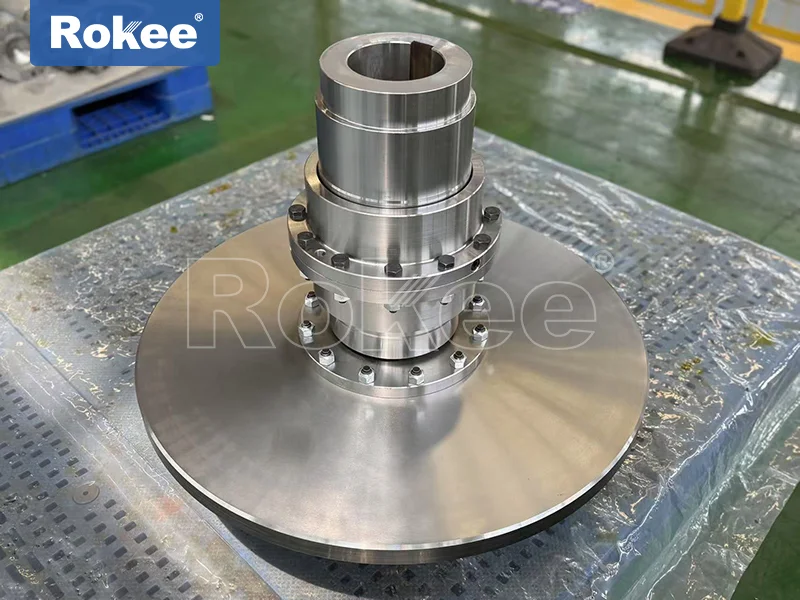
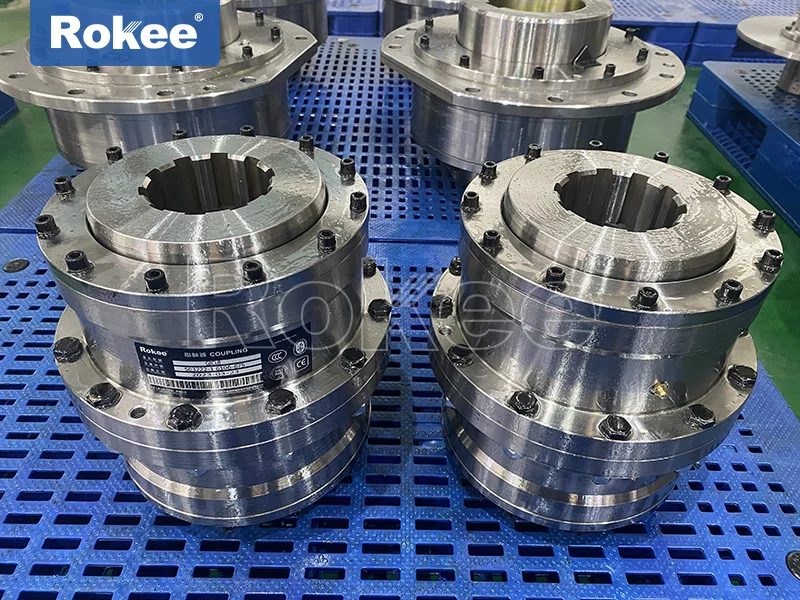
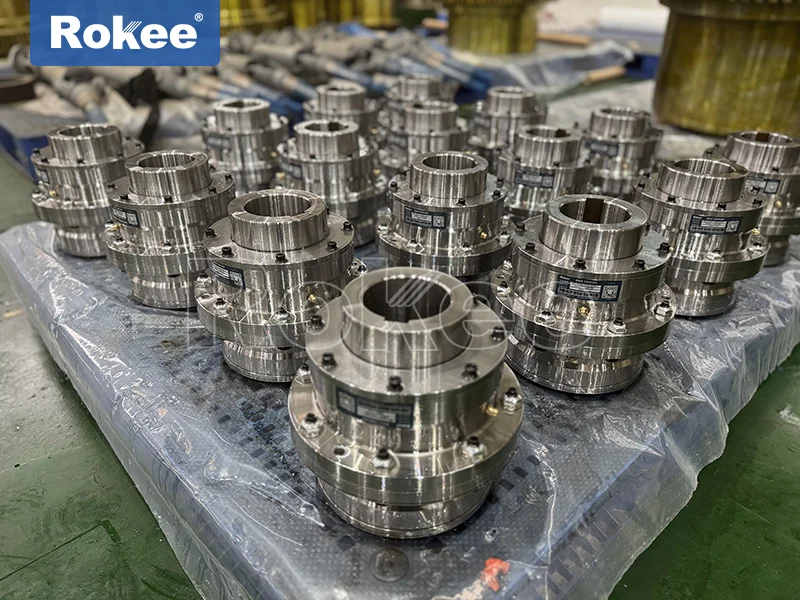
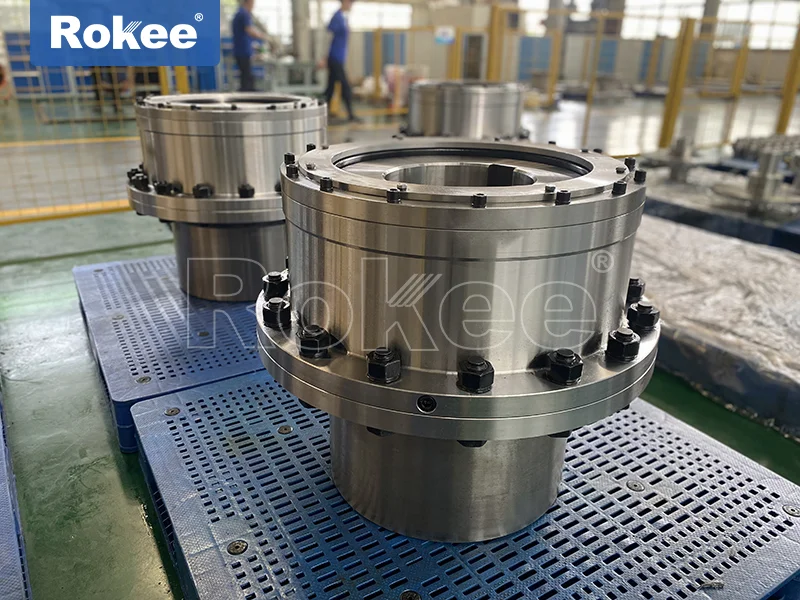
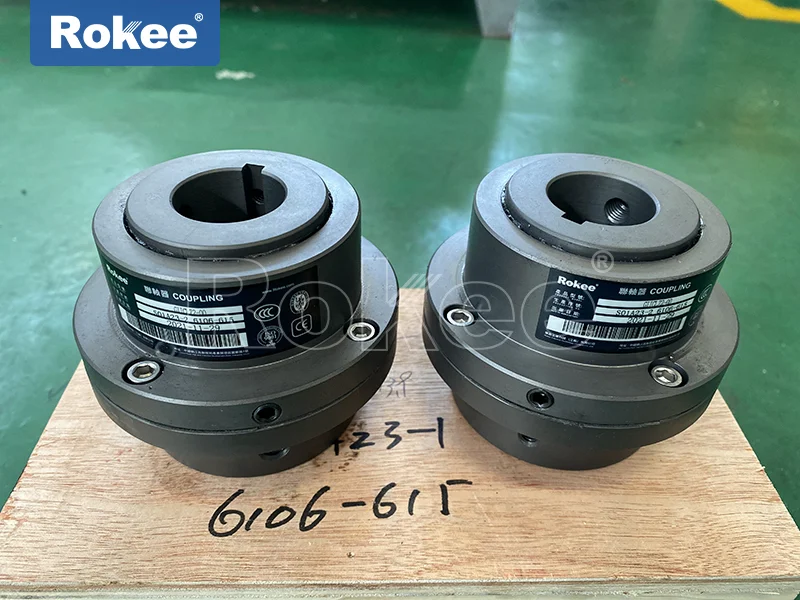
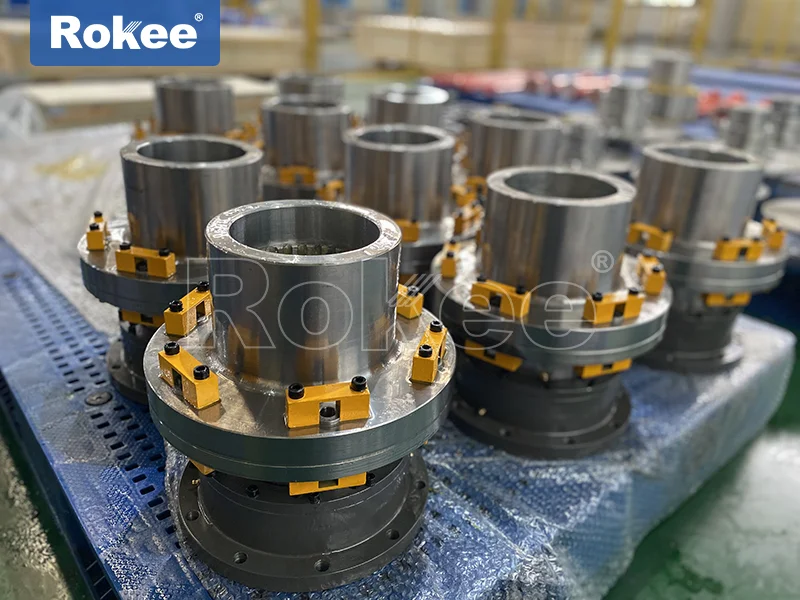
The basic structure of gear couplings tailored for steel mill operations consists of two toothed hubs and two flanged internal gear sleeves, forming a closed meshing transmission system with high structural stability. The external gear teeth on the hubs are precision machined with a crowned tooth profile, a key structural improvement that differentiates steel mill-specific gear couplings from conventional models. This special tooth design allows slight sliding and adaptive fitting between meshing gear teeth during high-load operation, which effectively compensates for parallel, angular and axial misalignment between connected shafts. In steel mills, long-term heavy-load operation easily causes minor frame deformation and shaft displacement, while high-temperature production environments trigger thermal expansion and contraction of equipment components. The flexible meshing structure of gear couplings can buffer these mechanical deviations in real time without generating additional transmission resistance or structural stress. Meanwhile, the multi-tooth simultaneous meshing mode disperses concentrated torque loads evenly across the tooth surface, preventing local tooth wear or fracture caused by instantaneous impact loads during steel rolling and material forging. The overall compact layout avoids excessive equipment occupation, adapting to the dense and integrated equipment arrangement characteristics of modern steel mill production lines.
The working principle of steel mill teeth couplings centers on precise gear meshing and flexible torque transmission, realizing efficient power transfer between driving and driven equipment under harsh industrial conditions. When the steel mill production system operates, power generated by drive motors is transmitted to the gearbox and rolling roll shafts through the meshing of external hub teeth and internal sleeve teeth of the coupling. Different from rigid transmission parts that pursue absolute shaft concentricity, gear couplings adopt a semi-flexible transmission mode that balances torsional rigidity and displacement compensation capability. During the steel rolling process, the extrusion force generated by metal plastic deformation will produce instantaneous impact and alternating loads on the transmission system. The crowned gear teeth can produce tiny relative sliding during rotation, which absorbs and dissipates impact vibration, protects the main transmission shaft and bearing components from fatigue damage, and maintains stable rotational speed output. This working mechanism ensures that the coupling can continuously and stably transmit high power even in the presence of continuous vibration, shaft offset and temperature changes in steel mills, avoiding production line jitter, material processing deviation or equipment shutdown caused by unstable power transmission.
Gear couplings possess unique performance advantages that make them uniquely suitable for heavy-duty steel mill production scenarios, far exceeding other types of flexible couplings in comprehensive adaptability. Their most prominent feature is ultra-high torque density, which means they can bear and transmit several times the torque of diaphragm couplings and pin bush couplings with the same structural volume and weight. This high load-bearing performance perfectly matches the ultra-high power transmission demand of steel rolling and smelting equipment, realizing high-efficiency power output without oversized equipment structure. In terms of environmental adaptability, precision-processed and heat-treated gear teeth have excellent wear resistance and high-temperature resistance, effectively resisting abrasion from metal dust and thermal aging in high-temperature steel mill workshops. Additionally, gear couplings feature strong vibration damping and fatigue resistance, which can cope with long-term cyclic load operation and frequent start-stop working conditions of steel mills. Their good displacement compensation capability eliminates equipment failure risks caused by installation errors and operational deformation, greatly improving the overall operational stability of steel mill transmission systems and reducing unexpected production interruptions.
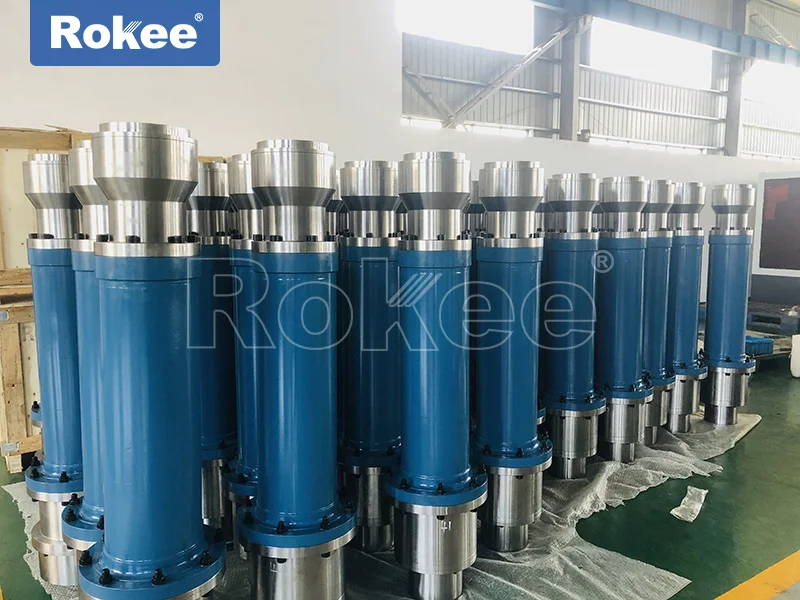
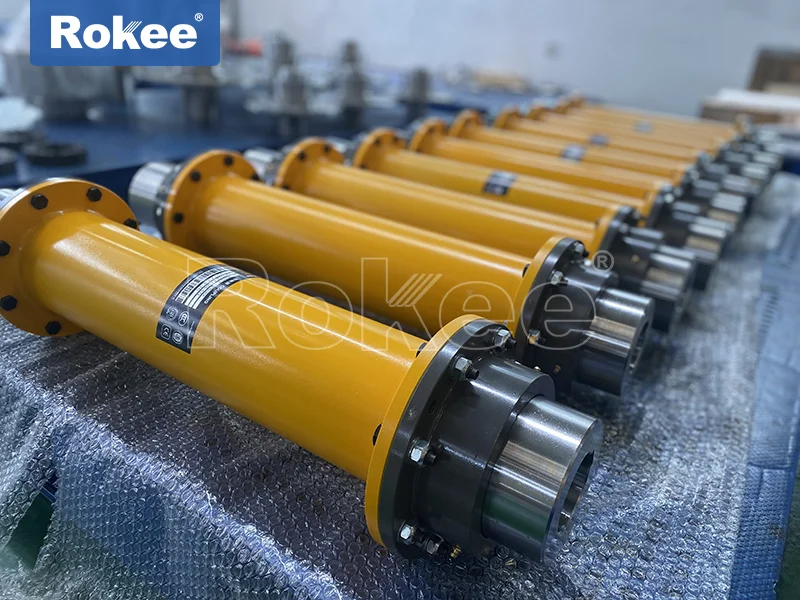
Gear couplings are widely applied in core equipment links of steel mills, covering the whole process of steel rolling, metal forging, raw material conveying and finished product processing. In hot rolling and cold rolling production lines, they are used to connect drive motors, reduction gearboxes and main rolling rolls, undertaking the core torque transmission task of metal rolling forming. The huge rolling force required for steel plate and section steel processing puts forward extremely high requirements on transmission component stability, and gear couplings can maintain continuous and stable power output under long-term heavy rolling loads. In steel forging workshops, they serve the transmission system of forging machinery, buffering strong instantaneous impact loads generated by forging operations to protect the integrity of the transmission chain. Moreover, they are also applied in auxiliary equipment such as steel mill material conveyor systems and cooling bed transmission devices, ensuring synchronous and stable operation of supporting production equipment. In all steel mill application scenarios, gear couplings act as the key connection link of the power transmission system, guaranteeing the continuity and consistency of industrial production.
Scientific and standardized daily maintenance is crucial to extend the service life and maintain stable performance of tooth couplings in steel mill high-intensity operation environments. Lubrication management is the core of maintenance work, as long-term high-load meshing operation will generate friction heat, and high-temperature steel mill environments will accelerate lubricant aging. Regular replacement of professional high-temperature resistant lubricating grease can effectively reduce gear tooth friction and wear, avoid dry grinding and tooth surface ablation, and ensure flexible adaptive sliding between meshing teeth. It is necessary to regularly inspect the tightness of flange connecting bolts to prevent bolt loosening caused by long-term equipment vibration, which may lead to meshing deviation and abnormal noise. Regular visual and instrumental detection of gear tooth surface wear, fatigue cracks and corrosion is also required to replace aging and damaged parts in a timely manner. In addition, cleaning the coupling shell regularly to remove accumulated metal dust and oil dirt can prevent foreign matter from affecting gear meshing accuracy. Perfect maintenance habits can effectively reduce component failure rate, extend service cycle, and lower the overall operation and maintenance cost of steel mill equipment.
Performance optimization of gear couplings for steel mill scenarios focuses on structural improvement, material upgrading and process refinement, aiming to adapt to increasingly rigorous industrial production requirements. In terms of structural optimization, optimizing the crown tooth profile and increasing the effective meshing area of gear teeth can further improve torque transmission efficiency and displacement compensation range, making the coupling more adaptable to shaft offset and equipment deformation during steel mill operation. In terms of material selection, adopting high-strength alloy steel with excellent wear resistance, high-temperature resistance and fatigue resistance can enhance the overall structural strength of the coupling, resist long-term alternating loads and thermal impact, and reduce tooth surface wear and fatigue fracture probability. In the processing process, adopting precision finishing and integral heat treatment technology improves the machining accuracy and structural uniformity of gear teeth, reducing transmission vibration and noise. Meanwhile, optimizing the sealing structure of the coupling can effectively isolate steel mill dust, high-temperature flue gas and moisture, prevent internal gear corrosion and lubricant deterioration, and further improve the operational reliability and environmental adaptability of the equipment.
As a key basic component of steel mill transmission systems, gear couplings create significant practical value for the stable operation and efficient production of the steel industry. Their excellent heavy-load transmission capacity and environmental adaptability ensure the continuous and stable operation of core steel mill production equipment, effectively avoiding production shutdown losses caused by transmission component failure and improving the overall production efficiency of steel processing lines. The good vibration damping and impact resistance performance reduces the fatigue loss of main equipment such as motors and gearboxes, extending the service life of the entire production equipment chain and reducing equipment replacement and maintenance costs. In addition, the precise power transmission characteristic ensures the stability of steel rolling processing accuracy, helping enterprises improve product qualification rate and processing consistency. With the continuous development of large-scale and high-efficiency steel production, gear couplings, as reliable heavy-duty transmission solutions, will continue to be optimized and upgraded, providing more solid technical support for the high-quality and stable operation of modern steel mill production systems.