Gear Coupling For Machine Tool
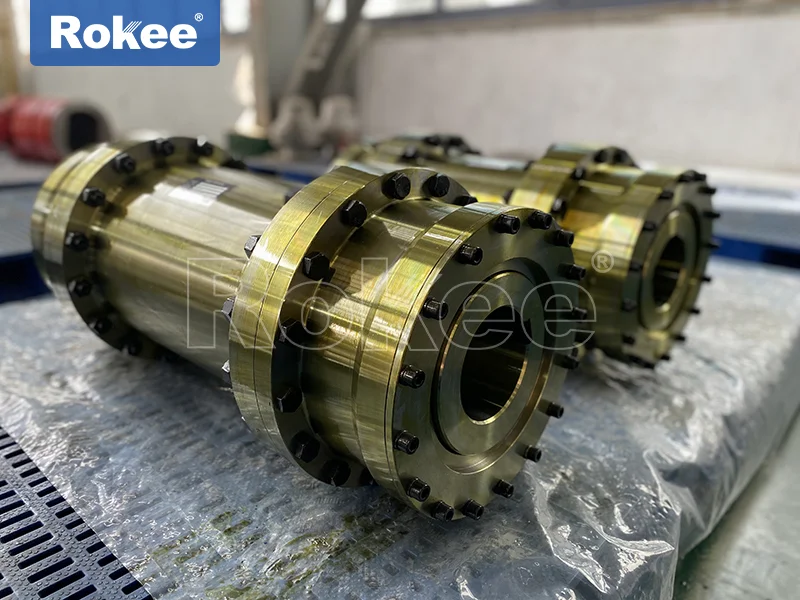
Gear couplings serve as indispensable flexible transmission components in modern machine tool drive systems, undertaking the core task of stable torque transmission between adjacent drive shafts. As precision mechanical parts tailored for machine tool operating characteristics, they effectively connect motors, gearboxes, spindles and other core components, ensuring synchronous power output during high-speed and high-precision machining operations. Different from rigid coupling structures, gear couplings feature unique tooth meshing flexible design, which can moderately compensate for axial, angular and parallel misalignments generated by installation deviations, thermal deformation and mechanical vibration during machine tool operation. This adaptive compensation capability avoids rigid stress concentration and shaft wear, greatly improving the operational stability of the entire drive chain. In addition, the structural characteristics of high torsional stiffness and low moment of inertia enable gear couplings to adapt to the frequent start-stop and variable-speed working modes of machine tools, reducing transmission vibration and noise, and laying a solid foundation for high-precision cutting, grinding and molding processing of machine tools.
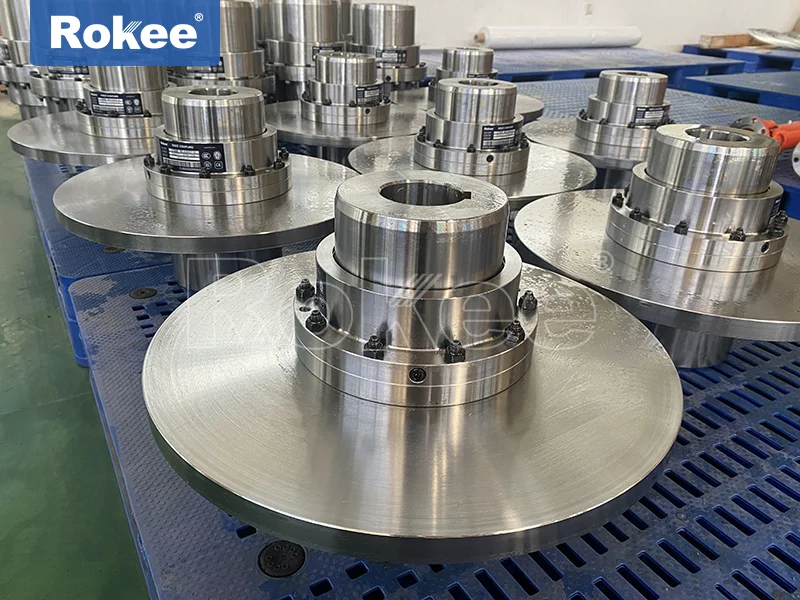
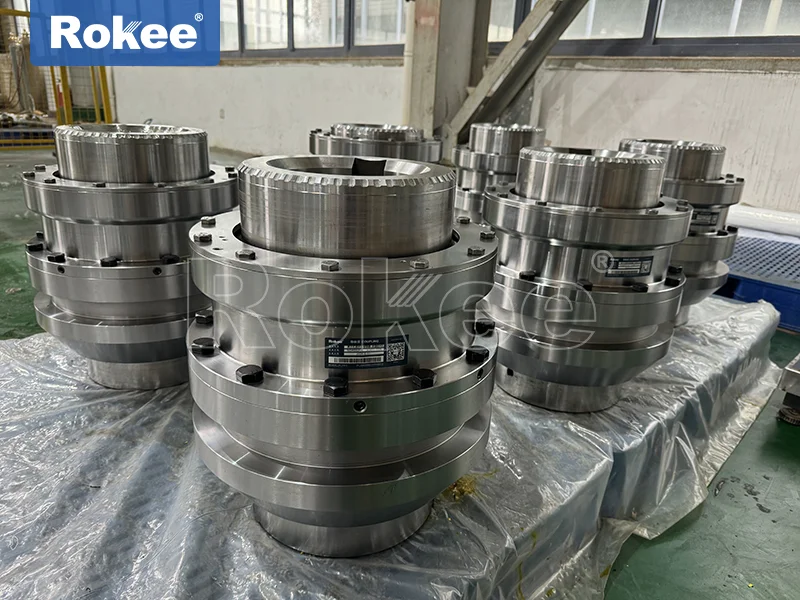
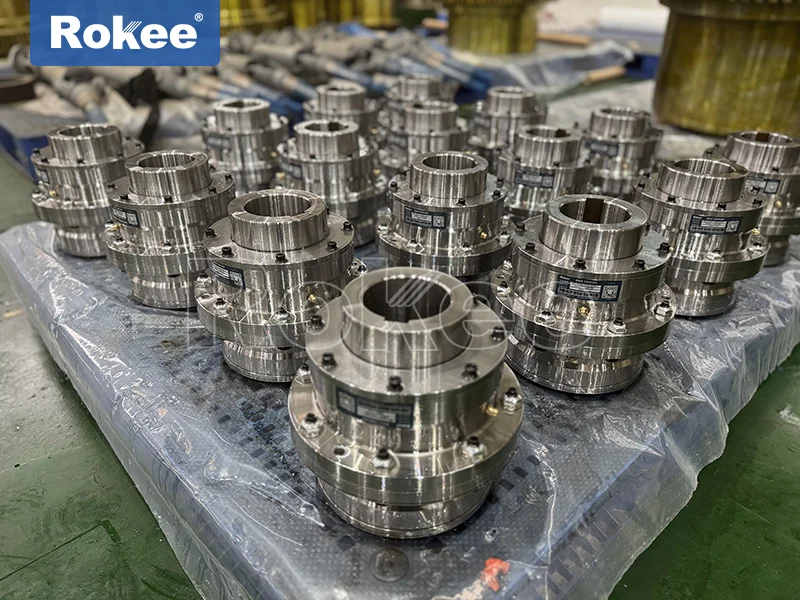
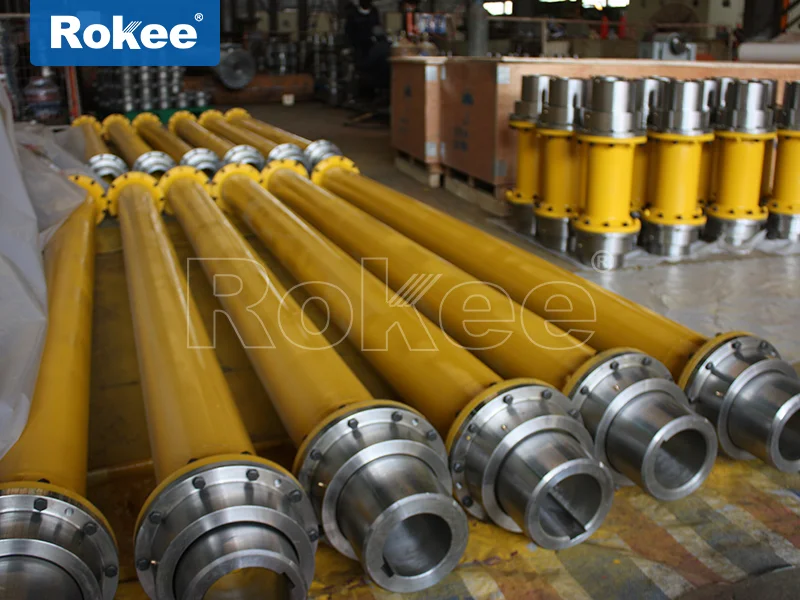
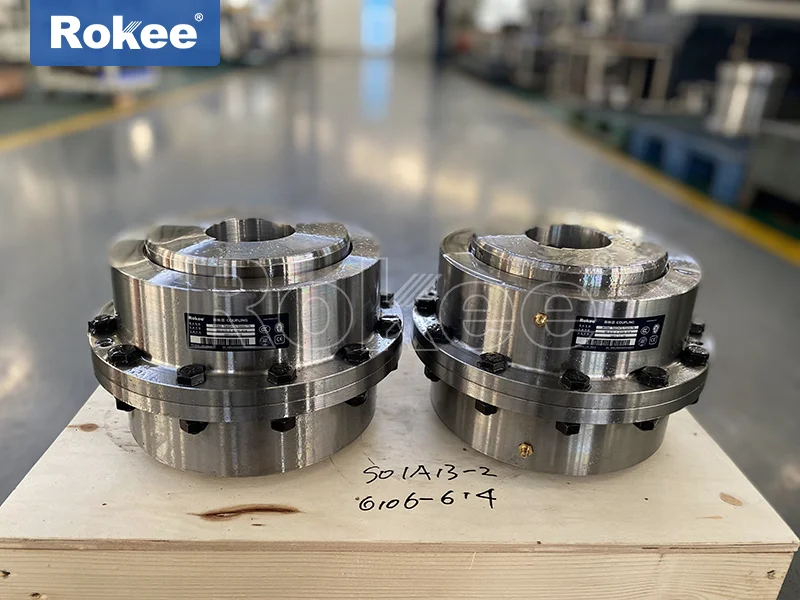
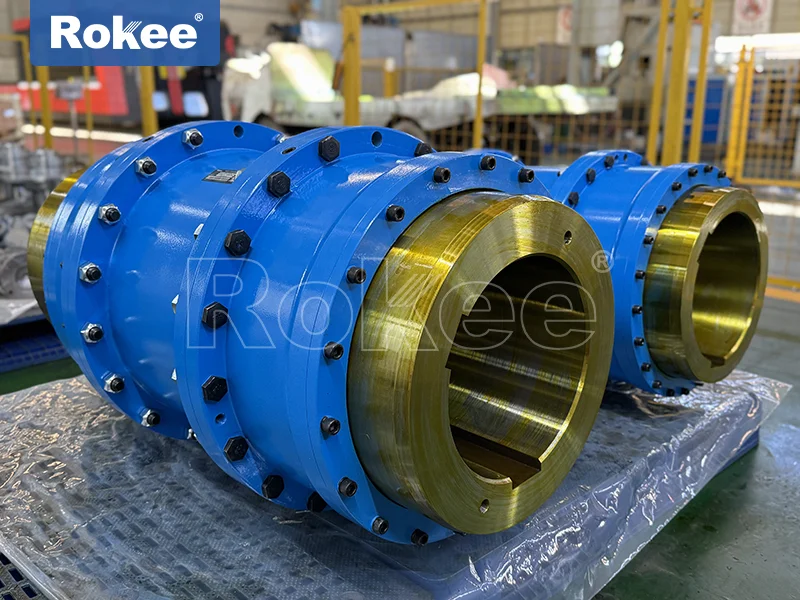
The basic structural composition of machine tool gear couplings determines their superior transmission performance and environmental adaptability, forming a simple and efficient mechanical matching system with distinct functional divisions. The core structure mainly includes two external gear hubs fixed on the driving and driven shafts and an integral or split internal gear sleeve that meshes with the hubs. The external gear teeth of the hubs are usually processed with a crowned tooth profile, which enables the tooth surface to maintain uniform contact during slight shaft misalignment, avoiding local tooth edge friction and wear. The internal gear sleeve wraps the two hubs to form a closed meshing space, which not only ensures stable torque transmission but also provides conditions for internal lubrication storage. Most machine tool gear couplings adopt a fully closed structural design, which can effectively block external dust, metal debris and cooling liquid from entering the meshing area during machining. This structural design avoids abrasive wear of gear teeth caused by foreign impurities, maintains long-term meshing accuracy, and adapts to the complex and harsh working environment of machine tool workshops. Meanwhile, the compact overall structure occupies minimal installation space, which is highly compatible with the integrated and miniaturized design trend of modern precision machine tool equipment.
Torque transmission efficiency and load-bearing performance are the core advantages of teeth couplings applied to machine tool equipment, distinguishing them from other flexible coupling types. Machine tool processing involves diverse working conditions, including low-speed heavy-load rough machining and high-speed light-load finish machining, which put forward high requirements for the load adaptability of transmission components. Gear couplings rely on the multi-tooth simultaneous meshing structure to realize large-area stress transmission, which can bear continuous stable torque and instantaneous impact load generated by sudden changes in machining resistance. Compared with elastic couplings that rely on rubber or elastic pin deformation for flexibility, gear couplings have higher torsional stiffness, which will not produce obvious torsional deformation during high-precision machining, ensuring strict synchronization of spindle speed and feed speed. This characteristic is crucial for machine tools to process high-precision workpieces with strict dimensional tolerance and surface roughness requirements. Moreover, the surface of gear teeth is usually treated with professional hardening processes, which significantly improves surface hardness and wear resistance, enabling the coupling to maintain efficient and stable torque transmission for a long time under frequent variable load working conditions without power attenuation.
Misalignment compensation capability is a key functional feature that makes tooth couplings widely used in precision machine tool drive systems. In the assembly and long-term operation of machine tools, absolute coaxiality of all drive shafts cannot be guaranteed. Manual installation errors, thermal expansion of metal components during long-time high-speed operation, and slight mechanical deformation of the frame under load will all cause different types of shaft misalignment. These tiny deviations will produce huge alternating stress in rigid transmission structures, leading to shaft deformation, bearing damage and reduced machining accuracy. Gear couplings rely on the flexible meshing clearance of crowned gear teeth to achieve multi-directional misalignment compensation, including axial displacement caused by thermal expansion, angular deviation of shaft installation, and parallel offset of driving and driven shafts. This passive compensation mechanism does not require additional auxiliary adjustment devices, which can automatically offset transmission errors and mechanical stress caused by misalignment. It effectively protects the machine tool’s drive shaft, bearing and spindle core components, reduces equipment failure rates, and ensures the consistency and stability of machining accuracy in long-cycle batch production.
Vibration damping and shock absorption performance effectively optimize the dynamic operation state of machine tools and extend the service life of transmission systems. The machining process of machine tools is accompanied by periodic cutting impact, tool vibration and load fluctuation, which will generate alternating vibration and instantaneous shock load in the drive chain. Long-term unbuffered vibration will not only affect the surface processing quality of workpieces, causing tool marks and dimensional deviation, but also accelerate the fatigue aging of mechanical parts. The special tooth meshing structure of gear couplings can form a tiny lubricating oil film between meshing tooth surfaces during operation. The oil film plays an excellent buffering and damping role, absorbing most of the vibration energy and instantaneous impact force generated in the transmission process. While ensuring high rigidity transmission accuracy, it realizes flexible buffering of dynamic load. In high-speed spindle drive systems and intermittent feed drive mechanisms of machine tools, this performance can effectively suppress resonance and vibration noise, make the machine tool operation more stable, reduce the vibration amplitude of the spindle and tool holder, and thus improve the surface finish and dimensional precision of processed workpieces.
Lubrication maintenance design and durability performance adapt to the long-term continuous operation requirements of industrial machine tools. Machine tool equipment in industrial production usually needs to operate continuously for a long time, which puts forward strict requirements on the fatigue resistance and maintenance cycle of transmission components. Most machine tool gear couplings adopt a closed lubrication structure, which can store a certain amount of lubricating grease inside the sleeve for long-term lubrication of meshing gear teeth. The closed structure prevents lubricant leakage and avoids the failure of lubrication caused by dust and impurities mixing in. Professional lubrication conditions can greatly reduce the friction coefficient between gear teeth, reduce wear and heat generation during meshing, and avoid tooth surface ablation and fatigue damage caused by high-temperature friction. After professional heat treatment and surface strengthening processing, the gear teeth have high hardness, toughness and fatigue resistance, which can resist long-term alternating load and friction wear. With reasonable daily maintenance, gear couplings can maintain stable working performance for a long time, effectively reducing the frequency of equipment shutdown maintenance, improving the overall operating efficiency of machine tools, and reducing the comprehensive operating cost of equipment.
The application scenarios of gear couplings in machine tools cover almost all core drive links, with strong universality and matching adaptability. In CNC lathes, milling machines and drilling machines, gear couplings are used for the connection between servo motors and spindles, ensuring high-precision synchronous operation of spindle rotation and tool feed, and meeting the processing requirements of complex curved surfaces and precision parts. In gear processing equipment such as gear shapers and gear hobbers, they are applied to the transmission system of indexing and feeding mechanisms, relying on high-precision meshing transmission to ensure the accurate synchronization of cutting motion and workpiece indexing motion, which is the key guarantee for qualified gear processing accuracy. In large heavy-duty machine tools for rough machining, their high load-bearing performance can adapt to the strong cutting impact and heavy-load torque transmission, avoiding transmission failure caused by overload. In addition, gear couplings are also widely used in auxiliary drive systems such as machine tool feeding shafts and cooling transmission mechanisms, providing stable power transmission support for all functional modules of machine tools.
With the continuous upgrading of precision and intelligent manufacturing technology, the technical optimization direction of machine tool gear couplings is more focused on high precision, low inertia and long life. Modern precision machine tools pursue ultra-high machining accuracy and ultra-stable operation performance, which puts forward higher requirements for the backlash control and dynamic response speed of couplings. Optimized tooth profile design and precision machining processes can effectively reduce meshing backlash, improve transmission synchronization, and meet the ultra-precision machining needs of micro parts and high-precision molds. The lightweight structural optimization design reduces the moment of inertia of the coupling, enables the machine tool drive system to have faster start-stop response and more sensitive speed regulation performance, and adapts to the high-frequency dynamic working mode of intelligent machine tools. At the same time, the continuous innovation of wear-resistant and high-temperature resistant materials further improves the environmental adaptability and service life of gear couplings. As a key basic transmission component, gear couplings will continue to iterate and upgrade with the development of machine tool manufacturing technology, providing more reliable core support for high-efficiency and high-precision intelligent machining.