Gear Coupling For Conveyor
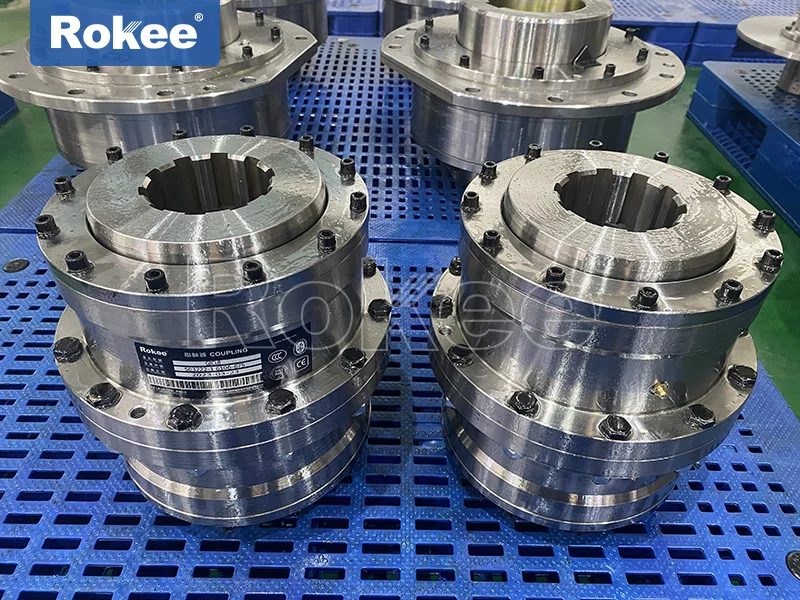
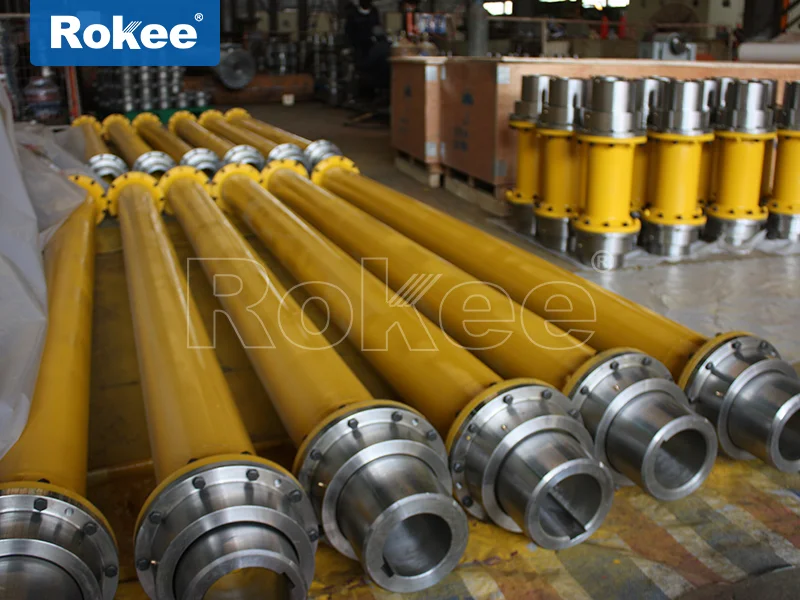
Gear couplings serve as indispensable power transmission components for modern conveyor systems, acting as a critical connecting bridge between driving motors, reducers and conveyor roller shafts. Designed to deliver stable torque transmission under complex operating conditions, these mechanical parts effectively resolve common operational issues in conveyor equipment, including shaft misalignment, vibration impact and instantaneous load fluctuations. Unlike ordinary flexible couplings, gear couplings feature high torsional rigidity and strong load-bearing capacity, perfectly matching the long-duration, high-intensity continuous working characteristics of conveyors. They can adapt to angular, parallel and axial misalignments generated by equipment installation errors, mechanical wear and operational deformation, reducing mechanical stress on transmission components. By buffering dynamic loads and isolating vibration, gear couplings minimize component wear, lower equipment failure rates, and extend the overall service life of conveyor systems, becoming a core guarantee for the efficient and stable operation of material handling equipment in various industrial scenarios.
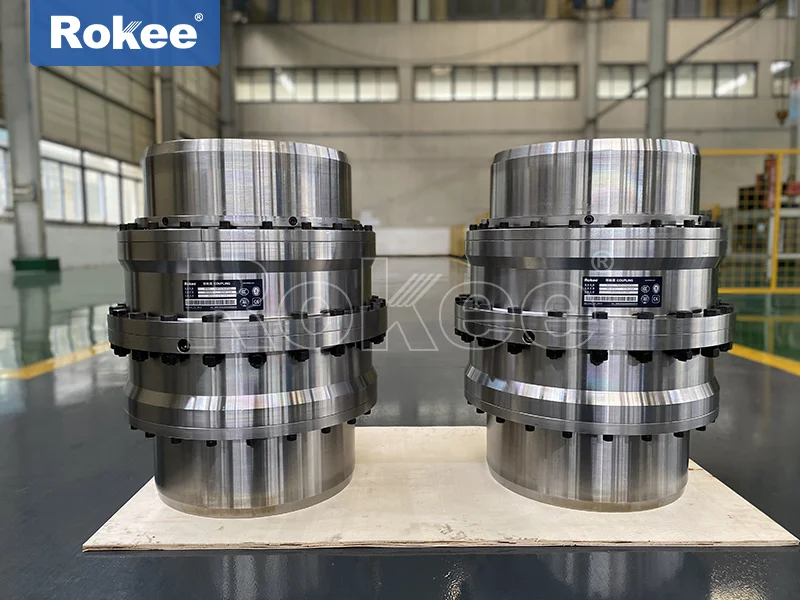
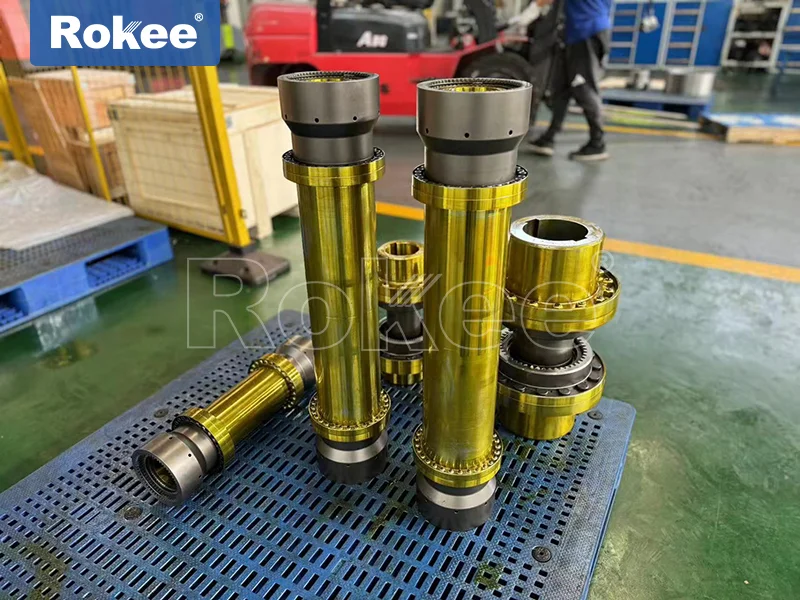
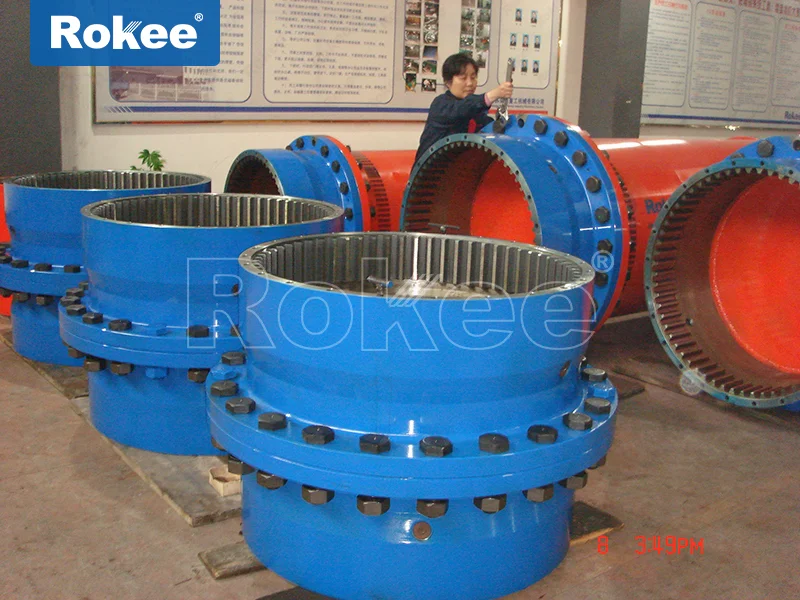
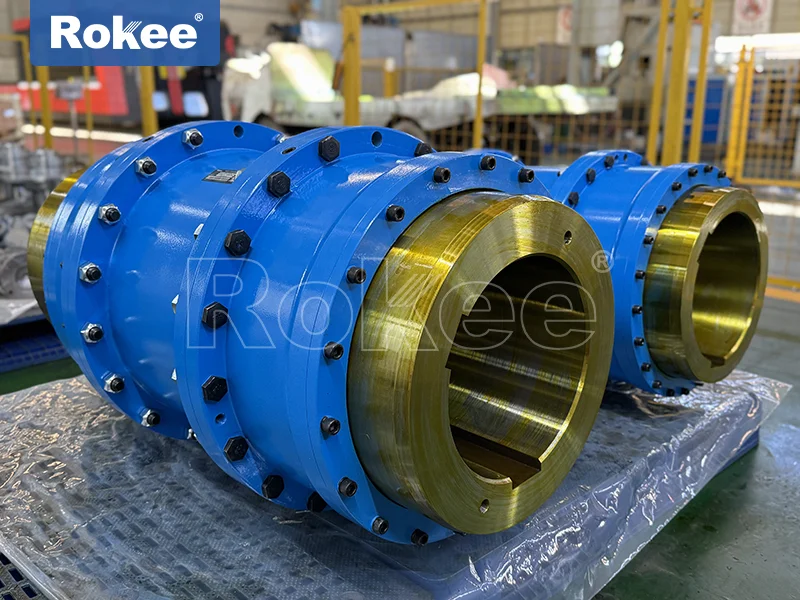
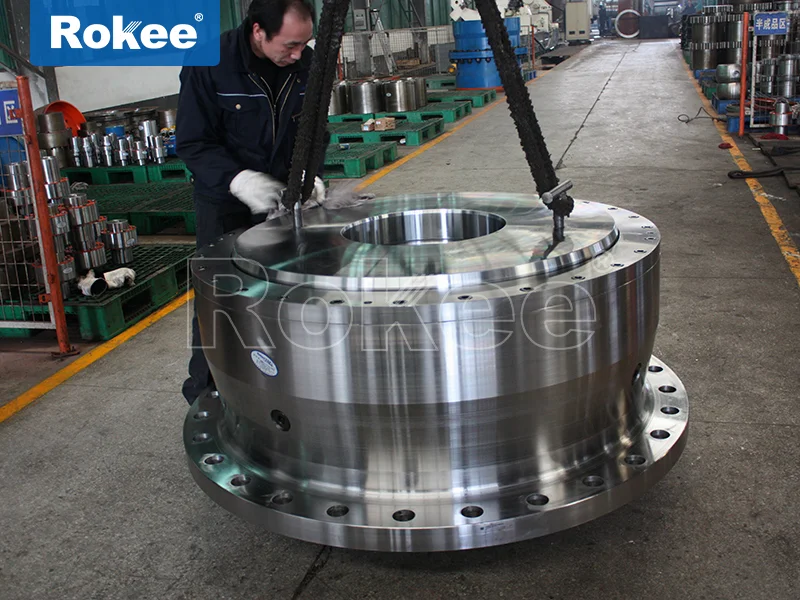
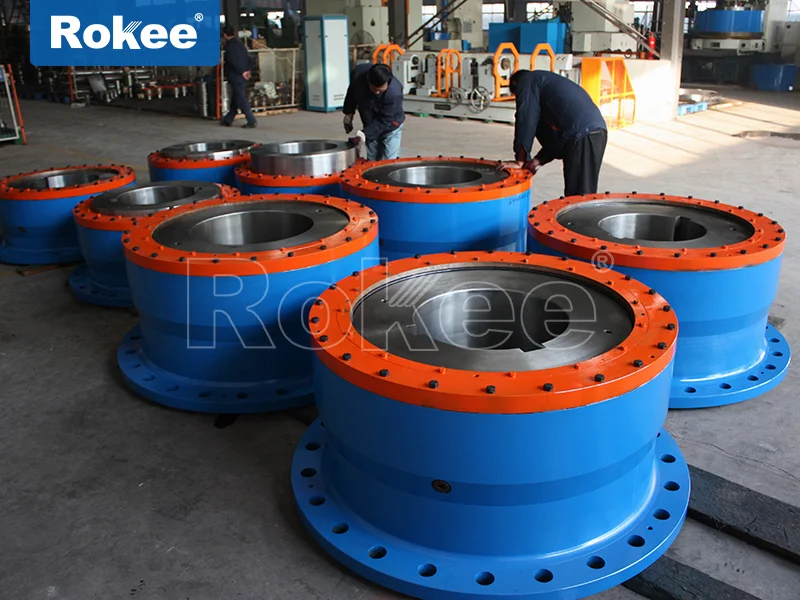
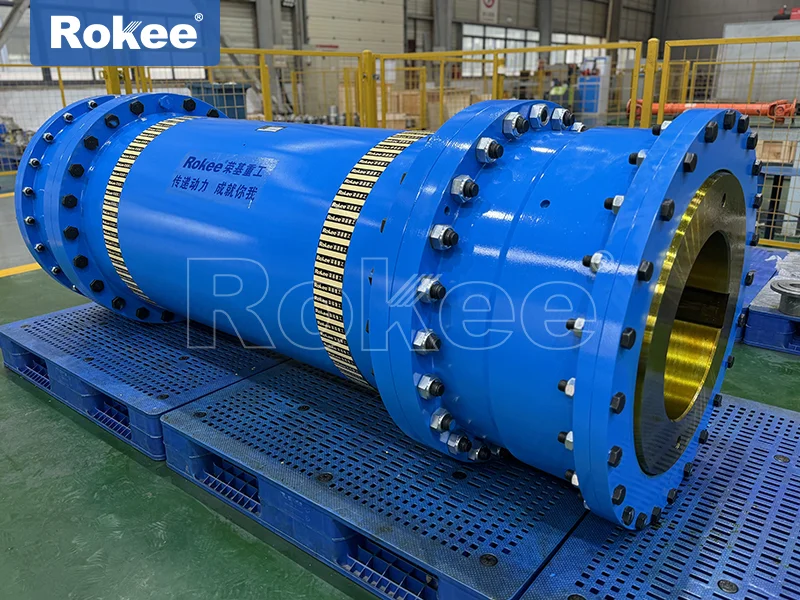
The basic structural composition of gear couplings lays a solid foundation for their superior performance in conveyor system operation, with a compact and durable design tailored to heavy-duty transmission demands. A standard gear coupling mainly consists of two toothed hubs with external gear structures and a middle sleeve equipped with internal gear teeth, forming a closed meshing transmission structure. The external gear teeth on the hubs are usually processed with crowned tooth profiles, a key structural optimization that enables the gear teeth to maintain stable meshing contact even when connected shafts produce slight angular deflection or parallel offset. This special tooth profile design avoids local stress concentration and tooth edge wear caused by shaft misalignment, which is extremely common in long-distance conveyor equipment due to installation deviation and frame deformation. The integral steel structure of the coupling ensures high structural rigidity, allowing it to withstand the sustained heavy loads generated by bulk material transportation. All connecting parts adopt precision processing technology to ensure tight matching between components, effectively avoiding transmission clearance and power loss during the long-term operation of conveyors. Meanwhile, the enclosed structural form can isolate internal meshing parts from external dust, debris and moisture, adapting to the harsh working environments of mining, chemical and logistics conveyor lines.
The core working principle of gear couplings centers on precise gear meshing and flexible misalignment compensation, enabling reliable power transmission for conveyor systems under variable working conditions. During conveyor operation, the driving shaft transmits rotational torque to the driven shaft through the meshing of external hub teeth and internal sleeve teeth. The multiple pairs of gear teeth engaged simultaneously can evenly disperse transmission loads, realizing stable and efficient power output without obvious torque fluctuation. The crowned tooth profile provides a flexible compensation space for shaft displacement, allowing the coupling to automatically adapt to minor axial, radial and angular misalignments generated during conveyor operation. In long-running conveyor equipment, continuous mechanical vibration and material impact will gradually cause slight shaft position deviation, and the flexible compensation capability of gear couplings can eliminate additional mechanical stress caused by such deviations. This working mechanism avoids the rigid friction and component fatigue damage that occur in rigid transmission structures. Moreover, the meshing friction between gear teeth forms a certain damping effect, which can absorb part of the instantaneous impact load generated by sudden start, stop or material accumulation of the conveyor, ensuring the continuity and stability of the transmission process and preventing equipment jitter and material scattering caused by power instability.
Gear couplings possess unique performance advantages that make them more suitable for conveyor system applications than other types of transmission couplings. First of all, they boast extremely high torque transmission efficiency and load-bearing capacity, which can meet the long-term continuous operation requirements of heavy-duty conveyors transporting bulk materials such as ore, grain and industrial raw materials. Their torsional rigidity far exceeds that of elastic couplings, avoiding elastic deformation and power loss during high-load transmission and ensuring consistent conveying speed and stable material transportation. Secondly, the multi-directional misalignment compensation capability enables the coupling to adapt to the structural changes of conveyor equipment in different service cycles. Newly installed conveyors have tiny installation errors, while aged equipment will produce structural deformation and shaft wear gaps, and gear couplings can always maintain normal transmission performance without frequent alignment adjustment. In addition, gear couplings have excellent anti-fatigue and impact resistance, and can withstand frequent start-stop operations and intermittent impact loads of conveyors. Their strong environmental adaptability allows stable operation in dusty, humid and high-temperature industrial sites, with far lower failure probability than rubber and nylon couplings under harsh working conditions. Their compact structural size also saves installation space, facilitating the layout and assembly of complex conveyor transmission systems.
The reasonable application of gear couplings plays a vital role in improving the overall operational efficiency and safety of conveyor systems. In industrial production, conveyor equipment often needs to operate continuously for dozens of hours every day, and the stable transmission performance of gear couplings effectively reduces power fluctuation during equipment operation, ensuring uniform and uninterrupted material conveying, which directly improves the production efficiency of the entire material handling link. By compensating shaft misalignment and buffering impact loads, the coupling greatly reduces the abrasion of core components such as bearings, reducers and motor shafts of the conveyor, avoiding premature aging and damage of precision parts. This effectively reduces the frequency of equipment shutdown maintenance caused by transmission component failure, improves the overall operating rate of the conveyor line, and reduces production losses caused by equipment downtime. At the same time, the vibration damping effect of gear couplings can reduce the operating noise of the conveyor system and alleviate the structural vibration of the equipment frame, avoiding loose connection and structural fatigue of conveyor accessories caused by long-term high-frequency vibration. For large-span and long-distance conveyor lines, gear couplings can balance the transmission load of each section of the equipment, ensure the synchronous operation of multi-section conveyor units, and prevent material accumulation and equipment overload faults caused by inconsistent operating speeds.
Scientific selection of gear couplings is the premise to ensure the long-term stable operation of conveyor systems, and the selection process needs to comprehensively combine the actual operating conditions of conveyors. First, it is necessary to determine the required torque level according to the maximum load and operating power of the conveyor, fully considering the instantaneous impact torque generated by equipment start-up, material overload and sudden parking, so as to avoid coupling tooth wear and transmission failure caused by insufficient torque bearing capacity. Second, the misalignment range of the conveyor transmission shaft should be evaluated, including the installation deviation in the initial stage of equipment operation and the structural displacement that may occur in the later service cycle, to select a coupling with matching compensation performance. For long-distance and large-load conveyors, priority should be given to enhanced structural gear couplings with higher rigidity and stronger compensation capability. In addition, the operating environment of the conveyor needs to be fully considered; for dusty, corrosive and high-temperature working scenes, gear couplings with enhanced surface treatment and closed protective structures should be selected to improve environmental adaptability. Meanwhile, the installation space and assembly conditions of the conveyor transmission end should be matched to select couplings with appropriate structural dimensions to ensure convenient installation and later maintenance, avoiding performance attenuation caused by unreasonable model selection and installation mismatch.
Standardized daily maintenance and inspection are essential to extend the service life of gear couplings and maintain the stable operation of conveyor systems. The core of daily maintenance lies in the lubrication management of gear meshing parts, as the long-term meshing operation of gear teeth will produce friction loss, and sufficient and high-quality lubricant can reduce friction resistance, avoid dry wear of tooth surfaces, and also play a role in heat dissipation, rust prevention and vibration reduction. It is necessary to regularly check the lubricant state inside the coupling, replace deteriorated and contaminated lubricant in a timely manner, and supplement lubricant according to the operating frequency of the conveyor to ensure the lubrication effect of the meshing parts. In addition, regular visual inspection and disassembly inspection should be carried out to check for tooth surface wear, tooth tip deformation and component looseness. For conveyor equipment operating with high load for a long time, the fastening state of coupling connecting bolts should be regularly checked and re-tightened to prevent bolt loosening caused by vibration, which leads to transmission gap and equipment failure. Worn and deformed coupling components should be replaced in a timely manner to avoid secondary damage to the entire conveyor transmission system caused by failed parts. Regular maintenance can effectively delay the aging speed of gear couplings, maintain their optimal transmission performance, and reduce the overall operation and maintenance cost of conveyor equipment.
With the continuous upgrading of industrial conveyor system technology, the design and performance of gear couplings are also constantly optimized to adapt to more diversified and high-standard industrial transportation demands. Modern industrial production puts forward higher requirements for the intelligence, efficiency and durability of conveyor equipment, which also promotes the iterative upgrading of gear coupling structures and processes. Optimized tooth profile design and high-strength alloy materials further improve the torque transmission efficiency and wear resistance of gear couplings, enabling them to adapt to ultra-heavy-load and high-speed conveyor operation scenarios. The optimized closed protection structure further enhances the dustproof, waterproof and anti-corrosion performance of the coupling, expanding its adaptable working environment range. At the same time, the modular design concept is gradually applied to gear coupling manufacturing, making component replacement and equipment maintenance more convenient and efficient, greatly reducing the maintenance cycle and cost of conveyor systems. As a key basic component of power transmission, gear couplings will continue to play an irreplaceable role in intelligent and automated conveyor production lines, providing stable and reliable technical support for the efficient operation of modern material handling systems.