Gear Coupling For Compressor
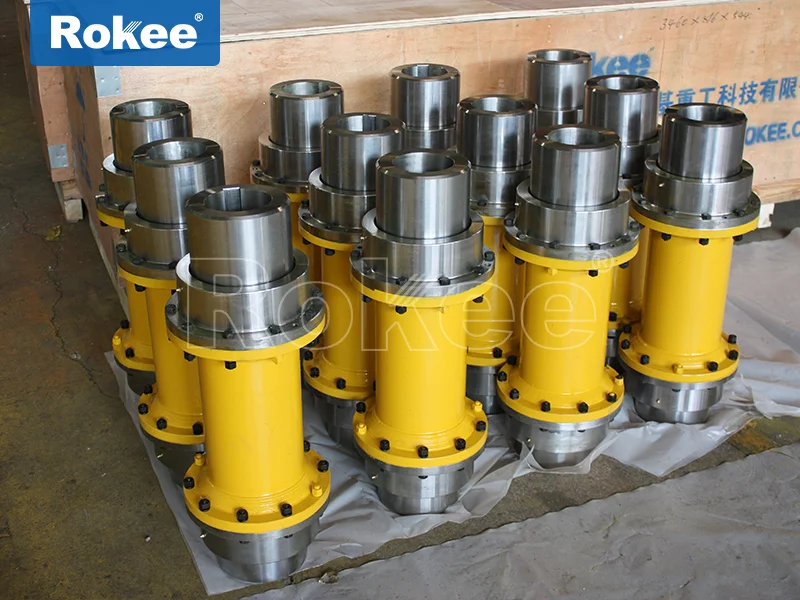
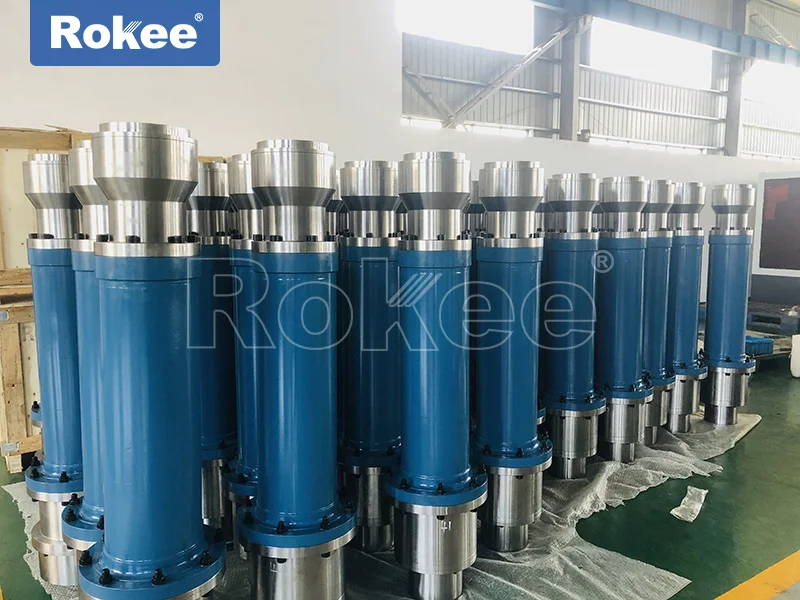
Gear couplings serve as core power transmission components widely applied in various industrial compressor systems, acting as a critical connecting medium between drive motors and compressor main shafts. Designed to adapt to the harsh operating characteristics of compressors, including long-duration continuous operation, variable load fluctuations and high-torque output requirements, these mechanical devices efficiently transmit rotational torque while buffering and compensating for shaft misalignments generated during equipment operation. Compared with traditional flexible couplings, gear couplings feature superior structural rigidity, strong load-bearing capacity and excellent wear resistance, which effectively reduce power transmission loss and ensure the stable and consistent operation of compressor units. In industrial production scenarios relying on compressors for gas compression and conveying, the performance of gear couplings directly affects the overall operating efficiency, operational stability and service life of the entire compression system, making them an indispensable key component for reliable compressor operation.
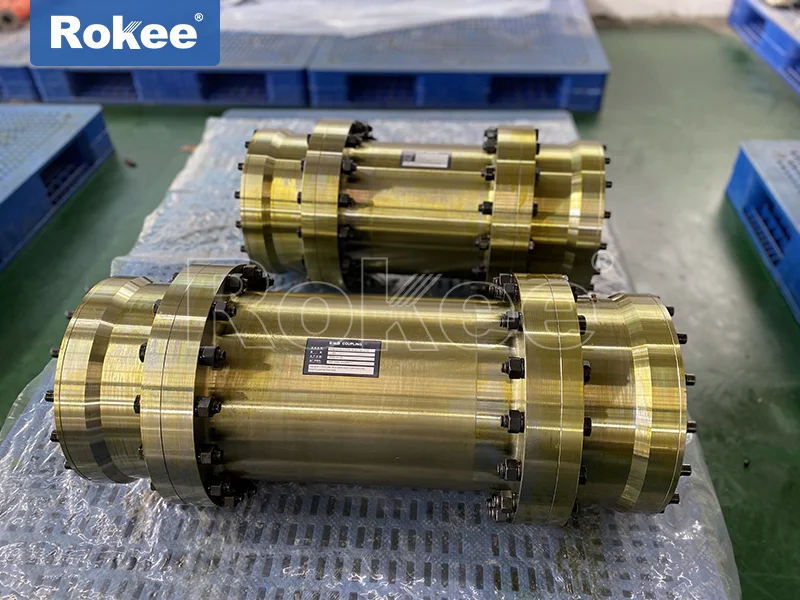
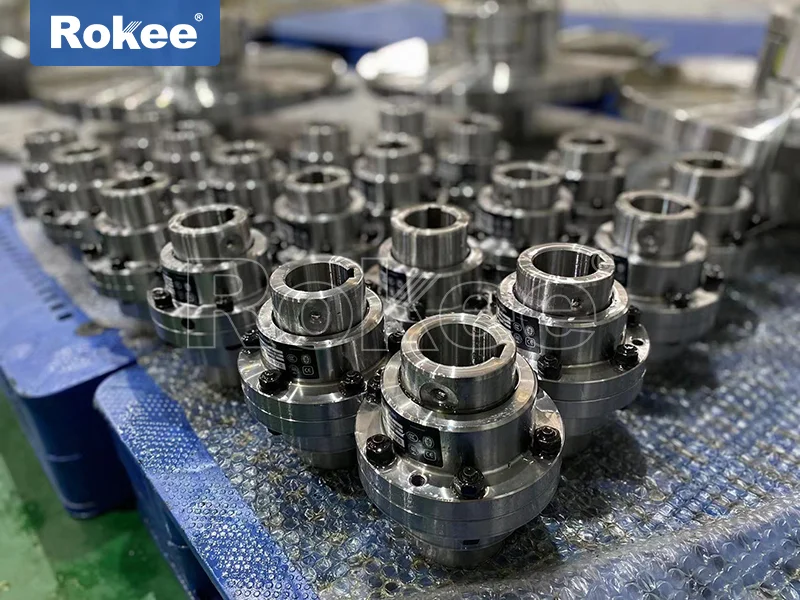
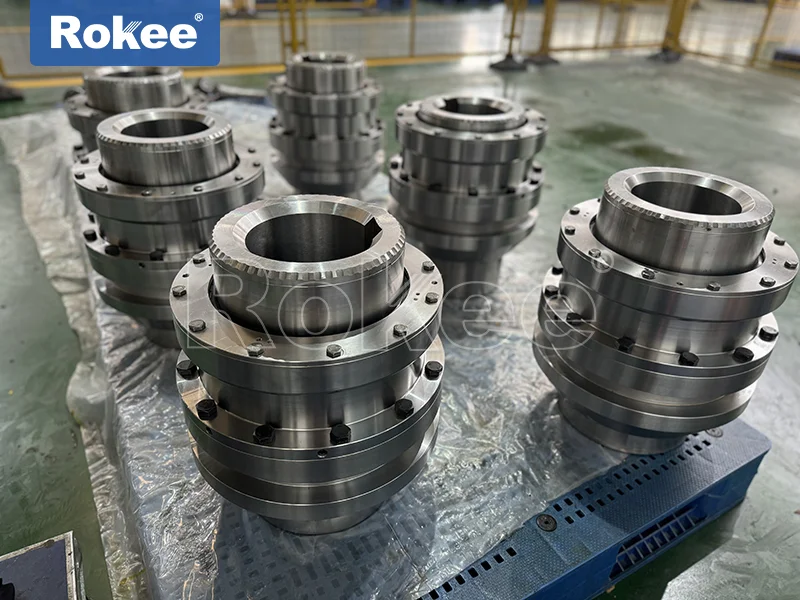
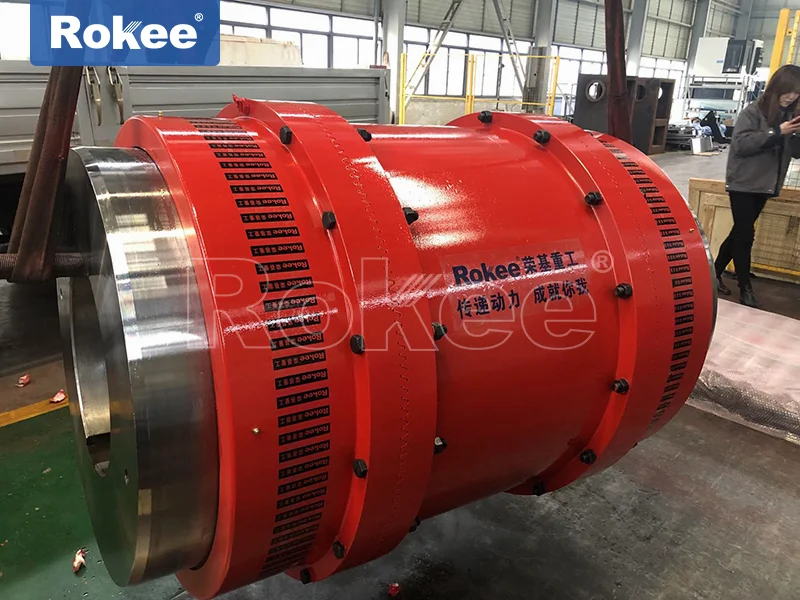
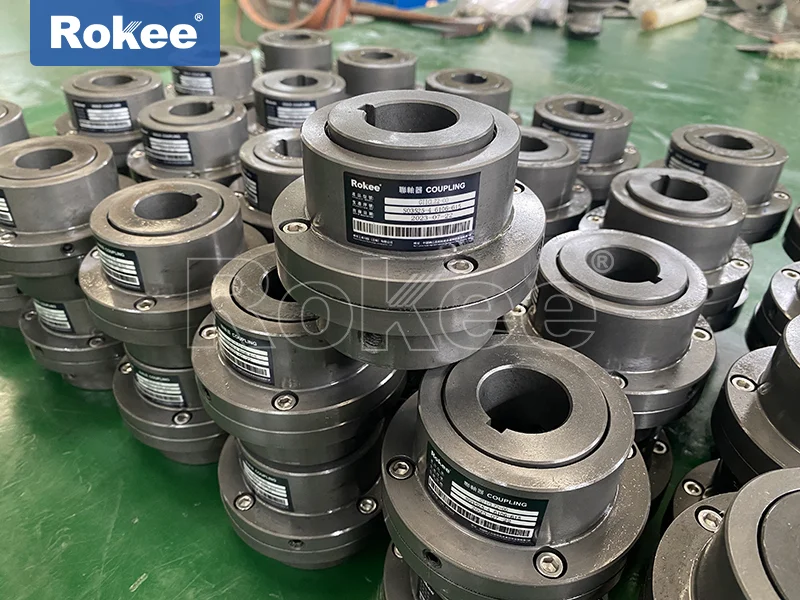
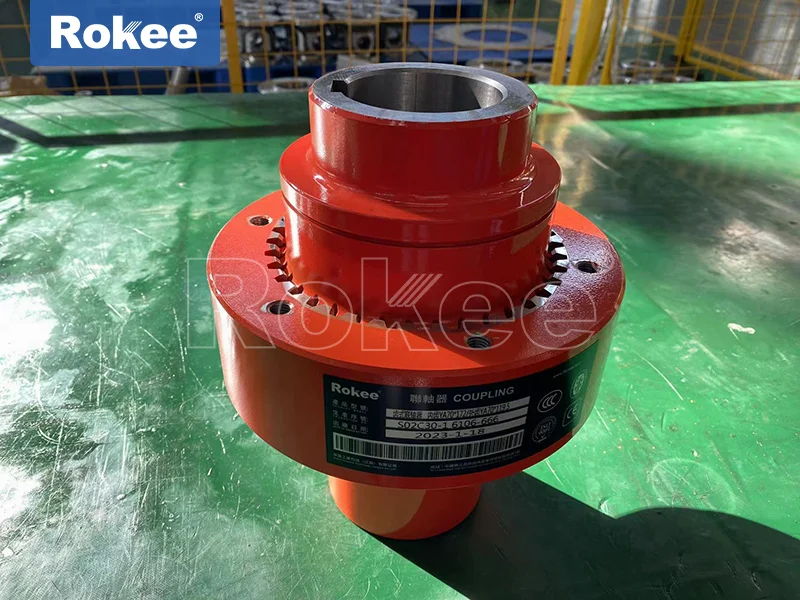
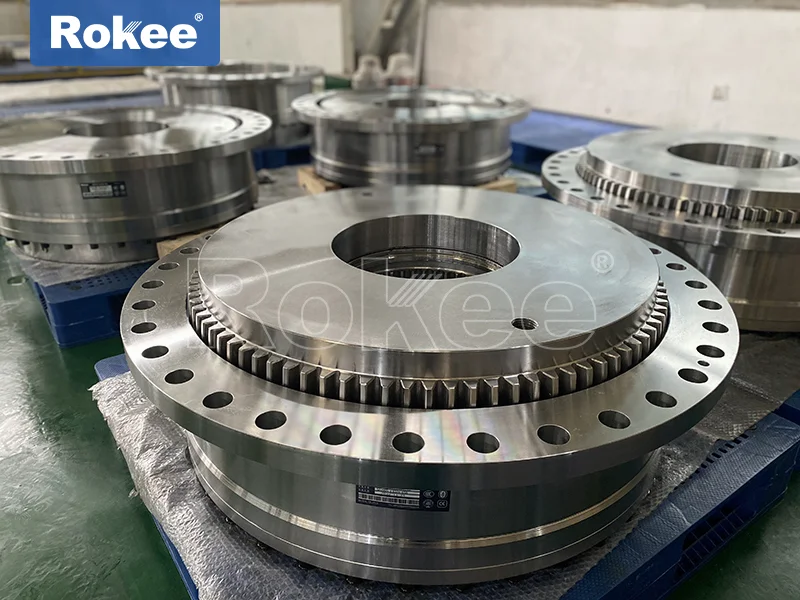
The basic structural composition of gear couplings for compressors is precisely optimized to match the operating logic of compression equipment, mainly consisting of two gear hubs with external crown teeth and an intermediate sleeve with internal gear teeth. The crown tooth design on the outer surface of the gear hub is the core structural feature that distinguishes compressor-specific gear couplings from ordinary gear coupling products. This special tooth profile allows the meshing gear teeth to form a flexible contact state during operation, rather than rigid surface friction, which lays a structural foundation for adapting to slight shaft deviations. In the assembly state, the two gear hubs are fixedly installed on the motor shaft and compressor shaft respectively, and the intermediate sleeve meshes with the external teeth of the two hubs to realize synchronous rotation and power transmission. The overall structure adopts an integrated closed design in most industrial configurations, which can effectively isolate external dust, moisture and particulate impurities in the production environment. This structural design not only ensures the continuity and stability of torque transmission, but also reduces the risk of gear tooth abrasion and corrosion caused by environmental pollution, greatly improving the environmental adaptability of the coupling in complex industrial workshops.
The working principle of gear couplings in compressor operation centers on flexible meshing torque transmission and multi-dimensional misalignment compensation, which solves the common mechanical problems of shaft offset in compressor operation. When the compressor starts and runs stably, the drive motor drives the active gear hub to rotate, and the crown external teeth of the hub mesh with the internal gear teeth of the intermediate sleeve to transmit rotational torque, thereby driving the driven gear hub and the connected compressor shaft to operate synchronously. During this process, the tooth gap reserved between the meshing gear teeth and the flexible swing space formed by the crown tooth structure can automatically compensate for three common types of shaft misalignment in compressor systems, including axial displacement, radial deviation and angular deflection. Compressors often produce slight shaft position changes due to equipment vibration, component thermal expansion and foundation settlement during long-term operation, and these subtle deviations will cause rigid friction and mechanical fatigue if not adjusted in time. The flexible compensation capability of gear couplings can eliminate additional mechanical stress caused by shaft misalignment, avoid abnormal wear of bearings and shafts, and maintain high-efficiency power transmission status of the compressor unit for a long time.
Gear couplings exhibit unique performance advantages that make them highly compatible with the full-cycle operating characteristics of industrial compressors. First of all, they have ultra-high torque bearing capacity and transmission efficiency, which can fully meet the high-load and high-power operation demands of large-scale industrial compressors. Different from elastic couplings that rely on rubber or elastic components for buffering, gear couplings transmit power through metal gear meshing, with extremely low power loss during operation and no elastic deformation energy consumption, ensuring that most of the motor power is converted into compression power. Secondly, the metal matrix structure of gear couplings provides excellent structural rigidity and fatigue resistance, enabling them to adapt to the frequent start-stop and variable load operation modes of compressors without permanent deformation or performance attenuation. In addition, the integrated gear meshing structure has strong vibration damping performance, which can absorb and weaken the periodic vibration generated by compressor operation, reduce the vibration amplitude of the entire transmission system, and effectively avoid equipment resonance problems. These comprehensive performance advantages enable gear couplings to maintain stable working performance under long-term uninterrupted operating conditions, greatly reducing the failure rate of compressor transmission systems.
In different types of compressor equipment, gear couplings show targeted adaptive performance and application pertinence, covering mainstream compressor types in industrial production. For screw compressors with stable operation and continuous load, gear couplings can maintain precise synchronous rotation, ensure the consistent matching of motor speed and compressor operating speed, and avoid gas compression efficiency reduction caused by speed deviation. For piston compressors with intermittent impact load characteristics, the rigid meshing structure of gear couplings can resist instantaneous impact torque, buffer the mechanical shock generated by periodic piston movement, and protect the motor and compressor host from impact damage. For high-speed centrifugal compressors used in large industrial systems, the optimized tooth profile and dynamic balance design of gear couplings can reduce high-speed operation vibration and noise, ensure the smooth operation of high-speed rotating shafts, and meet the high-precision operation requirements of centrifugal compression equipment. Whether it is low-speed heavy-load compression equipment or high-speed precision compression units, gear couplings can adjust their stress state and transmission rhythm according to the operating characteristics of the equipment, realizing highly matched power transmission and system protection.
Lubrication maintenance is a core link to ensure the long-term stable operation of compressor gear couplings, and scientific lubrication management directly determines the service life and working stability of the coupling. The meshing operation of metal gear teeth requires continuous lubricating oil film protection to reduce dry friction and abrasion between tooth surfaces. In the daily operation of compressors, the lubricating oil inside the gear coupling can form a uniform protective film on the meshing tooth surfaces, which not only reduces friction resistance and improves transmission efficiency, but also takes away the heat generated by gear meshing friction to avoid local overheating and tooth surface oxidation. Meanwhile, lubricating oil can also play a sealing and cleaning role, flushing away tiny wear debris generated during operation and preventing debris from accumulating between gear teeth to cause meshing jamming. It is necessary to regularly check the oil quantity and oil quality of the coupling lubrication system during equipment operation, replace deteriorated and contaminated lubricating oil in a timely manner, and avoid lubrication failure caused by oil shortage, oil deterioration or impurity accumulation. Standardized lubrication maintenance can effectively delay gear tooth wear and fatigue aging, maintain the original transmission accuracy and compensation performance of the coupling, and reduce the frequency of equipment maintenance and replacement costs.
Fault diagnosis and daily inspection of gear couplings are crucial to prevent sudden failures of compressor systems and ensure continuous production operation. In the daily operation of compressors, abnormal vibration, unusual noise and temperature rise of the transmission part are the most intuitive fault manifestations of gear couplings. Excessive vibration usually indicates abnormal gear tooth wear, uneven meshing gap or excessive shaft misalignment, while continuous abnormal friction noise mostly results from insufficient lubrication, lubricating oil failure or foreign matter jamming. Local overheating of the coupling shell is often caused by long-term dry friction and excessive mechanical stress. Regular professional inspection should focus on checking the meshing state of gear teeth, the tightness of assembly connection, the flexibility of compensation structure and the sealing performance of the lubrication system. Timely adjustment of shaft alignment deviation, cleaning of internal impurities and supplement of lubricating oil can eliminate potential faults in advance. Effective daily inspection and fault early warning can avoid sudden shutdown failures of compressors caused by coupling damage, reduce production interruption losses, and ensure the safe and reliable operation of industrial compression systems.
With the continuous upgrading of industrial compressor equipment towards high efficiency, energy saving and intelligent operation, the technical optimization of supporting gear couplings is also advancing continuously. Modern industrial production puts forward higher requirements for the energy-saving performance, stability and service life of compressor transmission components, which promotes the continuous improvement of gear coupling structure design and manufacturing technology. The optimized crown tooth profile design further improves the misalignment compensation range and meshing uniformity, reduces transmission friction and energy consumption, and improves the overall energy-saving level of compressor units. The application of high-strength wear-resistant metal materials enhances the anti-fatigue and anti-abrasion performance of gear couplings, adapting to more harsh high-load and long-term operating environments. At the same time, the integrated sealing and self-lubricating structural design simplifies the later maintenance process, reduces manual maintenance workload, and improves the intelligent operation level of compressor equipment. As an important supporting component of compressor systems, upgraded gear couplings will continue to play a key role in improving industrial compression efficiency, reducing equipment operating costs and ensuring stable production operation.