Industrial Full Gear Coupling
Industrial full gear coupling is a high-performance flexible transmission component widely adopted in modern mechanical drive systems, designed to connect rotating shafts and deliver stable torque transmission while accommodating minor operational deviations between shaft assemblies. Distinguished from ordinary coupling structures, this mechanical part relies on precise meshing of internal and external gear teeth to achieve power transfer, combining the high rigidity of rigid couplings and the flexibility of elastic coupling products. It stands out for its excellent heavy-load resistance, stable high-speed operation, and multi-directional misalignment compensation capabilities, making it a core component for continuous and high-intensity mechanical operation. In complex industrial scenarios where equipment vibration, shaft offset, and temperature variation are inevitable, full gear couplings effectively buffer mechanical impact, reduce transmission resistance, and minimize wear on auxiliary parts such as bearings and seals.
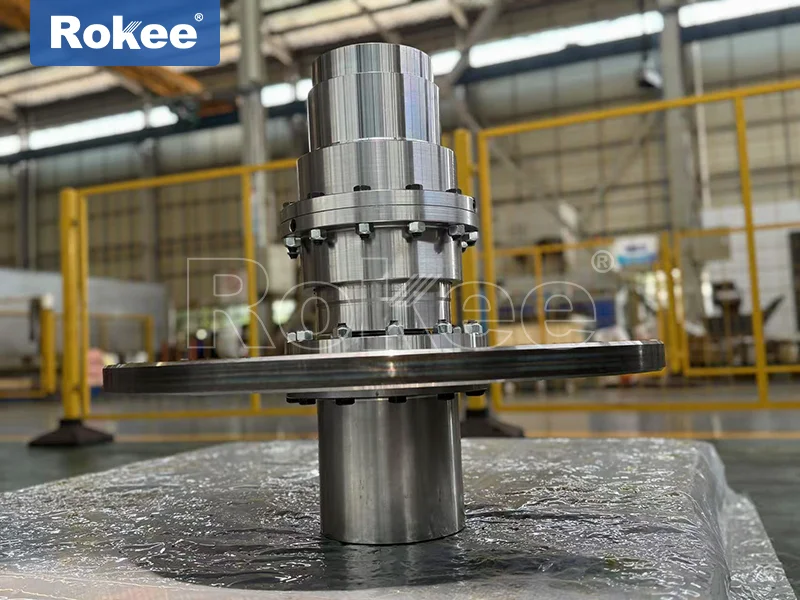
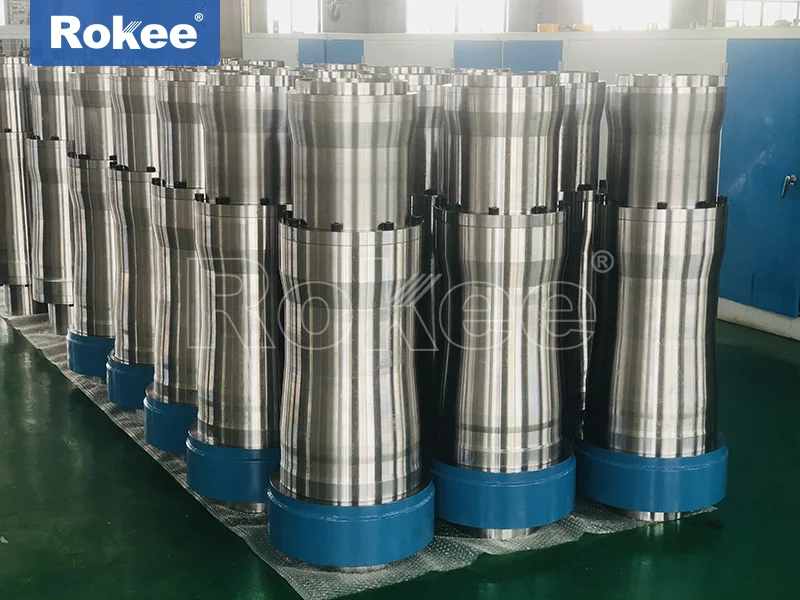
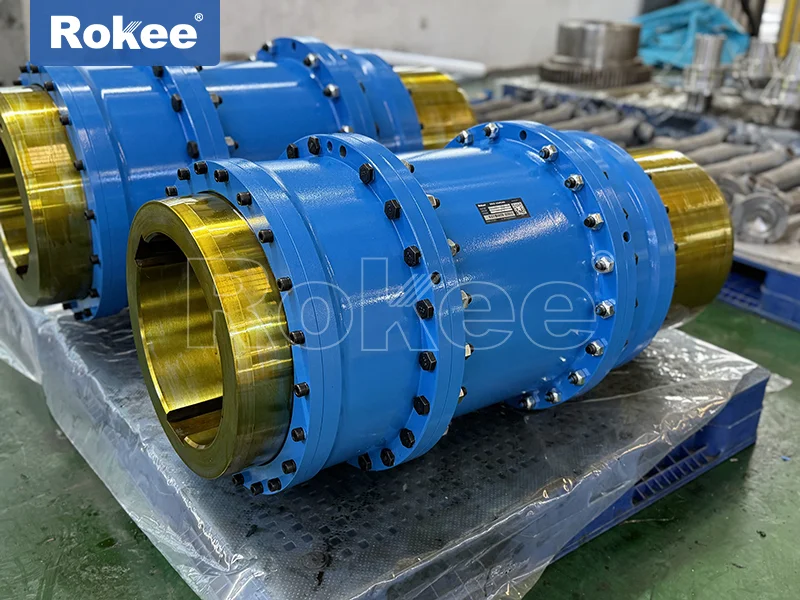
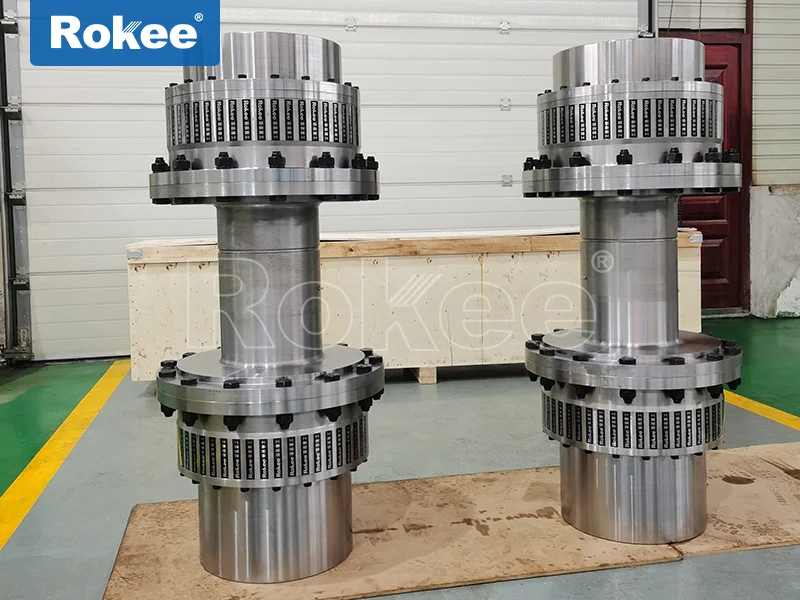
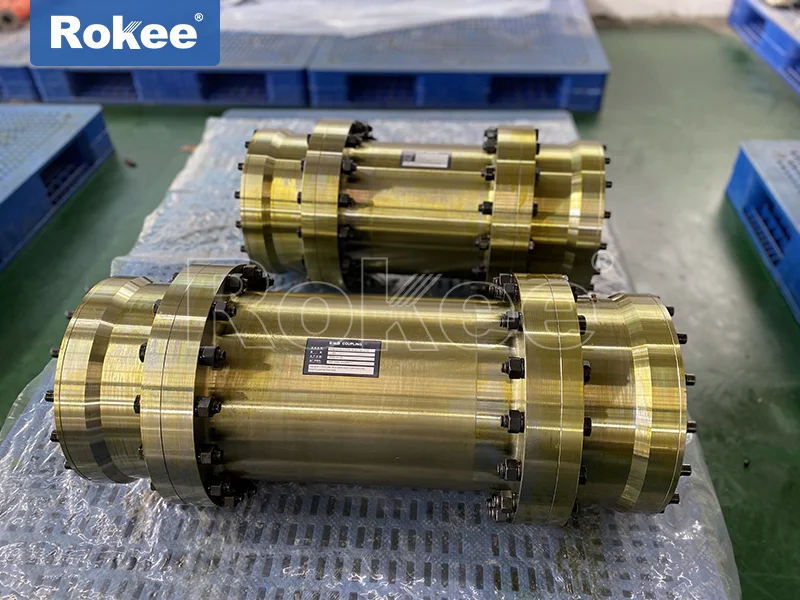
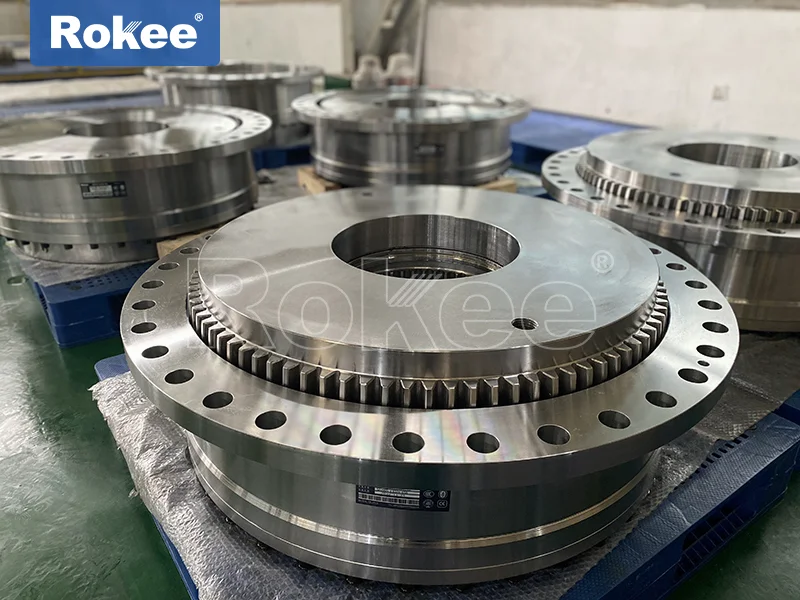
The structural design of industrial full gear coupling is sophisticated and practical, with every component optimized to adapt to high-load and long-term industrial operation environments. The complete structure mainly consists of two toothed hubs with external gear teeth and a double-ended sleeve with internal gear teeth, forming a fully meshed gear transmission structure without redundant auxiliary transmission parts. The external gear teeth on the hubs are usually processed with a slight tooth profile modification, which creates a reasonable gap between meshing tooth surfaces while ensuring tight transmission fit. This structural detail is critical for the coupling’s flexibility, as it reserves space for shaft displacement and angle deviation during equipment operation. The integral metal forging structure of the coupling endows it with high overall structural strength, avoiding deformation or damage under long-term heavy torque impact. Meanwhile, matching sealing structures are installed at both ends of the sleeve, which can effectively isolate external dust, moisture, and granular impurities from the internal meshing area. Compared with half gear couplings and other flexible couplings, the full gear structure realizes full-range tooth meshing, making the force bearing of the entire transmission system more uniform and eliminating local stress concentration caused by partial meshing. The compact overall layout also enables the coupling to maintain powerful transmission performance in limited installation space, which is highly compatible with most integrated industrial mechanical equipment.
The working principle of industrial full gear coupling is based on the precise meshing transmission of internal and external gear pairs, realizing efficient and stable power transmission between driving shafts and driven shafts. When the mechanical equipment starts to operate, the driving shaft drives the toothed hub to rotate, and the external gear teeth of the hub mesh with the internal gear teeth of the intermediate sleeve to transmit rotational torque and speed to the driven shaft side. Different from rigid couplings that rely on rigid connection for fixed transmission, the tooth gap reserved by the modified gear teeth allows tiny relative displacement between meshing parts. When the shaft system produces angular deviation, parallel offset, or axial displacement due to installation errors, equipment vibration, or thermal expansion during operation, the gear meshing gap can fully absorb these deviations without affecting the overall transmission efficiency. In the whole transmission process, multiple gear teeth participate in meshing and force bearing simultaneously, which disperses the instantaneous torque impact generated by equipment start-up, shutdown, and load mutation. This synchronous force-bearing mode avoids the problem of excessive local pressure leading to part fatigue damage. In addition, with the assistance of internal lubricating medium, the friction coefficient between meshing tooth surfaces is greatly reduced, ensuring smooth rotation of the coupling while lowering mechanical loss, and realizing long-term continuous and stable power transmission of the equipment.
Industrial full gear coupling possesses unparalleled core performance advantages compared with other types of transmission couplings, which lays the foundation for its wide application in heavy-duty industrial fields. First of all, it has ultra-high torque transmission density. Benefiting from the large contact area of full gear meshing and uniform force distribution, it can bear huge instantaneous and continuous torque loads with a compact volume, far exceeding the load capacity of elastic couplings and diaphragm couplings of the same specification. Secondly, its multi-dimensional misalignment compensation performance is outstanding. It can adapt to angular deflection, radial offset, and axial displacement of the shaft system generated in actual operation, effectively solving the operation failure and part wear problems caused by inaccurate shaft alignment. Moreover, the all-metal integrated structure gives the coupling excellent environmental adaptability, enabling it to work stably in high-temperature, low-temperature, dusty, and humid harsh working conditions without aging, deformation, or performance attenuation. In terms of operation stability, the gear meshing transmission mode has high rotation accuracy and low backlash, which can avoid rotational speed fluctuation and torque loss during high-speed operation. In addition, its anti-shock performance is prominent, which can effectively buffer the mechanical vibration and impact load generated by equipment variable frequency operation and sudden load changes, protecting the entire transmission system from instantaneous impact damage.
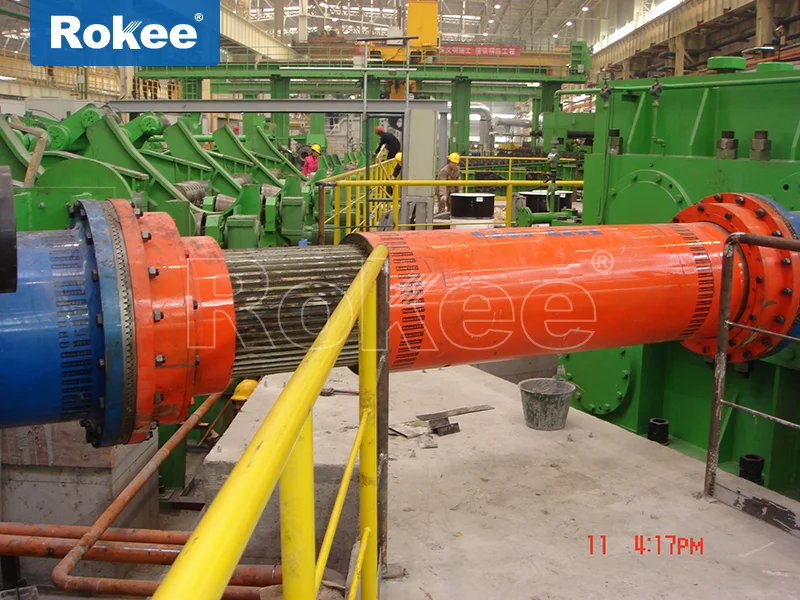
The application scope of industrial full gear coupling covers almost all heavy-load and continuous-operation industrial mechanical transmission scenarios, becoming an indispensable key component of industrial production equipment. In the metallurgical industry, it is widely used in rolling mill transmission systems, which need to operate continuously with high load and high torque for a long time, and its stable transmission performance ensures the continuous production of rolling equipment. In the mining industry, full gear couplings are applied to large-scale crushing equipment, conveyor systems, and hoisting machinery, adapting to the severe working conditions of frequent vibration and variable load in mining sites. In the field of power equipment, they match with large fans, water pumps, and generator transmission devices, maintaining efficient and low-loss power transmission under long-term stable operation requirements. Besides, they are also commonly used in chemical industry processing equipment, building material production machinery, port handling equipment, and other fields. These industrial scenarios all have the characteristics of high load, long operation cycle, and complex working conditions, which put forward high requirements on the reliability and durability of transmission parts. The comprehensive performance of full gear couplings just meets these stringent industrial demands, effectively reducing the failure rate of mechanical transmission systems and improving the overall operational efficiency of industrial equipment.
Lubrication and sealing maintenance is the key to ensuring the long-term stable operation and extending the service life of industrial full gear couplings, and standardized maintenance operations can maximize its transmission performance. The internal gear meshing area of the coupling must be kept in a good lubrication state at all times, and high-viscosity anti-wear lubricating grease is usually used for filling lubrication. Sufficient lubricant can form a uniform oil film on the gear tooth surface, reducing dry friction and wear between meshing teeth, while playing a role in heat dissipation and vibration damping. In the daily operation process, regular inspection of the lubricant state is required. If the lubricant is deteriorated, contaminated, or insufficient, it needs to be cleaned and replenished in time to avoid abrasive wear caused by impurities entering the meshing gap. The sealing components of the coupling also need regular inspection and replacement. Aging, cracking, or falling off of the sealing ring will lead to lubricant leakage and external pollutant infiltration, which will accelerate gear tooth wear and even cause transmission jamming. In addition, during equipment shutdown maintenance, workers need to check the meshing state of gear teeth to observe whether there are tooth surface scratches, abrasion, or fatigue pitting. Timely maintenance and minor repairs can avoid small defects evolving into major equipment failures, ensuring the long-cycle and low-fault operation of the coupling.
Correct installation and operation specifications are essential to give full play to the performance of industrial full gear couplings and avoid abnormal wear and failure. In the installation stage, the coaxiality of the driving shaft and driven shaft must be strictly calibrated to minimize installation deviation. Although the coupling has misalignment compensation capability, excessive initial offset will cause long-term eccentric operation of the gear teeth, resulting in accelerated local wear and reduced transmission stability. During the assembly process, the contact gap of gear teeth should be kept uniform, and the installation position of the sleeve and hub should be accurate to ensure full and synchronous meshing of all gear teeth. In the daily operation process, sudden overload operation of the equipment should be avoided as much as possible. Although the coupling has strong anti-shock load capacity, long-term frequent overload impact will cause fatigue damage to the gear tooth structure and reduce the service life. Meanwhile, attention should be paid to the operating temperature of the coupling. Long-term ultra-high temperature operation will cause lubricant failure and structural thermal deformation, affecting transmission accuracy. In addition, regular operational vibration detection is needed. Abnormal vibration often indicates problems such as uneven gear meshing or excessive shaft deviation, and timely troubleshooting can effectively prevent equipment safety accidents.
With the continuous upgrading of modern industrial mechanical equipment towards high power, high speed, and high integration, the application value and development potential of industrial full gear couplings are constantly improving. Modern industrial production puts forward higher requirements for the reliability, efficiency, and durability of mechanical transmission components, and full gear couplings, with their comprehensive performance advantages, have gradually replaced many traditional coupling products in high-end industrial fields. The continuous optimization of its structural design and processing technology further improves its torque transmission efficiency and misalignment compensation accuracy, while enhancing its adaptability to more extreme working conditions. In the entire industrial transmission system, high-quality full gear couplings can effectively reduce the overall operating cost of equipment, lower the frequency of maintenance and parts replacement, and improve the continuous operation capacity of production lines. As a basic core mechanical component, it provides a solid guarantee for the stable operation of heavy industrial equipment, efficient production, and safe operation, and will continue to play an irreplaceable key role in the development of modern industrial machinery in the future.