Flexible Gear Coupling For Industrial Machinery
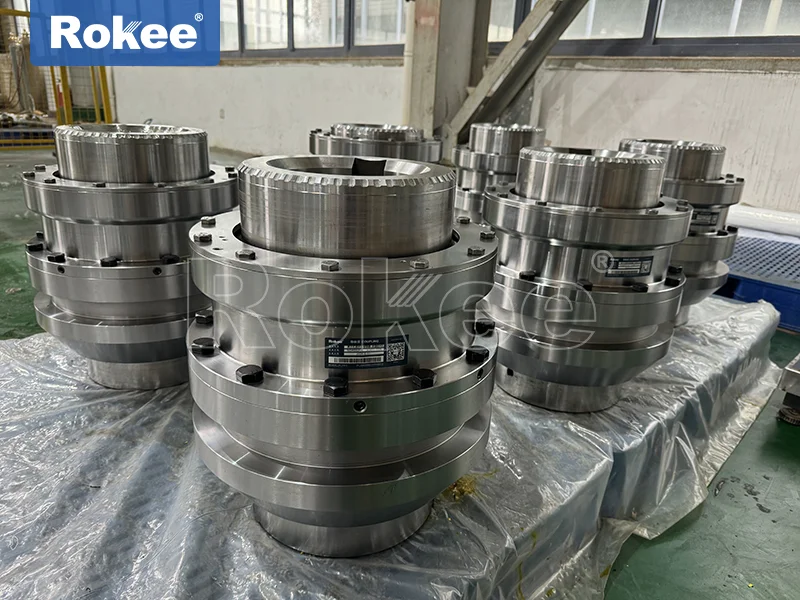
Flexible gear couplings stand as indispensable mechanical transmission components in modern industrial machinery, serving as a critical connecting bridge between driving and driven shafts in various power transmission systems. Engineered to integrate high-efficiency gear transmission with flexible adaptive performance, these couplings effectively address common operational challenges in industrial equipment, including shaft misalignment, mechanical vibration, and impact load fluctuations. Unlike rigid coupling structures that feature fixed and inflexible connections, flexible gear couplings adopt a unique internal and external gear meshing design with optimized tooth profiles, enabling subtle displacement compensation during high-speed and high-torque operation. They deliver stable power transmission while buffering mechanical shocks, reducing equipment wear, and extending the overall service life of transmission systems. Widely applicable in heavy-duty and continuous-operation industrial scenarios, they balance transmission accuracy, structural durability, and operational flexibility to meet the diverse and rigorous working demands of modern industrial machinery.
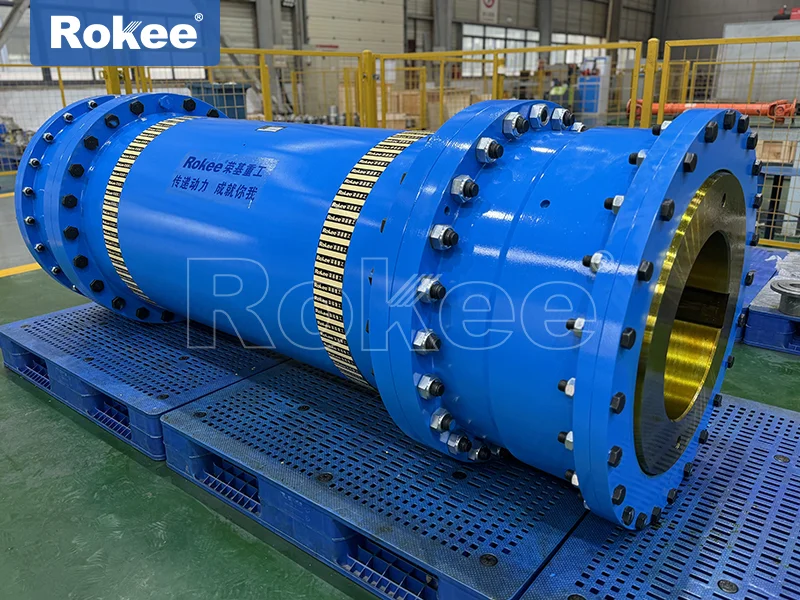
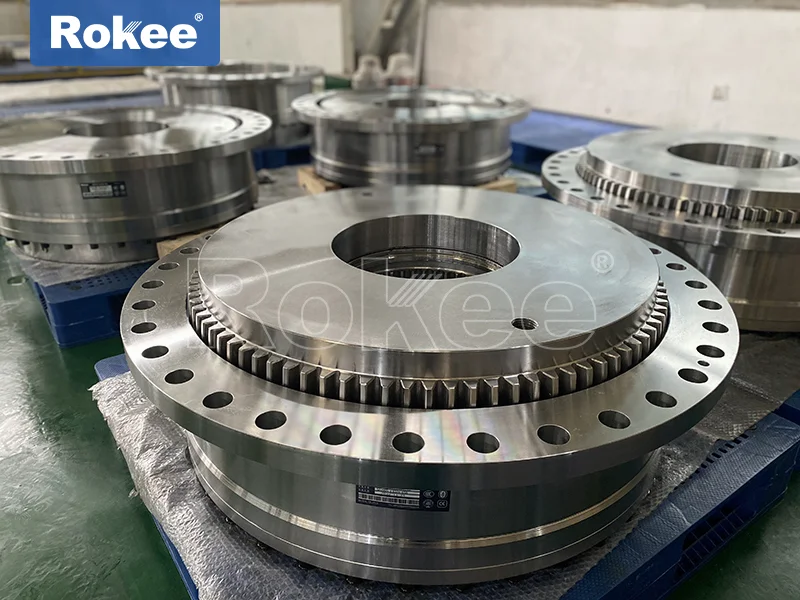
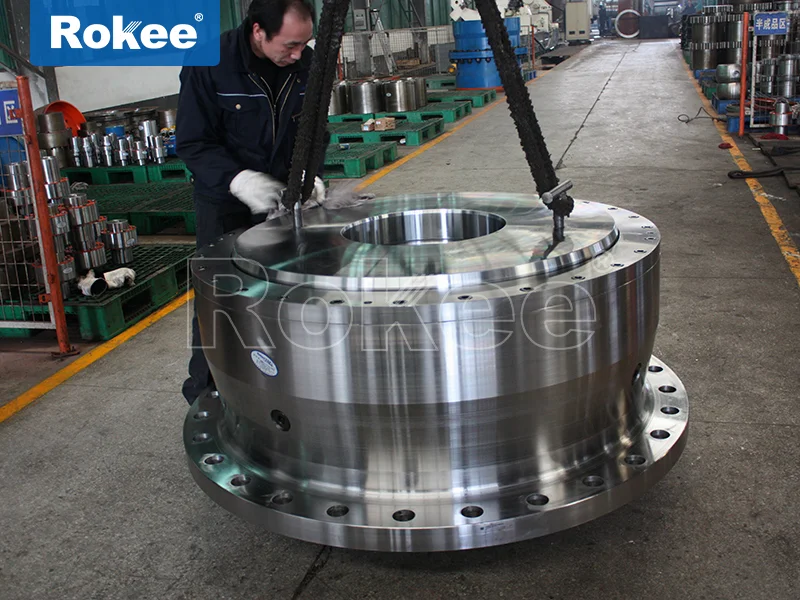
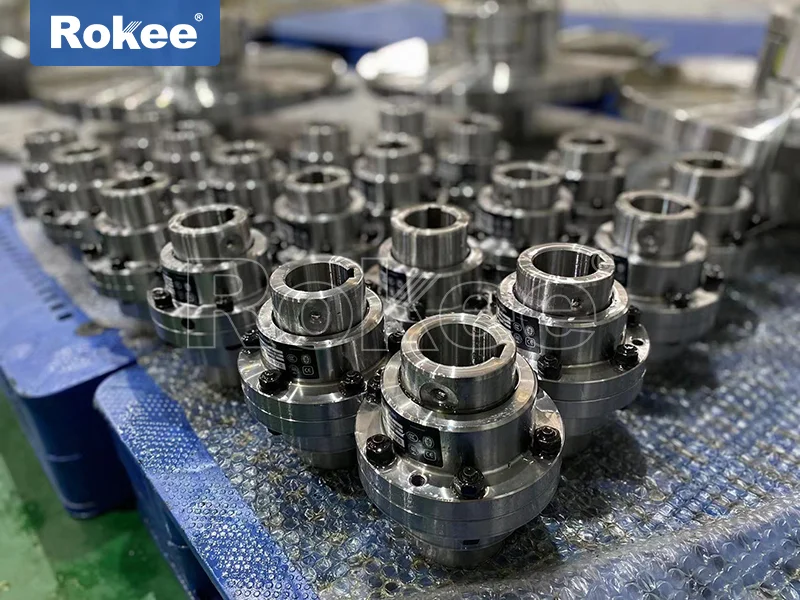
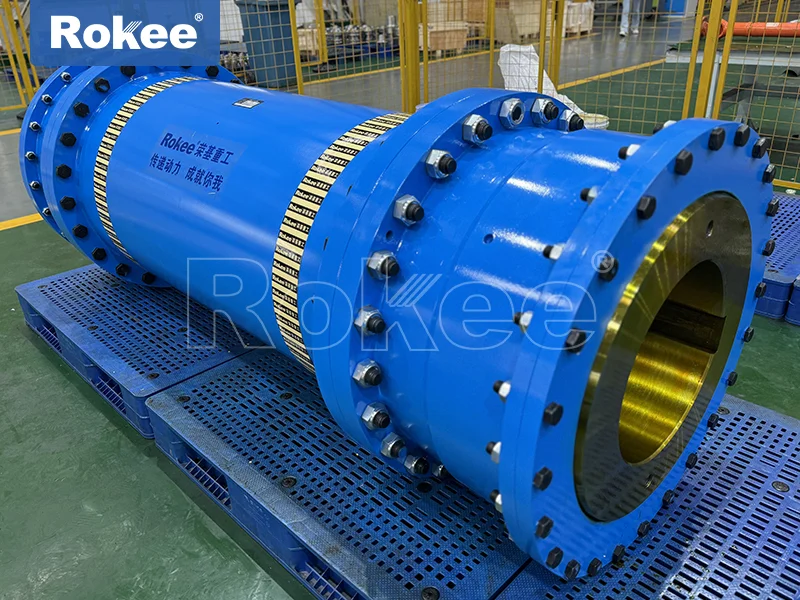
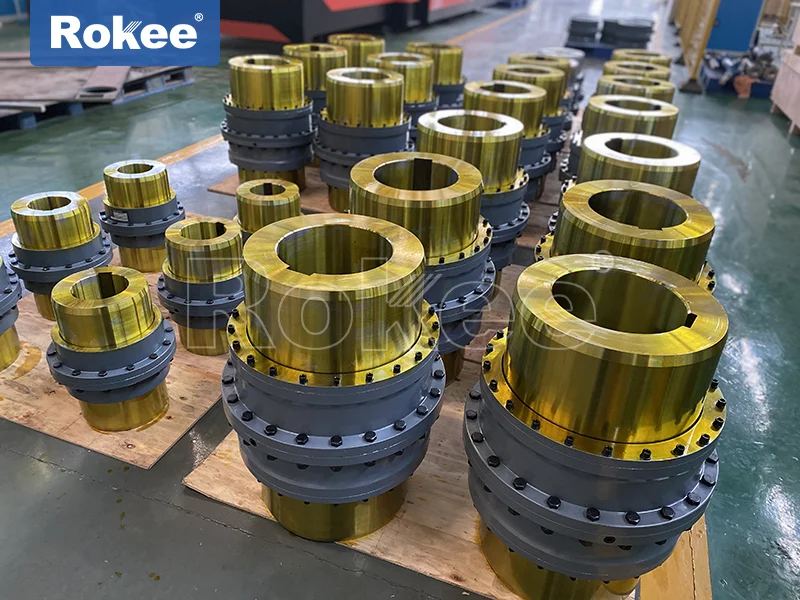
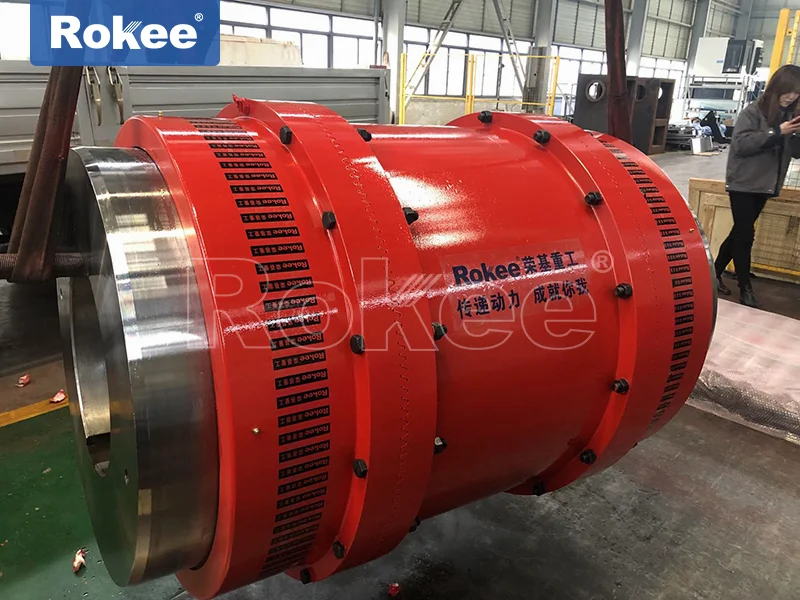
The core structural composition of flexible gear couplings lays a solid foundation for their superior transmission performance and flexible adaptability, with every component precisely designed to coordinate power transmission and deviation compensation. Primarily, the coupling consists of two gear hubs with external crowned gear teeth and one or two cylindrical sleeves equipped with internal gear teeth, forming a closed meshing transmission structure. The crowned design of external gear teeth is a key structural innovation, differing from flat gear teeth of traditional rigid transmission parts; the curved tooth surface allows free sliding and micro-angle adjustment during meshing movement. This structural feature creates reasonable gaps between meshing gear teeth, reserving flexible space for various minor shaft displacements generated during equipment operation. All core components are manufactured with high-strength alloy materials that undergo rigorous forging and heat treatment processes, ensuring excellent structural rigidity and wear resistance. The overall compact structure avoids excessive space occupation in mechanical equipment, while the integrated assembly design simplifies installation and later maintenance procedures, making it compatible with most mainstream industrial transmission equipment structures.
The working principle of flexible gear couplings centers on flexible meshing transmission and automatic displacement compensation, enabling stable power output under complex industrial operating conditions. During equipment operation, the driving shaft drives the gear hub to perform synchronous rotational movement, and the external gear teeth on the hub mesh tightly with the internal gear teeth of the outer sleeve to transmit rotational torque and mechanical power to the driven shaft. When industrial machinery operates for a long time, factors such as equipment vibration, thermal expansion and contraction of metal components, and minor installation errors inevitably cause parallel, angular, and axial misalignment between the connected two shafts. The crowned tooth profile and reserved meshing gaps of the flexible gear coupling can automatically adapt to these tiny deviations, realizing sliding compensation between gear tooth surfaces without generating additional mechanical stress. While completing efficient power transmission, this working mode effectively disperses concentrated pressure on local components, avoids rigid friction and extrusion between shafts, and ensures the continuity and stability of the entire transmission system even under dynamic operating changes.
Flexible gear couplings boast prominent performance advantages that make them superior to many other flexible transmission components in industrial application scenarios. Their most notable feature is ultra-high torque transmission density, which enables compact-sized couplings to bear and transmit large torque loads, perfectly adapting to the heavy-duty operation requirements of industrial machinery. Compared with elastic couplings that rely on rubber or polymer buffer parts, gear couplings avoid aging, deformation, and failure of elastic materials, possessing far stronger structural durability and environmental adaptability. They can operate stably in high-temperature, low-temperature, dusty, and humid industrial environments without performance attenuation. In terms of vibration and shock absorption, the relative sliding of meshing gear teeth can effectively buffer instantaneous impact loads generated by equipment startup, shutdown, and load mutation, reducing vibration amplitude and operating noise of the transmission system. Additionally, the uniform stress distribution of the gear meshing structure minimizes local component wear, greatly lowering the failure rate of transmission parts and reducing unplanned downtime of industrial equipment.
The versatile application scenarios of flexible gear couplings cover almost all core fields of industrial machinery that require stable power transmission and deviation compensation. In heavy industrial equipment such as mining machinery and metallurgical equipment, these couplings cope with long-term continuous heavy load and frequent impact load working conditions, ensuring stable power output of large-scale crushing, grinding, and rolling equipment. In fluid machinery systems including industrial pumps, fans, and compressors, they effectively compensate for shaft misalignment caused by equipment vibration and thermal deformation, preventing transmission jitter and efficiency attenuation of fluid conveying systems. They also perform excellently in large conveyor equipment, textile machinery, and chemical production equipment, adapting to continuous cyclic operation and variable load working modes. Whether it is high-speed light-load operation or low-speed heavy-load production scenarios, flexible gear couplings can maintain stable transmission performance, providing reliable basic guarantee for the normal operation of various industrial production lines.
Reasonable daily maintenance and standardized operation are crucial to maximizing the service life and working efficiency of flexible gear couplings in industrial machinery. Although the coupling has high structural durability, long-term high-load operation will inevitably cause slight wear on gear tooth surfaces, so regular inspection of meshing conditions is required in daily production. It is necessary to regularly check the lubrication state of the meshing parts, maintain sufficient and clean lubricating oil or grease, and avoid dry friction between gear teeth that accelerates component wear. Meanwhile, staff should regularly observe the operating vibration and noise of the coupling; once abnormal vibration or harsh noise occurs, it indicates excessive gear tooth wear or misalignment beyond the compensation range, requiring timely shutdown inspection and adjustment. In addition, during equipment startup and operation, avoid frequent instantaneous overload impact, which can effectively reduce fatigue loss of gear structures. Standardized maintenance procedures can not only extend the service cycle of the coupling but also avoid secondary damage to other mechanical components caused by coupling failure.
With the continuous upgrading of modern industrial machinery towards high precision, high efficiency, and intelligent heavy duty, the technological optimization of flexible gear couplings is also advancing continuously to adapt to evolving industrial production demands. Modern optimized flexible gear couplings adopt more precise tooth profile processing technology, further improving the accuracy of deviation compensation and the stability of torque transmission, which can meet the higher precision operation requirements of automated industrial equipment. The innovation of new high-strength wear-resistant materials further enhances the component’s resistance to fatigue wear and environmental corrosion, adapting to more extreme industrial operating environments. In terms of structural design, the simplified assembly and disassembly structure reduces the difficulty of equipment maintenance and improves the operational efficiency of production lines. As a core basic transmission component, flexible gear couplings are constantly iterated and upgraded in performance and structure, providing more reliable and efficient technical support for the high-quality operation of modern industrial machinery.
Looking ahead, flexible gear couplings will continue to occupy an irreplaceable core position in the field of industrial mechanical transmission with their unique comprehensive performance. The integration of their high torque resistance, flexible deviation compensation, strong environmental adaptability and long service life makes them more suitable for large-scale, continuous and high-intensity modern industrial production modes than other types of couplings. With the rapid development of intelligent manufacturing and heavy industrial equipment, the market demand for high-performance flexible gear couplings will continue to grow, and their application scope will be further expanded to emerging industrial fields. Continuous technological innovation and structural optimization will further improve their transmission efficiency and operational stability, reduce maintenance costs, and provide more solid basic component support for the intelligent, efficient and stable development of the entire industrial machinery industry.