Flexible Gear Coupling For Electric Motor
Flexible gear couplings serve as indispensable power transmission components for electric motor systems, designed to connect motor drive shafts and driven equipment shafts while delivering stable torque output under complex operating conditions. Unlike rigid coupling structures that lack adaptive capacity, this specialized mechanical component integrates high torsional rigidity and flexible deformation performance, effectively coping with common shaft misalignment issues including angular deviation, parallel offset and axial displacement during motor operation. It plays a core role in optimizing the operational stability of electric motor devices, reducing mechanical vibration and buffering instantaneous impact loads generated during startup, shutdown and variable speed operation. Widely applicable to various medium and high-power electric motor driving scenarios, the coupling balances efficient power transmission and mechanical protection, extending the service life of motors and matching equipment while lowering daily operation failure rates, making it a preferred connecting part for modern industrial motor transmission systems.
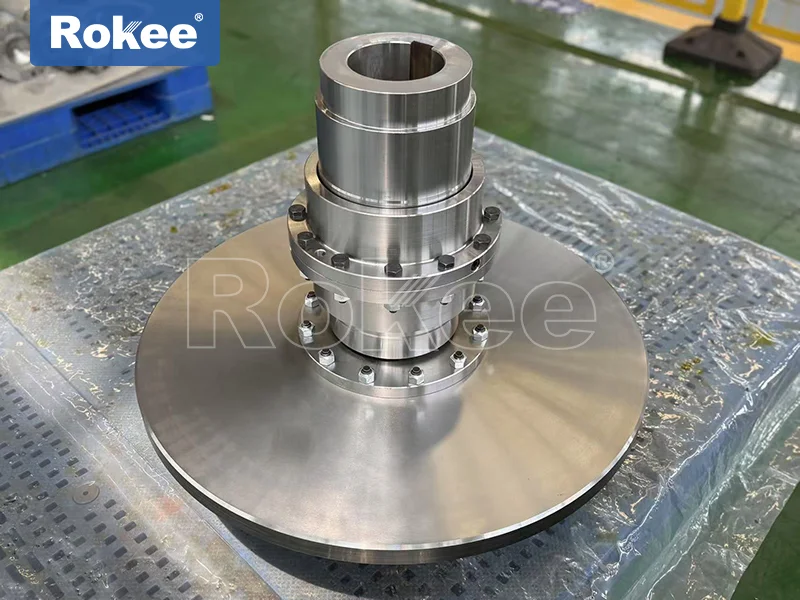
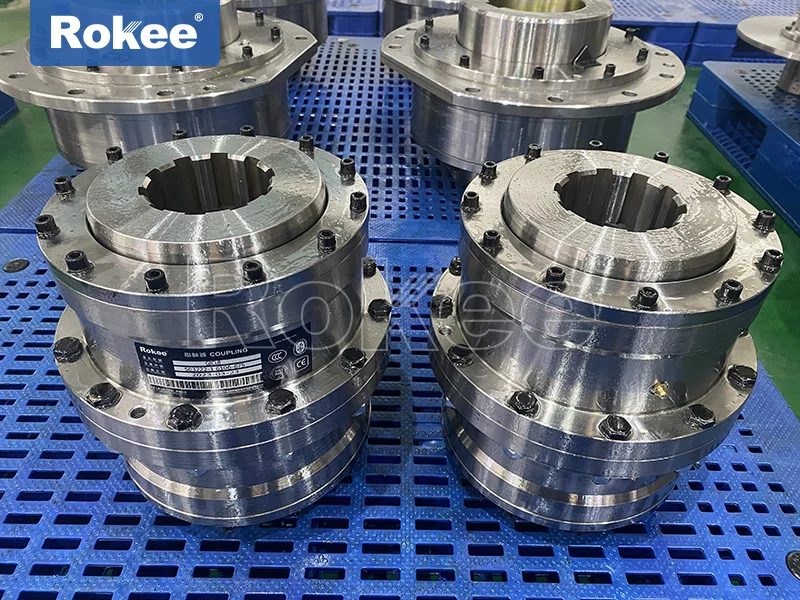
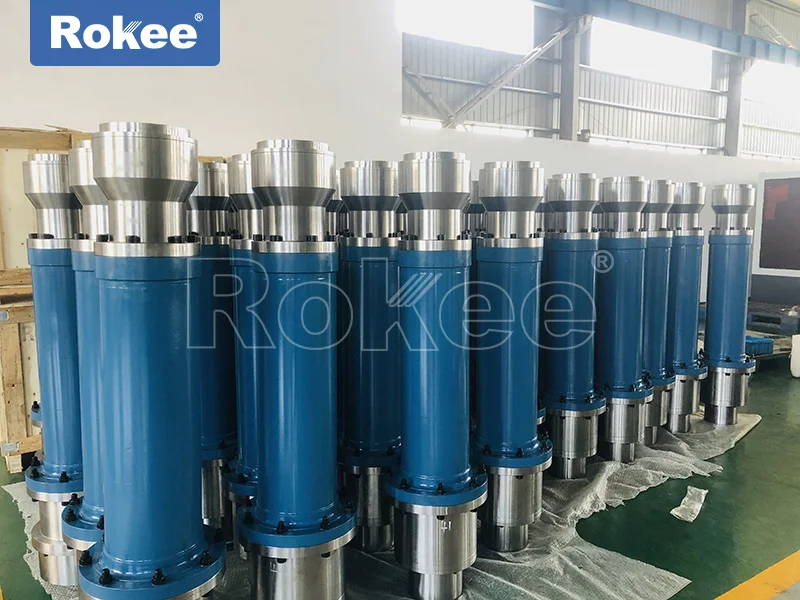
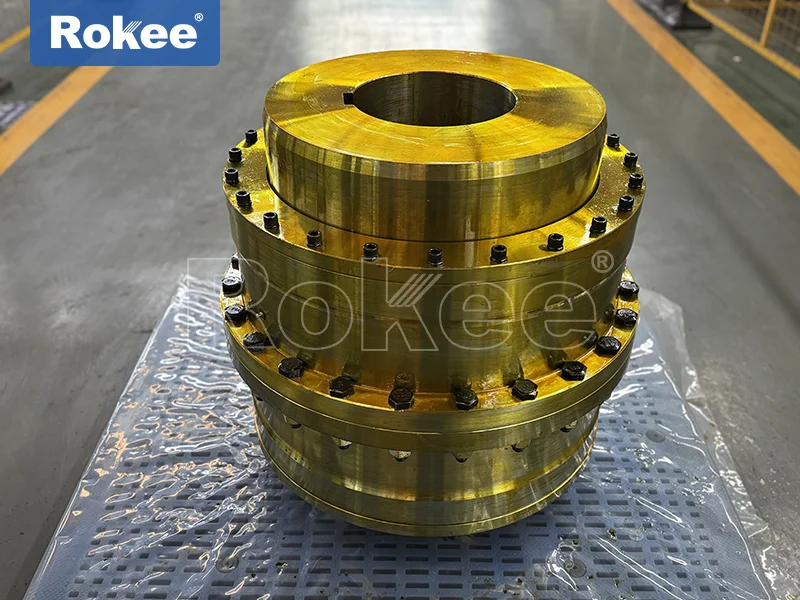
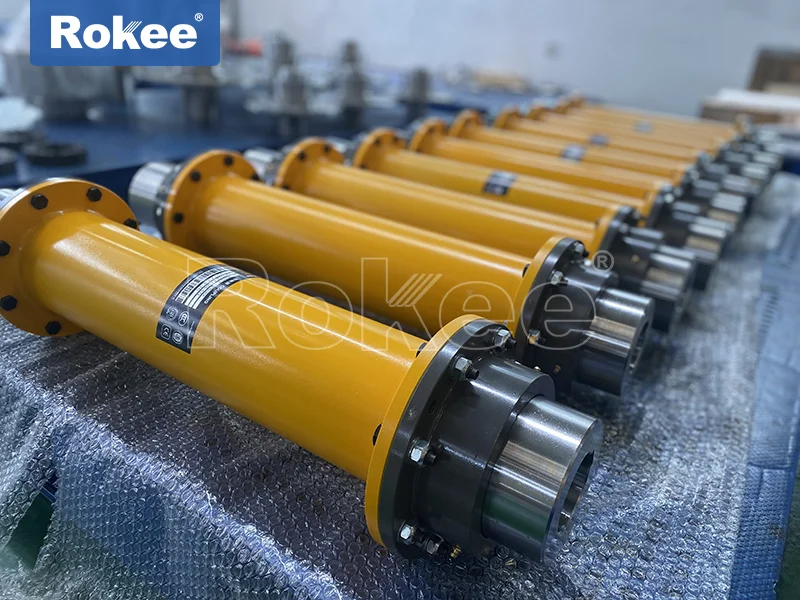
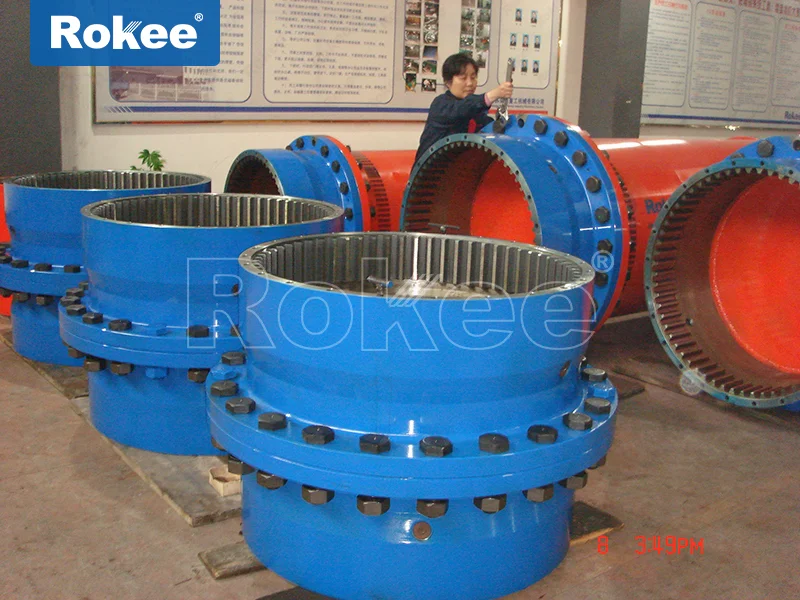
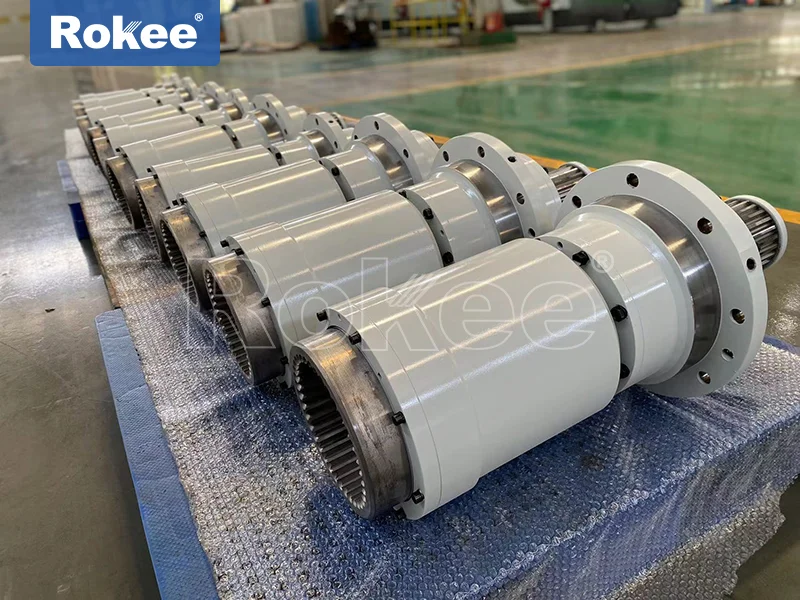
The basic structural composition of flexible gear couplings for electric motors is simple and precise, forming a complete torque transmission system through the coordination of multiple core mechanical parts. The main components include two independent gear hubs with external crowned teeth and one or two internal tooth sleeves that mesh with the hubs. The crowned design of the external gear teeth is the key to its flexible performance, as the rounded tooth profile eliminates rigid contact friction and allows slight angle deflection during shaft rotation. The two gear hubs are respectively fixed on the motor drive shaft and the driven equipment shaft through tight fastening structures, ensuring synchronous rotation with the shafts. The internal tooth sleeve is sleeved outside the two hubs to realize tooth meshing transmission, and the internal cavity of the sleeve reserves a reasonable gap for tooth movement and deformation. Some models are equipped with auxiliary sealing structures to isolate external dust, moisture and impurities, preventing abrasive wear of meshing teeth. This compact structural layout enables the coupling to maintain stable structural integrity under high-speed rotation and heavy load conditions, laying a solid foundation for long-term reliable operation of electric motor transmission systems.
The working principle of flexible gear couplings centers on meshing torque transmission and flexible misalignment compensation, perfectly adapting to the dynamic operating characteristics of electric motors. When the electric motor starts and runs stably, the driving shaft drives the active gear hub to rotate, and torque is evenly transmitted to the driven gear hub through the meshing contact between external teeth and internal sleeve teeth, realizing synchronous rotation of the driven equipment. The flexible performance is mainly reflected in the adaptive deformation of the crowned tooth structure. When installation errors, equipment vibration or thermal expansion cause shaft misalignment, the meshing teeth can produce slight sliding and angle adjustment within the reserved gap, avoiding rigid stress concentration on the shaft and motor bearings. During motor startup and sudden load changes, the tooth gap and flexible contact mode can buffer instantaneous impact torque, disperse peak mechanical stress, and prevent sudden load shocks from damaging the motor rotor and internal precision parts. This integration of rigid transmission and flexible compensation ensures high-efficiency torque output while effectively protecting the electric motor and the entire transmission system from mechanical damage caused by shaft deviation and load fluctuation.
Flexible gear couplings possess unique performance advantages that make them highly compatible with electric motor operating environments, distinguishing them from other types of flexible couplings. First, they feature exceptional high torque density, capable of transmitting large power output in a compact structural size, which is suitable for high-power electric motor equipment with limited installation space. Second, the optimized tooth meshing structure ensures nearly zero backlash transmission, maintaining high rotation accuracy during motor variable-speed and forward-reverse switching operation, which is crucial for equipment requiring precise motion control. In terms of misalignment tolerance, the coupling can adapt to multiple forms of shaft deviation simultaneously, with excellent compensation effect on angular, parallel and axial misalignment generated during motor long-term operation. Additionally, the all-metal structural design endows the coupling with strong high-temperature resistance and wear resistance, avoiding aging and deformation failures easily occurred in elastic couplings under continuous high-load motor operation. It also delivers stable vibration damping performance, effectively reducing high-frequency vibration generated by motor rotation and lowering system operating noise to improve overall equipment operation smoothness.
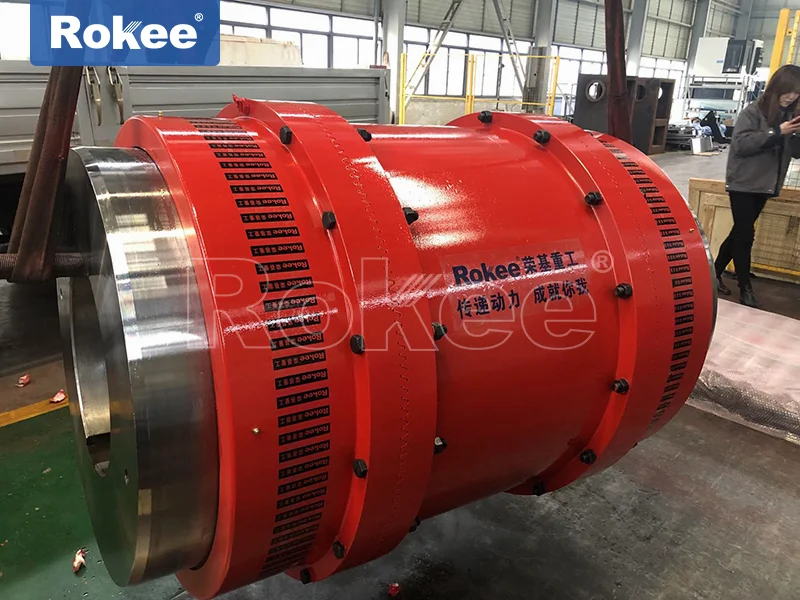
The application scenarios of flexible gear couplings cover a wide range of industrial fields equipped with electric motor drive systems, adapting to diversified heavy-duty and high-efficiency operation demands. In mechanical manufacturing industry, they are widely matched with driving motors of conveyor equipment, mixers and large processing machinery, stably transmitting power for continuous industrial production. In metallurgy and building materials industries, where motors often operate under heavy load and harsh environmental conditions, the couplings rely on their strong wear resistance and impact resistance to ensure stable operation of rolling equipment and crushing equipment drive systems. In petrochemical and water conservancy fields, they support the normal operation of motor-driven pumps, compressors and fluid conveying equipment, adapting to long-term uninterrupted working modes. Moreover, they are also applicable to ventilation power systems, lifting equipment and other medium and high-power motor driving scenarios. Whether it is constant-speed continuous operation or frequent start-stop and variable-speed operation, flexible gear couplings can maintain stable transmission performance, effectively solve various shaft connection problems in motor systems, and meet the reliable operation requirements of different industrial equipment.
Reasonable selection of flexible gear couplings is critical to maximize the operating efficiency and service life of electric motor systems, requiring comprehensive consideration of multiple operating parameters. First of all, the matching should be based on the motor’s rated power and operating torque, ensuring the coupling’s torque bearing capacity is higher than the maximum instantaneous torque generated during motor operation to avoid tooth overload wear and transmission failure. Secondly, the rotating speed range of the coupling needs to match the motor’s working speed, as high-speed motor operation puts forward higher requirements on the coupling’s dynamic balance performance, and only speed-matched models can avoid vibration and resonance problems. In addition, the actual misalignment range of the motor shaft and driven shaft should be fully measured, and a coupling with corresponding compensation capacity should be selected to adapt to installation deviation and operating displacement. It is also necessary to combine the on-site operating environment, such as high temperature, dust and humid conditions, to select couplings with adaptive sealing and wear-resistant structures. Scientific selection can avoid premature failure of the coupling, ensure efficient and stable power transmission of the motor, and reduce unnecessary equipment maintenance costs and downtime losses.
Daily maintenance and inspection of flexible gear couplings are essential to maintain the long-term stable operation of electric motor drive systems, with standardized operation effectively extending the service life of components. Regular visual inspection should be carried out to check for abnormal tooth wear, surface scratches and structural deformation, and timely observe whether there is abnormal vibration and noise during motor operation, which often indicates meshing abrasion or misalignment failure of the coupling teeth. Lubrication maintenance is a key link in daily upkeep; keeping sufficient and clean lubrication inside the tooth sleeve can reduce meshing friction and avoid dry wear and high-temperature aging of parts. It is necessary to regularly clean the dust and impurities accumulated inside the coupling sealing gap to prevent foreign matter from affecting tooth meshing accuracy and causing transmission jitter. Meanwhile, the fastening state of the coupling and shaft connection parts should be checked periodically to prevent loosening caused by long-term motor vibration, which would lead to shaft displacement and aggravated component wear. Standardized maintenance procedures can effectively eliminate potential safety hazards, ensure the coupling always maintains optimal transmission performance, and guarantee the continuous and reliable operation of electric motor equipment.
With the continuous upgrading of industrial motor drive technology, flexible gear coupling technology is also evolving towards high efficiency, precision and durability, further optimizing the matching performance with modern electric motors. Current optimization directions focus on structural refinement and material performance improvement, with optimized tooth profile design further improving misalignment compensation accuracy and reducing transmission friction resistance, enabling the coupling to adapt to high-precision and high-efficiency operation requirements of new energy-saving motors. Advanced wear-resistant and high-strength metal materials are gradually applied to coupling manufacturing, effectively enhancing the component’s fatigue resistance and load-bearing capacity, and adapting to the long-term high-intensity operation mode of industrial motors. In addition, the integrated and compact structural design saves installation space, simplifies the assembly and disassembly process, and improves the convenience of equipment maintenance. As a key connecting component of motor power transmission systems, upgraded flexible gear couplings will better meet the diversified and high-standard operation demands of modern industrial equipment, providing more stable and efficient technical support for electric motor drive system operation.