Heavy Duty Flexible Gear Coupling
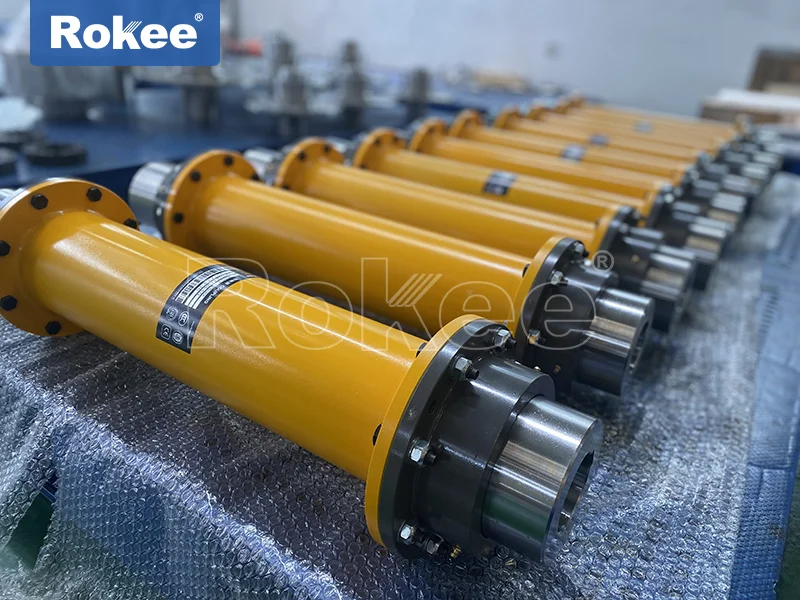
Heavy duty flexible gear couplings are indispensable mechanical transmission components widely adopted in high-load and harsh industrial operating environments, serving as a critical connecting medium for rotating shaft systems in various heavy machinery and equipment. Unlike conventional rigid couplings that feature fixed and rigid connection structures, this type of coupling integrates high-torque transmission capability with flexible adaptive performance, effectively balancing stable power output and mechanical deformation compensation during equipment operation. Its core design relies on the meshing cooperation of internal and external gear structures with optimized tooth profiles, which enables it to transmit continuous rotational torque while accommodating multiple forms of shaft misalignment, including angular deviation, radial offset and axial displacement. Engineered to withstand heavy loads, frequent startup impacts and long-duration continuous operation, it overcomes the structural defects of traditional coupling products such as poor flexibility, easy stress concentration and short service life under extreme working conditions, providing reliable transmission guarantees for large-scale industrial production equipment and mechanical power systems.
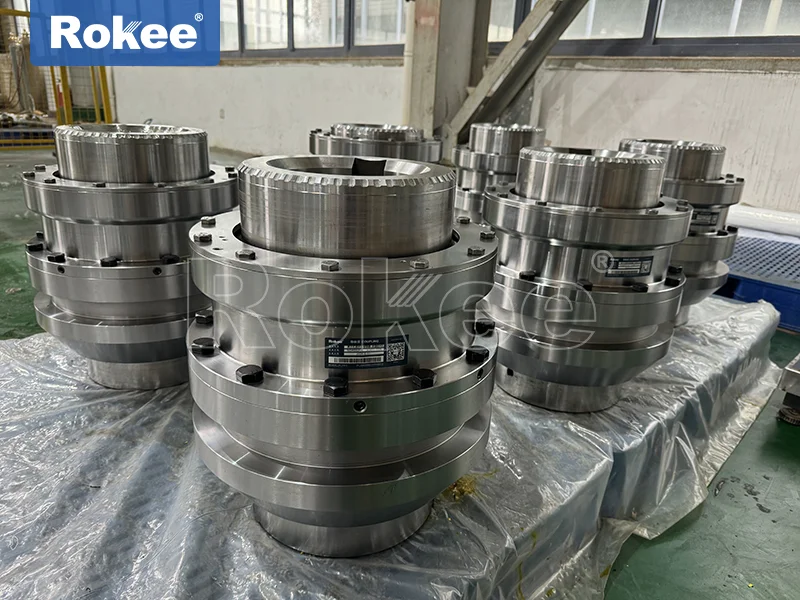
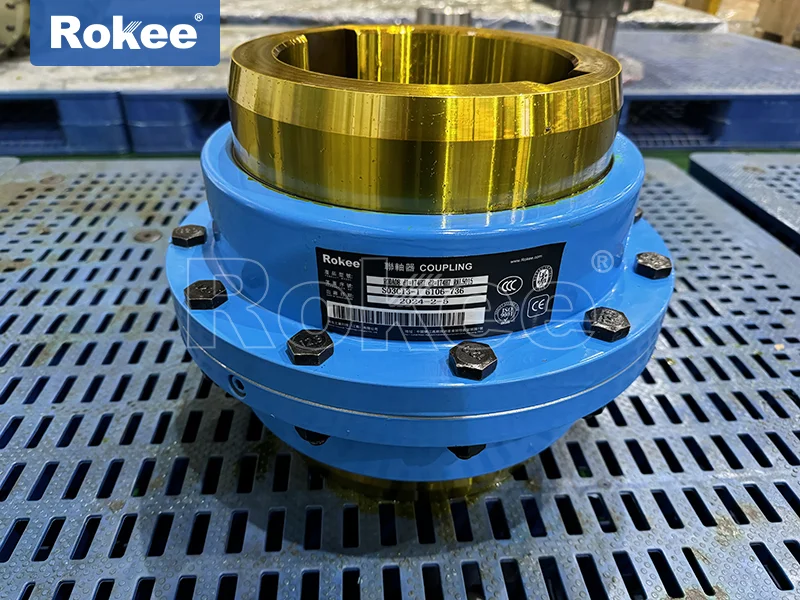
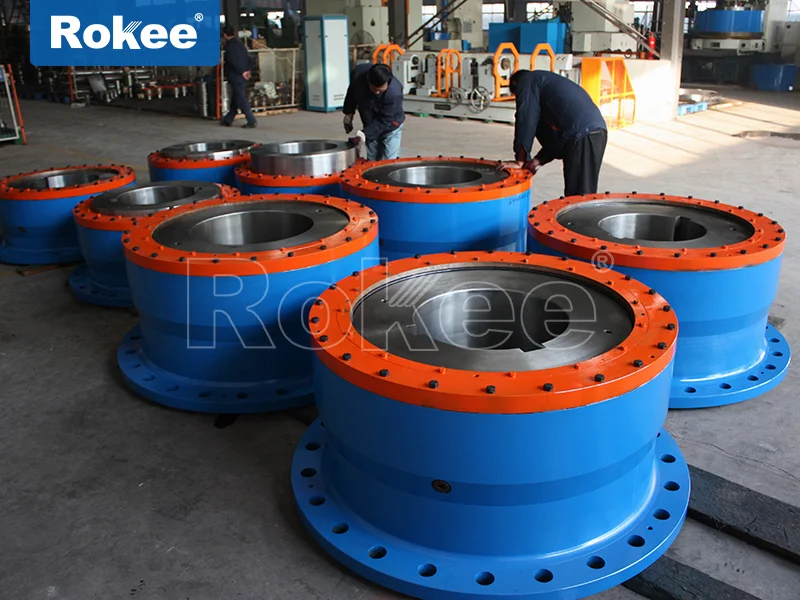
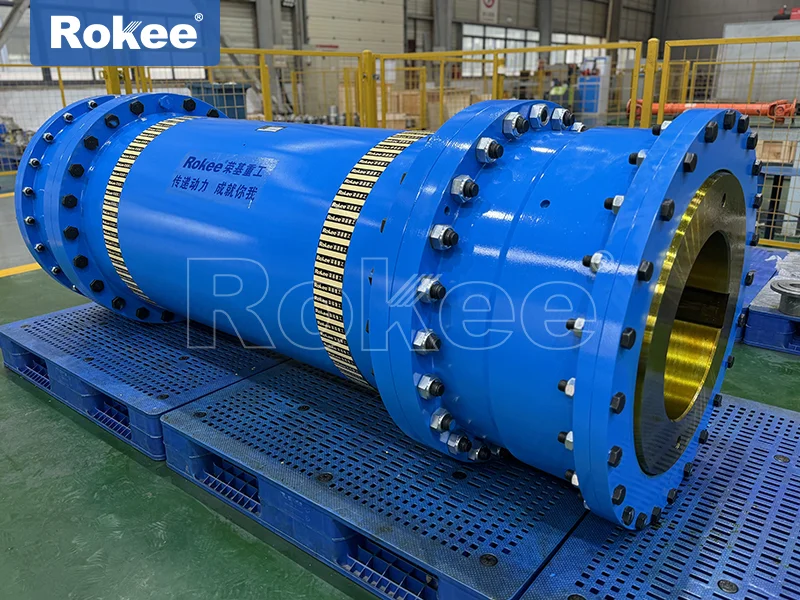
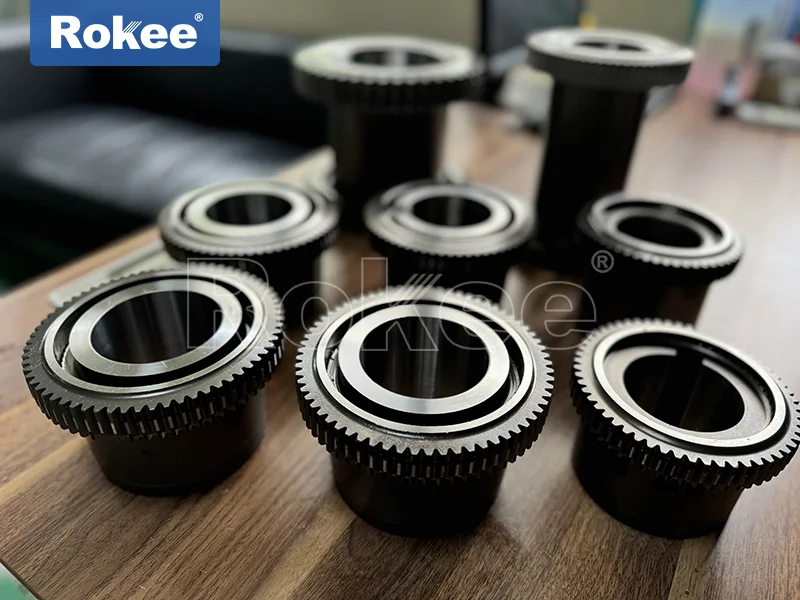
The structural composition of heavy duty flexible gear couplings is scientifically and precisely designed to adapt to complex heavy-load working scenarios, with every component optimized for strength, flexibility and transmission stability. The core structure mainly consists of two gear hubs with external crowned gear teeth and a middle outer sleeve equipped with internal gear teeth, forming a double meshing flexible transmission structure. The crowned tooth profile design of the external gear teeth is the key to its flexible performance, which differs from ordinary straight gear teeth by forming a smooth curved contact surface during meshing. This special structure allows the gear teeth to maintain uniform contact stress even when the connected shafts produce slight displacement or deflection, avoiding local tooth wear and transmission jamming caused by uneven stress distribution. In addition, the internal assembly gap reserved between the gear hub and the outer sleeve provides sufficient space for micro-displacement adjustment of the shaft system during operation. All structural components are made of high-strength wear-resistant materials with excellent toughness and fatigue resistance, which can resist tensile and shear stress generated by long-term heavy torque transmission and avoid structural deformation or damage under fluctuating load conditions.
The working principle of heavy duty flexible gear couplings centers on flexible meshing transmission and multi-dimensional misalignment compensation, realizing efficient and stable power transmission in dynamic operating environments. During equipment operation, the driving shaft drives the active gear hub to perform synchronous rotational motion, and the external gear teeth of the hub mesh tightly with the internal gear teeth of the outer sleeve to transmit rotational torque and mechanical power to the driven shaft system. When the mechanical equipment operates, factors such as equipment installation errors, thermal expansion and contraction of metal components, and long-term operational vibration will cause different degrees of misalignment between the driving and driven shafts. At this time, the flexible meshing gap and crowned tooth profile of the gear coupling can automatically adapt to these displacement changes, allowing appropriate micro-sliding and angular deflection between meshing gear teeth. This adaptive adjustment mechanism eliminates additional bending stress and shear stress accumulated on the shaft system, bearings and equipment base due to shaft misalignment, ensuring that the torque transmission process remains smooth and stable without power loss or mechanical jitter, even in continuously changing operating states.
Heavy duty flexible gear couplings possess outstanding performance advantages that make them superior to many other types of transmission couplings in heavy industrial applications, with high torque density being their most prominent feature. With a compact overall structural size, they can bear and transmit extremely large rotational torque, realizing high-power transmission in limited installation space, which greatly improves the space utilization rate of mechanical equipment. Meanwhile, the product maintains excellent torsional rigidity while having flexible compensation performance, effectively avoiding torsional deformation during high-load transmission and ensuring high-precision power output. In terms of environmental adaptability, it can operate stably in high-temperature, dusty and high-vibration industrial scenarios, with strong resistance to external environmental interference. Its unique tooth meshing structure can also absorb part of mechanical vibration and impact load generated by equipment startup, shutdown and sudden load changes, reducing vibration transmission between equipment components and lowering mechanical noise. Moreover, the integrated structural design reduces the number of vulnerable parts, effectively lowering the failure rate in long-term operation and improving the overall operational stability of mechanical systems.
Lubrication maintenance is a core link to ensure the long-term stable operation and extended service life of heavy duty flexible gear couplings, as the meshing operation of internal gear teeth relies entirely on high-quality lubrication conditions. During continuous high-load operation, relative sliding friction occurs between meshing gear teeth surfaces, and effective lubrication can form a uniform oil film on the tooth surface, isolating direct metal contact and reducing abrasive wear and friction loss. Reasonable lubrication also helps dissipate heat generated by friction during high-speed operation, avoiding excessive local temperature rise that may cause tooth surface annealing, material fatigue and accelerated aging. In actual industrial operation, regular lubricant replacement and oil film state inspection are required according to equipment operating frequency and load intensity. Long-term lack of lubrication will lead to severe tooth surface wear, increased meshing gaps, reduced transmission accuracy, and even tooth breakage and transmission failure in severe cases. Scientific lubrication management can not only maintain the efficient transmission performance of the coupling but also greatly reduce equipment maintenance costs and downtime losses caused by component failure.
Heavy duty flexible gear couplings have a wide range of application scenarios, covering almost all heavy-load mechanical transmission fields that require stable power output and misalignment compensation. In heavy machinery manufacturing, they are widely used in large cranes, excavators and rolling mill equipment, bearing frequent impact loads and variable torque transmission tasks in mechanical operation. In fluid power equipment, they serve as connecting components for large water pumps, fan units and compressor systems, adapting to shaft displacement caused by long-term high-speed operation and ensuring the continuous and stable operation of fluid transmission systems. In addition, they are also applied in marine power propulsion systems, mining transmission equipment and industrial transmission assembly lines, providing reliable connection solutions for various high-load and high-strength operating equipment. Whether it is continuous stable operation under constant load or frequent variable load operation with alternating impact force, the coupling can maintain excellent working performance, effectively protecting key equipment components and improving the overall operational efficiency of industrial production lines.
In terms of operational stability and safety protection, heavy duty flexible gear couplings play an irreplaceable role in optimizing the operating state of mechanical transmission systems. During the startup and load switching process of heavy industrial equipment, instantaneous impact torque will be generated in the shaft system, which is easy to cause fatigue damage to shafts, bearings and reducers. The flexible adjustment capability of the gear coupling can buffer and absorb these instantaneous impact forces, avoid sharp torque fluctuations in the transmission system, and realize smooth switching of equipment operating states. When the equipment is subjected to accidental overload, the gear meshing structure can appropriately release partial stress through micro-sliding, preventing excessive instantaneous torque from damaging core mechanical components. At the same time, its high structural strength can avoid overall fracture and failure under extreme load conditions, ensuring the safety and continuity of equipment operation. This passive protection performance effectively reduces the risk of equipment failure and accidental shutdown, providing solid safety support for stable industrial production.
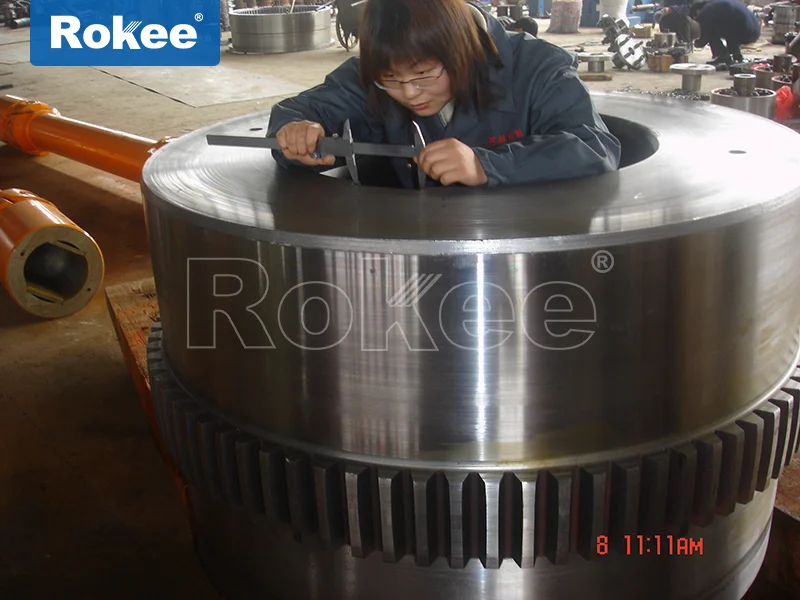
With the continuous upgrading of modern industrial manufacturing technology, the performance optimization and application potential of heavy duty flexible gear couplings are constantly being explored and improved. Modern processing and manufacturing technologies have further optimized the tooth profile precision and structural matching degree of the coupling, making its misalignment compensation range more accurate and torque transmission efficiency higher. Advanced material processing technology has enhanced the wear resistance, corrosion resistance and fatigue resistance of the product, enabling it to adapt to more extreme industrial working environments. In the field of intelligent industrial equipment, the stable transmission performance of heavy duty flexible gear couplings also provides basic guarantee for the precise operation of automated production equipment, meeting the high-precision and high-stability operation requirements of modern intelligent manufacturing. As industrial equipment continues to develop towards high power, high precision and high durability, heavy duty flexible gear couplings will continue to be upgraded in structural design, material performance and adaptive capacity, maintaining its core position in heavy-load mechanical transmission systems and providing more reliable technical support for industrial mechanical power transmission.