In the field of mechanical power transmission, couplings serve as indispensable connecting components that bridge driving and driven shafts, ensuring efficient torque transfer while addressing various operational challenges such as shaft misalignment, vibration, and impact loads. Among the diverse range of flexible couplings available, the plum blossom coupling stands out as a widely adopted and highly versatile solution, favored for its straightforward design, reliable performance, and broad adaptability across multiple industrial scenarios. Unlike rigid couplings that offer no flexibility or shock absorption, this type of coupling integrates elastic elements to deliver a balanced mix of torque transmission capacity, displacement compensation, and vibration damping, making it a staple in medium and small power transmission systems.
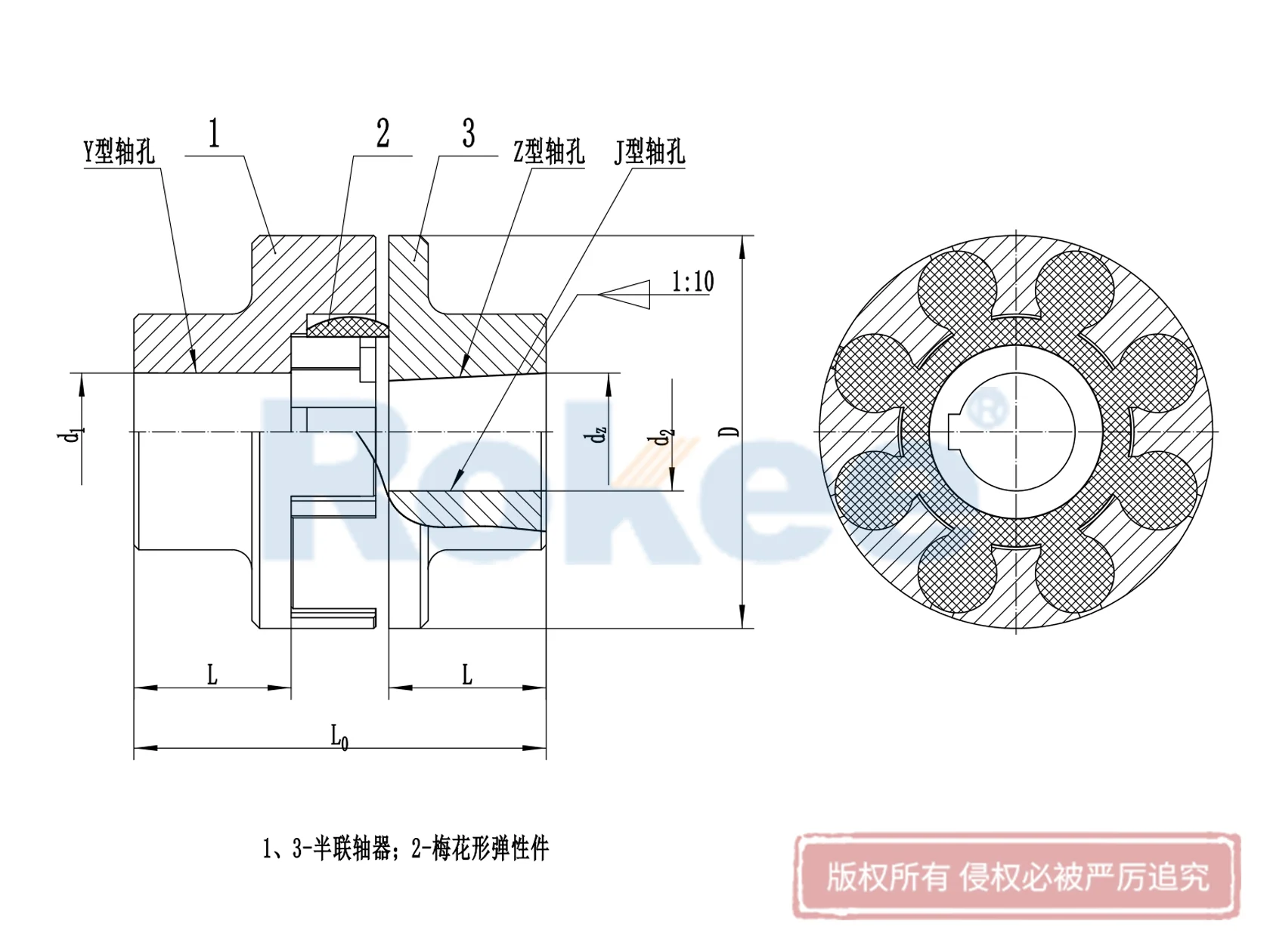
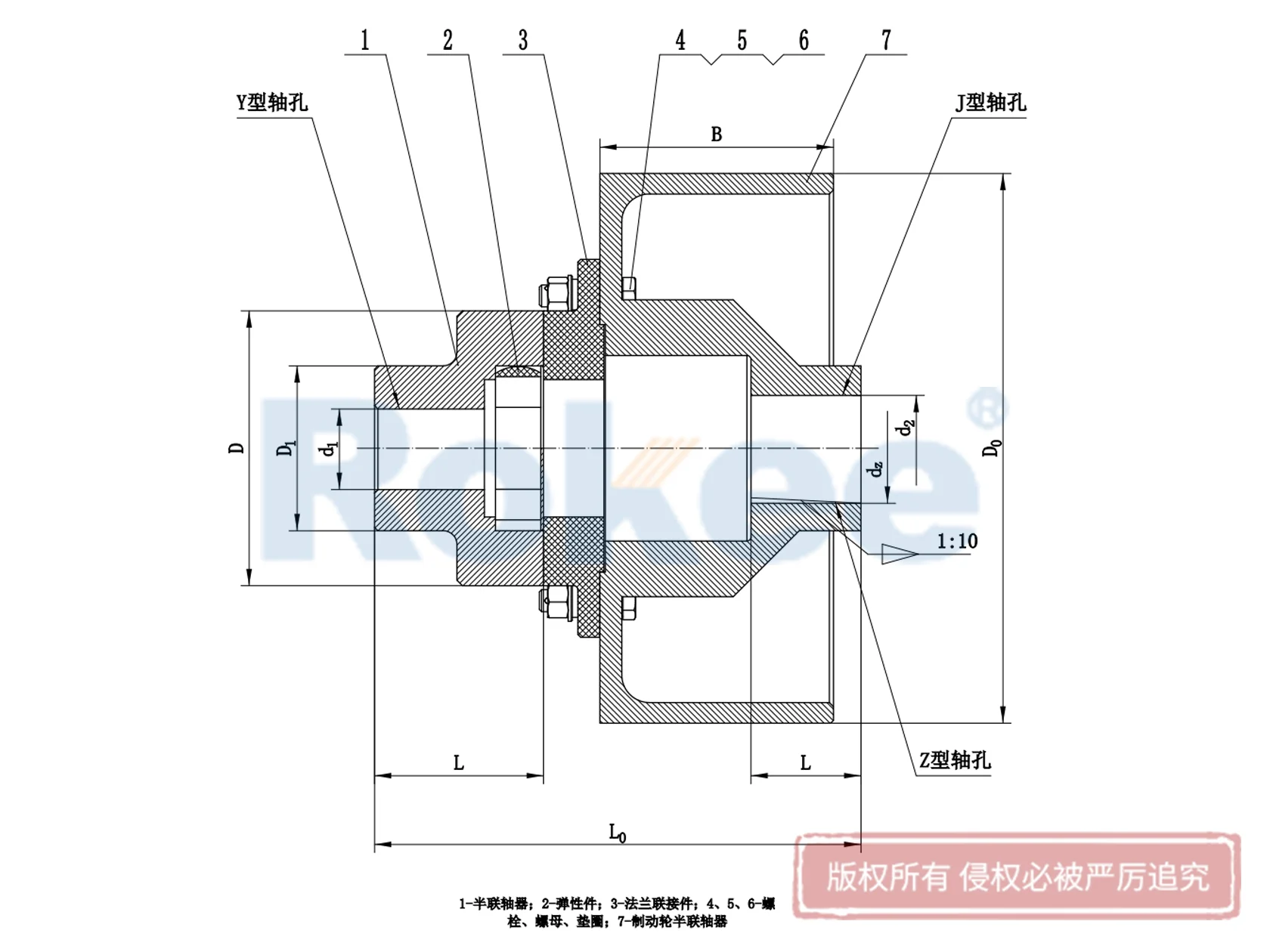
At its core, the plum coupling features a compact and rational structural composition, consisting of three fundamental parts: two metal semi-couplings with protruding claw teeth and a plum blossom-shaped elastic cushion that fits snugly between the interlocking claws of the two semi-couplings. The semi-couplings are typically forged from high-strength structural steel, carbon steel, or aluminum alloy, with the choice of material dependent on the intended load-bearing requirements and operational environment. Steel semi-couplings are preferred for heavy-duty, high-torque applications due to their exceptional mechanical strength and wear resistance, while aluminum alloy variants are utilized in lightweight, high-speed systems where reduced rotational inertia and minimal weight are critical. The claw teeth on each semi-coupling are precision-machined to form a staggered, intermeshing configuration, designed to evenly distribute contact pressure with the elastic cushion and prevent localized stress concentration during torque transmission. The plum blossom elastic cushion, the heart of the coupling’s flexible performance, is crafted from high-performance elastic polymers such as polyurethane, natural rubber, or specialized engineering elastomers, with customizable hardness levels to match different operational demands. This elastic component features a petal-like contour that aligns perfectly with the claw teeth of the semi-couplings, creating a tight, gap-free fit that enables efficient power transfer through compressive force between the claws and the cushion.
The assembly process of the plum coupling is simple and efficient, requiring no complex tools or specialized technical expertise. The two semi-couplings are mounted securely onto the driving and driven shafts respectively, often secured via keyway connections or clamping mechanisms to prevent slippage during rotation. The plum blossom elastic cushion is then inserted into the gap between the interlocked claw teeth, completing the connection. One notable structural advantage is the absence of lubrication points throughout the assembly, eliminating the need for regular oiling or greasing and significantly reducing routine maintenance workload. This maintenance-free characteristic stems from the friction-free power transmission mode, where torque is transferred through the compression of the elastic cushion rather than sliding or rolling contact between metal parts. Additionally, the overall radial size of the coupling is compact, and its rotational inertia is low, making it well-suited for high-speed operational conditions where excessive inertia could compromise system stability and energy efficiency. The modular design of the elastic cushion also simplifies replacement; when the cushion wears out or deforms under prolonged use, it can be quickly removed and replaced without dismantling the entire coupling or repositioning the connected shafts, minimizing downtime and enhancing the overall operational continuity of the machinery.
The performance of the plum coupling is defined by a set of core attributes that make it highly functional in real-world mechanical systems, starting with its exceptional torque transmission capacity and operational stability. The interlocking claw structure, combined with the high-strength elastic cushion, enables the coupling to transmit medium to high levels of torque efficiently, with minimal power loss even under continuous heavy loading. The even distribution of force across the multiple petal segments of the elastic cushion ensures that load pressure is spread uniformly, preventing premature wear or failure of individual components and extending the service life of the entire coupling. Beyond torque transfer, the coupling excels in compensating for various forms of shaft misalignment, a common issue in mechanical systems caused by installation errors, thermal expansion, or mechanical deformation during operation. It can effectively accommodate radial displacement, angular displacement, and axial displacement within specified ranges, absorbing minor deviations between the driving and driven shafts without imposing excessive additional stress on bearings, gears, or other vulnerable components. This displacement compensation capability is crucial for protecting precision machinery and preventing premature fatigue failure of connected equipment.
Another standout performance feature is its superior vibration damping and shock absorption properties, which are directly attributed to the elastic deformation of the plum blossom cushion. During mechanical operation, especially in systems with variable loads, sudden starts and stops, or intermittent impact forces, the elastic cushion compresses and rebounds dynamically, absorbing vibrational energy and cushioning impact loads before they can propagate throughout the transmission system. This not only reduces noise levels generated by mechanical vibration but also shields critical components such as motors, reducers, and pumps from damage caused by sudden stress spikes. The coupling also exhibits excellent electrical insulation properties, as the non-metallic elastic cushion acts as an insulating barrier between the two metal semi-couplings, preventing the transmission of stray electrical currents between connected shafts. This is particularly valuable in applications where electrical interference could disrupt system performance or damage sensitive electronic control components. Furthermore, the coupling demonstrates strong environmental adaptability, with elastic cushions available in specialized formulations to resist oil, high temperatures, abrasion, and chemical corrosion, allowing it to operate reliably in harsh working conditions such as industrial workshops, outdoor construction sites, and manufacturing facilities with exposure to lubricants, dust, or extreme temperatures.
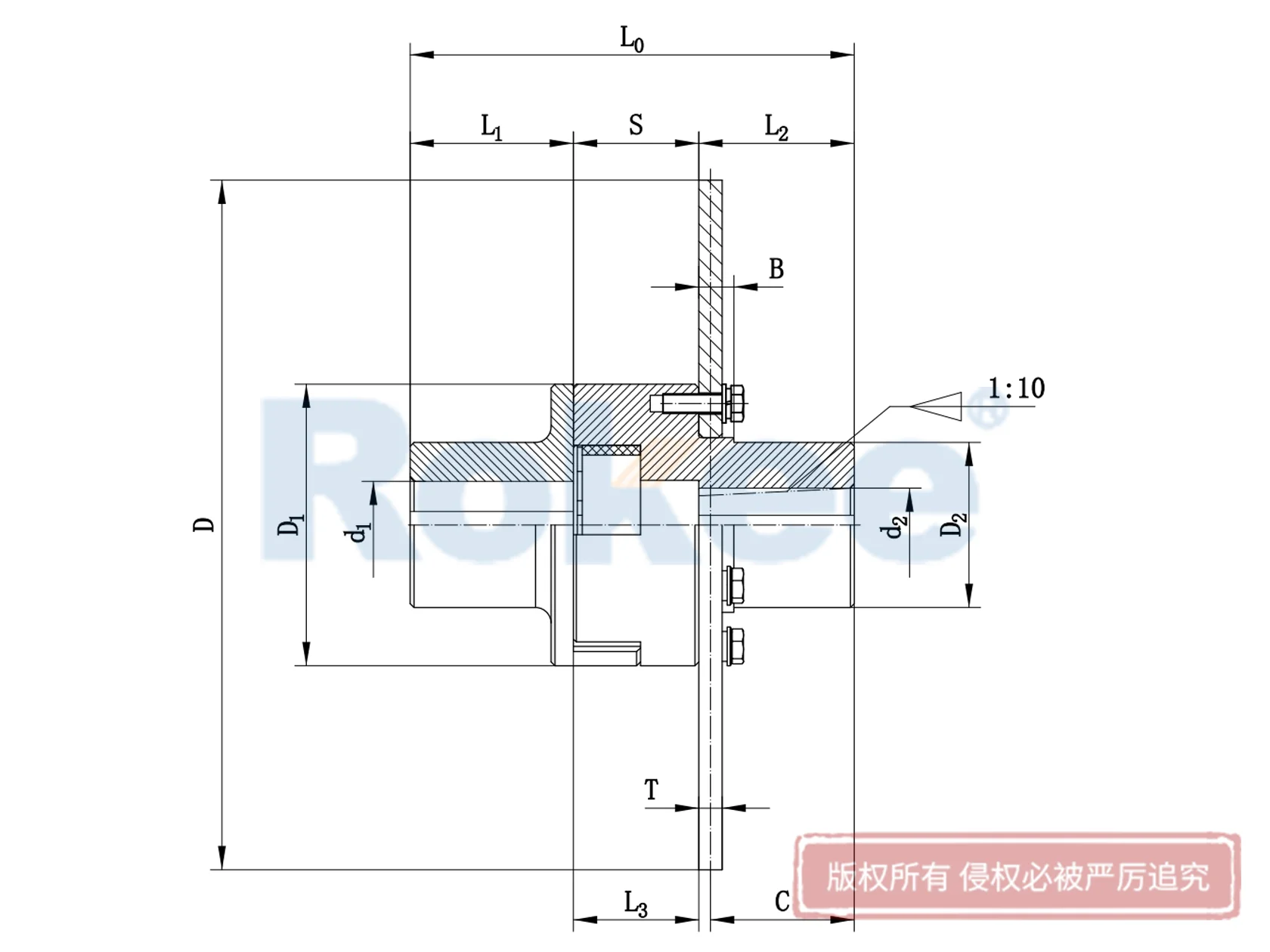
Plum couplings are classified into distinct types based on multiple criteria, including structural design, elastic cushion material, claw tooth profile, and functional features, each tailored to specific operational requirements and application scenarios. The most common classification is based on structural configuration, which divides the couplings into basic standard types, single-flange types, double-flange types, and brake wheel integrated types. The basic standard plum blossom coupling is the most widely used variant, featuring a simple, compact design with no additional flanges or auxiliary components, ideal for general-purpose power transmission where space is limited and no special installation or braking functions are needed. It offers the core benefits of flexibility, vibration damping, and misalignment compensation at a minimal structural cost, making it the default choice for most conventional mechanical systems.
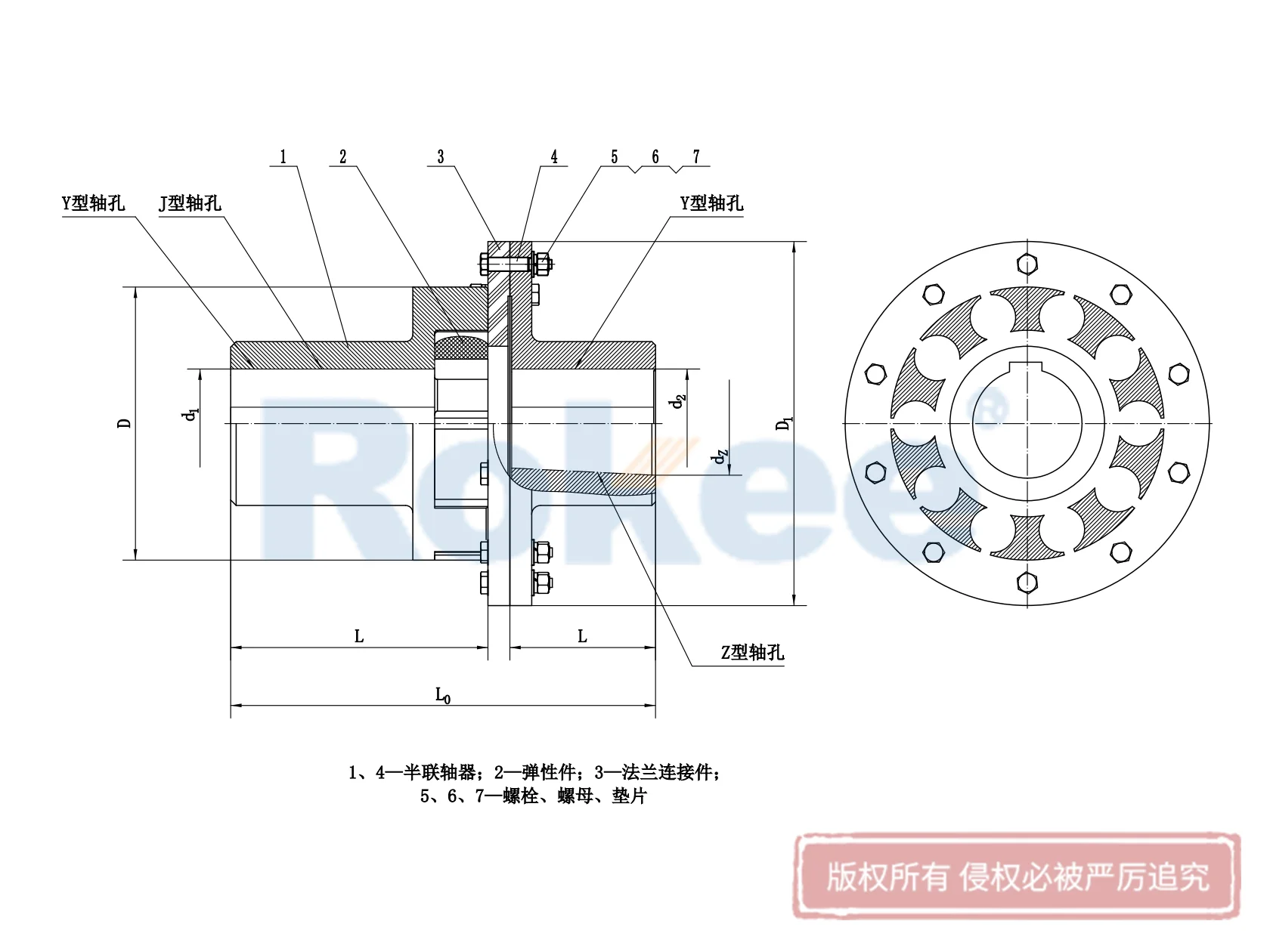
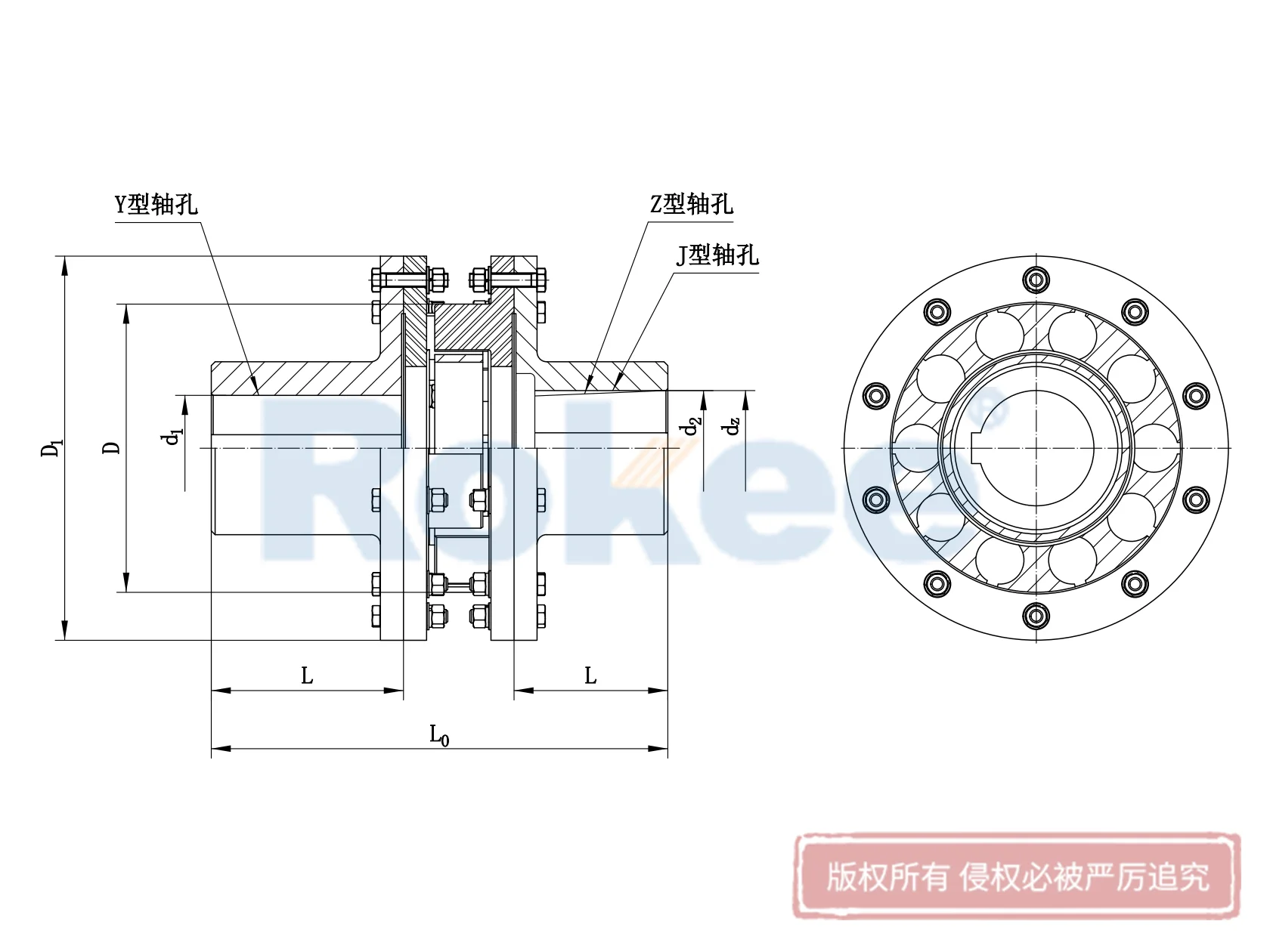
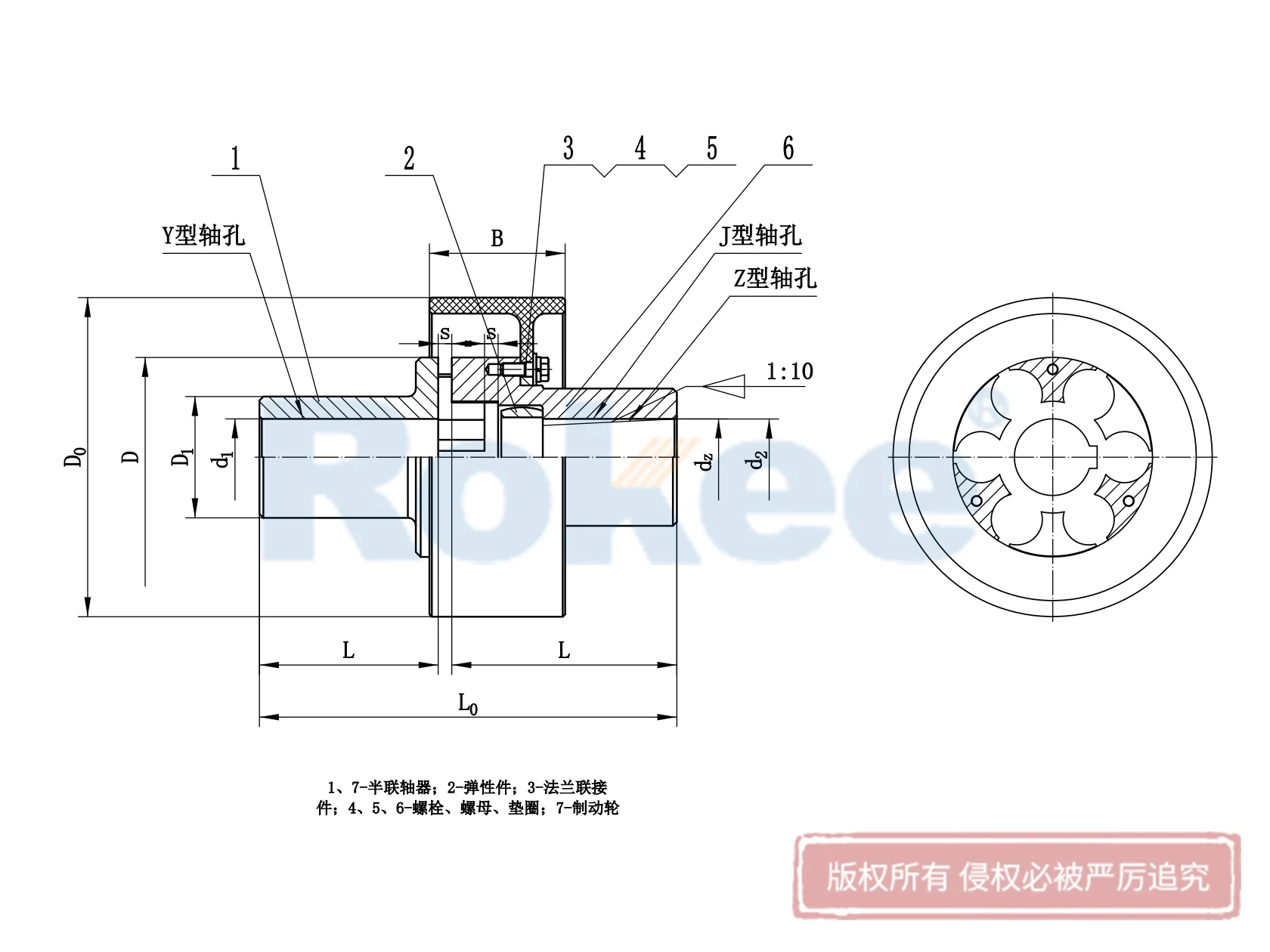
Single-flange and double-flange plum couplings are engineered to address installation and maintenance challenges in confined spaces or complex equipment setups. These variants incorporate one or two transition flanges between the semi-couplings and the elastic cushion, eliminating the need for axial movement of the semi-couplings when replacing the worn elastic cushion. This design is highly advantageous in large-scale machinery or densely arranged production lines where dismantling shafts or repositioning components is difficult and time-consuming, streamlining maintenance procedures and reducing operational disruptions. Brake wheel integrated plum blossom couplings are designed for systems that require frequent braking or speed regulation, combining the torque transmission and flexibility functions of a standard coupling with a built-in brake wheel or brake disc. This integrated design optimizes space utilization, eliminates the need for separate braking components, and ensures coordinated operation between power transmission and braking functions, making it suitable for hoisting machinery, conveyor systems, and other equipment where reliable stopping and holding capabilities are essential.
Classification based on elastic cushion material further differentiates the couplings to suit specific environmental and operational conditions. Standard polyurethane elastic cushion couplings are the most prevalent, offering a balanced mix of elasticity, wear resistance, and load-bearing capacity, suitable for general industrial environments with moderate temperatures and no exposure to corrosive substances. High-temperature resistant plum blossom couplings utilize specialized heat-stable elastomers for the cushion, capable of maintaining stable mechanical properties and elasticity even in high-temperature operating environments, preventing thermal deformation, hardening, or cracking that could compromise performance. Oil-resistant plum blossom couplings feature elastomers with excellent resistance to lubricating oils, hydraulic fluids, and other petroleum-based substances, making them ideal for machinery in the automotive, hydraulic engineering, and mechanical processing industries where oil contamination is unavoidable. Additionally, high-hardness elastic cushion couplings are designed for heavy-load, high-torque applications requiring enhanced rigidity and load capacity, while low-hardness variants prioritize maximum vibration damping and flexibility, perfect for precision equipment sensitive to shock and vibration.
Classification by claw tooth profile distinguishes between straight claw type and curved claw type plum blossom couplings, each with unique performance characteristics. Straight claw type couplings feature flat, linear claw teeth, offering simple manufacturing, high torque transmission efficiency, and suitability for medium-load, steady-speed applications. Curved claw type couplings, by contrast, have contoured, concave claw teeth that increase the contact area between the claws and the elastic cushion, distributing load stress more evenly and enhancing both torque capacity and shock absorption performance. This design also enables near-zero backlash transmission, making it ideal for high-precision servo systems, numerical control machinery, and other equipment requiring accurate motion control and minimal rotational clearance.
The exceptional versatility of the plum blossom coupling, stemming from its diverse types and robust performance, has led to its widespread adoption across nearly all sectors of industrial manufacturing and mechanical engineering. In the general machinery industry, it is extensively used in pumps, fans, compressors, and conveyors, connecting motor shafts with driven equipment to ensure smooth power transmission while absorbing vibration generated by fluid flow or mechanical rotation. Its ability to compensate for minor shaft misalignment is particularly valuable in these applications, reducing wear on pump bearings and fan blades and extending the service life of the entire equipment. In the field of machine tool manufacturing, precision curved claw type plum blossom couplings are employed in numerical control machine tools, machining centers, and grinding machines, providing zero-backlash torque transfer and vibration damping to maintain machining accuracy and surface finish quality, critical for producing high-precision mechanical parts and components.
In the automotive and transportation equipment industry, plum couplings play a vital role in various auxiliary systems, including engine cooling systems, air conditioning compressors, and hydraulic steering mechanisms. Their lightweight design, when paired with aluminum alloy semi-couplings, helps reduce the overall weight of vehicle components, improving fuel efficiency, while their vibration damping properties enhance ride comfort by minimizing noise and vibration transmission. For construction machinery and heavy-duty equipment, such as excavators, cranes, and concrete mixers, high-strength steel plum blossom couplings with wear-resistant elastic cushions are utilized to withstand heavy loads, frequent impact forces, and harsh outdoor working conditions, ensuring reliable power transmission in rugged construction environments.
The coupling also finds extensive use in light industrial and automated production equipment, including packaging machinery, textile machines, printing presses, and assembly lines. Its maintenance-free design and simple structure align with the high-efficiency, continuous-operation requirements of automated manufacturing, reducing downtime for maintenance and boosting overall production efficiency. In the field of new energy equipment, such as wind turbine auxiliary systems, solar tracking devices, and battery manufacturing machinery, plum blossom couplings with electrical insulation and corrosion-resistant properties are employed to ensure stable operation in renewable energy systems, protecting sensitive electronic components from electrical interference and harsh environmental factors. Additionally, in marine and offshore engineering, specialized corrosion-resistant plum blossom couplings are used in shipboard machinery and offshore drilling equipment, capable of withstanding salt spray, moisture, and corrosive marine environments while maintaining reliable torque transmission and flexibility.
Beyond these core industries, the plum blossom coupling continues to expand its application scope as industrial technology evolves, adapting to emerging mechanical systems with customized designs and material formulations. Its enduring popularity stems from its ability to strike an optimal balance between structural simplicity, functional reliability, and cost-effectiveness, addressing the key pain points of power transmission systems while accommodating diverse operational needs. Whether in small-scale precision instruments or large-scale industrial production lines, the plum blossom coupling remains a cornerstone component that enhances the stability, efficiency, and service life of mechanical equipment.
In summary, the plum blossom coupling’s well-designed structure, exceptional performance attributes, diverse classification options, and extensive industrial applications solidify its position as a leading flexible coupling in mechanical engineering. Its core advantage lies in integrating efficient torque transmission, reliable misalignment compensation, effective vibration damping, and low-maintenance operation into a compact, cost-effective package. As industrial automation and mechanical precision continue to advance, the demand for high-performance, adaptable transmission components like the plum blossom coupling will only grow. Ongoing innovations in elastic material technology and structural optimization will further enhance its performance, expanding its applicability to more demanding and specialized mechanical systems, ensuring it remains an indispensable part of modern power transmission engineering for years to come.