In the field of mechanical power transmission, flexible pin-based couplings stand as indispensable components that bridge driving and driven shafts, enabling efficient torque transmission while addressing common operational challenges such as shaft misalignment, mechanical vibration, and sudden load shocks. Among the diverse range of pin-type flexible couplings, three variants—elastic pin coupling, pin bush coupling, and elastic sleeve pin coupling—dominate industrial applications due to their balanced performance, simple structure, and wide adaptability. Unlike rigid couplings that demand perfect shaft alignment and offer no shock absorption, these three coupling types integrate elastic elements into the pin assembly, endowing them with unique functional advantages that cater to distinct working conditions across machinery manufacturing, chemical processing, mining, transportation, and light industry.
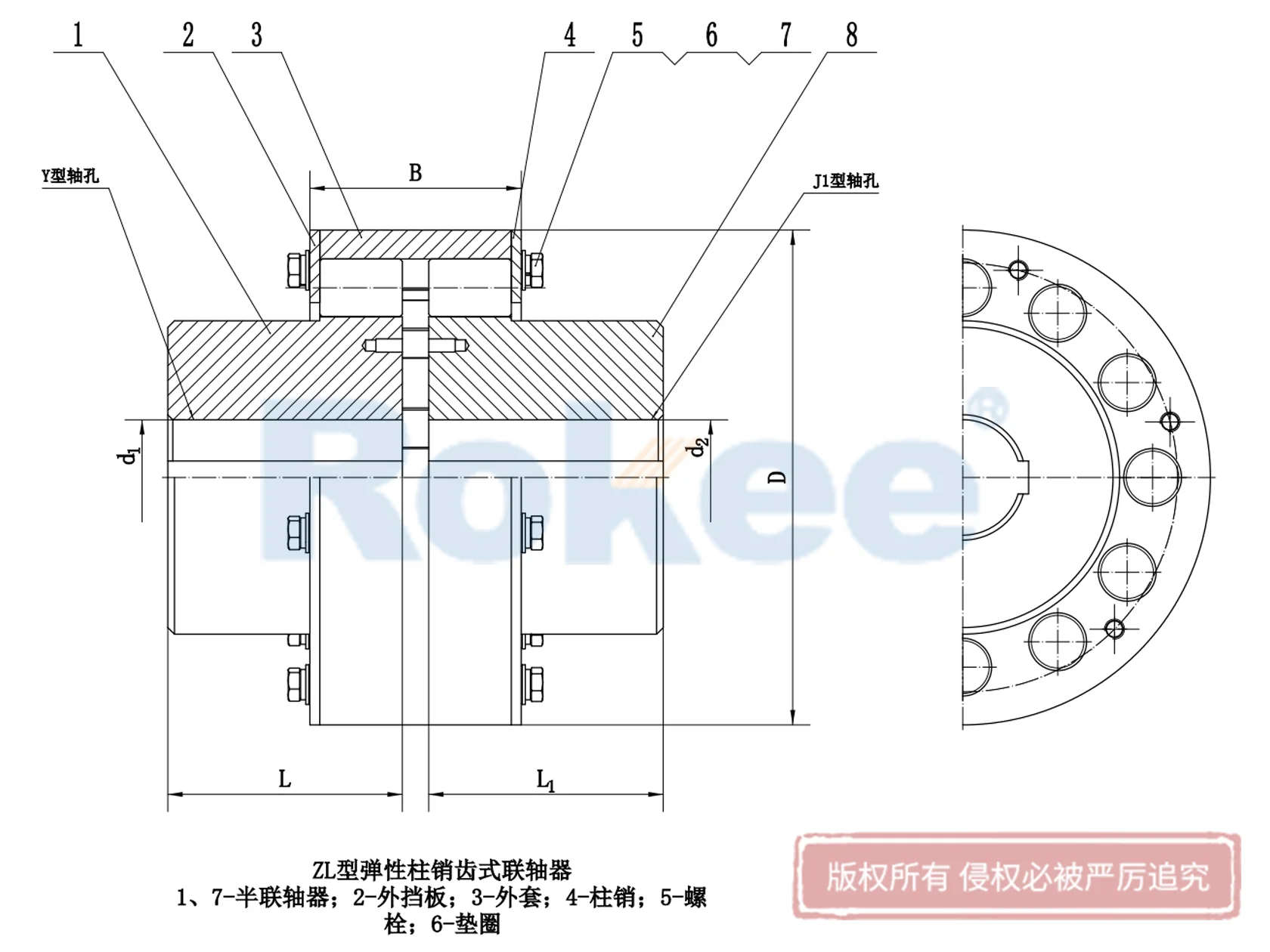
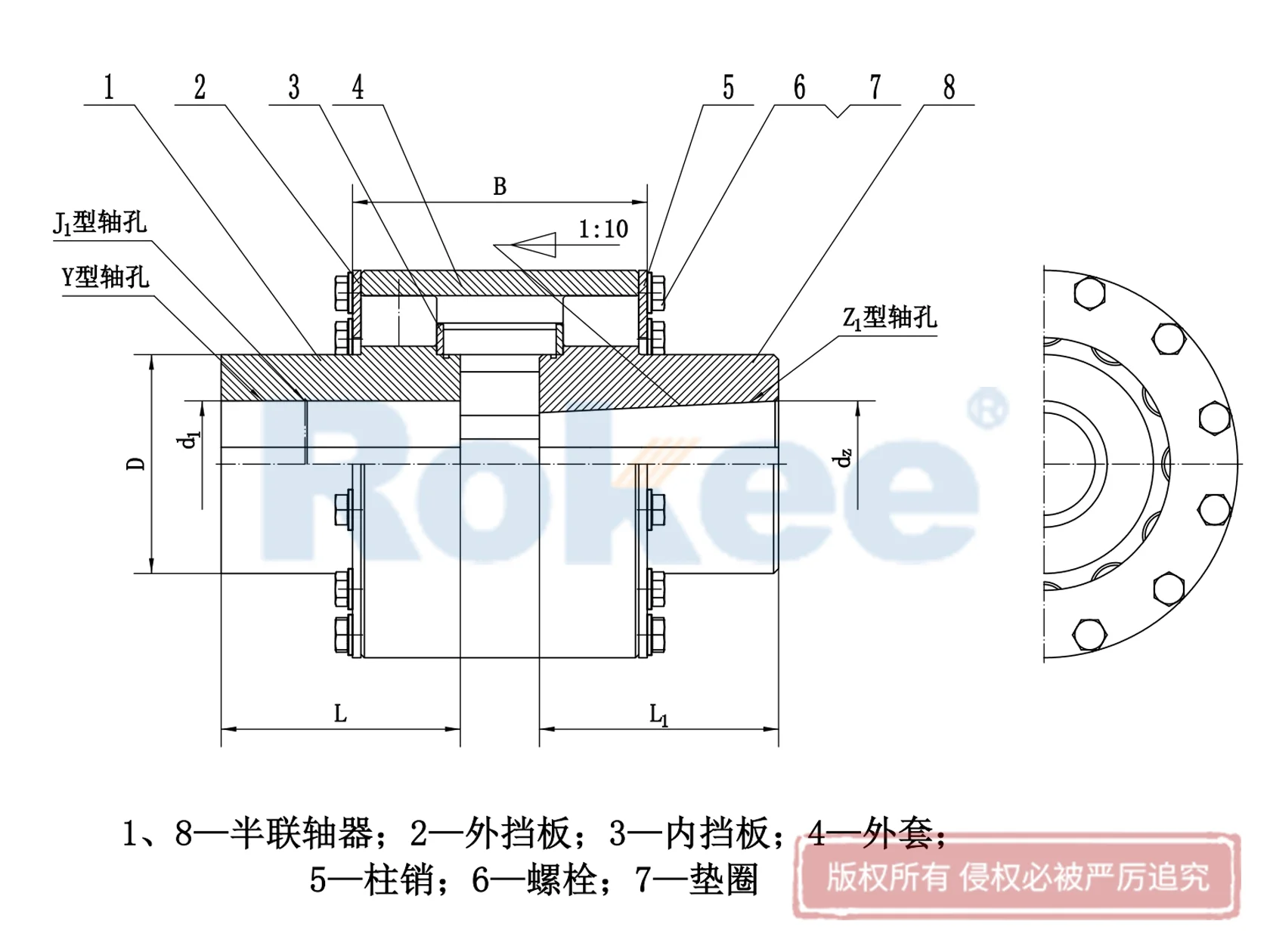
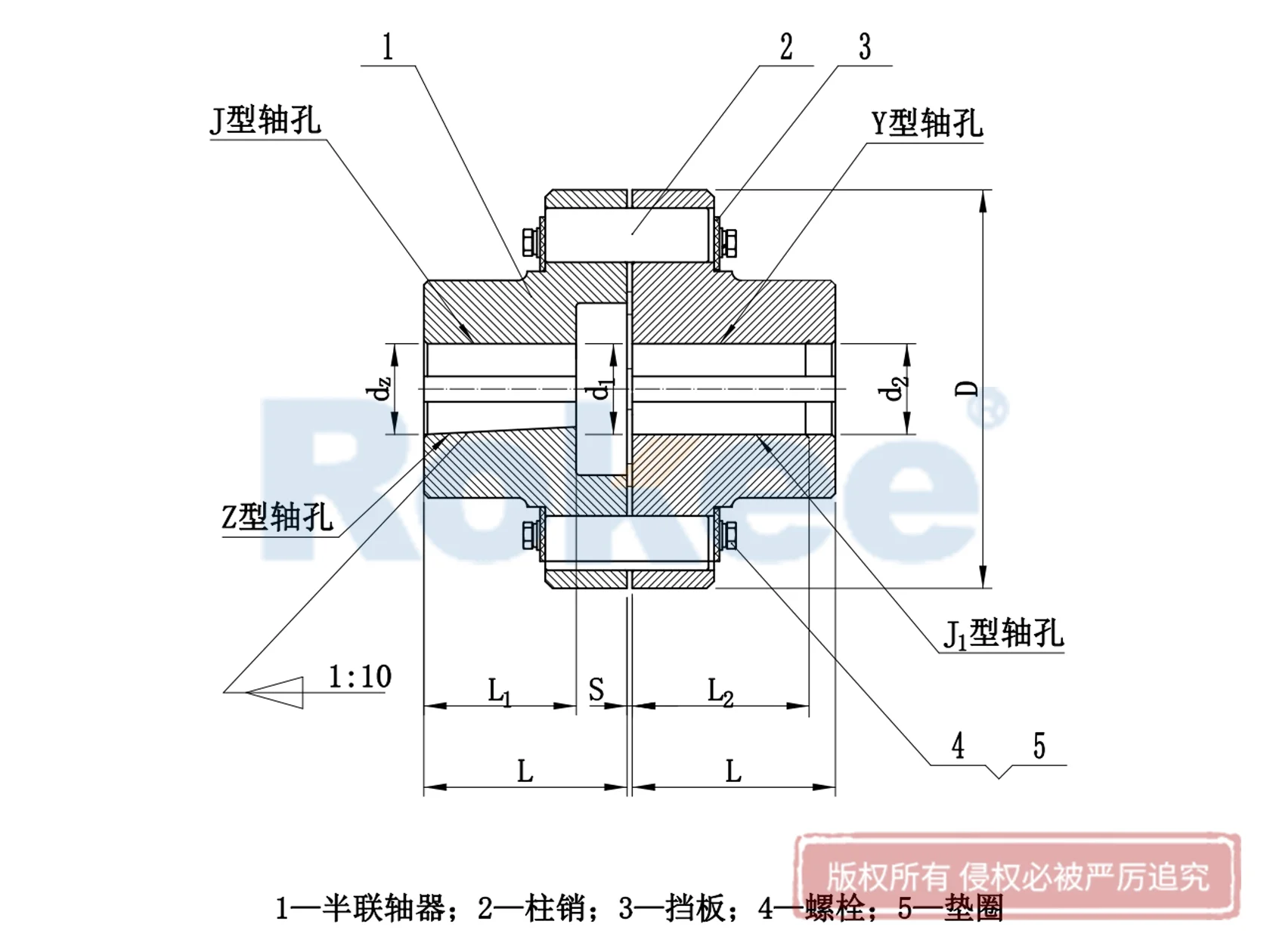
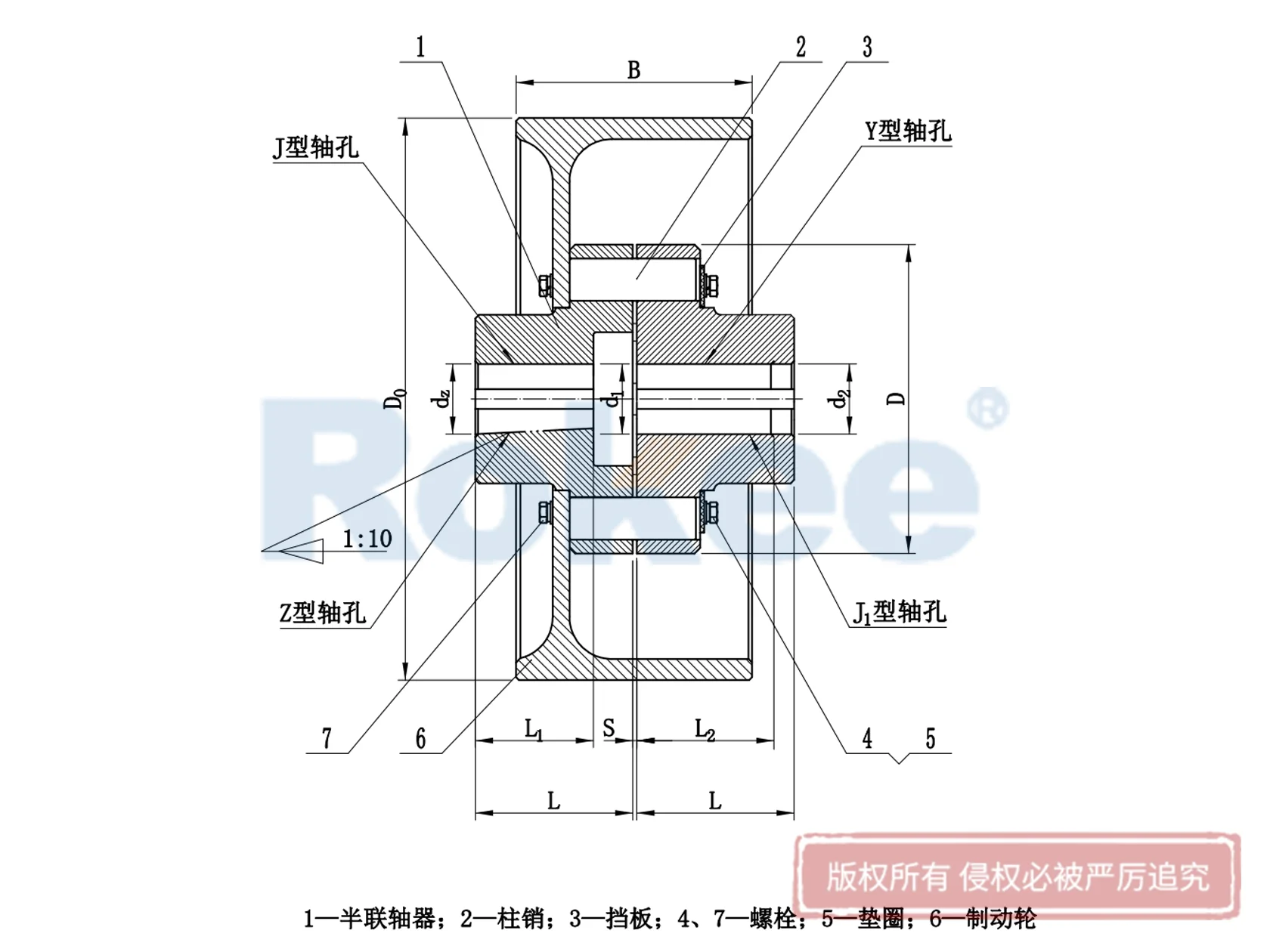
To begin with the elastic pin coupling, a foundational member of the pin-type flexible coupling family, its design philosophy centers on simplicity and practicality, making it one of the most widely utilized flexible couplings in medium and low-power transmission systems. Structurally, the elastic pin coupling consists of two symmetrical half-couplings, a set of non-metallic elastic pins, and auxiliary fastening components such as retaining rings or baffle plates. The half-couplings are typically forged from high-quality carbon steel or alloy steel, featuring flange ends with evenly distributed pin holes that align precisely to accommodate the elastic pins. The elastic pins, the core functional components of this coupling, are predominantly manufactured from high-strength engineering plastics, nylon, or polyurethane materials, chosen for their excellent elastic deformation properties, wear resistance, and fatigue resistance. Unlike metal pins that lack flexibility, these non-metallic elastic pins can undergo controllable shear and compression deformation under load, which is the key to the coupling’s ability to compensate for shaft misalignment and absorb shocks. During assembly, the elastic pins are inserted into the aligned pin holes of the two half-couplings, with the retaining rings securing them in place to prevent axial displacement during high-speed rotation; this assembly process is straightforward, requiring no complex tools or specialized technical expertise, which greatly reduces installation and disassembly time.
The working principle of the elastic pin coupling is rooted in the elastic deformation of its non-metallic pins and the mechanical engagement between the pins and half-couplings. When the driving shaft rotates, torque is transferred from the driving half-coupling to the elastic pins via the pin holes, and the pins then transmit the torque to the driven half-coupling, driving the driven shaft to rotate synchronously. In this process, if there is a slight radial, angular, or axial misalignment between the two shafts—caused by manufacturing tolerances, installation errors, thermal expansion and contraction during operation, or mechanical deformation under load—the elastic pins deform elastically to accommodate these deviations, avoiding rigid contact and excessive stress concentration that could damage the shafts or bearings. Additionally, the elastic nature of the pins enables the coupling to dampen torsional vibrations and absorb sudden impact loads, such as those generated during equipment startup, shutdown, or load fluctuations. This damping effect not only reduces noise emission but also minimizes wear and tear on key transmission components, thereby extending the service life of the entire shaft system. It is important to note that the elastic pin coupling is designed for moderate misalignment compensation; it is not suitable for applications with extreme shaft offset or heavy impact loads, as excessive deformation may lead to premature failure of the elastic pins.
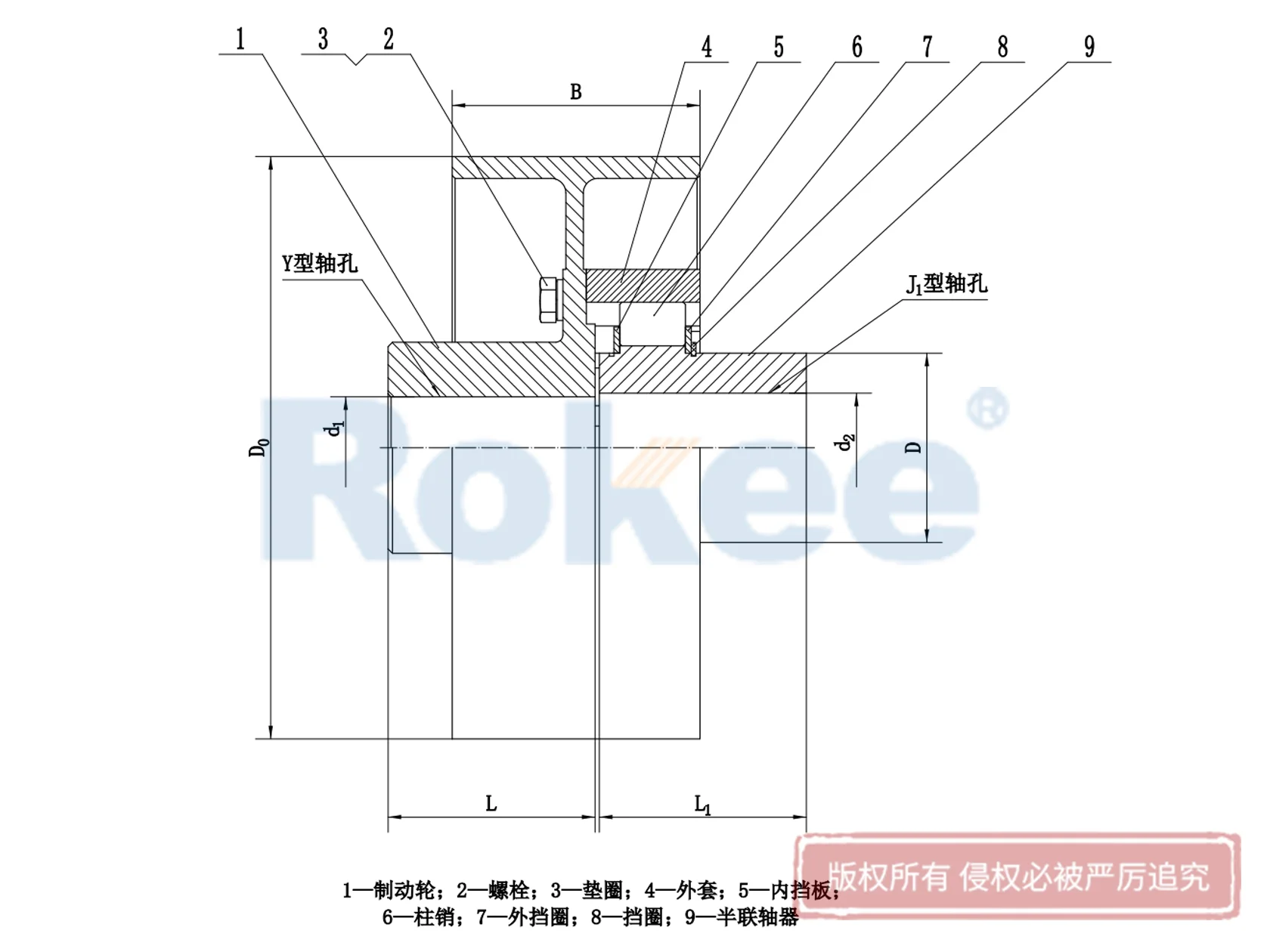
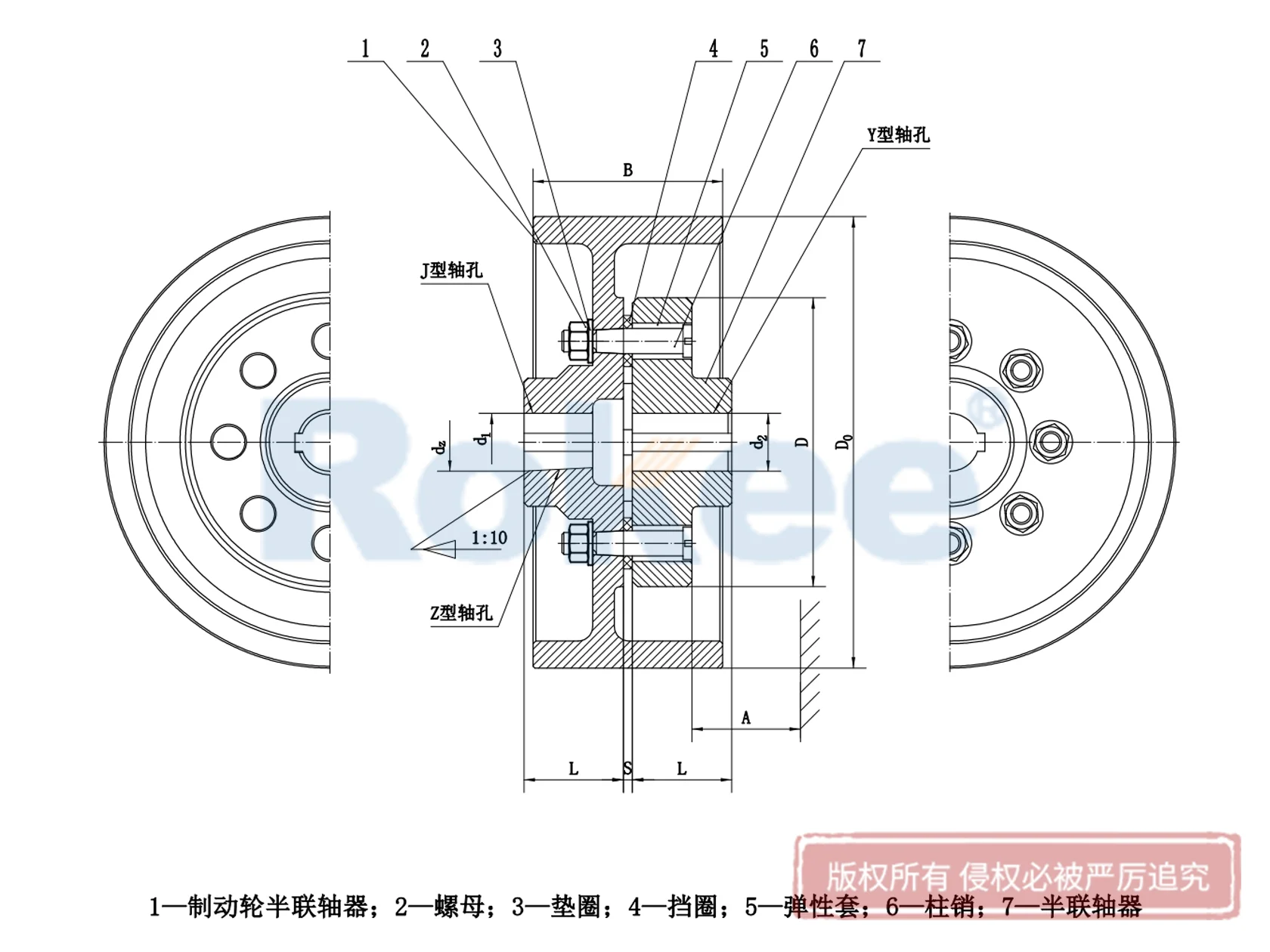
Moving to the pin bush coupling, a refined iteration of pin-type couplings that strikes a balance between rigidity and flexibility, offering enhanced load-bearing capacity and improved wear resistance compared to the basic elastic pin coupling. The structural composition of the pin bush coupling incorporates metal pins, elastic bushings, two half-couplings with precision-machined pin holes, and end covers to secure the assembly. The metal pins are usually made of hardened alloy steel, providing high shear strength and mechanical stability to handle larger torque loads, while the elastic bushings, typically crafted from rubber, polyurethane, or reinforced nylon, are sleeved tightly around the metal pins and fit into the pin holes of the half-couplings. This dual-component pin assembly—combining a rigid metal core and a flexible elastic bushing—distinguishes the pin bush coupling from the elastic pin coupling, as it merges the high torque transmission capability of metal components with the shock absorption and misalignment compensation of elastic elements. The half-couplings of the pin bush coupling are often designed with thicker flanges and more robust pin hole structures to withstand higher radial and axial forces, making it suitable for medium-to-high power transmission systems that demand greater structural stability.
The operational mechanism of the pin bush coupling revolves around the coordinated deformation of the elastic bushings and the load-bearing function of the metal pins. During torque transmission, the metal pins bear the main shear force, ensuring efficient power transfer without significant torsional lag, while the surrounding elastic bushings deform to absorb vibrations and compensate for shaft misalignment. This division of labor optimizes the coupling’s performance: the metal pins prevent excessive elastic deformation that could compromise transmission efficiency, and the bushings isolate rigid impacts, reducing stress on the shaft system. Compared with the elastic pin coupling, the pin bush coupling exhibits higher torque capacity, better radial stiffness, and improved resistance to dynamic loads, making it ideal for applications where both stable torque transmission and moderate vibration damping are required. Moreover, the elastic bushings in the pin bush coupling are replaceable independently; when the bushings wear out due to long-term use, maintenance personnel can replace them without removing the entire coupling or disassembling the shaft system, which significantly lowers maintenance costs and downtime. This modular design also allows for the customization of bushing materials to adapt to specific environmental conditions, such as high-temperature, low-temperature, or mildly corrosive environments, further expanding the coupling’s application scope.
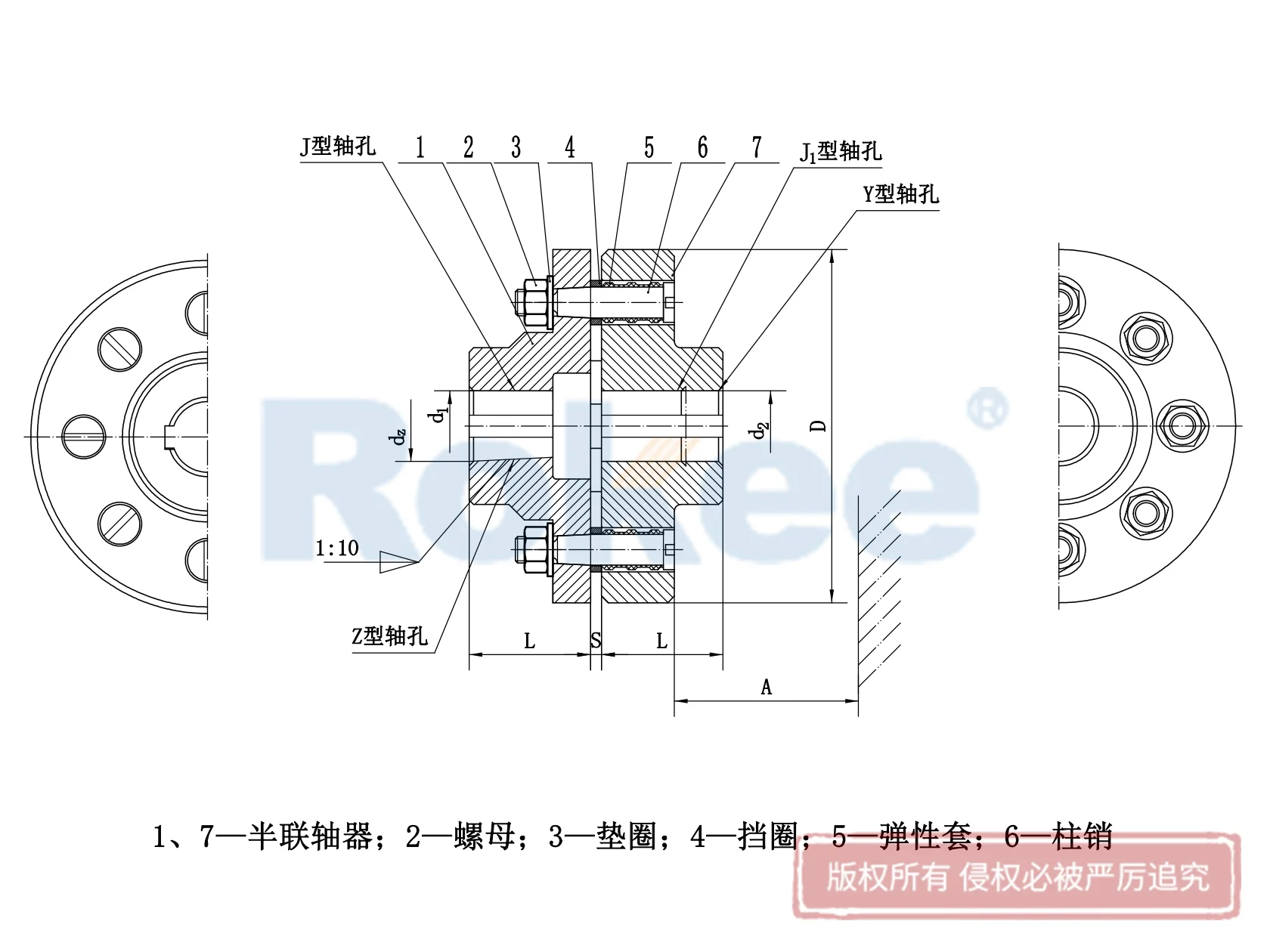
Next is the elastic sleeve pin coupling, a specialized pin-type flexible coupling optimized for superior misalignment compensation and enhanced shock absorption, tailored for high-speed and light-to-medium load transmission scenarios. The structural design of the elastic sleeve pin coupling is characterized by its unique elastic sleeve assembly, which sets it apart from the previous two coupling types. It comprises two half-couplings, metal core pins, thick-walled elastic sleeves, and locking components. The metal core pins serve as the central load-bearing elements, while the elastic sleeves, made from high-elasticity rubber or polyurethane composites, are tightly fitted over the metal pins and inserted into the oversized pin holes of the half-couplings. The elastic sleeves are designed with a certain thickness and elasticity, allowing for larger radial and angular deformation than the elastic pins in standard elastic pin couplings or the bushings in pin bush couplings. Additionally, the half-couplings of the elastic sleeve pin coupling are often precision-machined with smooth inner surfaces of pin holes to reduce friction with the elastic sleeves, preventing premature wear and ensuring consistent performance during prolonged operation.
The working principle of the elastic sleeve pin coupling leverages the large elastic deformation of the thick-walled sleeves to achieve exceptional flexibility in torque transmission and misalignment accommodation. As torque is transmitted from the driving to the driven shaft, the elastic sleeves compress and twist elastically, not only transferring power smoothly but also accommodating substantial angular, radial, and combined shaft misalignments that would exceed the compensation range of elastic pin couplings and pin bush couplings. This high degree of flexibility makes the elastic sleeve pin coupling particularly effective in reducing the adverse effects of severe shaft offset, such as uneven load distribution, bearing fatigue, and shaft bending. Furthermore, the thick elastic sleeves exhibit excellent damping properties, capable of absorbing high-frequency vibrations and transient impact loads generated in high-speed rotating equipment, such as centrifugal pumps, fans, and small compressors. Unlike the pin bush coupling, which prioritizes torque capacity, the elastic sleeve pin coupling prioritizes flexibility and vibration isolation, making it a preferred choice for precision machinery and high-speed transmission systems where smooth operation and minimal vibration are critical. It should be emphasized that due to the focus on elastic deformation, the elastic sleeve pin coupling has a relatively lower torque-bearing capacity compared to the pin bush coupling, so it is not recommended for heavy-load or low-speed high-torque applications.
To fully grasp the practical value of these three couplings, it is essential to compare their core performance parameters and identify their respective optimal application scenarios, as this guides accurate selection in mechanical system design. Starting with torque transmission capacity: the pin bush coupling ranks first, thanks to its hardened metal pins and robust half-coupling structure, capable of handling medium-to-high torque loads in heavy machinery such as crushers, conveyors, and mixers. The elastic pin coupling follows, suitable for medium torque transmission in general industrial equipment like gearboxes, small pumps, and agricultural machinery. The elastic sleeve pin coupling has the lowest torque capacity, confined to light-to-medium torque applications in high-speed equipment such as centrifugal fans, water pumps, and textile machinery. In terms of misalignment compensation capability, the elastic sleeve pin coupling outperforms the other two, accommodating larger angular and radial deviations, making it ideal for systems with poor installation rigidity or significant thermal deformation. The pin bush coupling offers moderate misalignment compensation, sufficient for most industrial scenarios with standard installation accuracy, while the elastic pin coupling provides only limited misalignment accommodation, requiring relatively high shaft alignment precision during installation.
Vibration damping and shock absorption performance also vary distinctly among the three couplings. The elastic sleeve pin coupling delivers the best damping effect, thanks to its thick elastic sleeves that effectively isolate high-frequency vibrations and absorb mild to moderate shocks, reducing noise and protecting precision components. The pin bush coupling provides balanced damping, suitable for systems with occasional impact loads where stable torque transmission cannot be compromised. The elastic pin coupling offers basic shock absorption, adequate for low-impact, steady-load applications where cost-effectiveness and simplicity are prioritized. Maintenance complexity is another key differentiator: the elastic pin coupling has the simplest structure with minimal components, requiring only periodic inspection of elastic pin wear and straightforward replacement when needed, with no lubrication necessary during operation. The pin bush coupling features replaceable elastic bushings, reducing long-term maintenance costs but requiring occasional checks for bushing compression and pin wear. The elastic sleeve pin coupling demands more frequent monitoring of elastic sleeve integrity, as excessive deformation or cracking can compromise performance, though sleeve replacement remains a relatively simple process.
Environmental adaptability is a crucial factor in coupling selection, and each type has distinct tolerance to operating conditions. The elastic pin coupling, with its non-metallic elastic pins, performs well in dry, dust-free environments within a moderate temperature range, but is less suitable for high-temperature, low-temperature, or corrosive settings that may degrade plastic or nylon pins. The pin bush coupling, with customizable bushing materials and sturdy metal construction, can adapt to a wider range of temperatures and mild corrosive environments, making it versatile for outdoor or harsh industrial settings. The elastic sleeve pin coupling, using high-grade elastic composites, offers good resistance to oil and mild chemicals, but its elastic sleeves are sensitive to extreme temperatures, so it is best deployed in controlled operating environments with stable temperatures. Additionally, all three couplings are non-lubricated designs, eliminating the need for regular oiling or greasing, which reduces operational maintenance and prevents environmental pollution caused by lubricant leakage—a significant advantage over gear couplings or other lubricated flexible couplings.
In practical industrial applications, the selection of elastic pin coupling, pin bush coupling, or elastic sleeve pin coupling must be based on a comprehensive assessment of transmission power, operating speed, shaft misalignment conditions, load characteristics, and environmental factors. For instance, in agricultural machinery such as tractors and harvesters, which operate under moderate torque and occasional impact loads with relatively low installation accuracy, the elastic pin coupling is the optimal choice due to its low cost, simple structure, and easy maintenance. In mining and construction machinery, including belt conveyors, stone crushers, and concrete mixers, which require high torque transmission and moderate vibration damping, the pin bush coupling is preferred for its high load-bearing capacity and durable design. In high-speed precision equipment like centrifugal water pumps, industrial fans, textile looms, and small motor-driven machinery, where smooth operation, minimal vibration, and large misalignment compensation are essential, the elastic sleeve pin coupling is the most suitable option, ensuring stable performance and protecting sensitive components from damage.
Beyond selection, proper installation and routine maintenance are vital to maximizing the service life and operational efficiency of these three pin-type couplings. During installation, the first step is to ensure the coaxiality of the driving and driven shafts, minimizing initial misalignment to reduce unnecessary stress on the elastic components. For elastic pin couplings, care should be taken to insert the elastic pins evenly without forced assembly to avoid pre-deformation that shortens service life. For pin bush couplings, the elastic bushings must be centered on the metal pins and fully seated in the pin holes to prevent uneven wear during rotation. For elastic sleeve pin couplings, the elastic sleeves should be inspected for cracks or defects before installation, and the metal core pins should be aligned precisely to avoid sleeve damage. After installation, a test run at low speed is recommended to check for abnormal noise, vibration, or overheating, addressing any issues promptly to prevent operational failures.
Routine maintenance protocols for these couplings are straightforward but consistent. Regular visual inspections, typically conducted every 3 to 6 months depending on operating intensity, should focus on checking the condition of elastic components: elastic pins, bushings, or sleeves for wear, deformation, cracking, or aging. Worn or damaged elastic components should be replaced immediately with matching specifications to maintain coupling performance; mixing different material or size components can lead to transmission instability or component failure. Additionally, the fastening of retaining rings, end covers, and shaft keys should be checked regularly to prevent loosening caused by long-term vibration, which could cause axial displacement of pins or coupling disengagement. For couplings operating in dusty or dirty environments, periodic cleaning of the coupling surface and pin holes is necessary to remove debris that may cause abrasion to elastic components. By adhering to these simple maintenance practices, the operational lifespan of elastic pin coupling, pin bush coupling, and elastic sleeve pin coupling can be significantly extended, ensuring continuous and reliable performance of the transmission system.
It is also important to address common misconceptions in the use of pin-type flexible couplings to avoid operational errors. One common mistake is overloading the coupling beyond its rated torque capacity, which leads to rapid fatigue and failure of elastic components, regardless of the coupling type. Users must strictly follow the load-bearing parameters of the coupling and avoid forced use in heavy-load scenarios beyond its design scope. Another misconception is neglecting shaft alignment during installation, assuming that the coupling’s flexibility can compensate for severe misalignment; excessive misalignment accelerates wear of elastic parts and increases shaft stress, leading to premature equipment failure. Additionally, using low-quality substitute elastic components for replacement is a risky practice, as substandard materials lack the required elasticity and wear resistance, compromising the coupling’s damping and misalignment compensation functions. Adhering to original component specifications and quality standards is essential for safe and reliable operation.
Looking ahead, the development trend of elastic pin coupling, pin bush coupling, and elastic sleeve pin coupling is oriented towards material innovation, structural optimization, and performance enhancement to meet the evolving demands of modern industrial machinery. Advances in polymer engineering will lead to the development of high-performance elastic materials with improved temperature resistance, wear resistance, and fatigue life, enhancing the environmental adaptability and durability of these couplings. Structural optimizations, such as precision-engineered pin hole profiles, modular elastic component designs, and lightweight half-coupling structures, will further improve transmission efficiency, reduce maintenance difficulty, and expand application scenarios. Additionally, the integration of these pin-type couplings with intelligent monitoring technologies, such as wear sensors and vibration detectors, will enable predictive maintenance, allowing for timely component replacement before failure occurs and improving the overall reliability of mechanical transmission systems. Despite the emergence of new coupling types, these three classic pin-based flexible couplings will retain their core position in industrial transmission due to their cost-effectiveness, simple structure, and reliable performance, continuing to serve as critical components in diverse mechanical equipment.
In conclusion, elastic pin coupling, pin bush coupling, and elastic sleeve pin coupling are three distinct yet complementary pin-type flexible couplings, each with unique structural features, performance advantages, and application niches. The elastic pin coupling excels in simplicity, cost-effectiveness, and suitability for general medium-load scenarios; the pin bush coupling offers high torque capacity and balanced rigidity-flexibility performance for heavy-duty industrial applications; the elastic sleeve pin coupling provides superior flexibility and vibration damping for high-speed precision equipment. By understanding their structural compositions, working principles, performance differences, and maintenance requirements, engineers and maintenance personnel can select the most appropriate coupling type for specific transmission systems, optimize system performance, reduce equipment downtime, and lower operational costs. As key components in mechanical power transmission, these three couplings will continue to play a vital role in supporting the stable and efficient operation of industrial machinery, with ongoing material and structural innovations further enhancing their value in the ever-evolving landscape of mechanical engineering.
The widespread application of these pin-type couplings also reflects the core principles of mechanical design: balancing performance, cost, and practicality to create reliable solutions for real-world industrial challenges. Whether in small-scale light industry equipment or large-scale heavy machinery, the ability of these couplings to transmit torque efficiently while mitigating operational stresses underscores their importance. As industrial production continues to develop towards higher efficiency, intelligence, and environmental protection, the optimization and upgrading of elastic pin coupling, pin bush coupling, and elastic sleeve pin coupling will remain a focus in the field of transmission components, ensuring they adapt to new working conditions and continue to deliver stable, long-lasting performance for diverse mechanical systems worldwide.