In the complex ecosystem of industrial power transmission, shaft couplings serve as the unsung heroes that bridge rotating shafts, transfer mechanical torque, and mitigate the adverse effects of shaft misalignment, vibration, and operational stress. Among the diverse array of coupling designs, the barrel gear coupling stands out as a robust, high-performance solution that balances torsional rigidity, misalignment compensation, and durability, making it a staple in heavy-duty and precision-driven mechanical systems worldwide. Unlike conventional rigid couplings that demand flawless shaft alignment or flexible elastomeric couplings that sacrifice torque capacity for vibration damping, barrel gear couplings integrate a unique tooth profile and structural design to deliver a harmonious blend of strength and adaptability.
At its core, the drum gear coupling is a rigid-flexible mechanical coupling characterized by a spherical, barrel-shaped external tooth profile on its hub components, a design that sets it apart from straight-tooth gear couplings and other power transmission connectors. The fundamental structural framework of a standard barrel gear coupling consists of four primary modular components: two shaft-mounted hubs, an outer sleeve with precision-machined internal teeth, a sealing assembly, and a lubrication retention system. Each hub is engineered to attach securely to the driving and driven shafts via keyways, splines, or interference fits, creating a rigid connection that transfers rotational motion without slippage. The external teeth of these hubs are precision ground to form a convex spherical surface, with the center of the sphere aligned precisely along the central axis of the gear teeth; this curved profile is the defining structural feature that enables the coupling’s exceptional misalignment tolerance. The outer sleeve, fitted with matching internal teeth, encases the toothed sections of both hubs, creating a meshed interface that facilitates torque transfer while allowing limited relative movement between the hubs. The sealing assembly, typically composed of durable gaskets, lip seals, and end covers, serves a dual purpose: it prevents the ingress of external contaminants such as dust, moisture, abrasive particles, and industrial fluids, and it retains the lubricant within the coupling’s internal meshing zone to minimize friction, wear, and heat generation during operation.
Material selection is a critical pillar of the barrel gear coupling’s structural integrity, tailored to withstand the mechanical stresses, thermal fluctuations, and environmental conditions of industrial operation. Most standard barrel gear couplings are fabricated from high-strength carbon steel or alloy steel, subjected to rigorous heat treatment processes including quenching and tempering to enhance surface hardness, core toughness, and wear resistance. This heat treatment ensures the tooth surfaces can withstand repeated contact stresses and heavy torque loads without pitting, deformation, or premature failure. For specialized applications involving corrosive environments, such as marine, chemical processing, or offshore operations, stainless steel or corrosion-resistant alloy variants are employed to resist oxidation and chemical degradation without compromising mechanical strength. The precision machining of the barrel-shaped teeth is equally vital, as tight tolerances ensure uniform tooth contact, smooth meshing, and consistent load distribution across the entire tooth surface, eliminating localized stress concentrations that could lead to component failure. Unlike straight-tooth couplings, which rely on linear tooth contact and are prone to edge loading under misalignment, the curved barrel teeth maintain full surface contact even when shafts are not perfectly aligned, distributing loads evenly and extending the service life of the coupling.
The operational performance of crown gear couplings is defined by a unique set of mechanical properties that make them versatile across demanding industrial scenarios, chief among these being high torque transmission capacity, multi-axis misalignment compensation, torsional rigidity, and reliable durability. In terms of torque handling, these couplings are engineered to transmit substantial torsional loads, ranging from moderate torque requirements in light industrial machinery to extreme torque demands in heavy-duty processing equipment, thanks to their robust tooth design and high-strength materials. The positive meshing of internal and external teeth ensures efficient power transfer with minimal energy loss, making them highly efficient even under continuous, heavy-load operation. One of the most standout performance features is their ability to accommodate combined shaft misalignments, including angular misalignment, radial offset, and axial displacement, simultaneously. Angular misalignment, where the two shafts intersect at a small angle rather than being collinear, is compensated by the spherical tooth profile, which allows the hubs to pivot slightly within the outer sleeve without disrupting tooth meshing. Radial misalignment, a parallel offset between the shaft axes, is addressed by the controlled clearance between the barrel teeth and the sleeve’s internal teeth, which permits limited lateral movement while maintaining torque transfer. Axial displacement, caused by thermal expansion, mechanical settling, or shaft elongation, is absorbed by the axial flexibility of the meshed tooth assembly, preventing axial binding and reducing stress on connected bearings and shafts.
Beyond misalignment compensation, teeth couplings exhibit excellent torsional rigidity, meaning they resist twisting deformation under torque loads, ensuring precise rotational synchronization between driving and driven components. This rigidity is invaluable in applications requiring accurate motion control, such as conveyor systems, rolling mills, and machine tools, where even minor torsional slack could compromise operational precision. Additionally, these couplings offer reliable shock load resistance, capable of withstanding sudden torque spikes and mechanical impacts without failure, a trait critical in equipment prone to intermittent loading or sudden operational disruptions. The sealed, lubricated design further boosts performance by reducing friction and wear, maintaining consistent operational efficiency over extended service intervals and minimizing maintenance needs. While they are not designed to absorb high levels of vibration like elastomeric flexible couplings, the inherent flexibility of the barrel tooth design does dampen minor vibrational forces, reducing stress transmission to connected machinery and enhancing overall system stability. When properly lubricated and maintained, barrel gear couplings deliver long operational lifespans, even in harsh, high-stress industrial environments, making them a cost-effective and reliable power transmission solution.
Curved tooth gear couplings are categorized into distinct types based on structural design, flexibility characteristics, application-specific configurations, and mounting requirements, each tailored to address unique operational needs and environmental conditions. The most common classification is based on structural design and flexibility, dividing the product line into standard rigid barrel gear couplings and flexible barrel gear couplings with enhanced damping properties. Standard rigid barrel gear couplings, the most prevalent variant, feature no additional elastic components, relying solely on the barrel tooth profile for misalignment compensation. These couplings prioritize torque capacity and torsional rigidity, making them ideal for heavy-duty applications where misalignment is moderate but torque loads are extreme. They maintain precise shaft synchronization and are engineered for continuous, high-load operation in industrial settings where vibration damping is a secondary concern.
Flexible barrel gear couplings, by contrast, integrate elastic elements such as rubber pads, resilient bushings, or flexible intermediate components between the hubs and the outer sleeve, augmenting the inherent tooth flexibility with enhanced vibration and shock absorption. This modification makes them suitable for applications where vibrational forces are significant, or where protecting sensitive drivetrain components from mechanical stress is a priority. Another key classification is based on application-specific structural adaptations, including flange-mounted barrel gear couplings, splined hub couplings, and drum-mounted couplings designed for specialized machinery. Flange-mounted variants feature integrated flanges on the hubs or outer sleeve for secure, rigid mounting to heavy equipment frames or shaft housings, enhancing stability under extreme loads. Splined hub couplings use involute spline connections instead of keyways, providing larger contact areas, higher torque capacity, and more uniform load distribution, ideal for high-torque, high-speed applications. Drum-mounted barrel gear couplings are engineered with a specialized interface to connect directly to equipment drums, such as winch drums or conveyor drums, efficiently transferring torque while supporting radial loads generated by drum operation.
Additional classifications include high-temperature resistant gear type couplings, constructed with heat-stabilized materials and high-temperature lubricants to perform reliably in extreme thermal environments, and corrosion-resistant variants optimized for marine, chemical, and offshore applications. Mounting orientation also serves as a classification criterion, with horizontal-mount couplings designed for standard horizontal shaft arrangements, the most common configuration in industrial machinery, and vertical-mount couplings engineered with specialized sealing and lubrication systems to prevent lubricant leakage and maintain proper tooth meshing in vertical shaft setups, such as vertical pumps, turbines, and lifting mechanisms. Each type retains the core barrel tooth design and performance benefits but is modified to address specific operational constraints, ensuring versatility across diverse mechanical systems.
The unique combination of high torque capacity, misalignment tolerance, and durable construction makes barrel gear couplings indispensable across a vast spectrum of industrial sectors, where reliable power transmission is critical to operational continuity and productivity. In the heavy machinery and mining industry, these couplings are widely deployed in excavators, crushers, grinding mills, conveyors, and material handling equipment, where they endure extreme torque loads, heavy vibration, and harsh, dust-laden environments. Their ability to compensate for shaft misalignment caused by structural deformation and heavy loading ensures uninterrupted operation, reducing downtime in mining and quarrying operations where equipment reliability is paramount. In the steel and metallurgical industry, barrel gear couplings are integral to rolling mills, blast furnaces, continuous casting machines, and metal processing equipment, transmitting extreme torque loads while accommodating thermal expansion-induced shaft misalignment and withstanding high ambient temperatures. The rigid, high-strength design of these couplings withstands the rigorous demands of metal forming and processing, maintaining consistent performance under continuous heavy use.
Crane and hoisting equipment represents another major application area, with toothed couplings serving as a critical link between reducer output shafts and lifting drums in overhead cranes, gantry cranes, winches, and hoists. In these applications, the couplings not only transfer torque to lift and lower heavy loads but also support significant radial loads generated by cable tension, while restricting excessive axial drum movement to ensure safe and stable operation. The wear-resistant, high-strength design ensures reliable performance in repetitive lifting cycles, enhancing the safety and efficiency of material handling operations. The energy and power generation sector also relies heavily on barrel gear couplings, utilizing them in thermal power plants, hydropower facilities, wind turbines, and other power generation equipment. In wind turbines, flexible barrel gear couplings connect rotor shafts to gearboxes, absorbing vibrational forces from fluctuating wind loads and compensating for dynamic shaft misalignment, while rigid variants are used in turbine and generator assemblies to ensure precise torque transfer and rotational synchronization. Hydropower plants employ these couplings in water turbine systems, where they handle high torque loads and resist the harsh, moisture-rich operating conditions of hydroelectric facilities.
In the chemical, petroleum, and gas industry, barrel gear couplings are used in pumps, compressors, mixers, and pipeline transportation equipment, with corrosion-resistant variants ensuring reliable operation in environments exposed to corrosive chemicals, high pressure, and fluctuating temperatures. The sealed design prevents contaminant ingress and lubricant leakage, maintaining performance in critical fluid processing applications where downtime can have severe operational and financial consequences. General manufacturing and machinery sectors also utilize barrel gear couplings across a diverse range of equipment, including machine tools, conveyor systems, industrial mixers, and packaging machinery. Their versatility allows them to adapt to varying torque requirements and misalignment conditions, providing reliable power transmission in both light-duty precision machinery and heavy-duty manufacturing equipment. Additionally, these couplings find use in marine and offshore applications, where corrosion-resistant designs withstand saltwater exposure and harsh marine conditions, powering shipboard machinery, offshore drilling equipment, and marine material handling systems.
Beyond these core sectors, curved tooth couplings continue to expand their reach into emerging industrial applications, driven by ongoing engineering advancements that enhance their performance, adaptability, and efficiency. Their ability to balance strength, flexibility, and durability ensures they remain a preferred choice for engineers and designers seeking reliable power transmission solutions that can withstand the rigors of modern industrial operation. Whether deployed in heavy mining machinery, precision manufacturing equipment, or large-scale power generation systems, barrel gear couplings play a pivotal role in maintaining the integrity, efficiency, and reliability of mechanical drivetrains worldwide. As industrial systems evolve to meet higher performance standards and harsher operational demands, the inherent engineering advantages of barrel gear couplings will continue to solidify their status as a foundational component in global power transmission infrastructure, delivering consistent performance and long-term value across countless industrial applications.
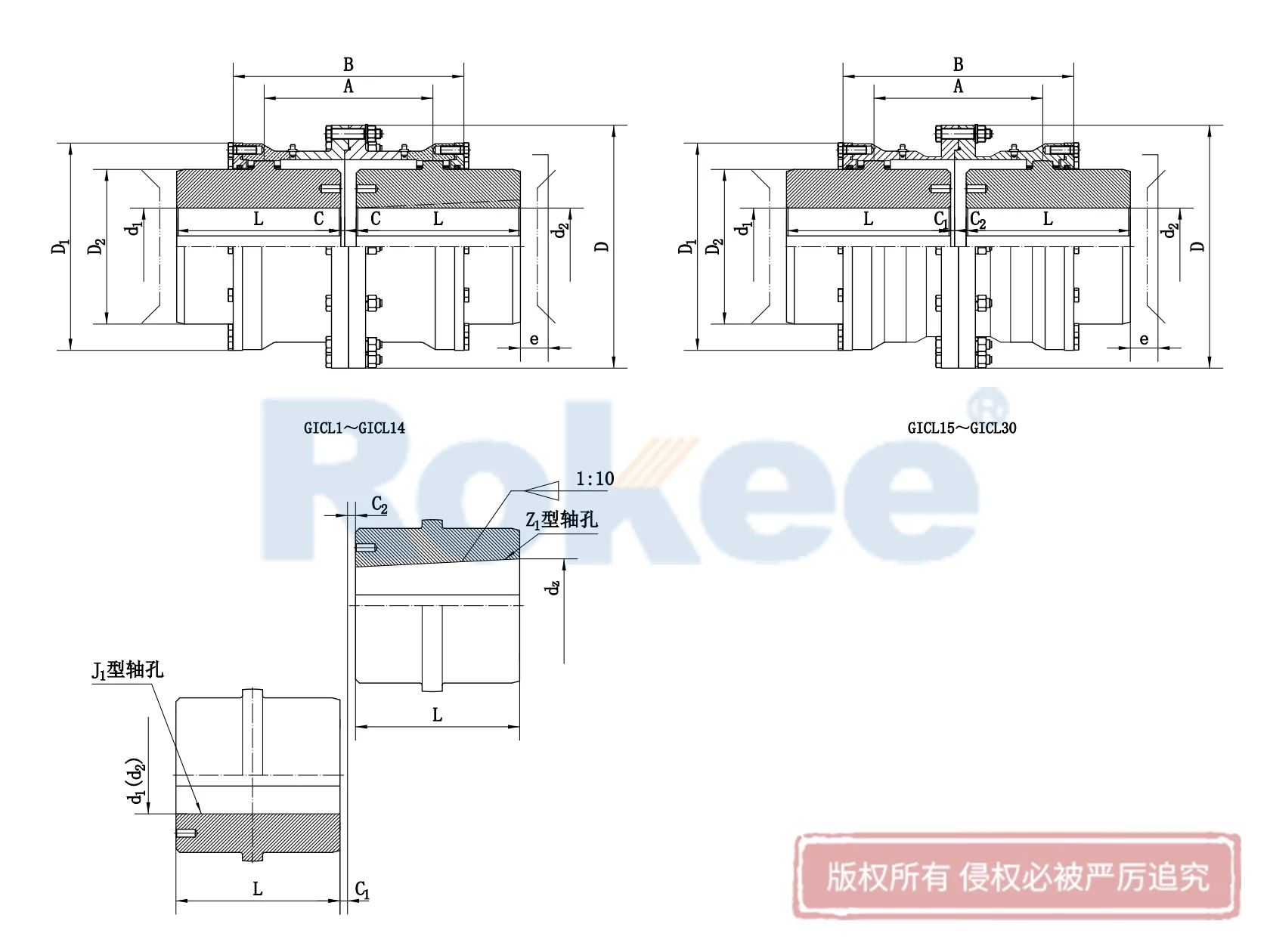 GICL Barrel Gear Coupling
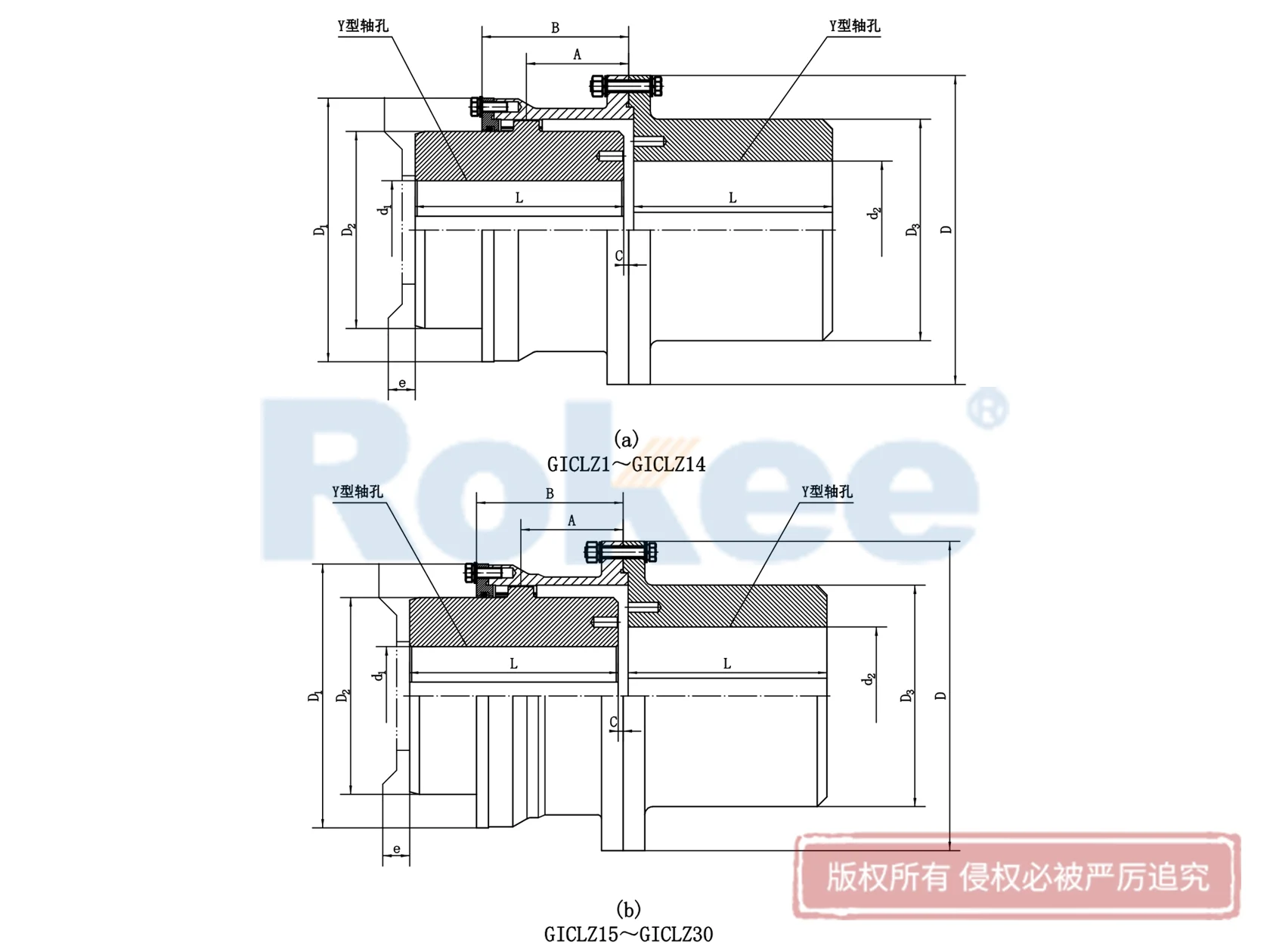 GICLZ Barrel Gear Coupling
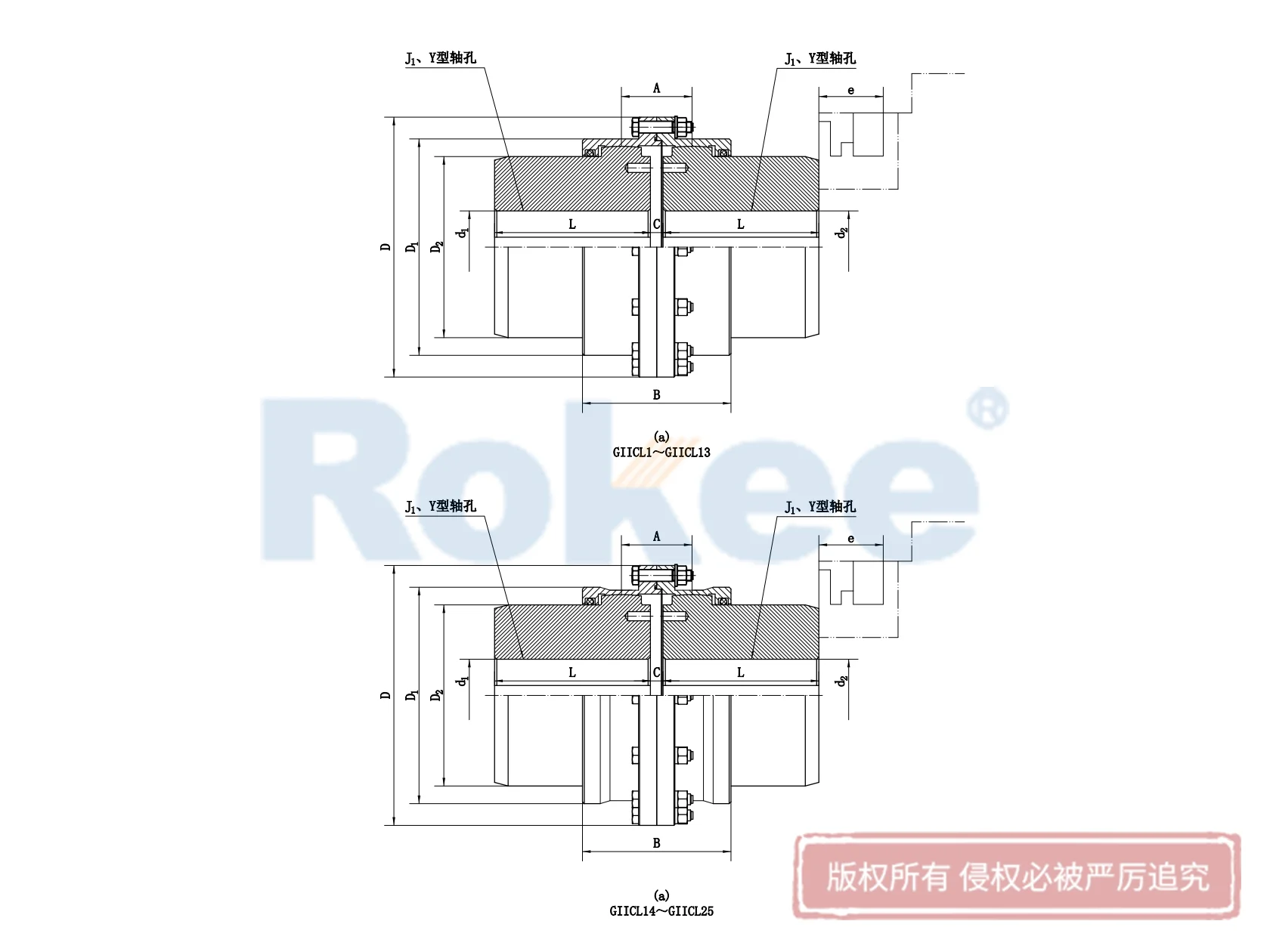 GIICL Barrel Gear Coupling
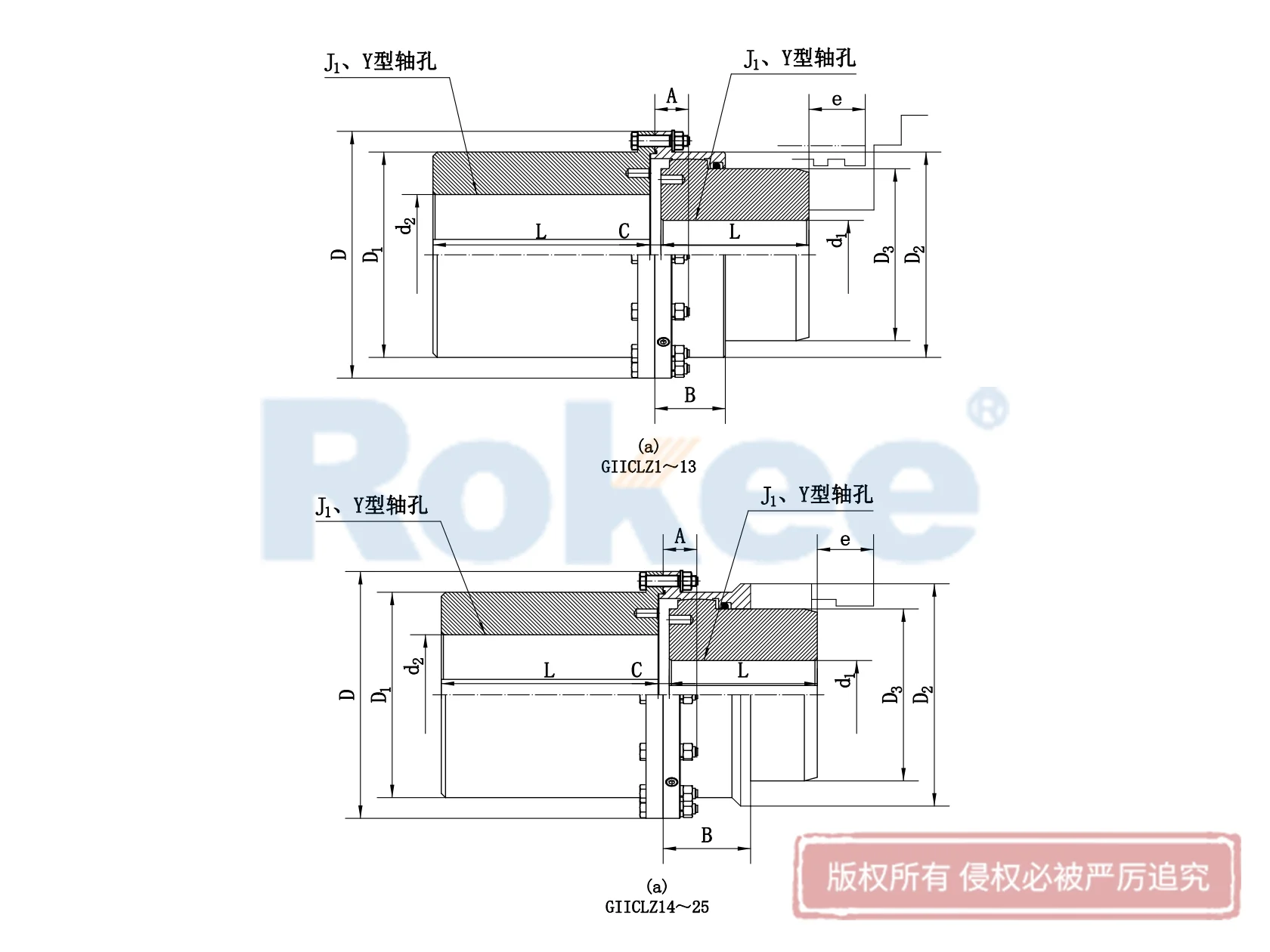 GIICLZ Barrel Gear Coupling
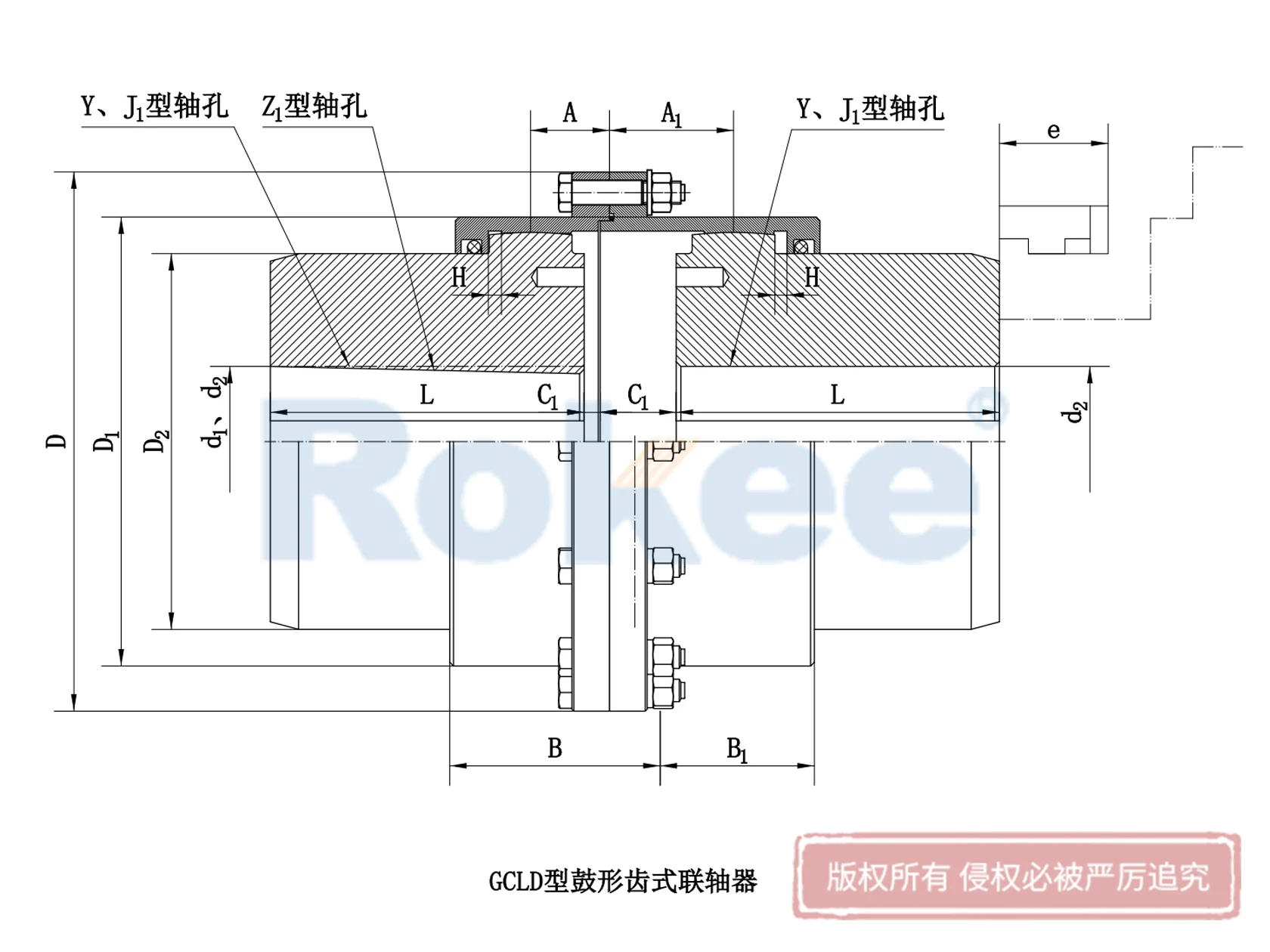 GCLD Barrel Gear Coupling
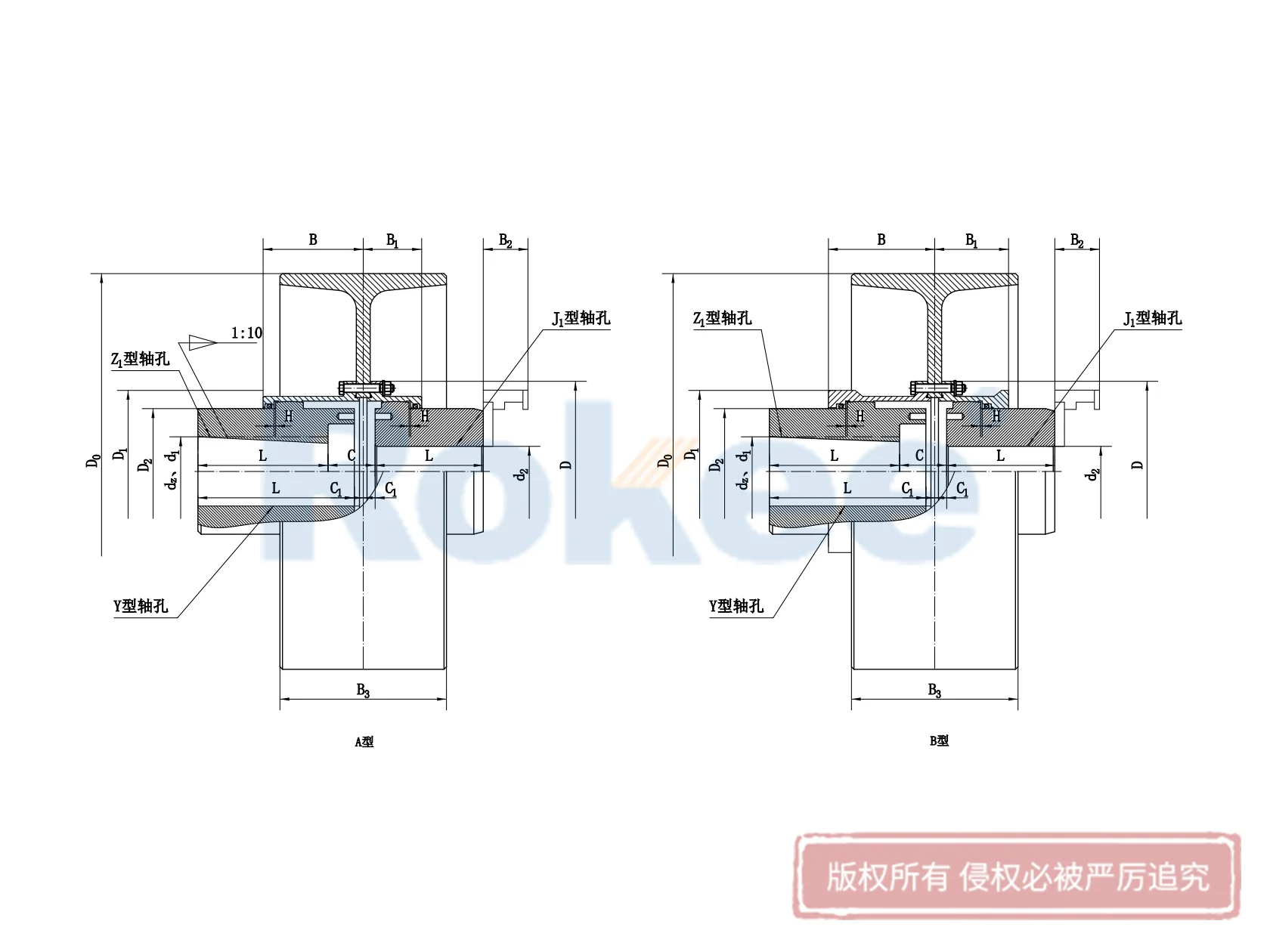 NGCL Barrel Gear Coupling With Brake Wheel
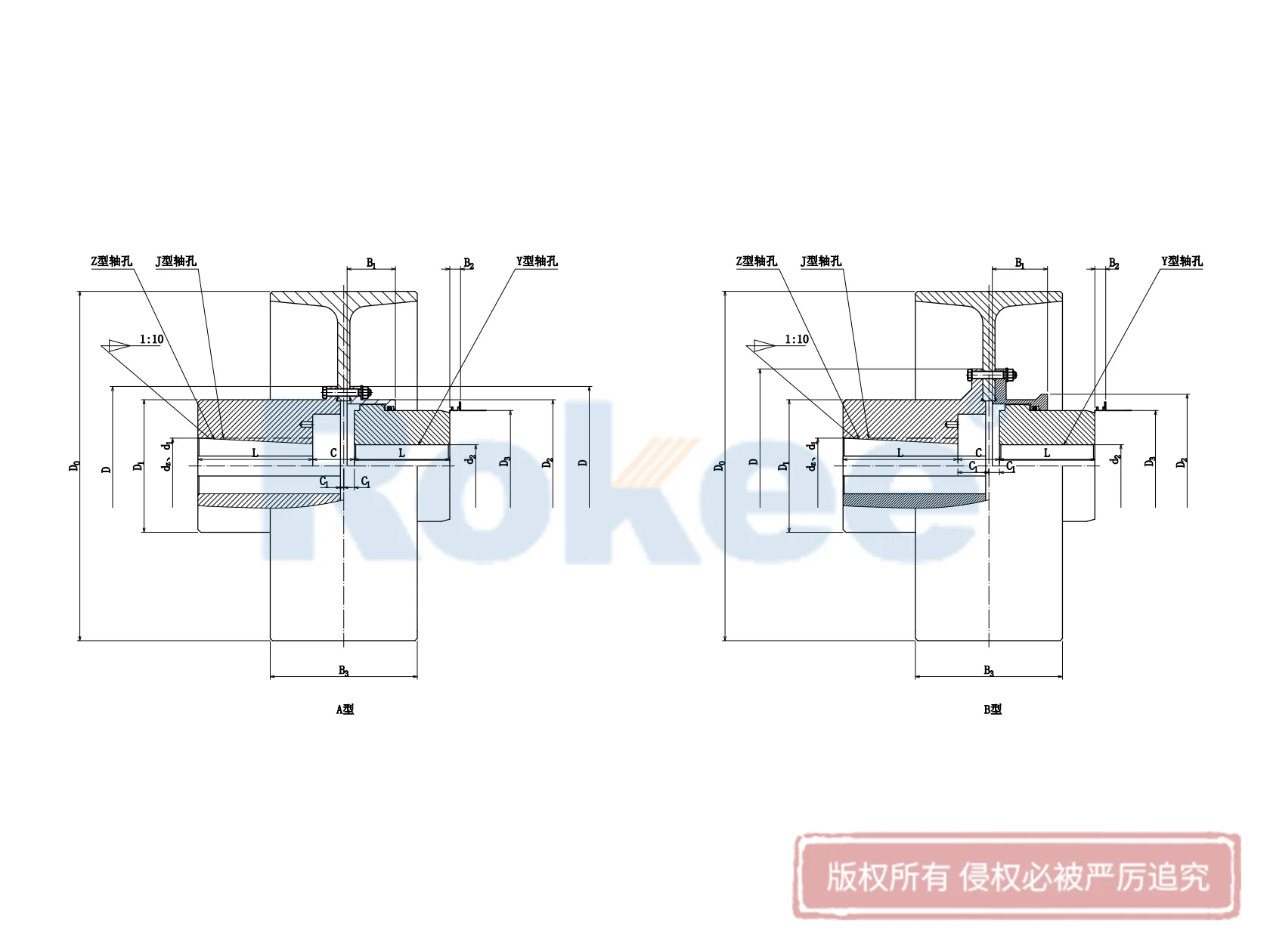 NGCLZ Barrel Gear Coupling With Brake Wheel
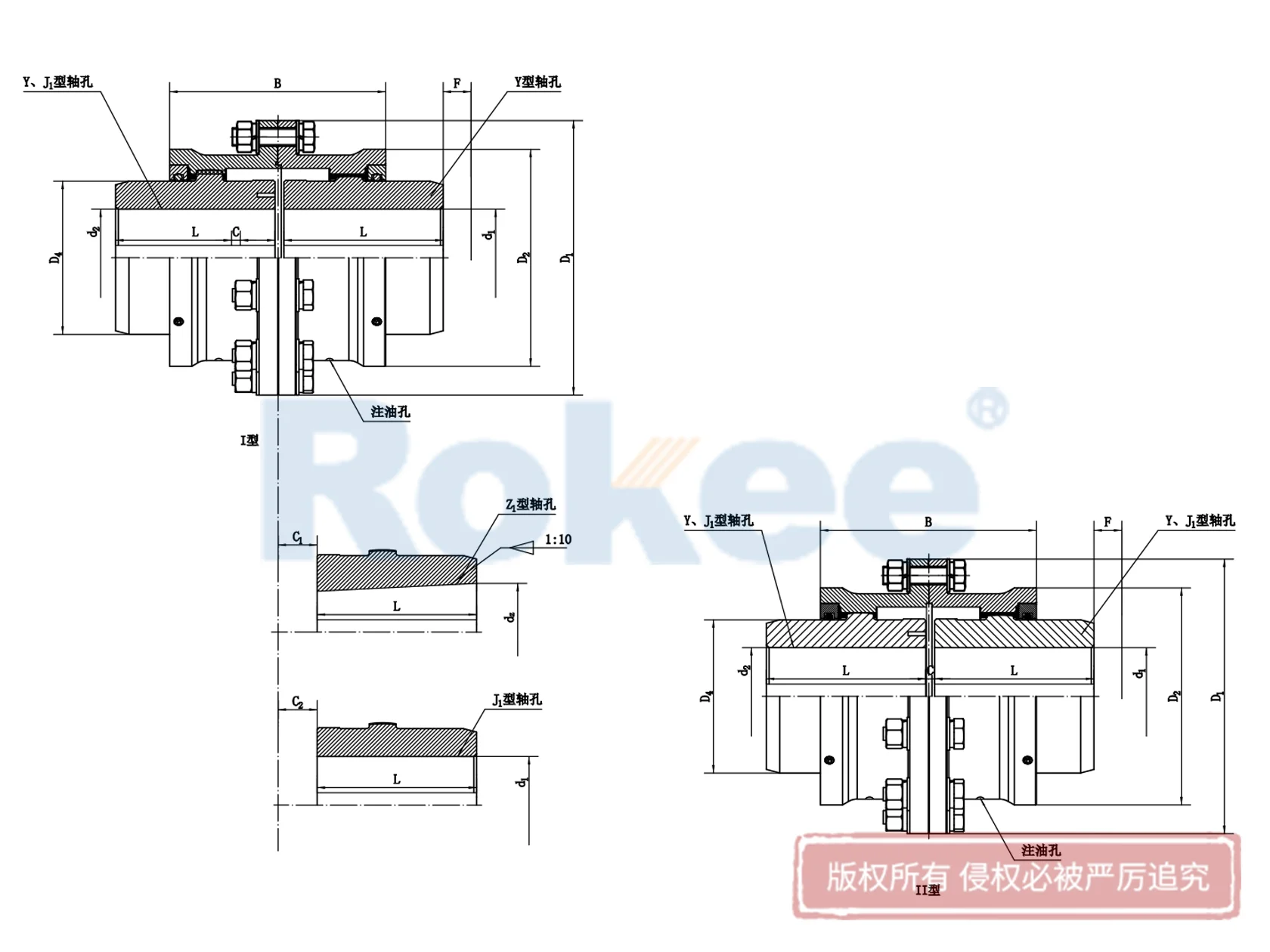 WG Barrel Gear Coupling
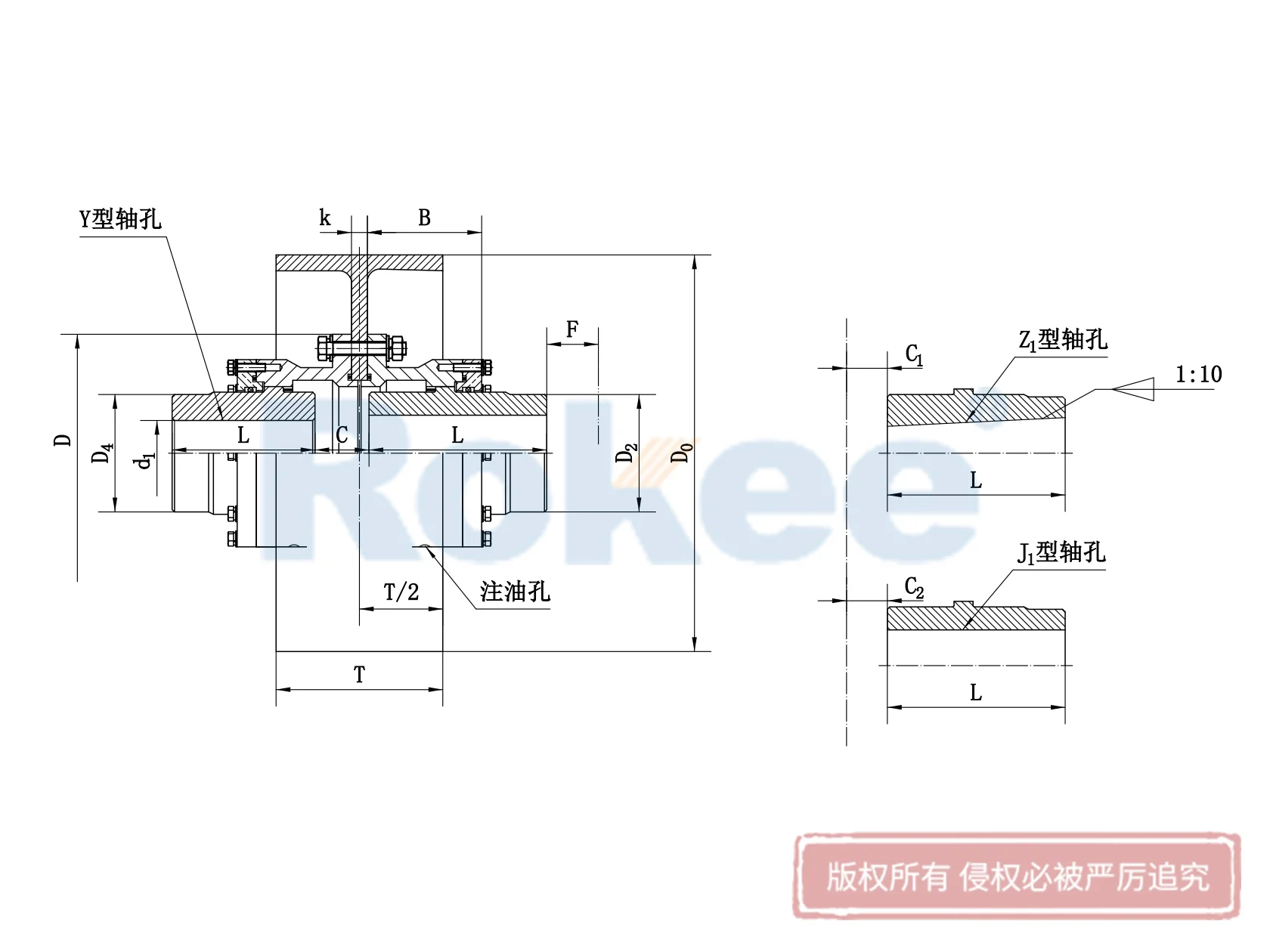 WGZ Barrel Gear Coupling With Brake Wheel
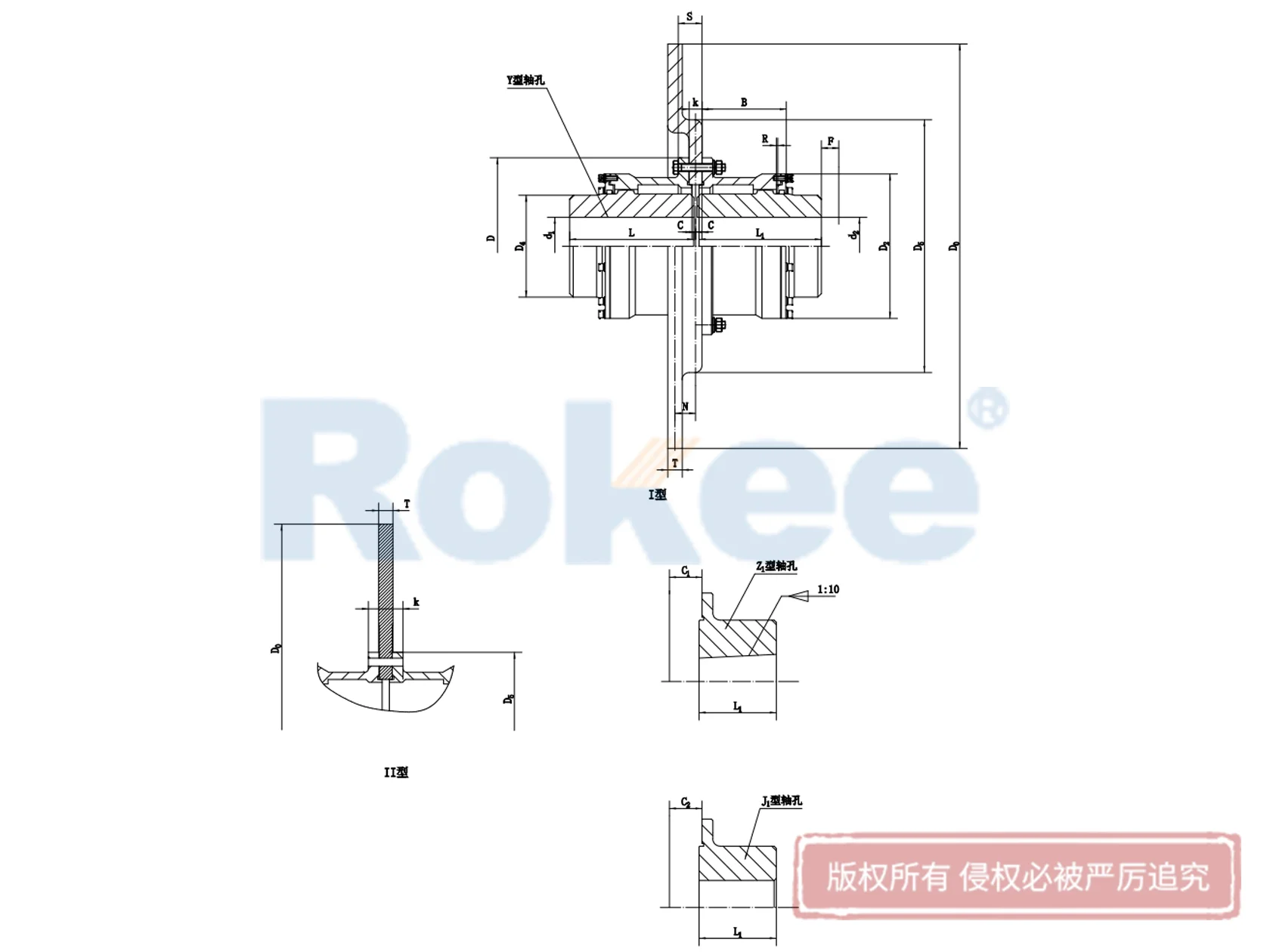 WGP Barrel Gear Coupling With Brake Disc
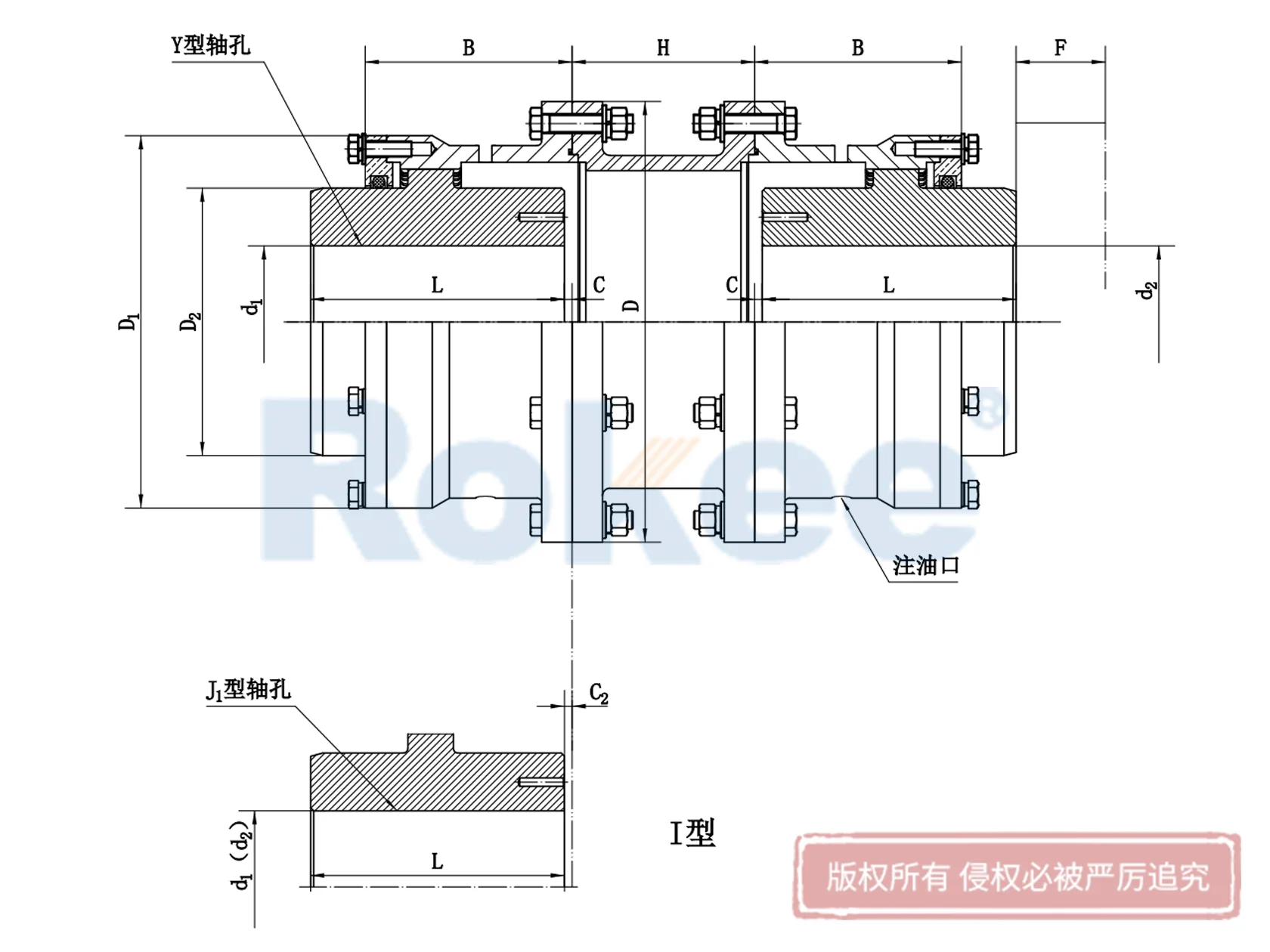 WGT Barrel Gear Coupling With Indirect Tube
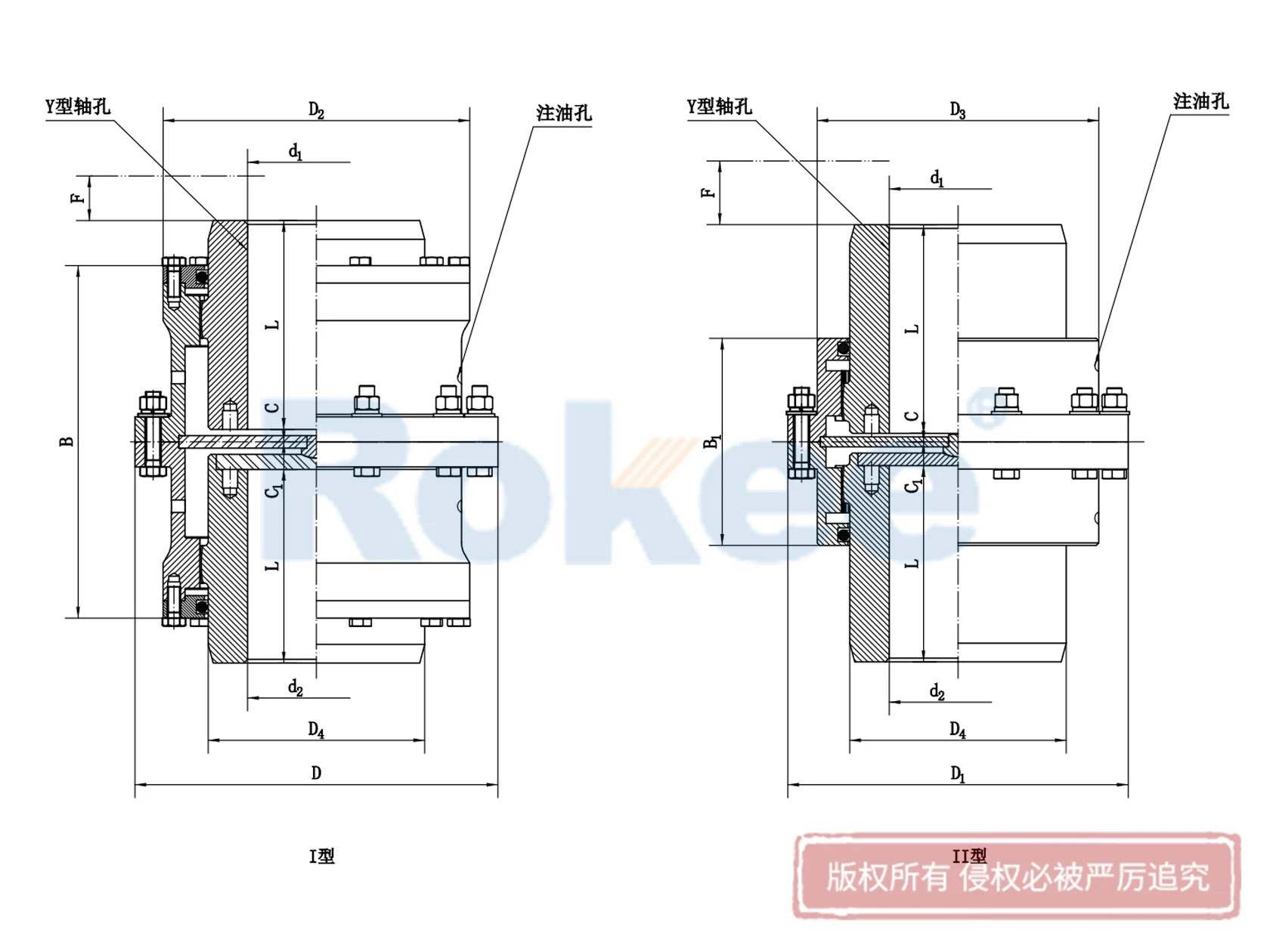 WGC Barrel Gear Coupling
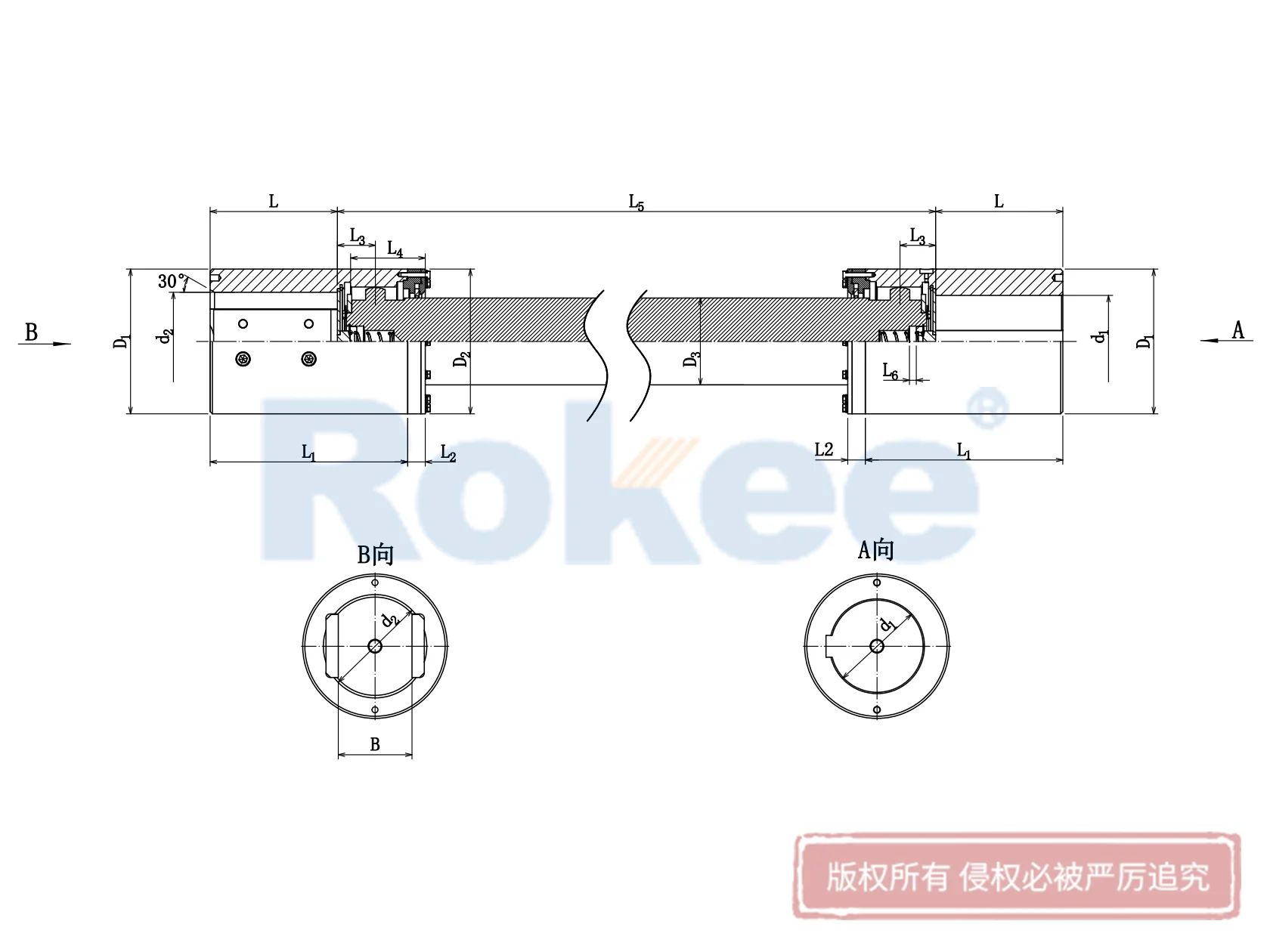 WGJ Barrel Gear Coupling With Intermediate Shaft
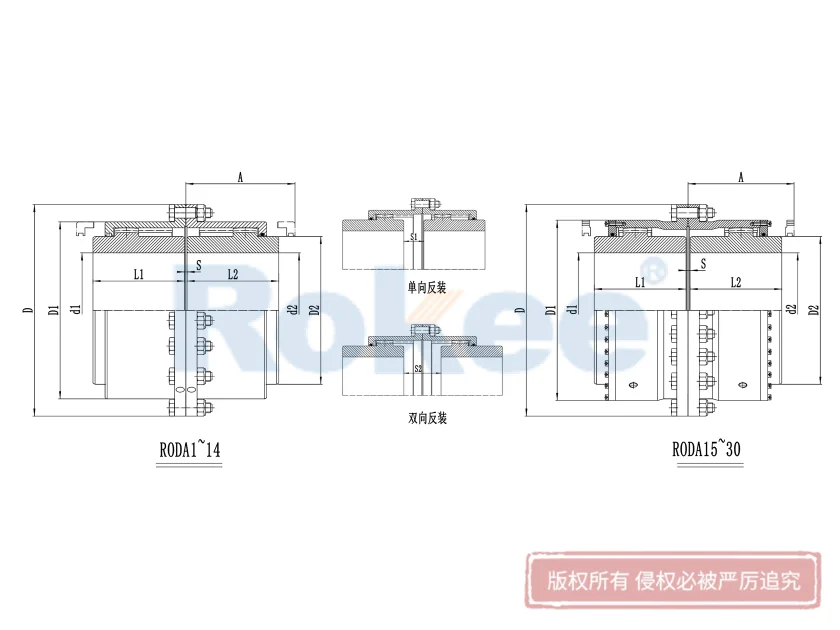 RODA Curved-tooth Gear Coupling
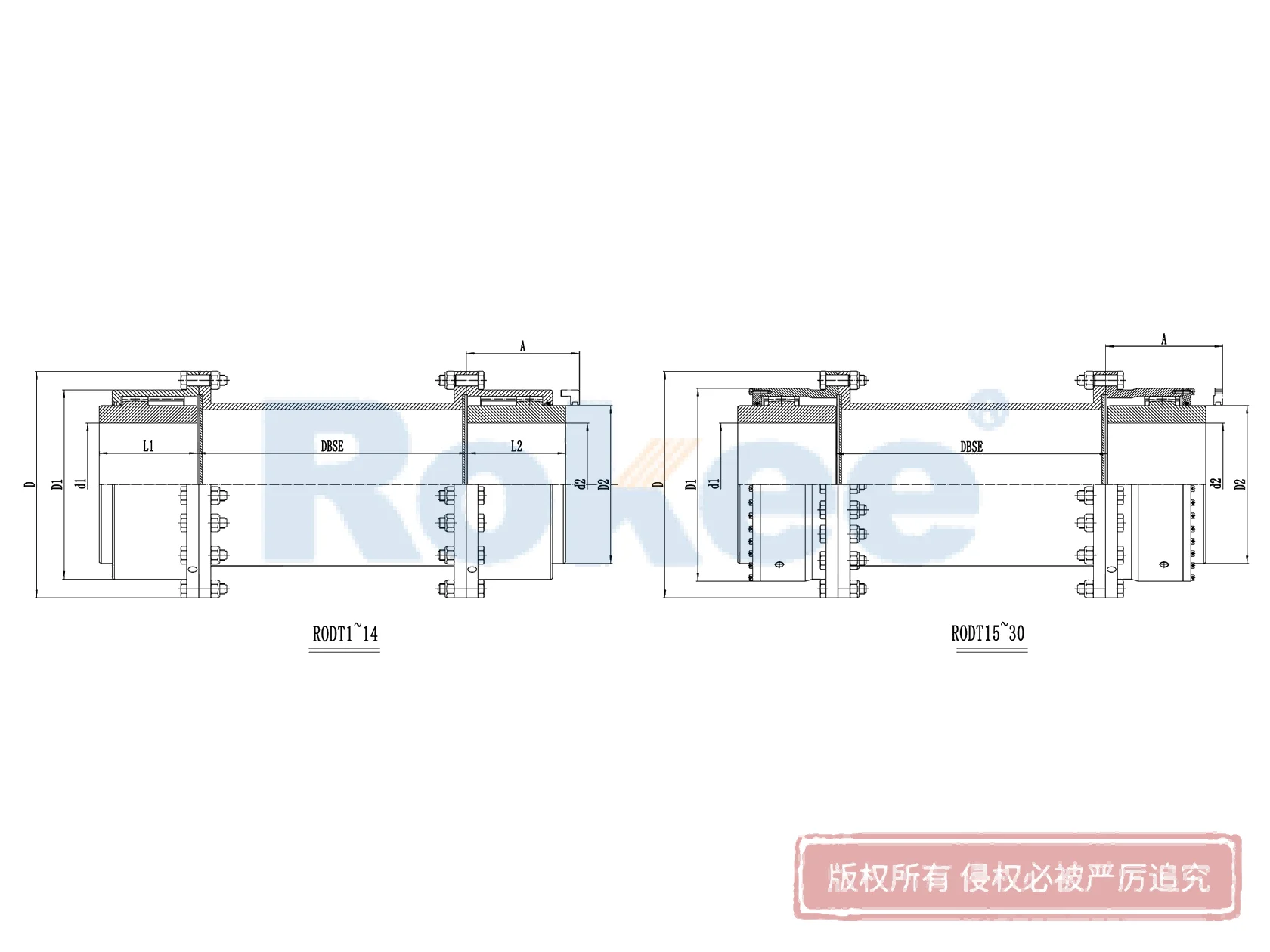 RODT Indirect Tube Curved-tooth Gear Coupling
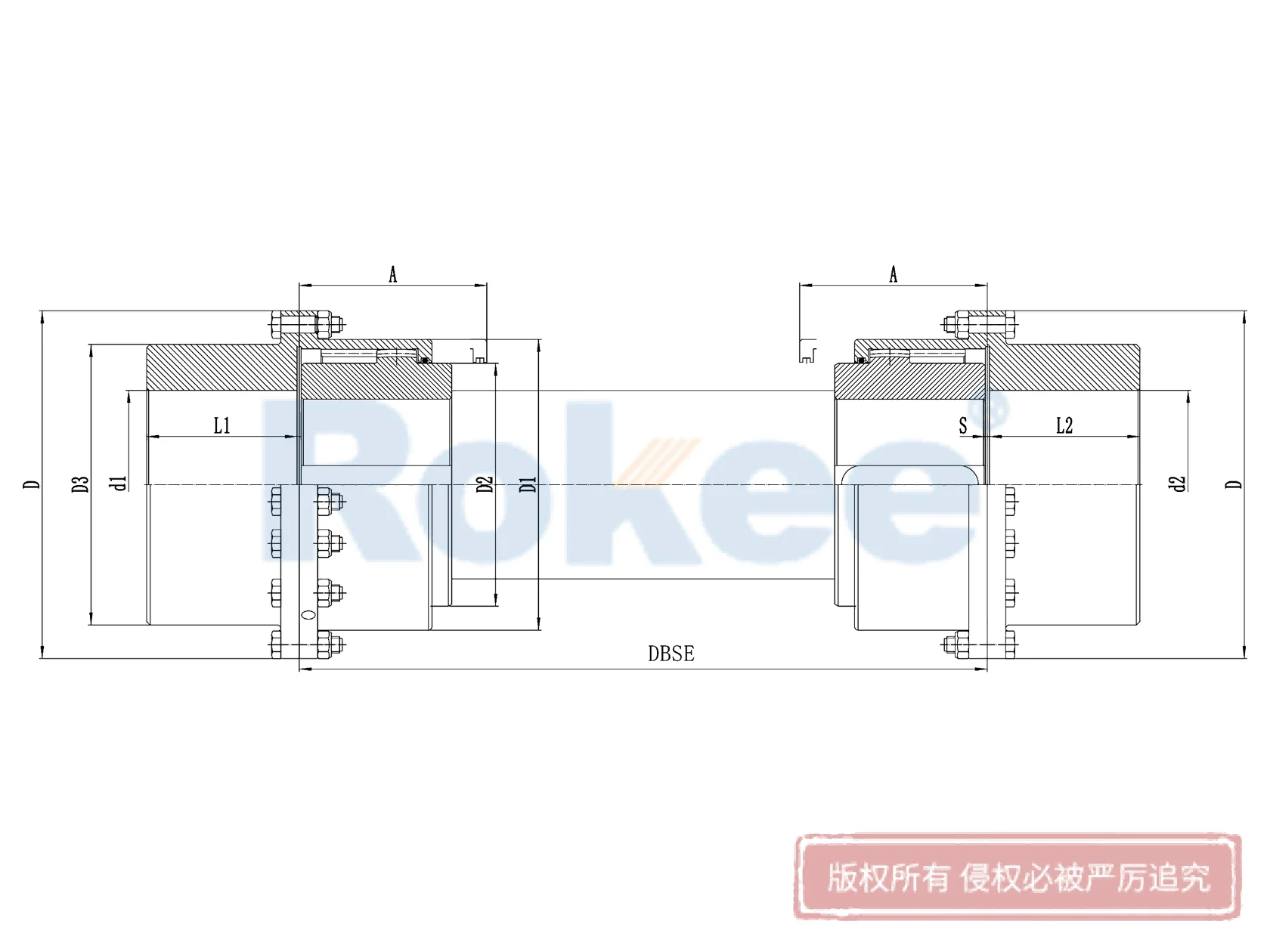 RODX Intermediate Shaft Curved-tooth Gear Coupling
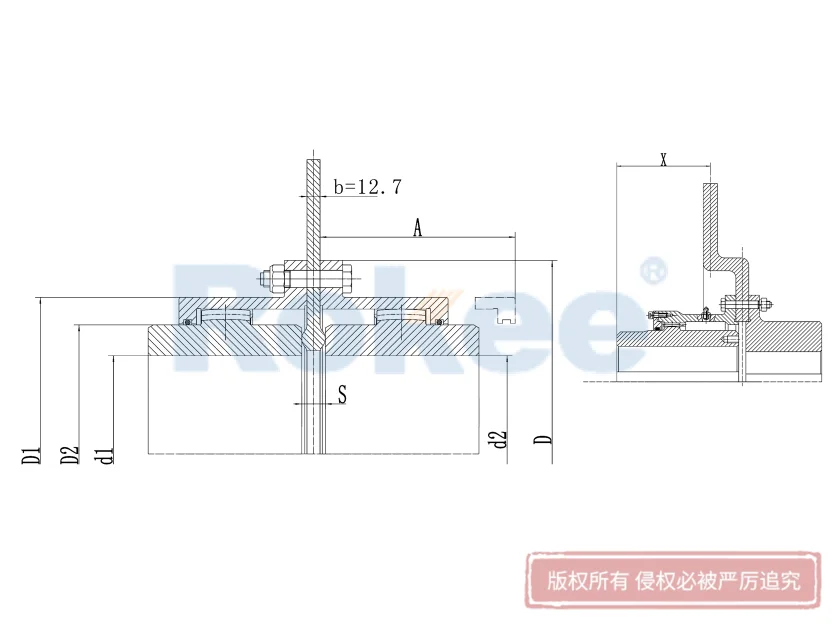 RODP Brake Disc Curved-tooth Gear Coupling
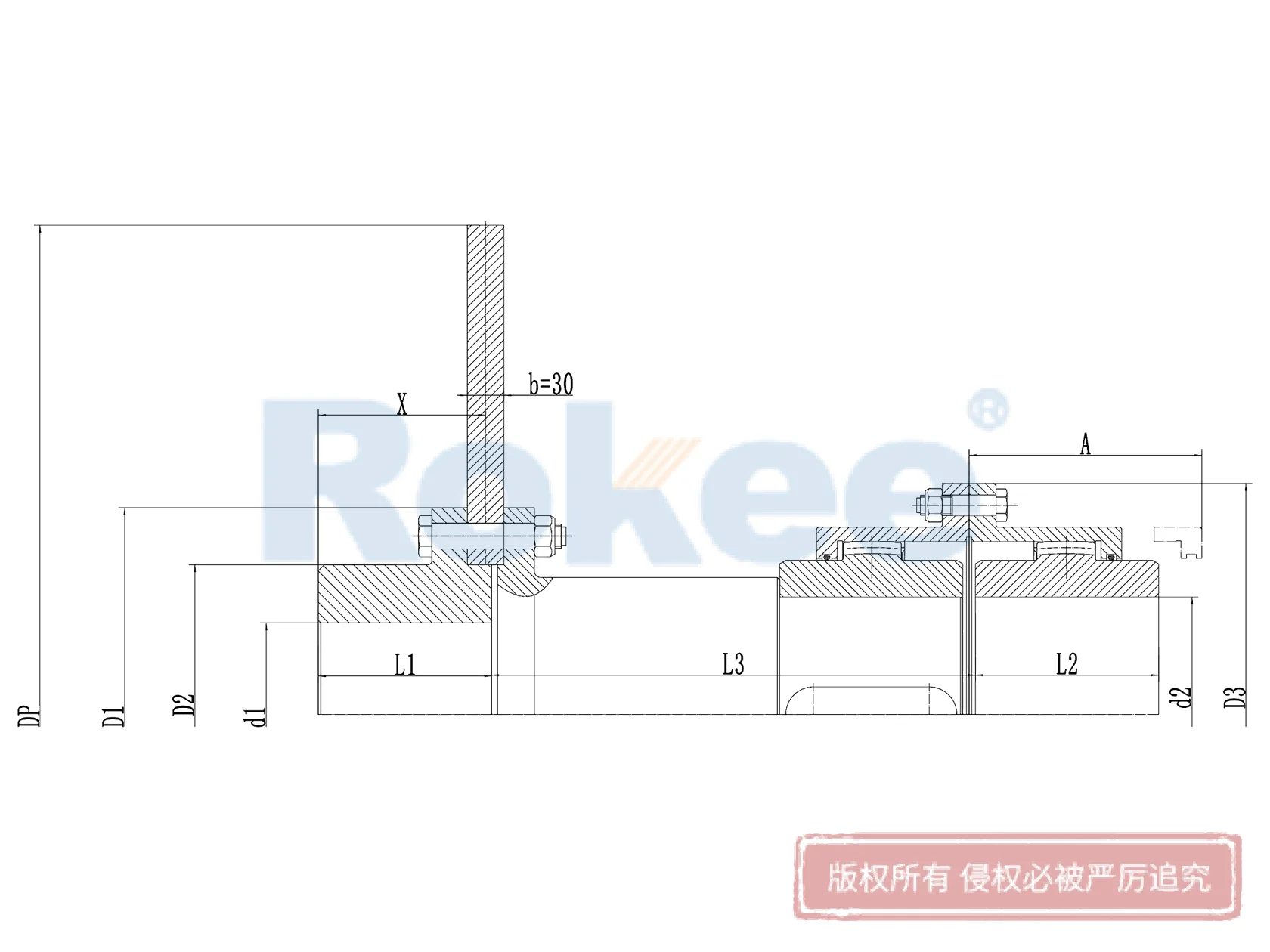 RODF Split Brake Disc Curved-tooth Gear Coupling
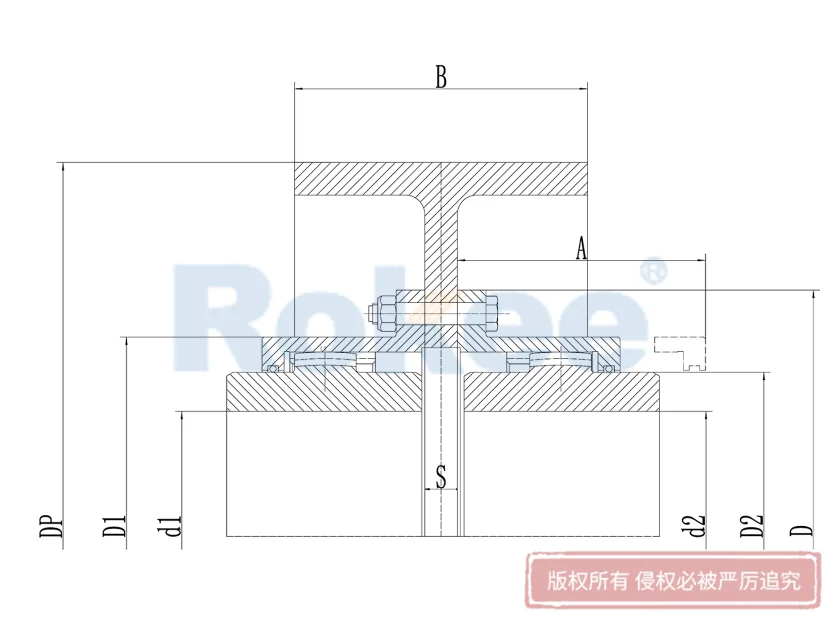 RODW Brake Wheel Curved-tooth Gear Coupling
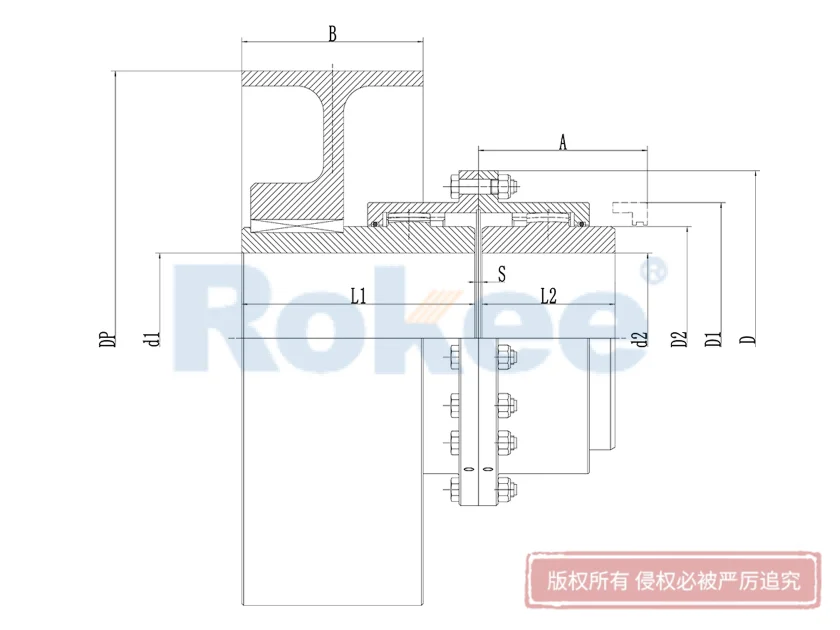 RODU Brake Wheel Curved-tooth Gear Coupling
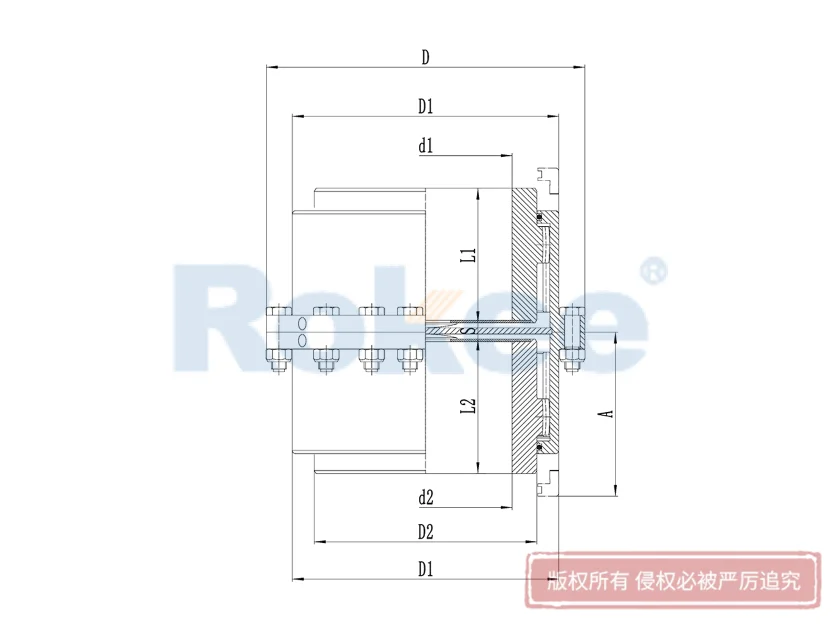 RODV Vertical Installation Curved-tooth Gear Coupling
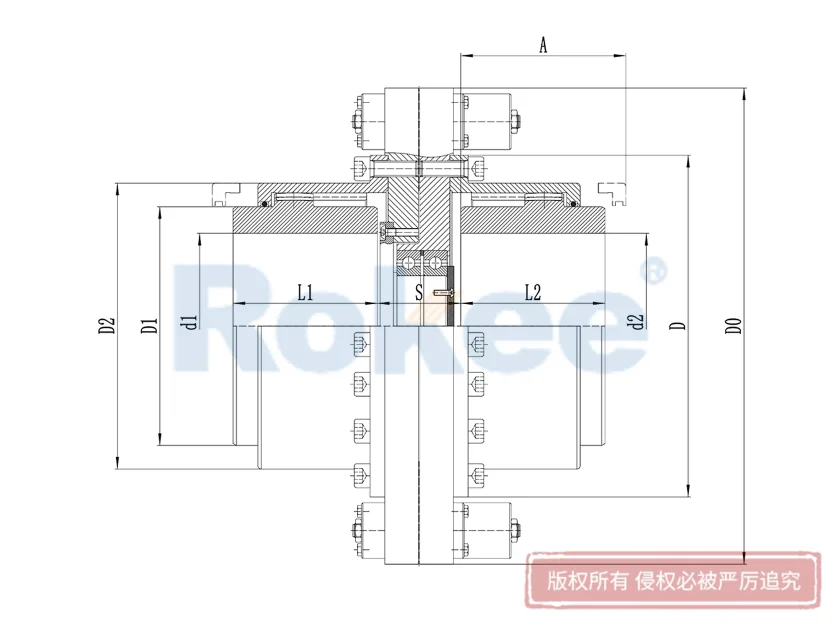 RODM Torsion Protection Curved-tooth Gear Coupling