In the realm of mechanical power transmission, flexible couplings stand as indispensable components that bridge the gap between driving and driven shafts, addressing critical challenges posed by shaft misalignment, vibration, shock loads, and thermal expansion in rotating machinery. Unlike rigid couplings that demand perfect shaft alignment and offer no tolerance for operational deviations, flexible couplings are engineered to transmit torque efficiently while accommodating various forms of shaft displacement, safeguarding adjacent components such as motors, gearboxes, pumps, and bearings from premature wear, fatigue failure, and performance degradation. Their design versatility, performance adaptability, and wide-ranging functionality have made them a cornerstone in nearly every industrial sector, from light-duty precision equipment to heavy-duty industrial machinery.
At its core, the fundamental structure of a elastic coupling revolves around two primary hubs—each securely mounted to the driving and driven shafts—and a flexible intermediate element that connects these hubs, though design variations exist across different types. The hubs are typically crafted from high-strength metals such as carbon steel, stainless steel, or aluminum alloy, chosen for their exceptional load-bearing capacity, durability, and compatibility with standard shaft mounting methods like keyways, set screws, or clamping mechanisms. The flexible element, the heart of the coupling’s functionality, varies widely in material and form, dictating the coupling’s overall performance, misalignment compensation ability, and service life. This element can be made from elastomeric materials like rubber, polyurethane, or neoprene, which excel at vibration damping and shock absorption, or from metallic components such as thin steel discs, diaphragms, grid springs, or gear teeth, which prioritize high torque transmission, thermal resistance, and longevity under extreme operating conditions. Some flexible coupling designs eliminate separate flexible elements, instead integrating flexibility into the hub structure itself through precision machining, such as helical or beam-style cuts that create inherent flexure without additional components. Regardless of the specific configuration, every flexible coupling is built to balance torque transmission efficiency and flexibility, ensuring that power is transferred smoothly while mitigating the adverse effects of shaft misalignment and dynamic loads.
The performance of elastic couplings is defined by a set of core attributes that determine their suitability for specific applications, with no single coupling offering universal performance, making targeted selection critical for optimal operation. Key performance metrics include torque capacity, misalignment compensation capability, torsional stiffness, vibration and shock absorption, backlash, operational speed range, and resistance to environmental factors like temperature, moisture, and chemical exposure. Torque capacity refers to the maximum rotational force a coupling can transmit without deformation or failure, spanning from small, precise torque values for light-duty motion control systems to extremely high torque ratings for heavy industrial machinery. Misalignment compensation is a defining trait, with flexible couplings able to address three primary types of shaft displacement: angular misalignment (shafts intersecting at a slight angle), parallel misalignment (shafts running offset but parallel), and axial misalignment (shafts moving longitudinally along their axis). The degree of compensation varies significantly by type, with some models handling minimal misalignment and others accommodating substantial deviations without compromising performance.
Torsional stiffness is another vital performance parameter, determining the coupling’s resistance to twisting under load. High torsional stiffness is preferred in precision applications requiring accurate motion transfer, such as robotics or CNC machinery, as it minimizes torsional deflection and maintains positional accuracy. Low torsional stiffness, by contrast, is ideal for systems prone to severe vibration and shock, as it allows controlled twisting to absorb impact energy and reduce stress transmission to connected components. Backlash, the clearance between mating parts within the coupling, is also a critical consideration; minimal or zero backlash is essential for high-precision equipment to ensure responsive, accurate motion, while a small degree of backlash can be beneficial in heavy-duty systems to reduce wear and accommodate thermal expansion. Additionally, flexible couplings vary in their ability to operate across different speed ranges and environmental conditions, with metallic designs thriving in high-temperature, high-speed settings and elastomeric designs performing reliably in moderate environments with a focus on vibration control.
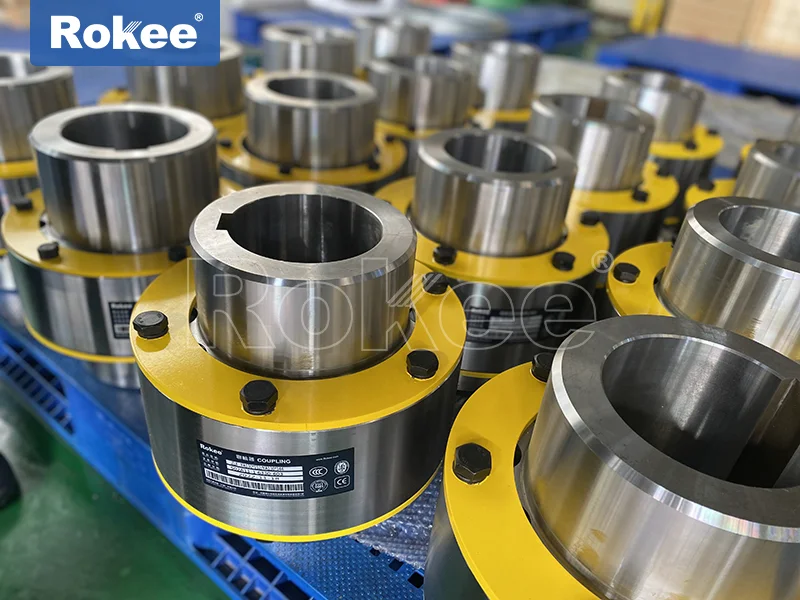
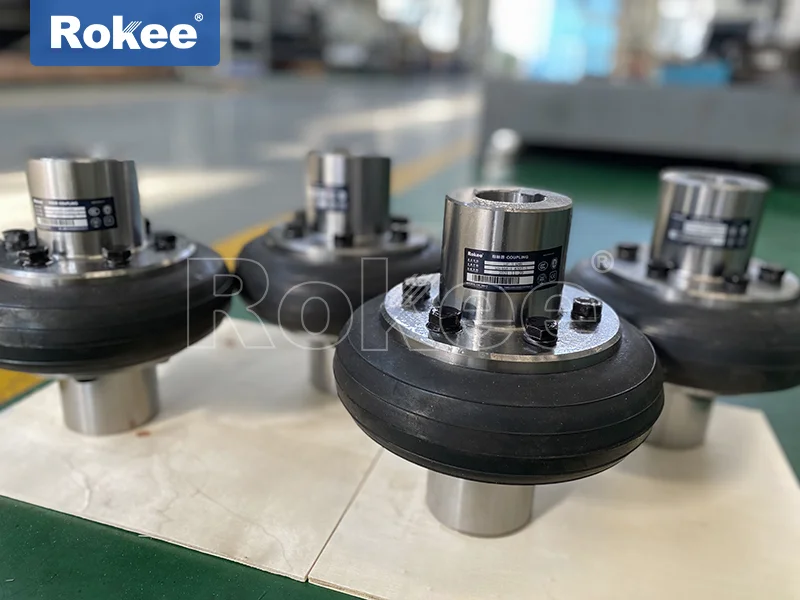
Flexible couplings are categorized into distinct types based on their structural design, flexible element material, and operational principles, each tailored to unique performance requirements and application scenarios. The broadest classification divides them into two main groups: elastomeric flexible couplings and metallic flexible couplings, with further subcategories refining their functionality and use cases. Elastomeric flexible couplings rely on resilient, non-metallic elements to deliver flexibility, vibration damping, and shock absorption, making them the most widely used type for general-purpose applications. Within this group, jaw couplings are among the most common, featuring two toothed hubs and a central elastomeric spider insert that fits between the jaws. The spider compresses under load to compensate for misalignment and absorb vibration, while the robust hub design ensures reliable torque transmission; these couplings are valued for their simple structure, easy installation, and cost-effective maintenance, with the spider being replaceable to extend service life. Tyre couplings, another elastomeric variant, feature a flexible, tyre-shaped rubber element bonded between two hubs, offering exceptional misalignment compensation and high damping capacity, suitable for systems with significant shaft displacement and heavy shock loads.
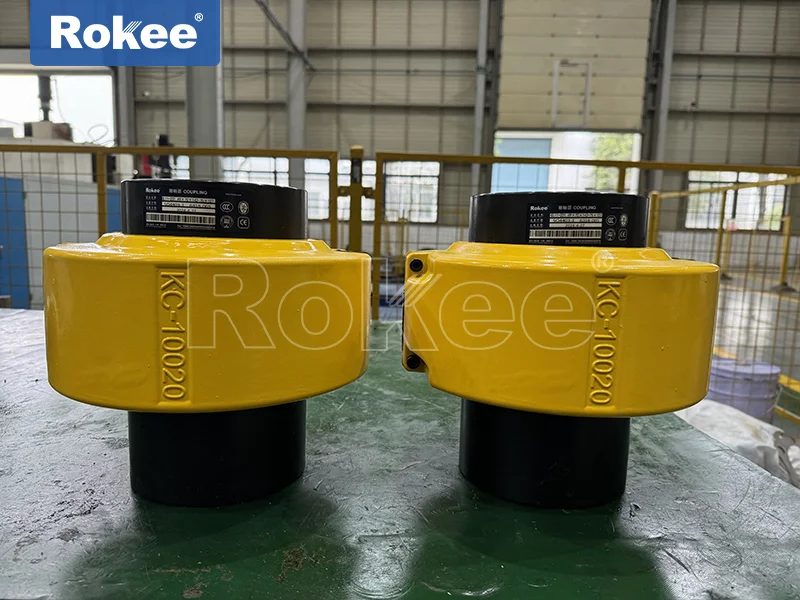
Other notable elastomeric elastic couplings include pin-and-bush couplings, which use flexible rubber or polyurethane bushes mounted on metal pins to absorb shock and compensate for misalignment, and sleeve couplings, which employ a flexible elastomeric sleeve to connect two hubs, providing a compact, lightweight solution for light to medium-duty applications. Elastomeric couplings are generally maintenance-free, requiring no lubrication, and excel at reducing noise and vibration in operation, though their performance is limited by the temperature resistance and durability of the elastomeric material, making them less suitable for extreme high-temperature or heavy-load environments.
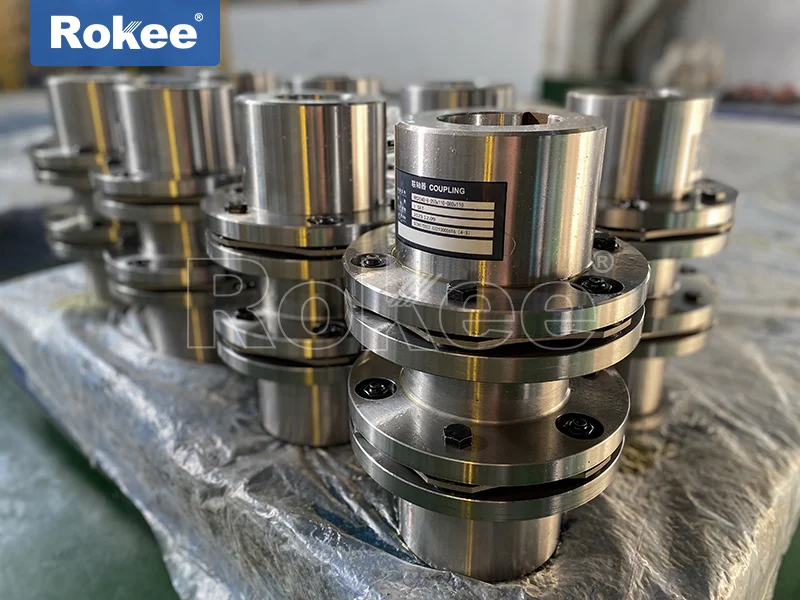
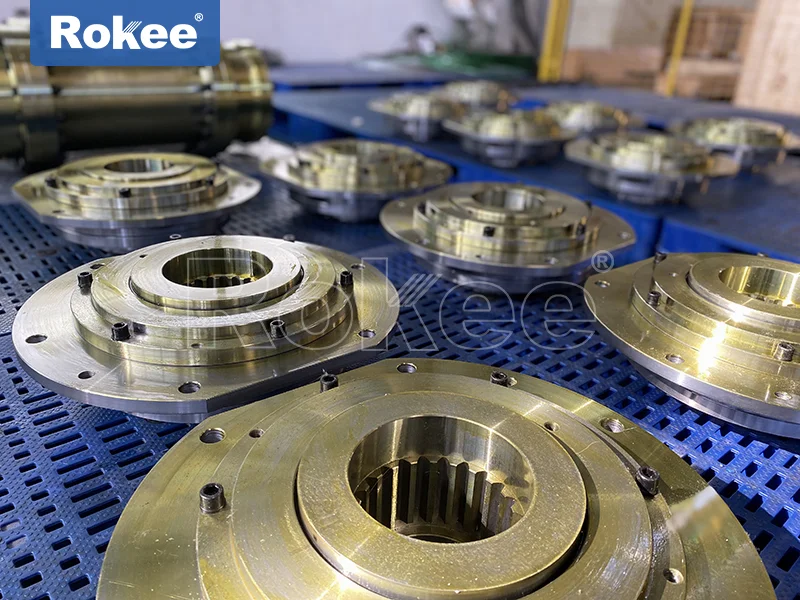
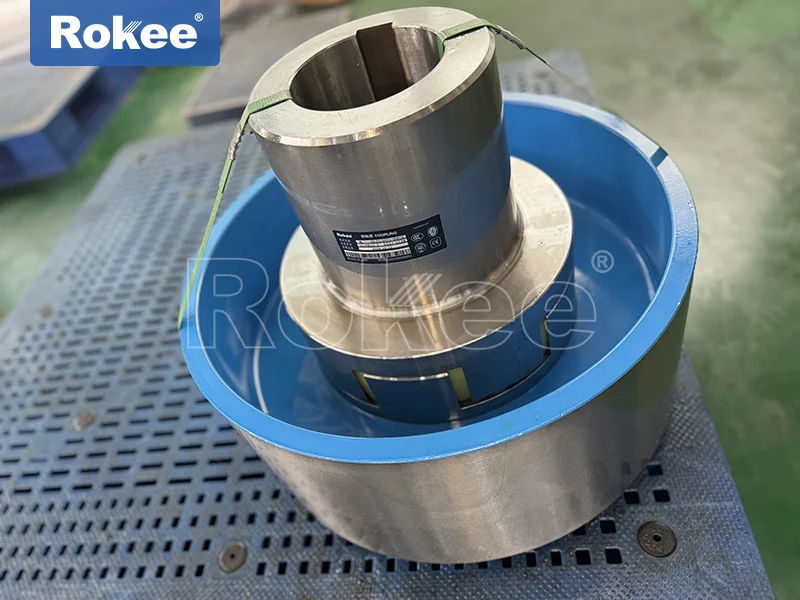
Metallic flexible couplings, by contrast, utilize metallic components to achieve flexibility, prioritizing high torque capacity, thermal stability, and long-term durability under demanding conditions. Gear couplings are a prominent example, consisting of two hubs with external gear teeth that mesh with an internally toothed sleeve, with crowned teeth designed to accommodate angular and parallel misalignment. These couplings offer exceptional torque density, meaning they can transmit extremely high torque in a compact footprint, making them ideal for heavy-duty industrial machinery with rigorous load requirements. Grid couplings feature a metallic grid spring inserted between two slotted hubs, flexing under load to absorb shock loads and compensate for misalignment, combining high torque capacity with moderate vibration damping, a rare trait among metallic designs. Disc couplings, also known as membrane couplings, use thin, flat stainless steel discs stacked between hubs, with the discs flexing to accommodate misalignment while maintaining zero backlash and precise torque transmission; these couplings are perfect for high-speed, high-precision applications such as turbomachinery, compressors, and precision manufacturing equipment, offering excellent thermal stability and resistance to fatigue.
Additional metallic elastic coupling types include beam couplings, which are machined from a single piece of metal with helical cuts to create inherent flexibility, delivering zero backlash and precise motion transfer for small-scale precision equipment like encoders and medical devices; chain couplings, which use a roller chain to connect two sprocket hubs, offering high torque transmission at moderate speeds and easy installation; and diaphragm couplings, which feature flexible metallic diaphragms that provide superior misalignment compensation and high-speed performance, suitable for critical applications where reliability and precision are non-negotiable. While metallic flexible couplings often require periodic lubrication to reduce friction and wear, their ability to withstand extreme temperatures, heavy loads, and high speeds makes them irreplaceable in heavy industrial and high-performance settings.
Beyond these primary categories, there are specialized flexible couplings designed for niche applications, each with unique structural adaptations to address specific operational challenges. Oldham couplings, for instance, feature a central sliding disc between two hubs, excelling at compensating for large parallel misalignment while maintaining compact dimensions, ideal for systems with significant shaft offset. Torsional flexible couplings are engineered specifically to combat torsional vibrations in rotating systems, absorbing resonant vibrations and preventing damage to drivetrain components, commonly used in engines, generators, and power transmission systems with fluctuating loads. Bellows couplings, with their thin, convoluted metallic bellows element, offer exceptional flexibility and precision, delivering zero backlash and excellent chemical resistance, making them suitable for high-purity environments and precision motion control systems. Each specialized type is refined to meet the unique demands of its intended use, highlighting the adaptability of flexible coupling design.
The versatility of flexible couplings is reflected in their extensive applications across nearly every industry that relies on rotating machinery, with each type deployed to solve specific operational challenges. In general manufacturing and industrial production, elastomeric jaw couplings and grid couplings are widely used in conveyor systems, fans, blowers, and mixers, where they absorb vibration, compensate for installation-related misalignment, and ensure smooth power transmission in daily operations. Gear couplings find their place in heavy industrial sectors such as mining, construction, and marine engineering, connecting high-power motors to heavy machinery like crushers, excavators, and ship propulsion systems, where extreme torque transmission and durability are paramount. The pump and compressor industry relies heavily on both elastomeric and metallic couplings, with tyre couplings and disc couplings used to connect pumps to motors, handling the vibration and misalignment common in fluid handling systems while maintaining efficient power transfer.
In the realm of precision engineering and automation, elastic couplings play a pivotal role in ensuring accuracy and reliability. Beam couplings, bellows couplings, and zero-backlash disc couplings are integral to robotics, CNC machine tools, semiconductor manufacturing equipment, and medical devices, where precise motion control, minimal backlash, and consistent performance are critical. These couplings compensate for minor shaft misalignment without compromising positional accuracy, enabling the high-precision operation required in advanced manufacturing and medical technologies. The automotive and transportation sectors utilize a variety of flexible couplings in vehicle drivetrains, engine systems, and auxiliary components, where they absorb shock loads from engine operation, compensate for thermal expansion, and reduce vibration to enhance vehicle performance and passenger comfort. Torsional couplings, in particular, are widely used in automotive powertrains to dampen torsional vibrations and extend the service life of drivetrain parts.
Additional key applications include power generation facilities, where flexible couplings connect turbines, generators, and auxiliary equipment, operating reliably under high speeds and high temperatures to ensure uninterrupted power production; agricultural machinery, where rugged flexible couplings handle the shock loads and misalignment common in farm equipment like tractors and harvesters; and aerospace and defense systems, where lightweight, high-performance metallic couplings deliver precise power transmission in demanding, high-stress environments. Even in small-scale consumer and commercial equipment, such as household appliances, office machinery, and HVAC systems, compact flexible couplings ensure smooth operation, reduce noise, and extend equipment lifespan by mitigating the impact of minor shaft misalignment and vibration.
The selection of the appropriate flexible coupling for a given application is a deliberate process that hinges on a thorough analysis of operational parameters, including torque requirements, shaft speed, type and degree of misalignment, environmental conditions, and performance priorities such as precision, vibration damping, or durability. A coupling that excels in a high-speed precision setting will likely fail in a heavy-duty, high-temperature industrial environment, and vice versa, underscoring the importance of matching coupling design to specific operational needs. Proper installation and routine maintenance further enhance coupling performance and longevity; while elastomeric couplings require minimal maintenance beyond periodic inspection of flexible elements for wear, metallic couplings need regular lubrication and checks for gear, disc, or grid degradation to prevent unexpected failure. Adhering to these practices ensures that flexible couplings operate at peak efficiency, minimizing downtime and reducing long-term operational costs.
In summary, flexible couplings are far more than simple connecting components in mechanical systems; they are precision-engineered solutions that enhance the reliability, efficiency, and lifespan of rotating machinery across all industrial sectors. Their diverse structural designs, tailored performance attributes, and wide-ranging types allow them to address the unique challenges of torque transmission, shaft misalignment, vibration, and shock in every conceivable operational scenario. From lightweight, high-precision couplings for delicate automation equipment to heavy-duty, high-torque designs for industrial giants, flexible couplings adapt to meet the demands of modern engineering. As machinery continues to evolve toward higher speeds, heavier loads, and greater precision, the role of elastic couplings will only grow in importance, driving ongoing innovations in their structure, materials, and performance to support the advancement of global industry and technology. Understanding the nuances of flexible coupling structure, performance, types, and applications is essential for engineers, maintenance professionals, and industrial operators alike, as it enables informed decision-making, optimal equipment performance, and sustained operational success.