In the realm of mechanical power transmission, diaphragm couplings stand out as high-performance flexible coupling components that integrate rigid torque transmission and adaptive misalignment compensation, serving as a critical link between driving and driven shafts across countless industrial systems. Unlike elastomeric couplings that rely on polymer materials for flexibility or gear couplings that demand continuous lubrication, diaphragm couplings utilize thin, high-strength metal diaphragms as the core flexible element, delivering a unique blend of durability, precision, and low maintenance that has cemented their status as a preferred choice for demanding operating conditions.
At its core, the structural design of a diaphragm coupling is engineered to balance torque transmission efficiency and misalignment accommodation, with a streamlined assembly that minimizes rotational inertia and maximizes operational stability. The fundamental components include two rigid hubs, a set of flexible metal diaphragms, and fastening hardware, with optional intermediate shafts or spacers for extended shaft spacing applications. The hubs, typically forged from high-quality alloy steel or stainless steel, are precision machined to fit tightly onto the shaft ends of the driving and driven equipment, featuring mounting interfaces such as keyways, clamping sleeves, or interference fits to ensure zero-slip torque transfer and eliminate backlash during operation. The heart of the coupling lies in the diaphragm group, composed of one or multiple layers of thin, flat metal discs; these diaphragms are crafted from high-tensile, fatigue-resistant alloys, most commonly stainless steel grades optimized for elasticity and structural resilience. Each diaphragm is precision processed with smooth contours and stress-relief features, such as rounded edges or micro-grooves, to mitigate stress concentration that could lead to fatigue cracking under cyclic loading. The diaphragms are securely clamped between the two hubs (or between hubs and an intermediate spacer) via high-strength bolts arranged in a staggered pattern, which distributes clamping force evenly and allows the diaphragms to flex freely without binding. This bolted connection design ensures that torque is transmitted through the shear and tensile strength of the diaphragms, rather than relying on frictional contact or meshing components, creating a rigid yet flexible transmission path. Unlike many conventional couplings, metal membrane couplings have no relative sliding parts, eliminating wear from friction and removing the need for lubrication systems, which simplifies the overall structure and reduces long-term upkeep demands.
The performance attributes of membrane couplings are a direct product of their specialized structural design, making them uniquely suited for applications where precision, reliability, and adaptability are non-negotiable. Foremost among these traits is exceptional misalignment compensation capability, enabling the coupling to accommodate three primary forms of shaft displacement: angular misalignment, radial misalignment, and axial misalignment. Angular misalignment, where the centerlines of the two shafts intersect at a slight angle, is absorbed by the bending deformation of the metal diaphragms; radial misalignment, involving parallel offset between shaft centerlines, is addressed through combined flexure of the diaphragm layers; and axial misalignment, caused by thermal expansion or mechanical movement of the shafts along their axis, is compensated by the axial elasticity of the diaphragm stack. This multi-directional compensation protects connected equipment from excessive stress, reducing wear on bearings, gears, and other precision components, and extending the service life of the entire transmission system. Another standout performance feature is high torque transmission efficiency, often exceeding 99.8% even under high-speed and heavy-load conditions, as the rigid metal construction minimizes energy loss compared to elastomeric or gear-driven alternatives. This efficiency is further enhanced by the zero-backlash design, which ensures instantaneous response to torque changes and maintains consistent rotational accuracy, a critical factor for precision motion control systems.
Flexible diaphragm couplings also exhibit outstanding environmental adaptability, operating reliably across extreme temperature ranges, from cryogenic conditions to high-temperature industrial environments, without degradation of material properties. The metal diaphragm construction resists corrosion, oxidation, and degradation from exposure to chemicals, moisture, and abrasive particles, outperforming polymer-based couplings that can harden, crack, or deteriorate over time in harsh settings. Additionally, these couplings offer excellent vibration damping and noise reduction properties, as the flexible diaphragms absorb minor torsional vibrations and shock loads generated during startup, shutdown, or fluctuating operating conditions, smoothing power transmission and reducing operational noise levels. Their maintenance-free nature is a significant performance advantage as well: without lubrication requirements or wearable components, they eliminate routine oil changes, seal inspections, and part replacements, reducing downtime and operational costs for industrial facilities. Durability is further bolstered by excellent fatigue resistance, with properly designed diaphragm groups capable of sustaining millions of load cycles without failure, making them ideal for continuous-operation industrial systems where unplanned downtime is costly. It is important to note that while flexible membrane couplings excel in most transmission scenarios, they have limitations in handling extreme shock loads beyond their rated capacity, requiring careful selection based on specific operational load profiles to ensure optimal performance.
Diaphragm couplings are categorized into distinct types based on structural configuration, diaphragm design, and application-specific requirements, each tailored to address unique operational needs and misalignment conditions. The most fundamental classification is based on the number of diaphragm groups, distinguishing between single diaphragm couplings and double diaphragm couplings. Single diaphragm couplings feature a single set of diaphragms between two rigid hubs, resulting in a compact, short axial length and simplified construction. This design is optimal for applications with minimal shaft misalignment, short shaft spans, and moderate torque requirements, offering cost-effective performance for light to medium-duty systems such as small pumps, fans, and precision instrumentation drives. While their misalignment compensation capacity is relatively limited compared to dual-diaphragm variants, their compact footprint makes them ideal for space-constrained installations where axial clearance is scarce.
Double diaphragm couplings, by contrast, incorporate two separate diaphragm groups separated by an intermediate rigid spacer or shaft, significantly enhancing their ability to accommodate combined angular, radial, and axial misalignments. The dual-diaphragm design allows each diaphragm group to flex independently, distributing stress across a larger area and doubling the misalignment compensation range compared to single-diaphragm models. This makes them the preferred choice for long shaft spans, high-speed operations, and systems with significant thermal expansion-induced displacement, such as large industrial pumps, compressors, and turbine drives. The intermediate spacer also simplifies installation and maintenance, as the coupling can be disassembled without relocating the connected equipment, streamlining repair and replacement processes.
Beyond the single and double diaphragm classification, these couplings are further differentiated by diaphragm structure and connection style, including integral diaphragm couplings and segmented diaphragm couplings. Integral diaphragm couplings feature a single-piece, contoured diaphragm that combines flexibility and torque-bearing capacity, with a unified design that enhances structural integrity and reduces assembly complexity. This type is favored for high-speed applications requiring dynamic balance and minimal vibration, as the one-piece diaphragm eliminates potential imbalance points from multi-component assemblies. Segmented diaphragm couplings, on the other hand, use stacked, individual diaphragm discs that work in tandem to provide flexibility, offering greater versatility in torque capacity and misalignment compensation by adjusting the number of diaphragm layers. This modular design allows for customization to match specific torque and deflection requirements, making it suitable for heavy-duty, high-torque industrial applications. Additional classifications include those based on hub connection type, such as keyed hub couplings, keyless clamping hub couplings, and flanged couplings, each designed to accommodate different shaft mounting preferences and torque transmission demands. Keyless clamping hubs, for example, provide uniform shaft contact and eliminate backlash, making them ideal for high-precision motion control systems, while flanged couplings offer robust torque transfer for heavy industrial machinery.
The versatility of shim pack couplings, paired with their superior performance and durability, has led to their widespread adoption across nearly every major industrial sector, addressing diverse transmission challenges in both standard and extreme operating environments. In the energy and power generation industry, they are extensively used in gas turbines, steam turbines, generators, and turbine-driven pumps, where they compensate for thermal expansion-induced shaft misalignment and transmit high torque at ultra-high speeds with exceptional efficiency. Their ability to operate reliably in high-temperature, high-vibration environments without lubrication makes them indispensable for critical power generation equipment, where downtime can have cascading operational and economic impacts.
In the oil and gas, petrochemical, and chemical processing industries, diaphragm couplings are the go-to choice for pumps, compressors, mixers, and conveyor systems, thanks to their corrosion resistance, leak-free operation, and ability to withstand harsh chemical exposures. Unlike lubricated couplings that risk fluid contamination, the maintenance-free, lubrication-free design of diaphragm couplings aligns with strict safety and cleanliness standards in these sectors, preventing product contamination and reducing fire or explosion risks in volatile operating environments. In the manufacturing and industrial automation sector, they play a pivotal role in precision machinery such as CNC machine tools, servo motors, robotic arms, and printing presses, where zero backlash, high rotational accuracy, and rapid response to motion commands are essential for maintaining product quality and production efficiency. Their ability to preserve positional accuracy and minimize vibration ensures consistent machining and manufacturing results, making them a cornerstone of automated production lines.
In the aerospace, marine, and transportation industries, steel laminae couplings are valued for their lightweight construction, high strength-to-weight ratio, and resistance to extreme environmental conditions, including temperature fluctuations, moisture, and vibration. They are used in aircraft auxiliary power units, ship propulsion systems, railway traction equipment, and heavy-duty vehicle transmissions, delivering reliable torque transfer while accommodating dynamic misalignment caused by vehicle movement and structural flexure. In the food, beverage, and pharmaceutical industries, where strict hygiene and cleanliness standards are enforced, the lubrication-free, easy-to-clean design of diaphragm couplings eliminates the risk of oil contamination, making them suitable for pumps, mixers, and packaging machinery that handle consumable products. Additionally, they find application in mining, metallurgy, and water treatment facilities, powering heavy-duty equipment such as crushers, centrifuges, and water pumps, where durability and low maintenance are critical for withstanding rugged, continuous-operation conditions.
Across all these applications, the selection of a specific flexible diaphragm coupling type is guided by key operational parameters, including torque requirements, rotational speed, shaft misalignment magnitude, shaft spacing, and environmental conditions. Engineers and designers carefully evaluate these factors to match the coupling’s structural and performance attributes to the unique demands of the system, ensuring optimal efficiency, reliability, and service life. While each type of diaphragm coupling is engineered for specific use cases, the overarching design principles of flexibility, durability, and precision unify the product category, solidifying its role as a critical component in modern mechanical power transmission.
In summary, metal diaphragm couplings represent a pinnacle of flexible transmission engineering, merging robust structural design, exceptional performance metrics, diverse functional types, and broad industrial applicability to solve complex power transmission challenges. Their metal diaphragm-based construction delivers a unique combination of misalignment compensation, high torque efficiency, zero backlash, environmental resilience, and maintenance-free operation, setting them apart from conventional coupling solutions. From high-speed precision automation to heavy-duty industrial processing, from extreme-temperature power generation to hygiene-sensitive manufacturing, diaphragm couplings continue to enable reliable, efficient operation across critical industrial systems. As mechanical engineering technology advances and industrial demands evolve, ongoing refinements in material science, structural design, and manufacturing processes will further enhance the performance and versatility of diaphragm couplings, ensuring their continued relevance and indispensability in the global industrial landscape for years to come.
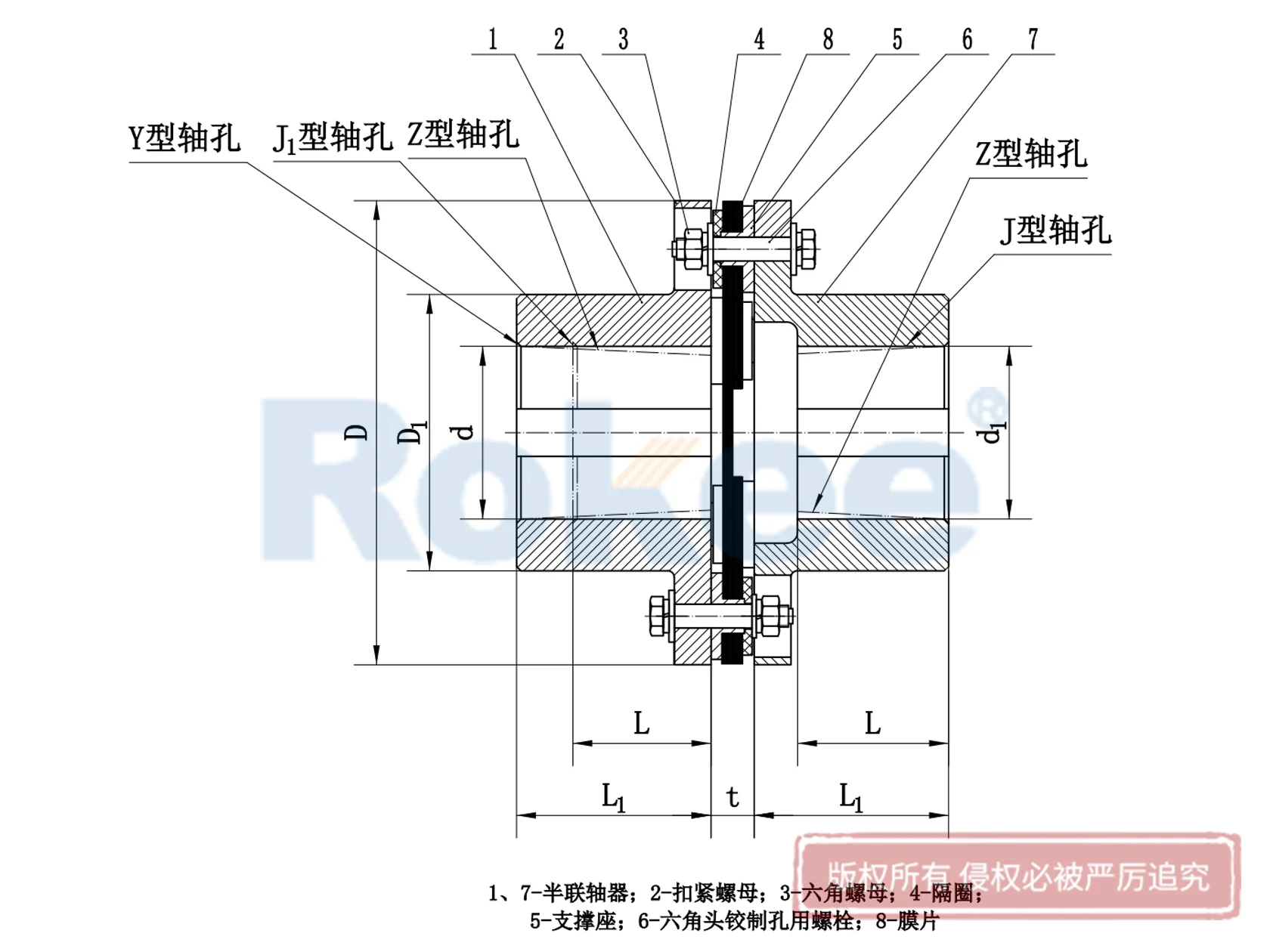 JMI Single Diaphragm Coupling
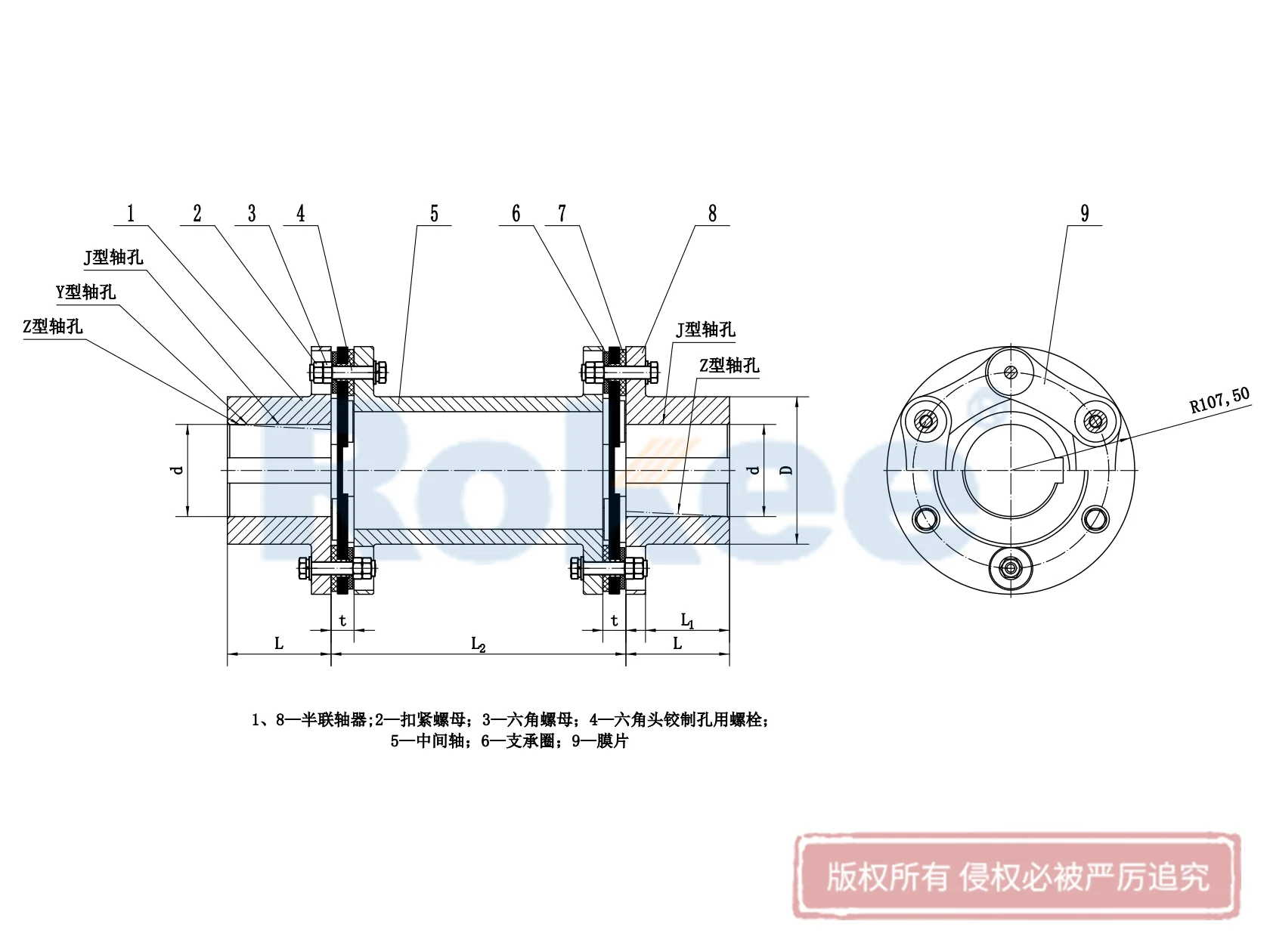 JMIJ Double Diaphragm Coupling With Intermediate Shaft
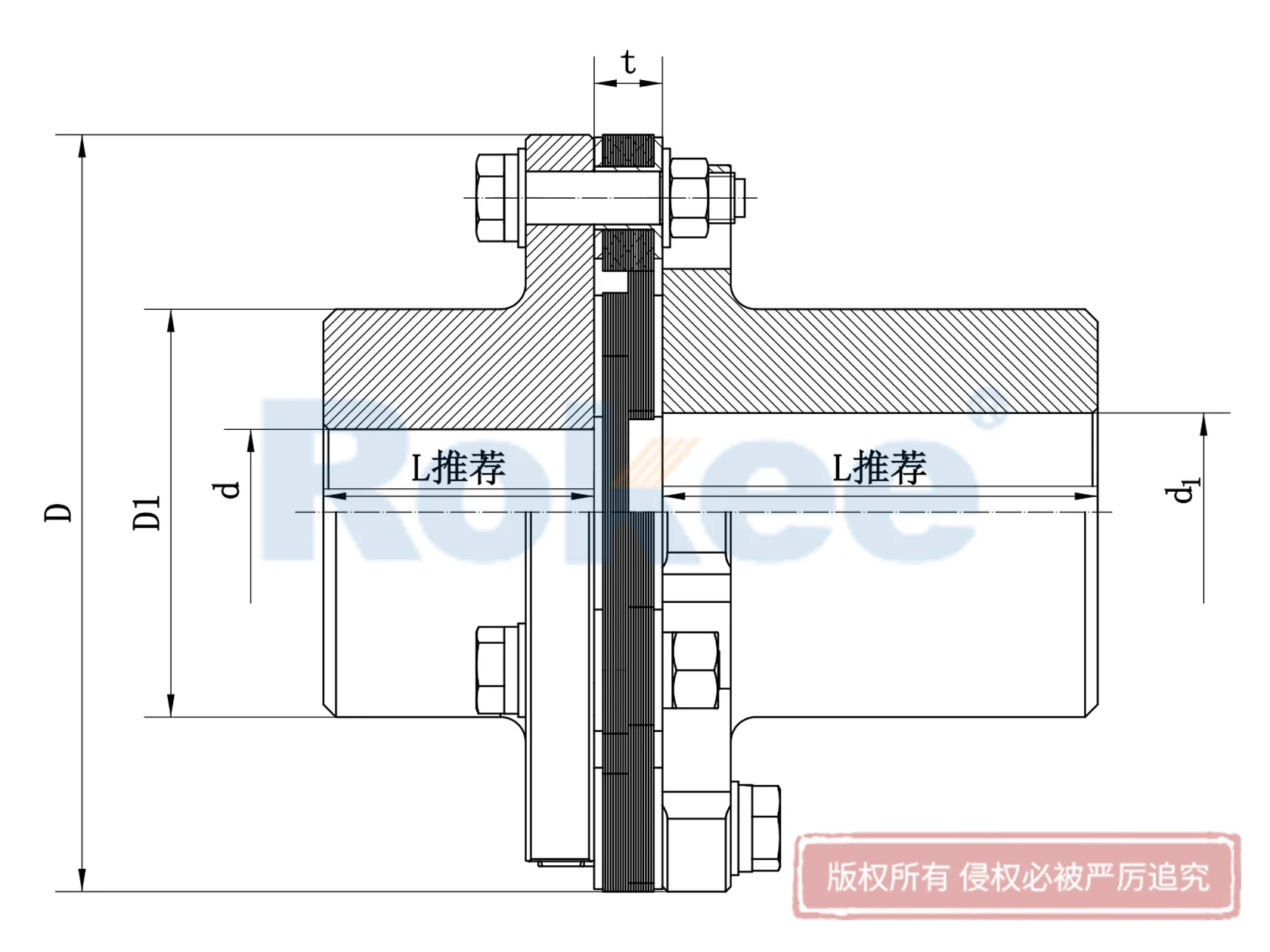 JMII Single Diaphragm Coupling
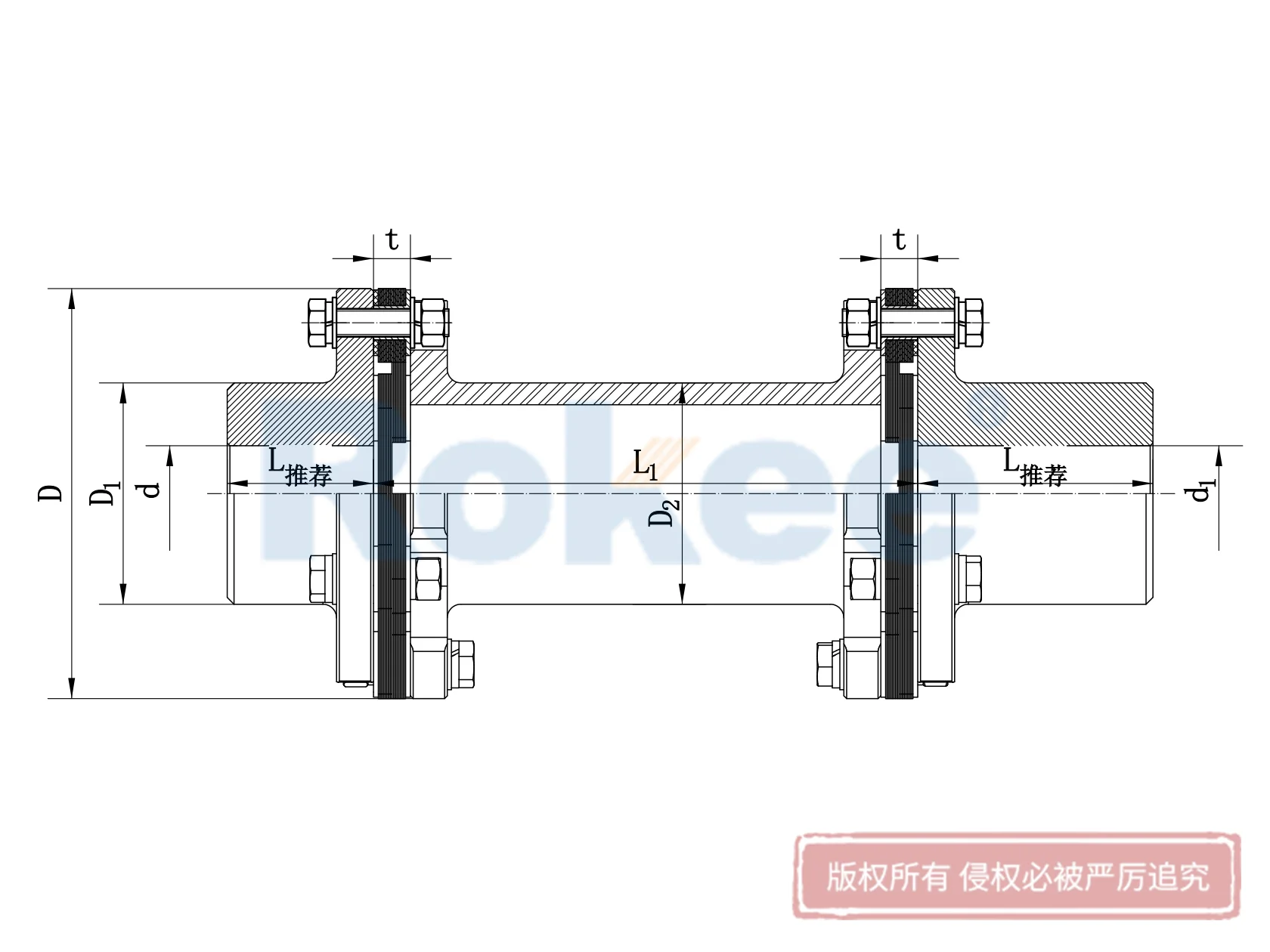 JMIIJ Double Diaphragm Coupling With Intermediate Shaft
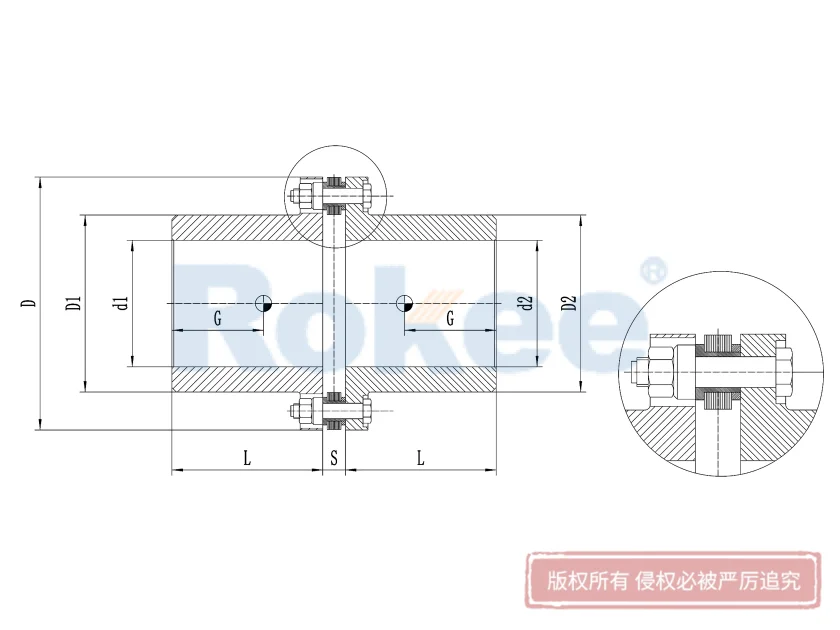 RLM Small Single Diaphragm Coupling
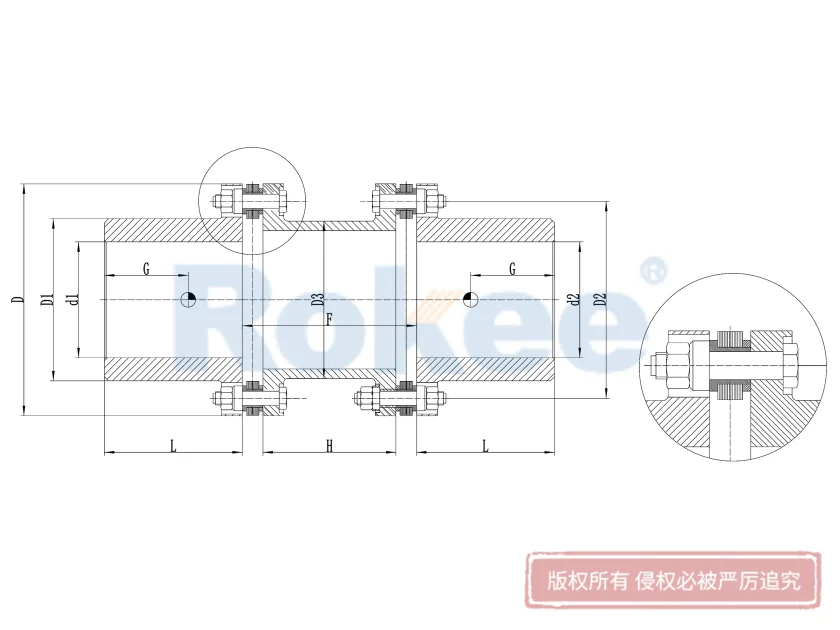 RLMD Small Double Diaphragm Coupling
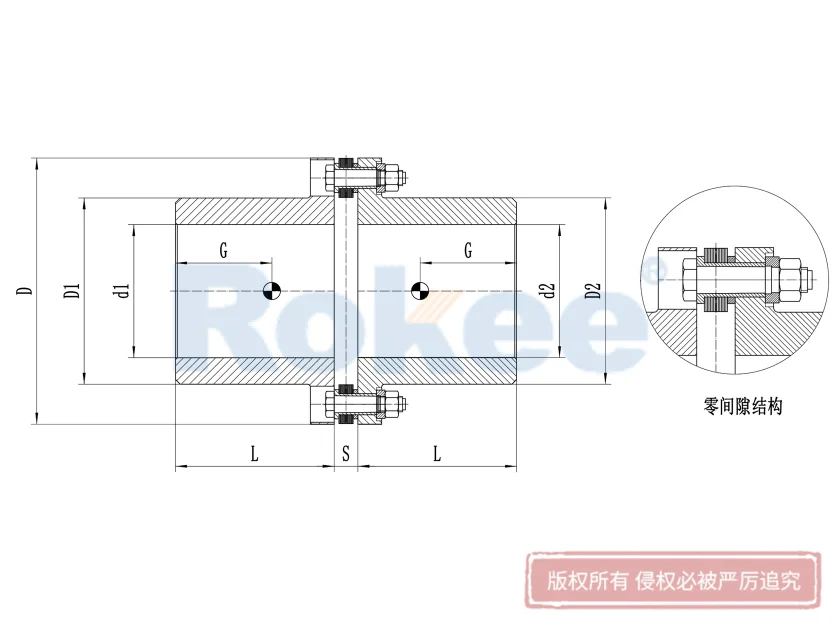 RLA Standard Single Diaphragm Coupling
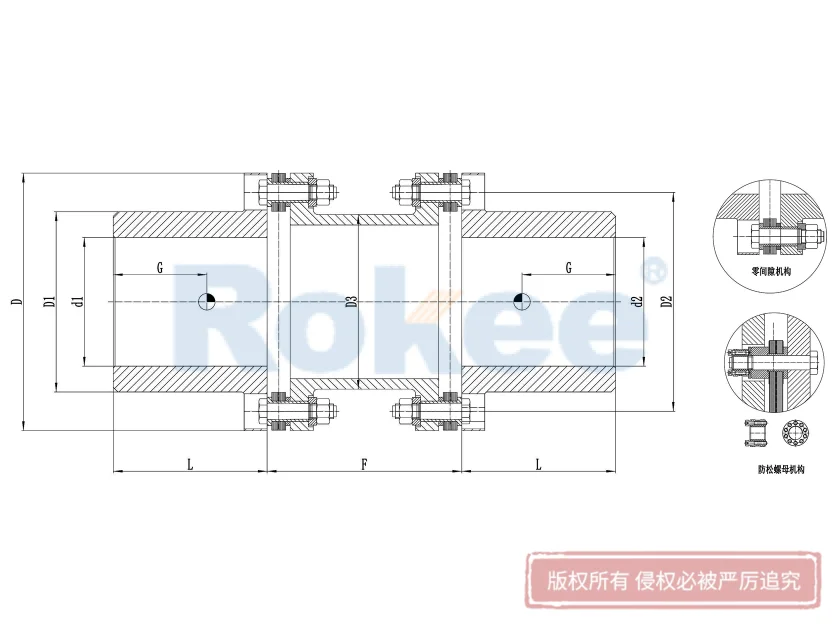 RLAD Standard Double Diaphragm Coupling
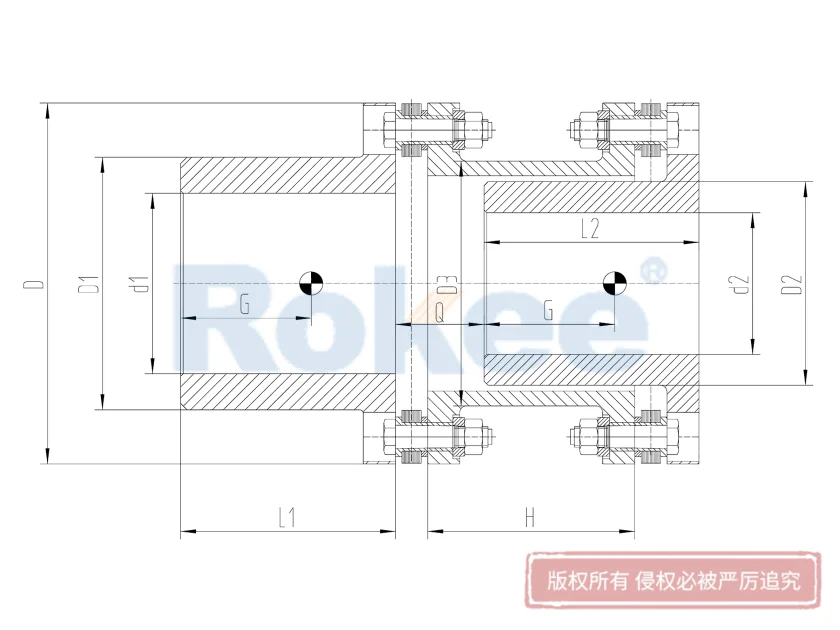 RLAR Single Shaft Sleeve Reverse-mounting Diaphragm Coupling
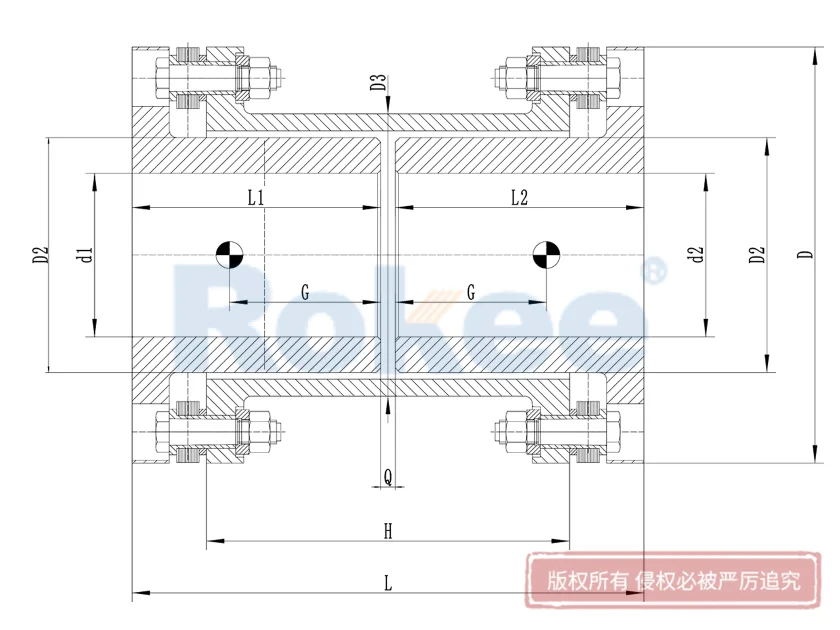 RLARD Double Shaft Sleeve Reverse-mounting Diaphragm Coupling
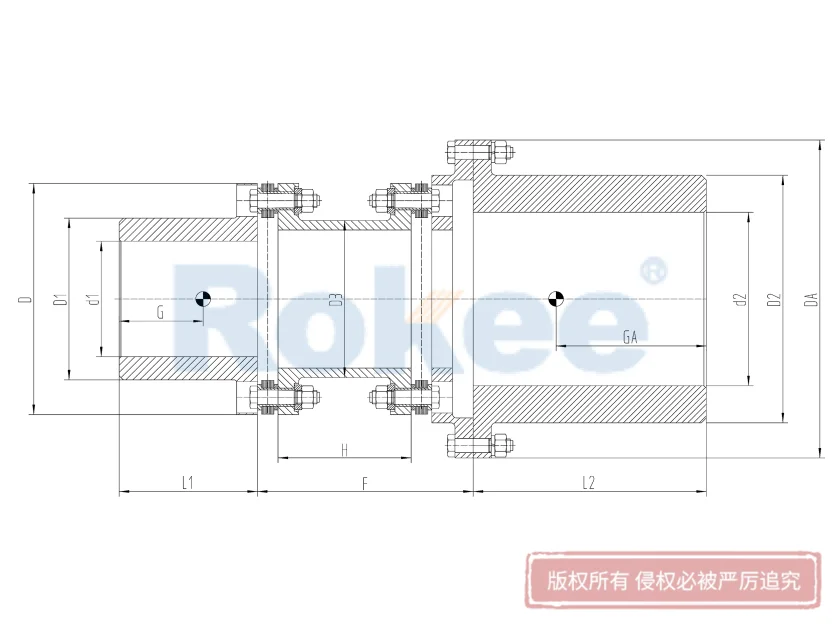 RLAF Large and Small Shaft Mounted Diaphragm Coupling
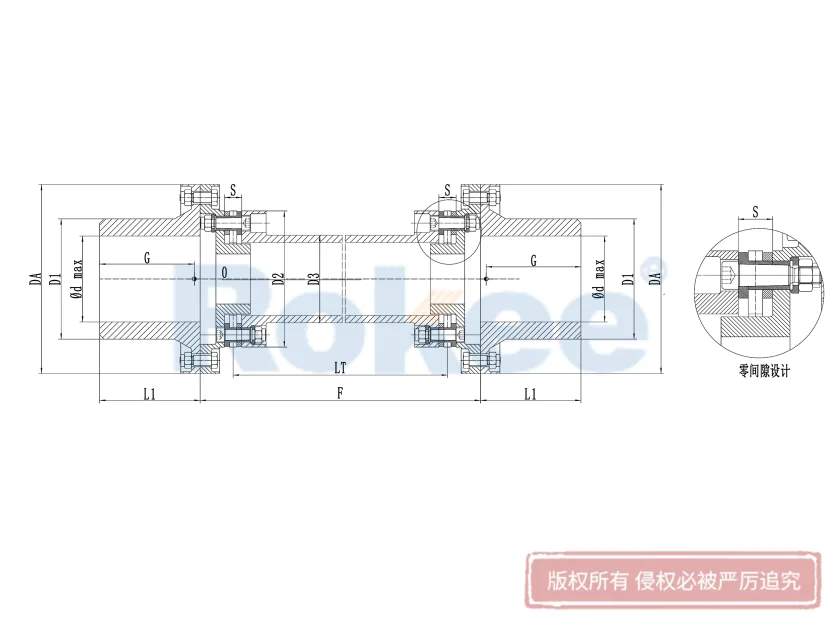 RLAT Super Long Wheelbase Diaphragm Coupling
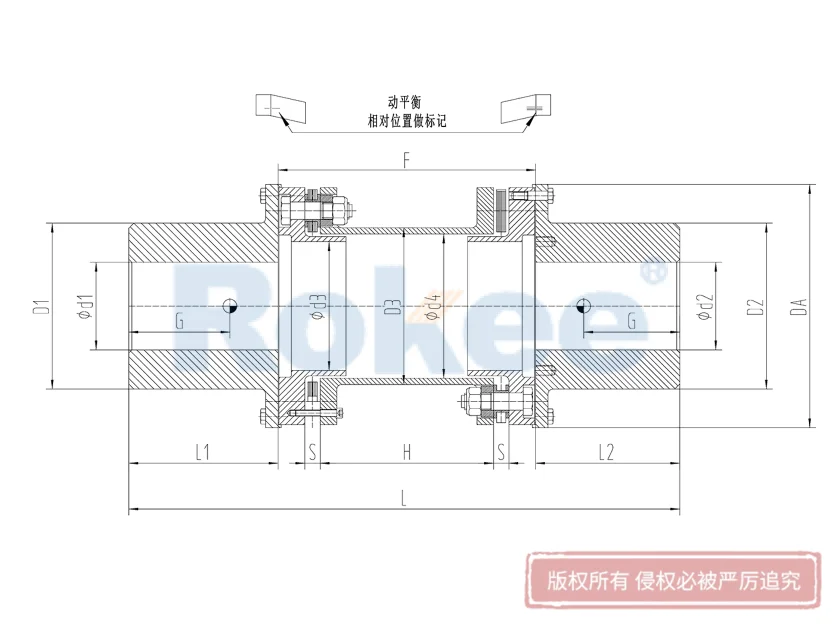 RLQA No Flange Quick Installation Metal Diaphragm Coupling
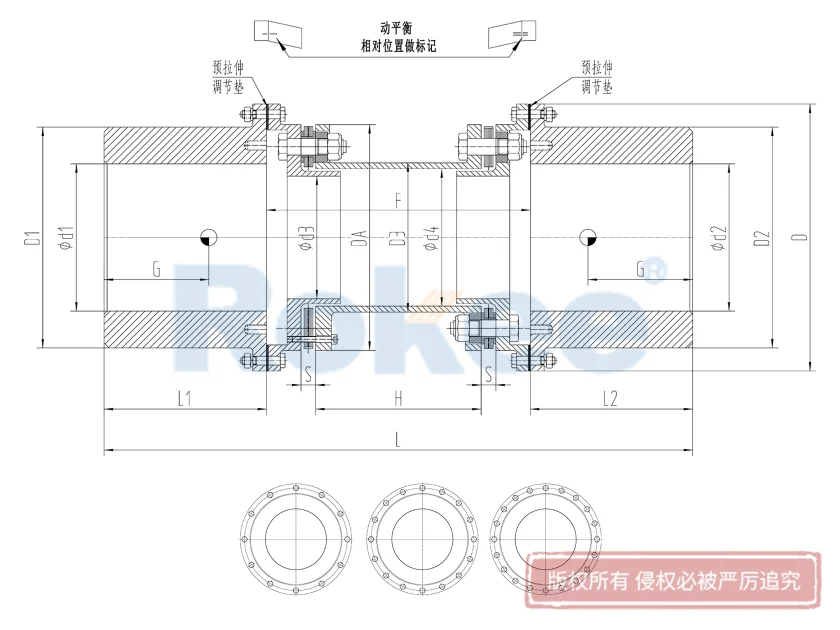 RLQF Flange Type Quick Installation Diaphragm Coupling
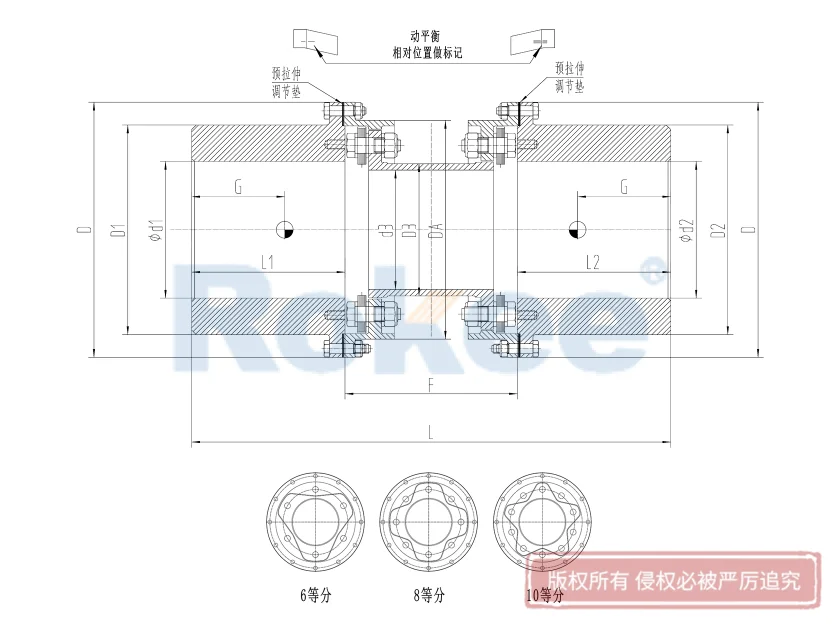 RLQU Improved Flange Quick Installation Diaphragm Coupling
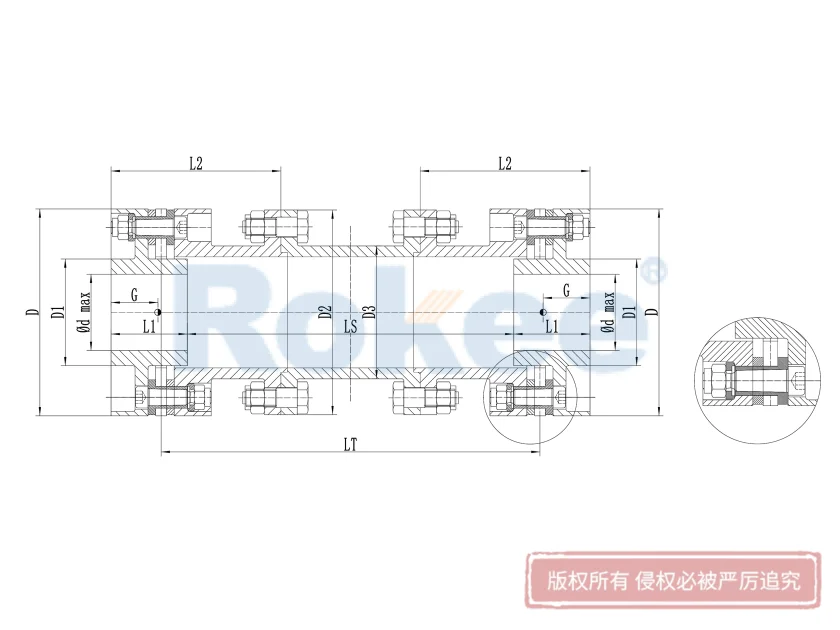 RLHD High Speed Diaphragm Coupling