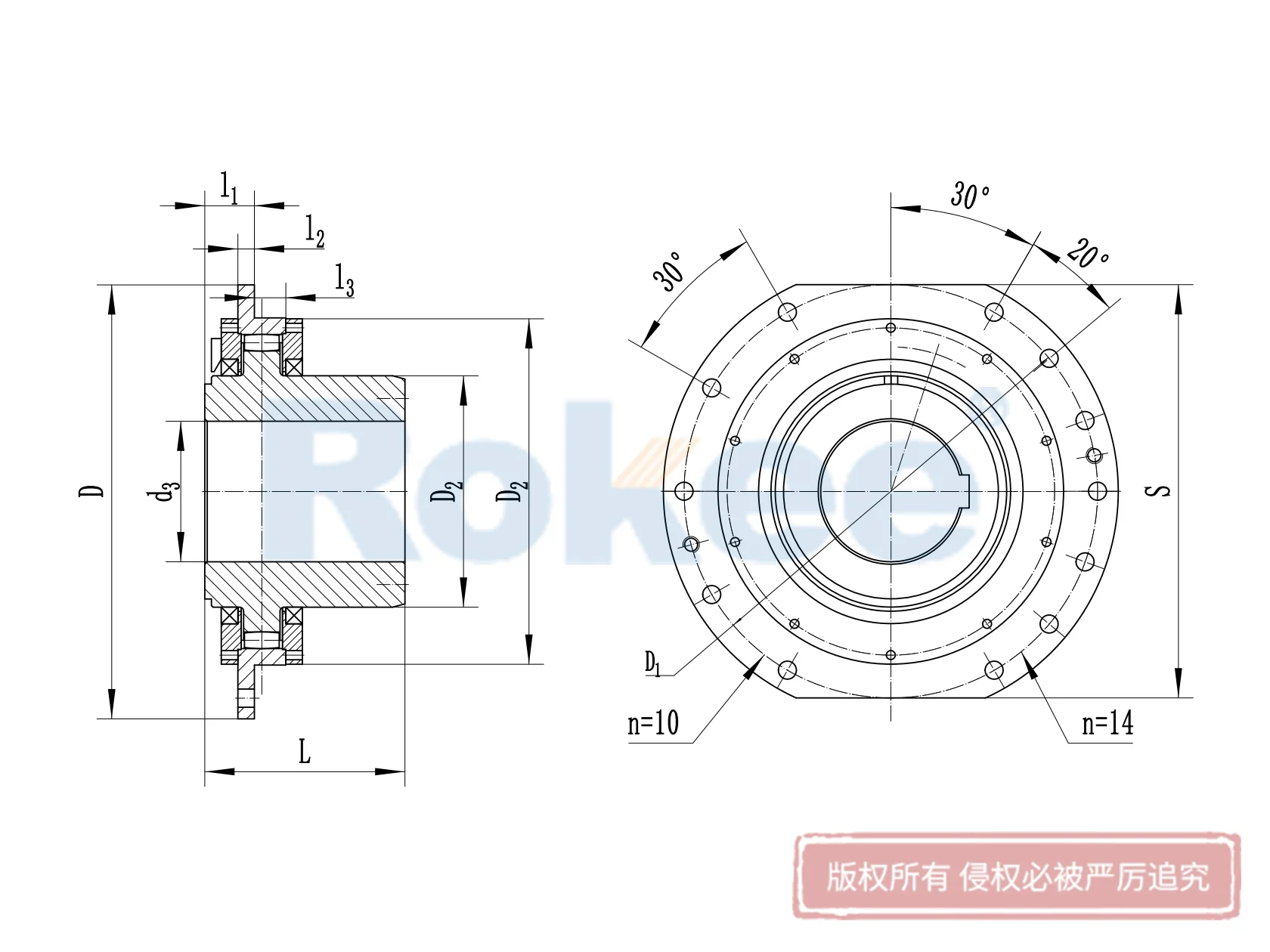
In the realm of mechanical power transmission, drum couplings stand as indispensable components that bridge rotating shafts, transfer torque efficiently, and accommodate various forms of shaft misalignment, playing a pivotal role in ensuring the stable operation of diverse industrial machinery. Unlike rigid couplings that demand perfect shaft alignment and offer no tolerance for positional deviations, drum couplings blend the rigidity of torque transmission with the flexibility of misalignment compensation, making them suitable for heavy-duty, high-load, and harsh operating environments where standard flexible couplings fail to deliver consistent performance.
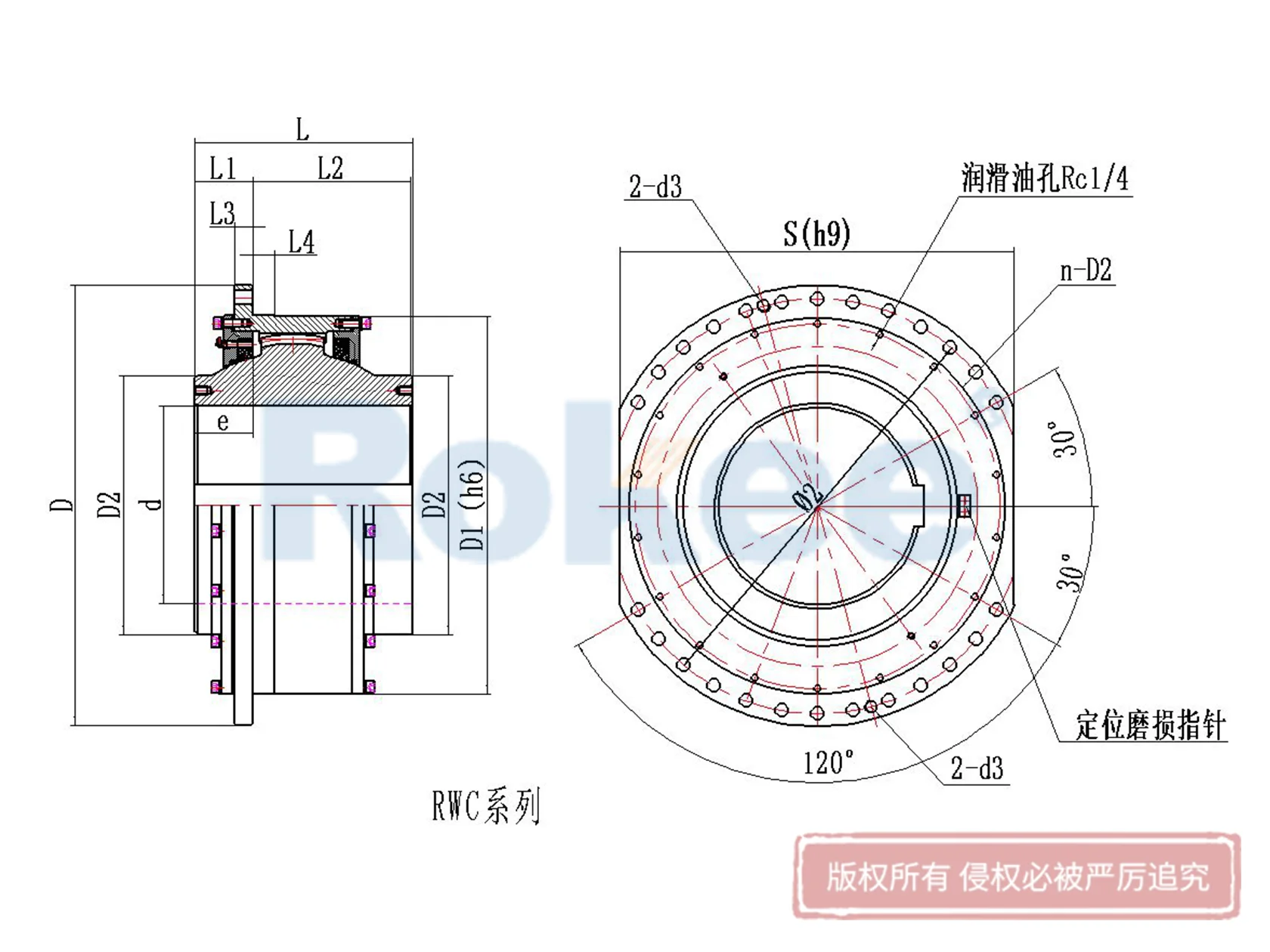
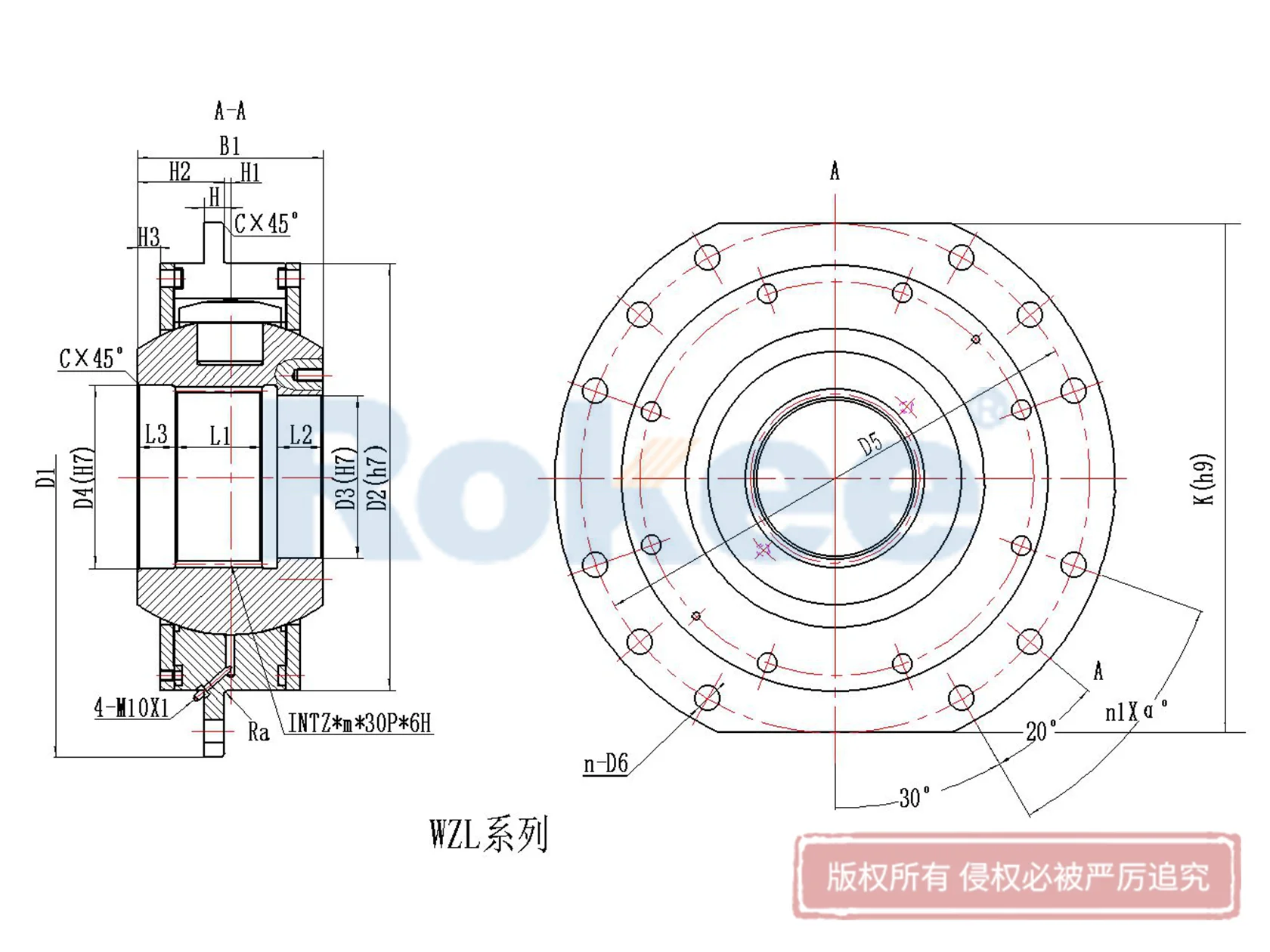
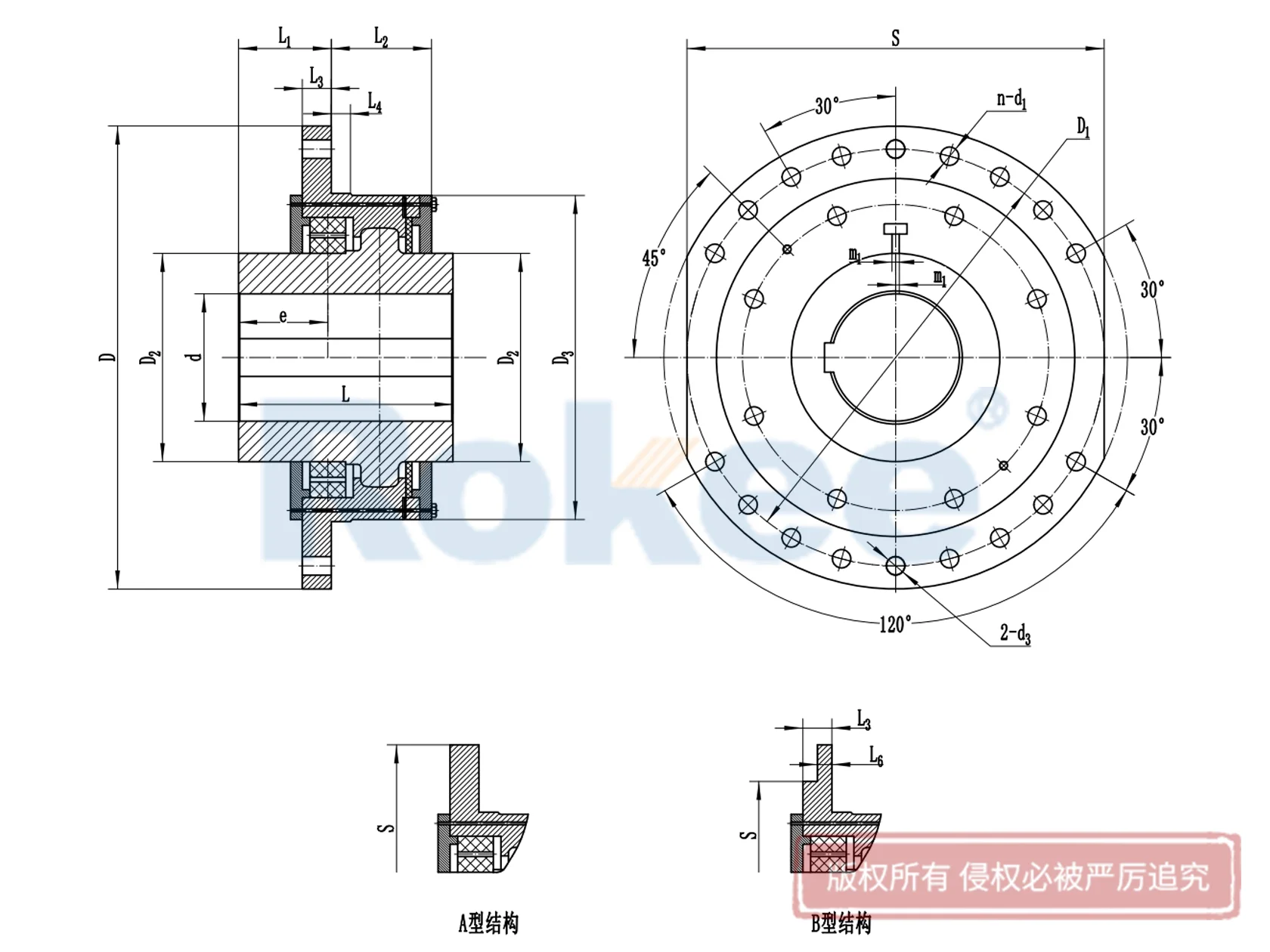
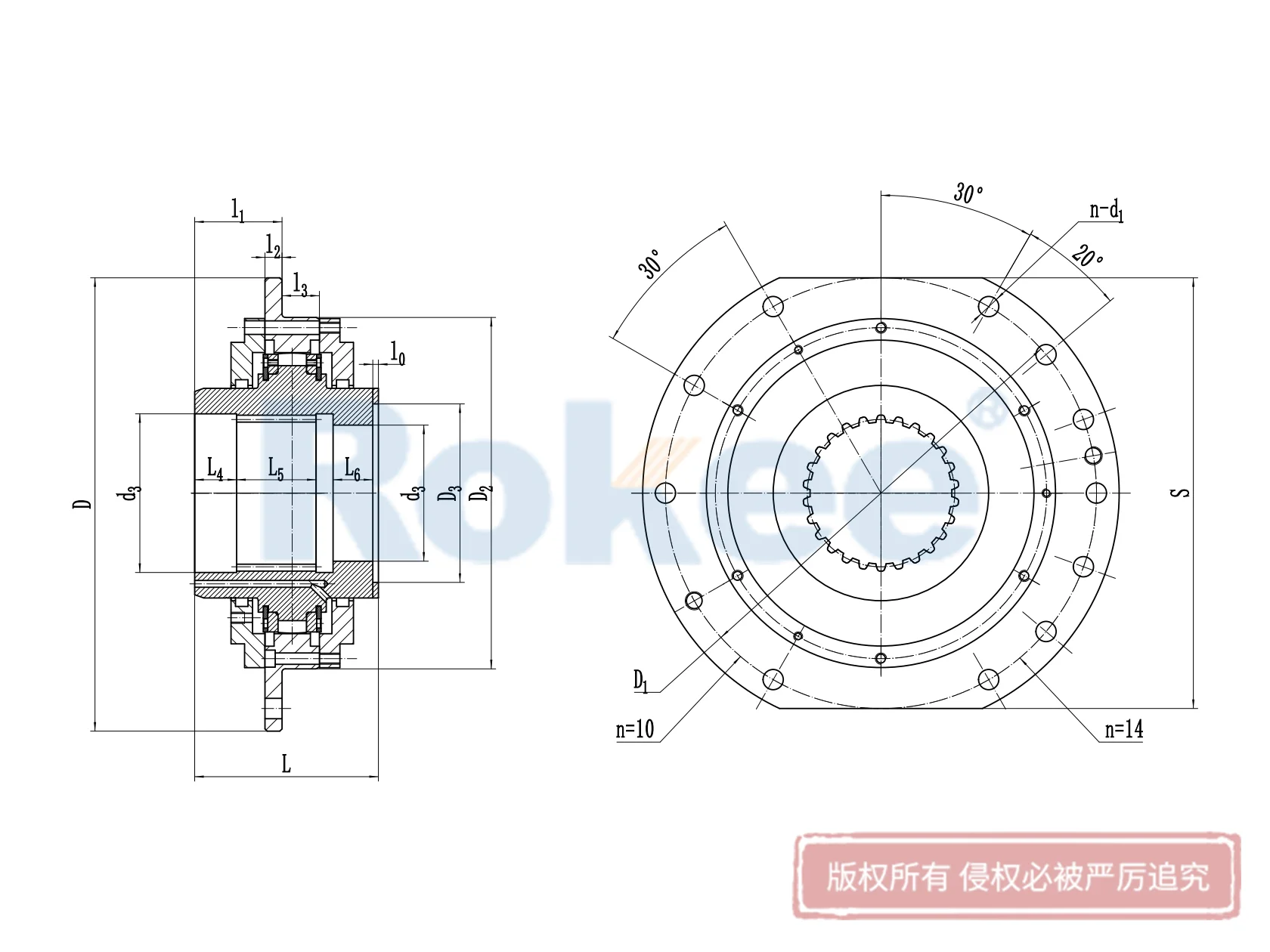
To understand the operational essence of barrel couplings, it is essential to first dissect their fundamental structural design, which is engineered to balance torque transmission capacity and misalignment compensation capability. At its core, a typical drum coupling consists of two main half-coupling assemblies, a central drum-shaped torque transmission element, and auxiliary components such as sealing parts, fasteners, and lubrication mechanisms. The half-couplings are mounted on the driving and driven shafts respectively, featuring precision-machined shaft holes and keyways or spline structures to ensure a tight, slip-free connection with the shaft surfaces; this secure fitting is critical to prevent relative movement between the coupling and shafts during high-torque operation, which could lead to wear, noise, or transmission failure. The central drum component, the heart of the coupling, is characterized by its curved, drum-like tooth profile or spherical contact surface, a design that distinguishes it from straight-tooth couplings and conventional flexible couplings. This unique drum-shaped structure eliminates edge stress concentration that plagues straight-tooth meshing, distributing contact pressure evenly across the mating surfaces to enhance wear resistance and service life. The internal and external mating surfaces of the drum element are precision ground to achieve smooth contact, allowing for controlled angular, radial, and axial movement between the two shafts while maintaining uninterrupted torque transfer. Auxiliary sealing components are integrated to enclose the internal transmission cavity, preventing the ingress of dust, moisture, and abrasive contaminants and retaining lubricating media within the coupling; this sealing design is vital for preserving internal lubrication, reducing friction between moving parts, and extending the operational lifespan of the coupling in dusty, humid, or chemically challenging industrial settings. Fasteners, typically high-strength bolts and nuts, are used to secure the half-couplings and drum elements together, with standardized sizing to ensure structural integrity and ease of assembly and disassembly for maintenance purposes. Unlike complex transmission components with intricate electronic or hydraulic systems, drum couplings feature a compact, mechanically robust structure with minimal moving parts, reducing the risk of mechanical failure and simplifying routine upkeep.
The performance attributes of barrel couplings are directly derived from their specialized structural design, making them highly adaptable to demanding industrial operating conditions. One of the most prominent performance advantages is their exceptional torque transmission capacity, which far surpasses many elastomeric or membrane flexible couplings of similar dimensions. The drum-shaped contact surfaces enable multi-point, large-area meshing between mating components, allowing the coupling to handle heavy radial, axial, and torsional loads simultaneously without deformation or damage. This high load-bearing capability makes drum couplings ideal for low-speed, high-torque applications where substantial power transfer is required. Equally significant is their superior misalignment compensation performance, a key feature that addresses the common challenge of shaft misalignment in mechanical systems. Drum couplings can effectively accommodate three types of shaft deviations: angular misalignment, radial misalignment, and axial displacement. The curved drum profile permits moderate angular deflection between the driving and driven shafts, preventing binding and excessive stress that would occur with rigid couplings; radial misalignment, caused by shaft offset or mounting inaccuracies, is absorbed by the flexible contact of the drum surfaces, while axial displacement, resulting from thermal expansion or mechanical vibration, is compensated without compromising torque transmission efficiency. Unlike some flexible couplings that sacrifice load capacity for misalignment tolerance, drum couplings maintain high torque transmission efficiency—often exceeding 99% under optimal operating conditions—even when compensating for moderate shaft deviations, minimizing energy loss and reducing operational costs over time.
Additional performance benefits include excellent vibration damping and noise reduction properties, which enhance the overall stability of mechanical drive systems. The smooth, continuous contact of the drum-shaped surfaces dampens transient vibrations generated during operation, preventing vibration transmission between connected shafts and reducing noise emissions; this is particularly valuable in heavy machinery where excessive vibration can lead to component fatigue, structural damage, or unsafe working environments. Drum couplings also exhibit strong resistance to shock loads, absorbing sudden impacts and torque spikes that occur in intermittent or heavy-duty operation, protecting critical drive components such as motors, gearboxes, and output shafts from damage. Their durable construction, typically crafted from high-strength alloy steel or forged carbon steel with hardened contact surfaces, ensures resistance to wear, fatigue, and corrosion, enabling reliable operation in extreme temperatures, heavy dust, and high-humidity environments. Furthermore, drum couplings feature low rotational inertia due to their compact, streamlined structure, reducing the load on driving motors and improving the dynamic response of the drive system, especially in applications involving frequent start-stop cycles or speed regulation. The maintenance-friendly design, with accessible lubrication points and simple disassembly procedures, minimizes downtime for inspections and repairs, boosting overall equipment productivity and operational efficiency.
Barrel couplings are categorized into distinct types based on structural variations, functional adaptations, and application-specific design modifications, each tailored to meet unique operational requirements across different industrial sectors. The primary classification is based on the core torque transmission mechanism, dividing drum couplings into gear-type drum couplings and roller-type drum couplings, the two most widely used variants in industrial practice. Gear-type drum couplings, the most common form, feature drum-shaped external teeth on the central coupling element and matching internal teeth within the half-couplings; the curved tooth profile ensures uniform contact and efficient torque transfer, with enhanced misalignment compensation compared to straight-tooth gear couplings. These couplings are further subdivided based on structural refinements: basic gear-type drum couplings for general-purpose applications with standard misalignment compensation needs, extended-length gear-type drum couplings with intermediate connecting shafts or pipes to bridge longer distances between driving and driven shafts, and brake-equipped gear-type drum couplings integrated with brake discs or brake wheels for applications requiring integrated braking functionality alongside torque transmission. Vertical-mount gear-type drum couplings are also available, designed specifically for vertical shaft drive systems where gravity and axial load distribution differ significantly from horizontal setups, ensuring stable performance in vertical transmission scenarios.
Roller-type barrel couplings, a specialized variant, utilize hardened barrel rollers as the core torque transmission elements, positioned between the inner and outer mating surfaces of the coupling assembly. The rollers roll along the curved drum surfaces during operation, reducing sliding friction and further enhancing wear resistance compared to gear-type drum couplings; this design also offers improved radial load-bearing capacity, making it suitable for applications with heavy radial forces such as hoisting and winding machinery. Roller-type drum couplings are often preferred in equipment where minimal friction and extended service life are top priorities, as the rolling contact mechanism reduces heat generation and wear during prolonged operation. Beyond these two main categories, drum couplings can also be classified by structural configuration, including split-type drum couplings for easy installation and replacement in confined spaces where full shaft disassembly is impractical, and torsion-limiting drum couplings equipped with torque-adjustment mechanisms to protect drive systems from overload damage by limiting the maximum transmissible torque. Each classification retains the core advantages of drum couplings—high torque capacity, misalignment compensation, and structural robustness—while incorporating targeted design tweaks to address specific operational challenges, ensuring versatility across diverse industrial applications.
The unique structural and performance characteristics of barrel couplings make them widely applicable across numerous industrial sectors, serving as critical transmission components in heavy machinery, manufacturing equipment, and material handling systems. In the metallurgical industry, drum couplings are extensively used in rolling mills, blast furnace equipment, continuous casting machines, and metal processing machinery, where they handle extreme high-torque loads, absorb thermal expansion-induced shaft displacement, and withstand the harsh, dusty, and high-temperature operating conditions inherent to metal production. Their ability to maintain stable torque transmission amid heavy vibrations and shock loads ensures uninterrupted operation of critical metallurgical processes, reducing downtime and improving production efficiency. In the mining industry, drum couplings are integral to conveyor systems, crushing equipment, grinding mills, and hoisting machinery, operating in abrasive, high-dust environments with heavy shock loads; their robust construction and effective sealing prevent contaminant ingress, while their high load capacity supports the heavy-duty material handling demands of mining operations, from ore extraction to mineral processing.
The lifting and transportation industry relies heavily on drum couplings for cranes, winches, elevators, and conveyor belt systems, where they connect motor gearboxes to winding drums or drive shafts, transferring torque efficiently while compensating for shaft misalignment caused by dynamic movement and load fluctuations. The integrated brake-equipped drum coupling variants are particularly valuable in lifting equipment, providing reliable braking functionality to ensure safe load handling and prevent accidental slippage or descent. In the petroleum and chemical industry, drum couplings are employed in pumps, compressors, agitators, and pipeline transmission equipment, operating in environments with potential chemical exposure, high pressure, and variable temperatures; their corrosion-resistant construction and sealed design prevent lubricant contamination and ensure stable performance in critical fluid handling processes, supporting safe and efficient oil and gas production, refining, and chemical manufacturing. General manufacturing and industrial machinery also utilize drum couplings in machine tools, paper processing equipment, textile machinery, and power transmission systems, where their compact size, high efficiency, and low maintenance requirements make them a preferred choice for precision and heavy-duty manufacturing applications alike.
In marine and shipbuilding applications, drum couplings are used in propulsion systems, deck machinery, and auxiliary equipment, accommodating shaft misalignment caused by hull deformation and wave-induced vibration, while resisting saltwater corrosion and harsh marine environmental conditions. Their high reliability and load-bearing capacity are essential for ensuring the safe operation of marine vessels and offshore equipment. Additionally, drum couplings find application in power generation equipment, including water turbines, steam turbines, and generator sets, where they transmit large amounts of power between rotating shafts, compensate for thermal expansion in high-temperature power generation systems, and dampen vibration to protect sensitive power generation components. Across all these sectors, the selection of a specific drum coupling type is guided by operational parameters such as torque load, shaft speed, misalignment magnitude, environmental conditions, and installation constraints, ensuring optimal performance and compatibility with the host machinery.
In summary, barrel couplings represent a class of highly efficient, robust, and versatile power transmission components that combine exceptional torque capacity, reliable misalignment compensation, and durable operational performance to meet the diverse needs of modern industrial machinery. Their well-engineered structural design, characterized by the iconic drum-shaped contact surfaces, eliminates common mechanical issues such as stress concentration, excessive wear, and vibration-induced failure, while their varied classifications cater to specialized operational requirements across different industrial scenarios. From heavy-duty mining and metallurgical equipment to precision manufacturing machinery and marine propulsion systems, drum couplings play an irreplaceable role in ensuring smooth, efficient, and reliable power transmission, contributing to the overall productivity, safety, and longevity of industrial drive systems. As industrial technology continues to advance and machinery operating conditions become increasingly demanding, the inherent advantages of drum couplings—simplicity, robustness, and high performance—will ensure their continued relevance and widespread adoption in the global mechanical engineering landscape, solidifying their status as a cornerstone component in power transmission systems.