In the vast landscape of mechanical power transmission systems, the cardan shaft stands as a foundational and versatile component, engineered to address a persistent challenge in machinery design: the efficient transfer of torque and rotational motion between two shafts that are not aligned along a single straight axis. Unlike rigid couplings that demand perfect axial alignment to function reliably, Cardan shafts offer exceptional flexibility, accommodating angular misalignments, axial displacements, and even minor radial offsets between driving and driven components. This unique capability has cemented their role as indispensable parts across countless industrial, automotive, agricultural, and heavy machinery sectors, where smooth, consistent power delivery is non-negotiable for operational efficiency and equipment longevity.
At its most fundamental level, the standard cardan shaft coupling assembly is composed of several key integrated parts that work in tandem to enable flexible torque transmission. The heart of the assembly is the universal joint, the defining feature that sets Cardan shafts apart from conventional drive shafts. The most prevalent universal joint design is the cross-type (or spider-type) joint, which consists of a central cross-shaped spindle, four bearing assemblies, and two yoke connectors. Each end of the cross spindle fits into a precision-machined bearing, which is then housed within a fork-like yoke; one yoke attaches to the input driving shaft, while the opposite yoke connects to the output driven shaft. This articulated configuration allows the two yokes to pivot independently in two perpendicular planes, creating a flexible joint that can maintain power transfer even when the connected shafts form a significant angle relative to one another. Complementing the universal joints is the main shaft body, typically a hollow or solid cylindrical tube crafted from high-strength alloy steel to balance torsional rigidity, structural durability, and weight efficiency. Many Cardan shafts also incorporate a telescopic splined section, which enables axial length adjustment to accommodate minor shifts in the distance between connected components during operation, such as those caused by suspension movement in vehicles or thermal expansion in industrial machinery. Additional supporting elements include bearing seals to prevent lubricant leakage and block the ingress of dust, moisture, and debris, as well as precision balancing features to minimize vibration at high rotational speeds.
The performance characteristics of universal shafts are tailored to meet the rigorous demands of varied operating environments, with key attributes that define their suitability for specific applications. Foremost among these is torque transmission capacity, which varies widely based on the shaft’s dimensions, material composition, and joint design. Heavy-duty Cardan shafts are built to withstand extremely high torque loads, making them ideal for heavy machinery and industrial equipment, while lighter variants excel at transmitting moderate to low torque in precision-driven systems. Angular misalignment tolerance is another defining performance trait; standard cross-type Cardan shafts can typically accommodate angles ranging from a few degrees up to 25 degrees or more between connected shafts, with specialized designs offering even greater flexibility for extreme misalignment scenarios. Transmission efficiency is equally critical, as even the most robust shaft is ineffective if it wastes significant power through friction or mechanical loss. High-quality Cardan shafts feature precision-machined bearing surfaces, low-friction needle roller bearings, and proper lubrication systems to maximize power transfer efficiency, minimizing energy loss even under continuous heavy use. Dynamic balance is a vital performance consideration for high-speed applications, as unbalanced shafts can generate severe vibration, leading to accelerated wear on bearings, joints, and connected machinery, as well as compromised operational stability. Manufacturers achieve optimal balance through precision machining, material selection, and dynamic balancing processes, ensuring smooth rotation at both low and high speeds. Durability and wear resistance round out the core performance profile, with rugged materials, heat-treated components, and effective sealing systems extending the service life of Cardan shafts in harsh working conditions, from dusty agricultural fields to high-stress industrial manufacturing facilities.
Universal shaft couplings are classified into distinct types based on structural design, load-bearing capacity, operational speed, and intended use, each engineered to excel in specific transmission scenarios. The most basic and widely used variant is the single Cardan shaft, featuring a single universal joint at each end of the main shaft body. This design is straightforward, cost-effective to manufacture, and suitable for applications with moderate angular misalignment and steady torque loads, such as light-duty automotive systems and small industrial machinery. For applications requiring greater angular flexibility and reduced speed fluctuation, the double Cardan shaft is a preferred choice; this design integrates two universal joints linked by an intermediate short shaft, effectively canceling out the non-uniform rotational speed that can occur with single joints at larger angles. This results in smoother power delivery, making double Cardan shafts ideal for off-road vehicles, heavy-duty trucks, and machinery with significant shaft misalignment. Constant velocity (CV) Cardan shafts represent a specialized category designed to maintain a consistent rotational speed between input and output shafts, regardless of the operating angle. Unlike standard cross-type joints, CV joints use a ball-and-cage or tripod design to ensure uniform motion transfer, eliminating vibration and speed variation even at extreme angles; these shafts are predominantly used in front-wheel-drive vehicles, all-wheel-drive systems, and precision industrial equipment where smooth, constant speed is paramount. Beyond joint-based classifications, Cardan shafts are also categorized by load capacity: light-duty shafts, characterized by compact dimensions, low inertia, and high-speed capability, are used in precision instruments, small pumps, and light industrial gear; medium-duty shafts strike a balance between torque capacity and speed, serving in standard automotive drivetrains, conveyor systems, and agricultural equipment; heavy-duty and ultra-heavy-duty shafts feature robust construction, large-diameter components, and reinforced joints, engineered to handle extreme torque loads in heavy machinery, mining equipment, metallurgical rolling mills, and large-scale construction machinery. Additional specialized types include telescopic Cardan shafts with extended length adjustment for applications with variable shaft spacing, short-profile shafts for compact machinery with limited installation space, and corrosion-resistant shafts for marine, chemical, and outdoor operating environments.
The adaptability of universal couplings, driven by their structural versatility and performance diversity, has led to their deployment across an extensive array of industries and applications, each leveraging the component’s unique ability to transmit power under non-aligned conditions. In the automotive sector, Cardan shafts are integral to drivetrain systems, serving as the primary link between the transmission and rear axle in rear-wheel-drive vehicles, and connecting the transfer case to front and rear axles in four-wheel-drive and all-wheel-drive models. They accommodate the vertical movement of vehicle suspensions, ensuring consistent power delivery to the wheels even as the vehicle navigates uneven terrain, bumps, or road irregularities. Without Cardan shafts, automotive drivetrains would be rigid, inflexible, and prone to mechanical failure under normal driving conditions. The agricultural industry relies heavily on Cardan shafts for power transmission in farming equipment, where they connect tractors to a wide range of implements, including plows, harvesters, seeders, balers, and tillers. Agricultural machinery often operates in dusty, wet, and rugged conditions, and Cardan shafts provide the necessary flexibility to handle uneven ground and implement movement, while their robust build withstands the high torque demands of heavy farming tasks. In industrial manufacturing, Cardan shafts are ubiquitous in machinery such as rolling mills, crushers, mixers, conveyor systems, and pumping units. They facilitate power transfer between motors and operational components in complex production lines, where perfect shaft alignment is often impractical due to space constraints, equipment layout, or thermal expansion. Heavy industrial Cardan shafts endure continuous high-load operation, supporting the uninterrupted flow of manufacturing processes in steel production, mining, material handling, and chemical processing. Marine applications also utilize specialized Cardan shafts for propulsion systems, connecting boat engines to propellers while accommodating the slight movements and misalignments inherent in marine vessel design; these shafts are engineered with corrosion-resistant materials to withstand saltwater exposure and harsh marine conditions. Aerospace and precision engineering sectors employ lightweight, high-precision Cardan shafts in control systems, test equipment, and specialized machinery, where compact size, low inertia, and smooth power transmission are critical. Even in smaller-scale applications, such as residential machinery, workshop tools, and laboratory equipment, compact Cardan shafts play a vital role in enabling flexible, reliable power transfer where rigid couplings are unsuitable.
Beyond their immediate functional role, universal joint couplings contribute significantly to overall equipment performance and operational cost-effectiveness. By accommodating misalignments, they reduce stress on connected components, minimizing wear and tear on bearings, gears, and shafts, which in turn lowers maintenance requirements and extends the service life of entire machinery systems. Their ability to maintain consistent power transmission reduces energy waste, boosting the efficiency of motors and engines and lowering long-term operational costs. The wide variety of Cardan shaft types allows engineers to select a tailored solution for each application, optimizing performance, space utilization, and durability without overengineering or compromising functionality. As mechanical engineering continues to evolve, with a growing focus on efficiency, durability, and adaptability, the role of Cardan shafts remains as relevant as ever. Ongoing advancements in material science, bearing technology, and precision manufacturing are further enhancing the performance of Cardan shafts, increasing their torque capacity, reducing friction, improving high-speed stability, and extending their service life in even the most demanding environments. Whether in a heavy-duty industrial mill, a commercial vehicle navigating highways, a farm tractor working the fields, or a precision piece of laboratory equipment, the cardan shaft coupling continues to be a quiet yet essential workhorse, enabling seamless power transmission and keeping the world of machinery running smoothly.
In summary, the Cardan shaft’s enduring prominence in mechanical engineering stems from its innovative structural design, which solves the universal challenge of misaligned power transmission, and its adaptable performance characteristics that cater to diverse operational needs. From the basic single-joint shaft to specialized constant velocity and heavy-duty variants, each type of Cardan shaft is engineered to address specific transmission challenges, making it a versatile solution across countless industries. Its ability to withstand high torque, accommodate misalignments, maintain efficient power transfer, and operate reliably in harsh conditions solidifies its status as a cornerstone component in modern machinery. As technology advances and machinery design becomes increasingly complex, the demand for high-performance, specialized Cardan shafts will continue to grow, reinforcing their position as an irreplaceable element in the global landscape of mechanical power transmission.
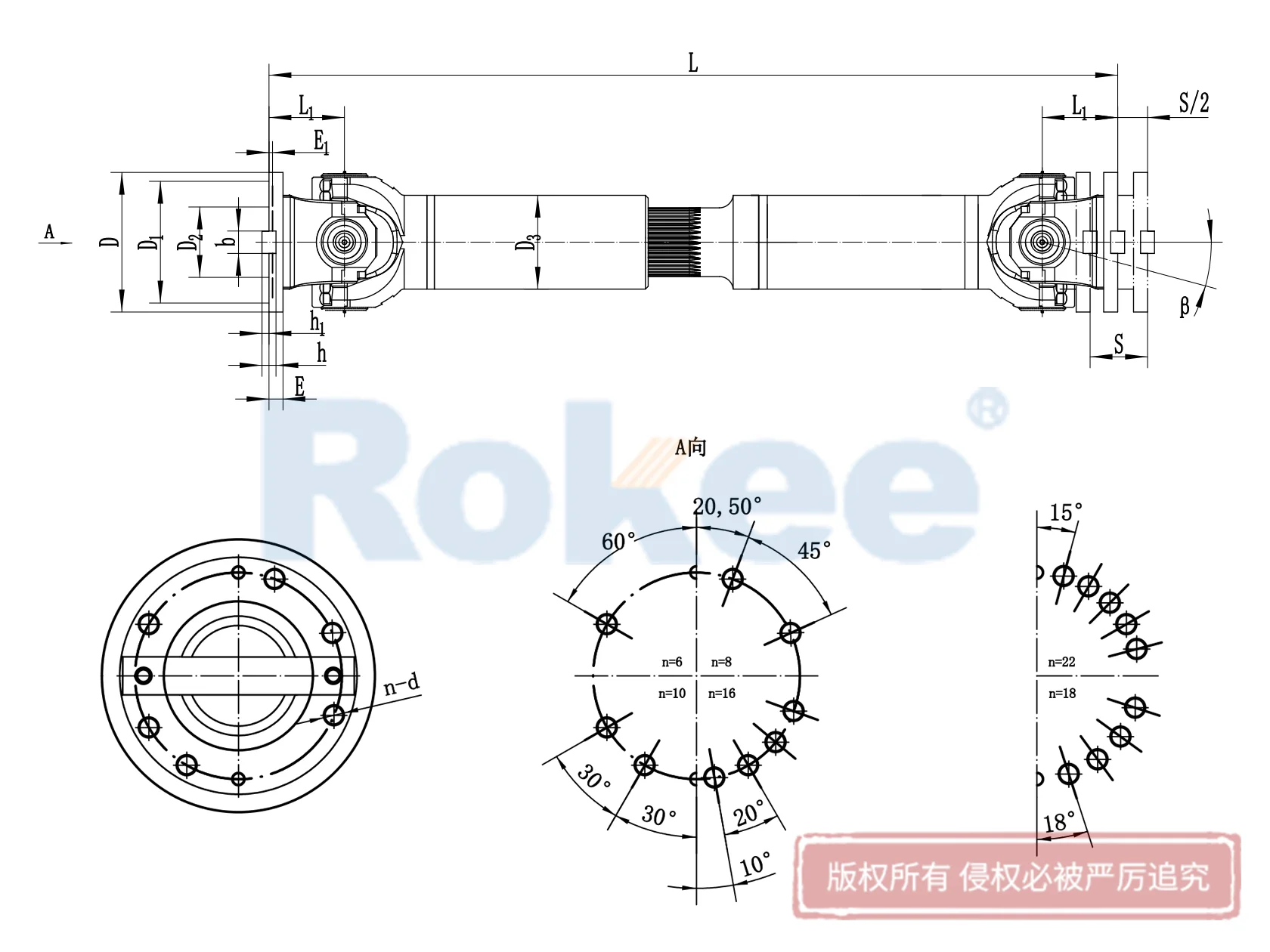
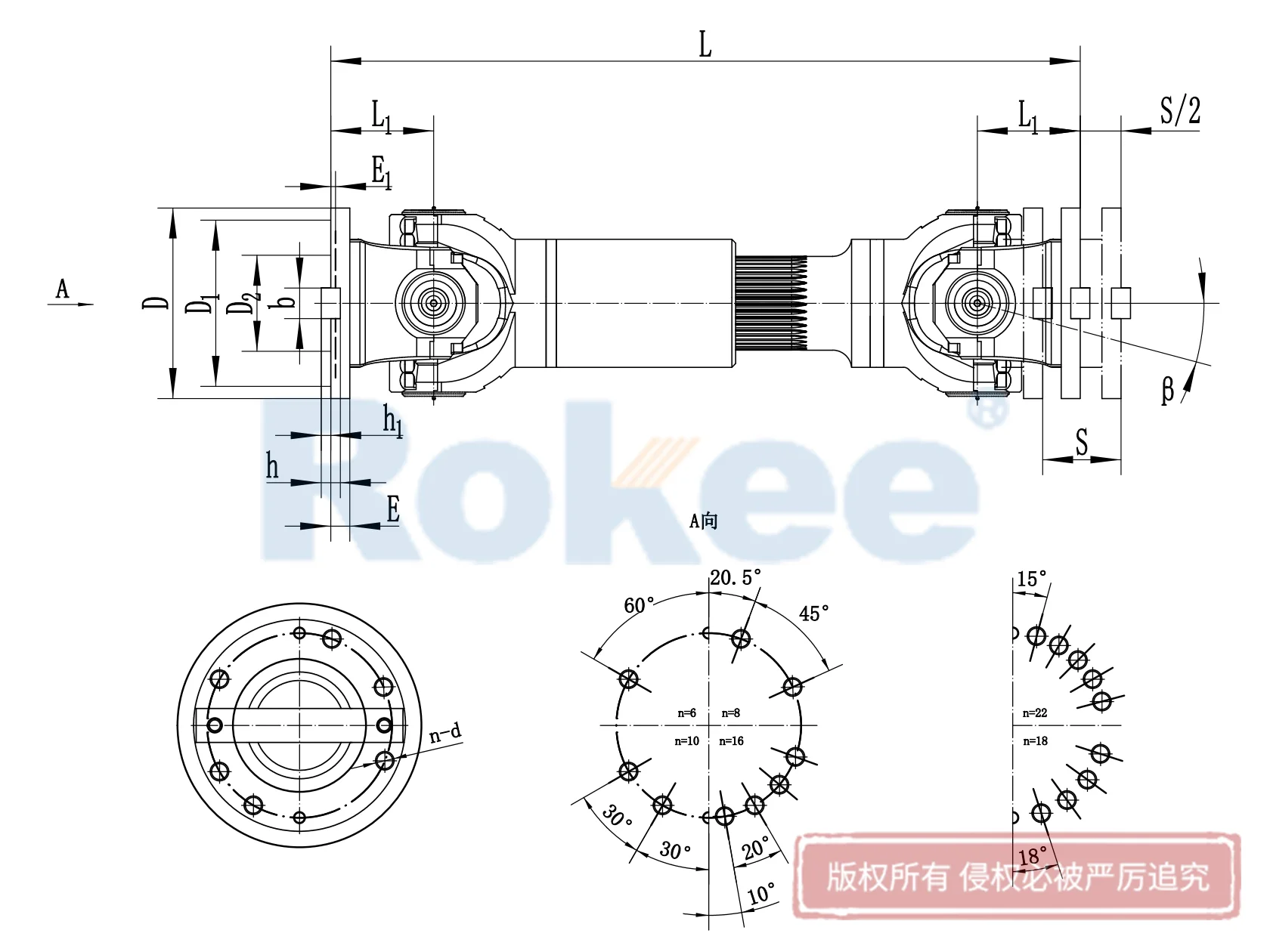
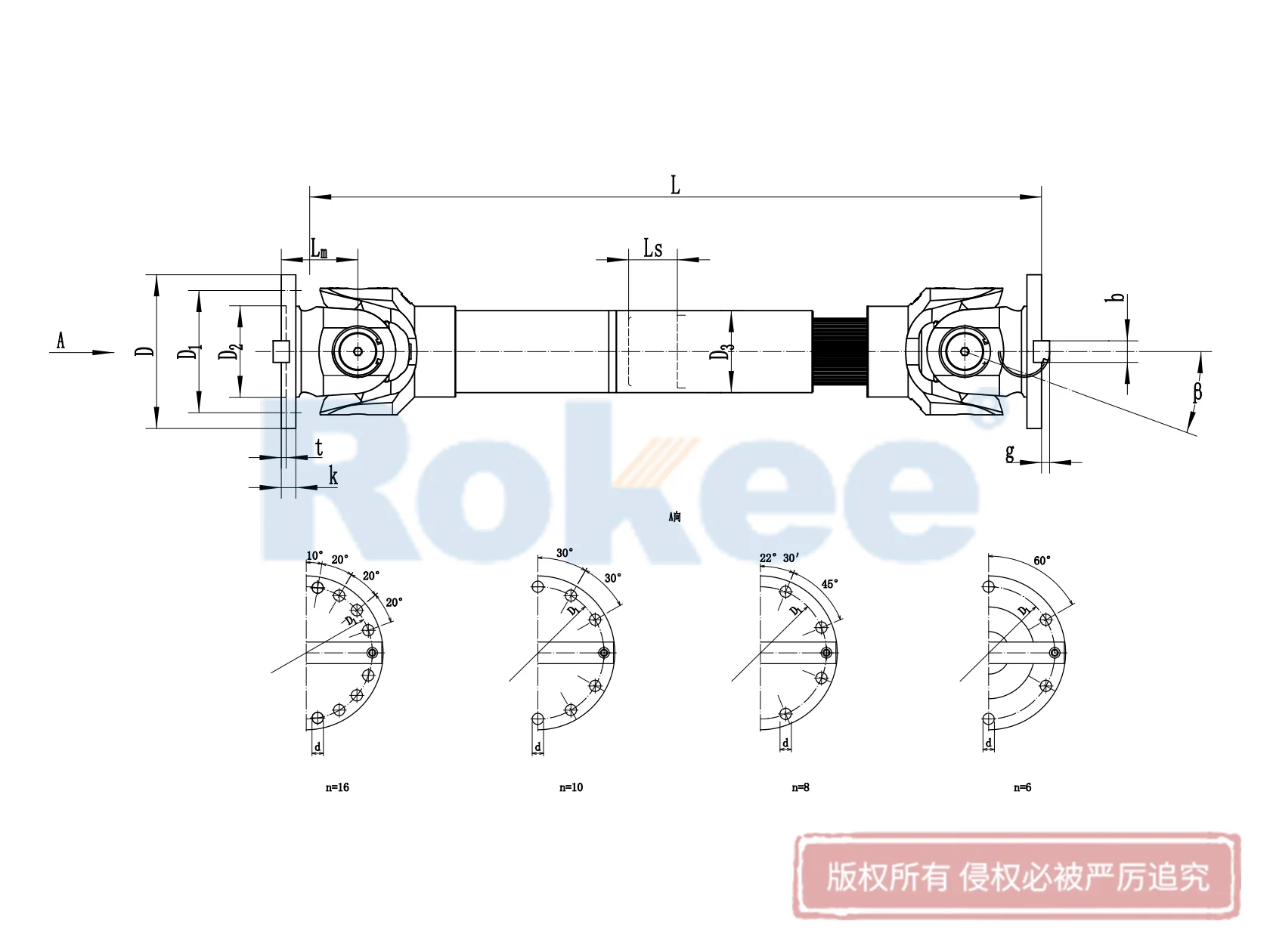 SWC-BH Standard Telescopic Universal Joint Coupling
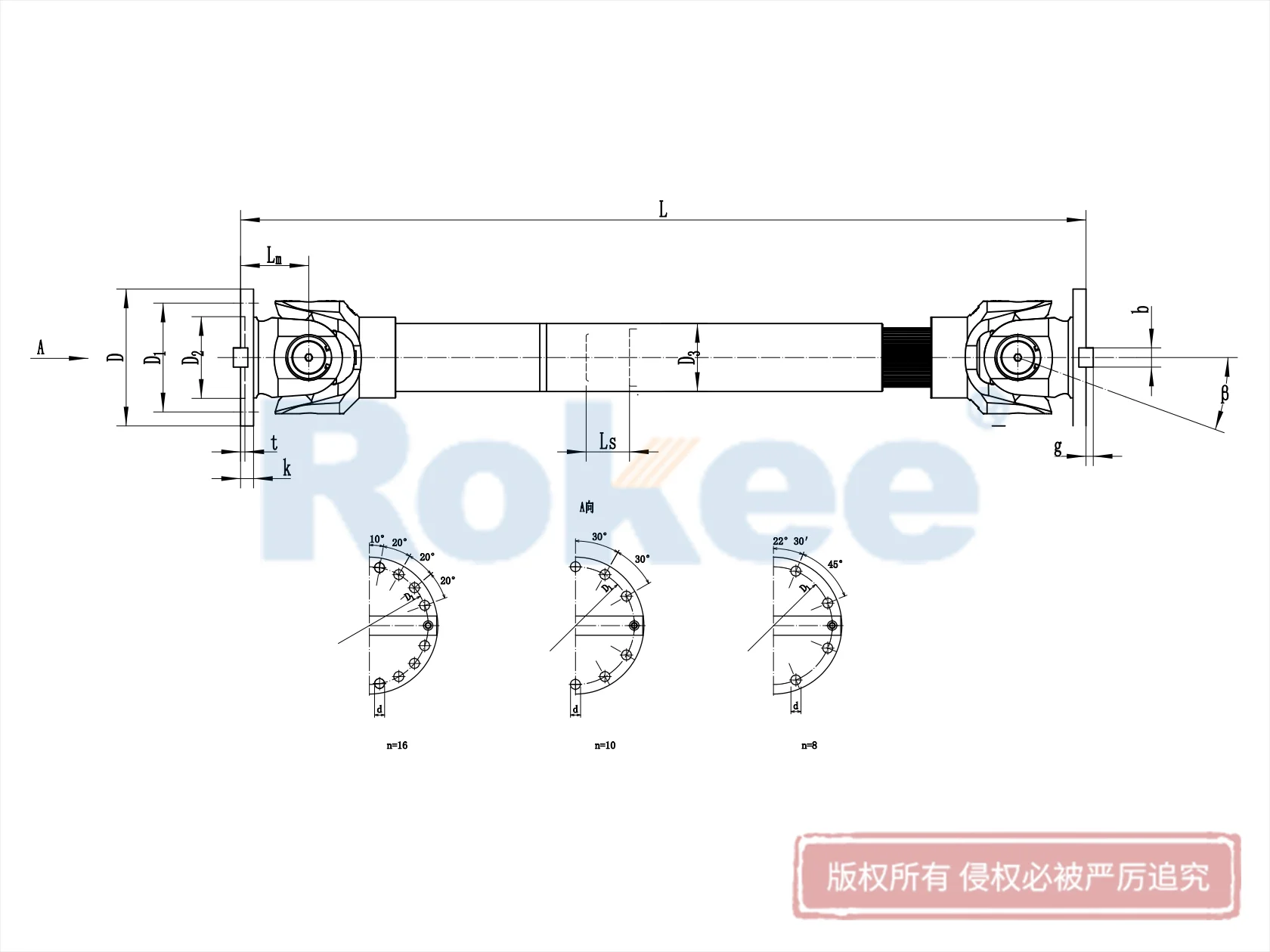 SWC-CH Long Telescopic Universal Joint Coupling
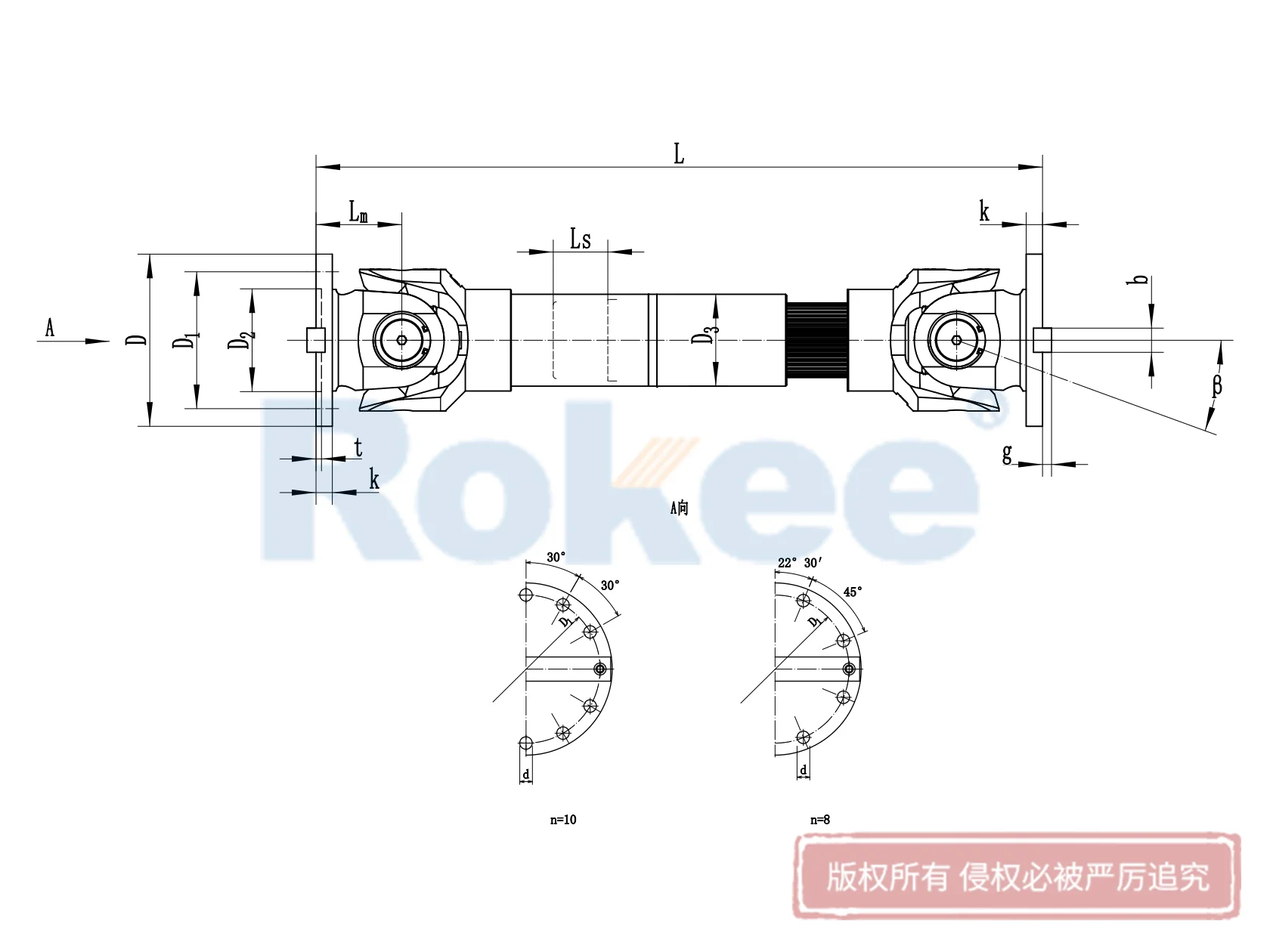 SWC-DH Short Telescopic Universal Joint Coupling
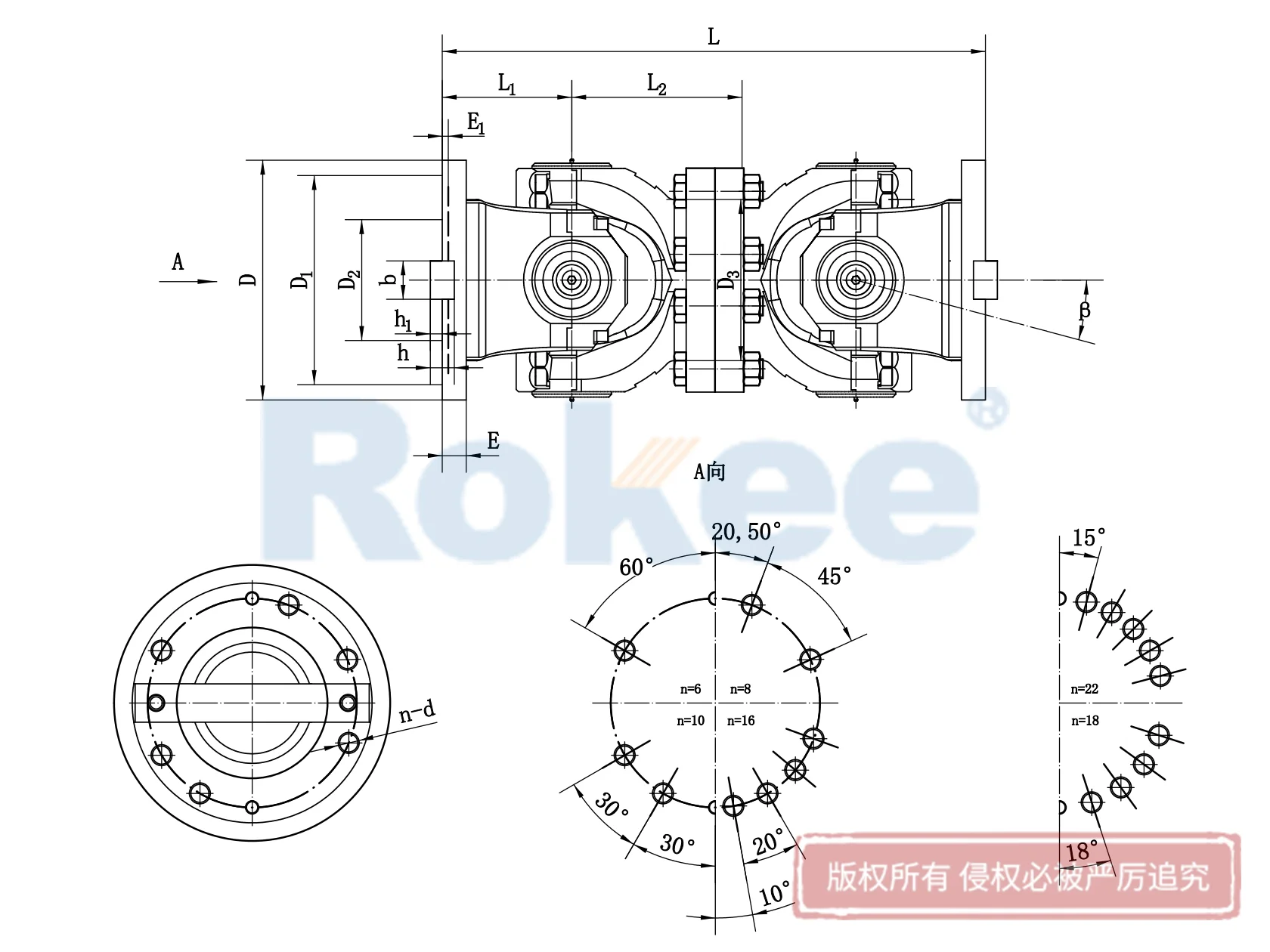
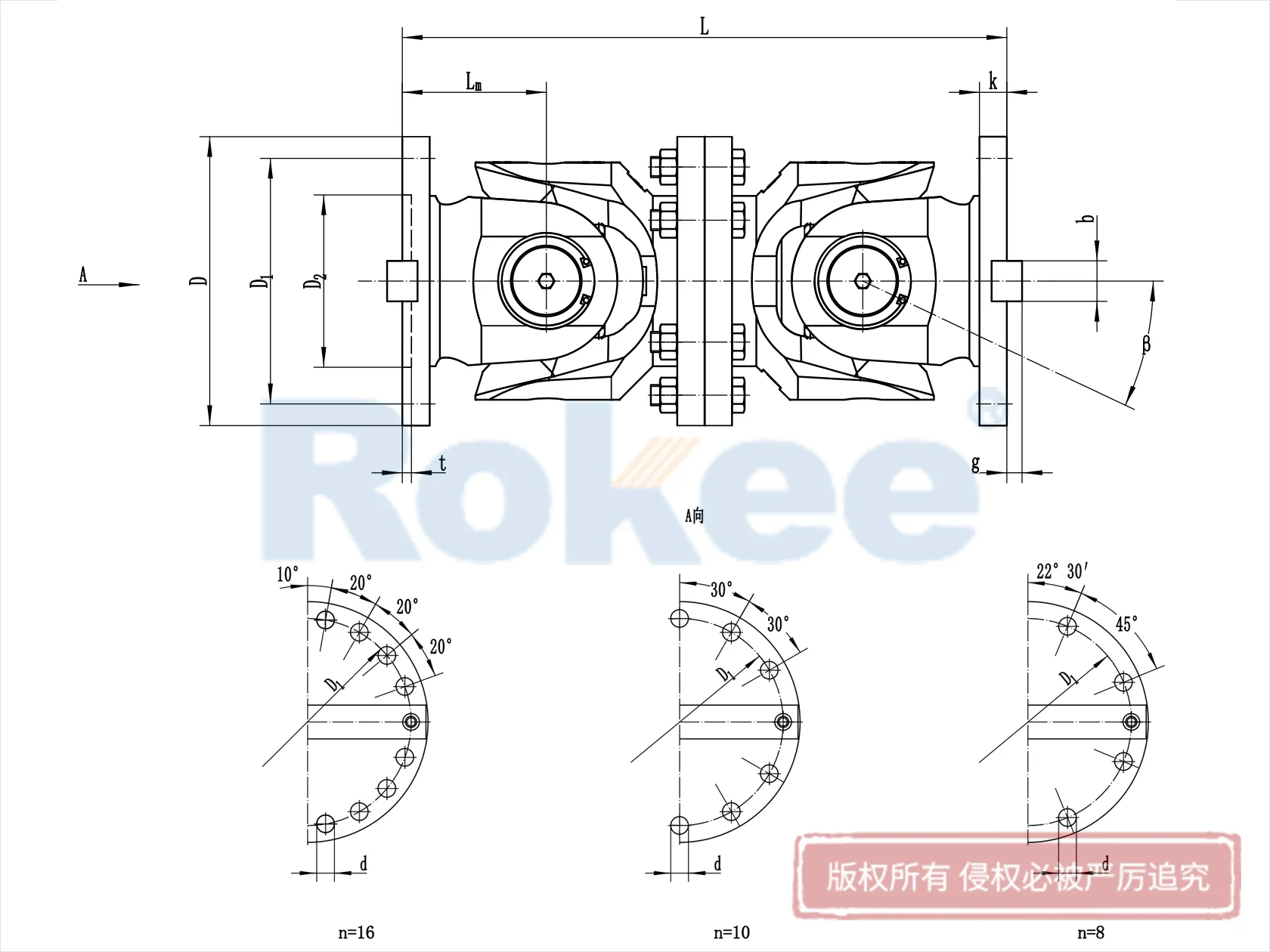 SWC-WD Short Non-telescopic Universal Joint Coupling
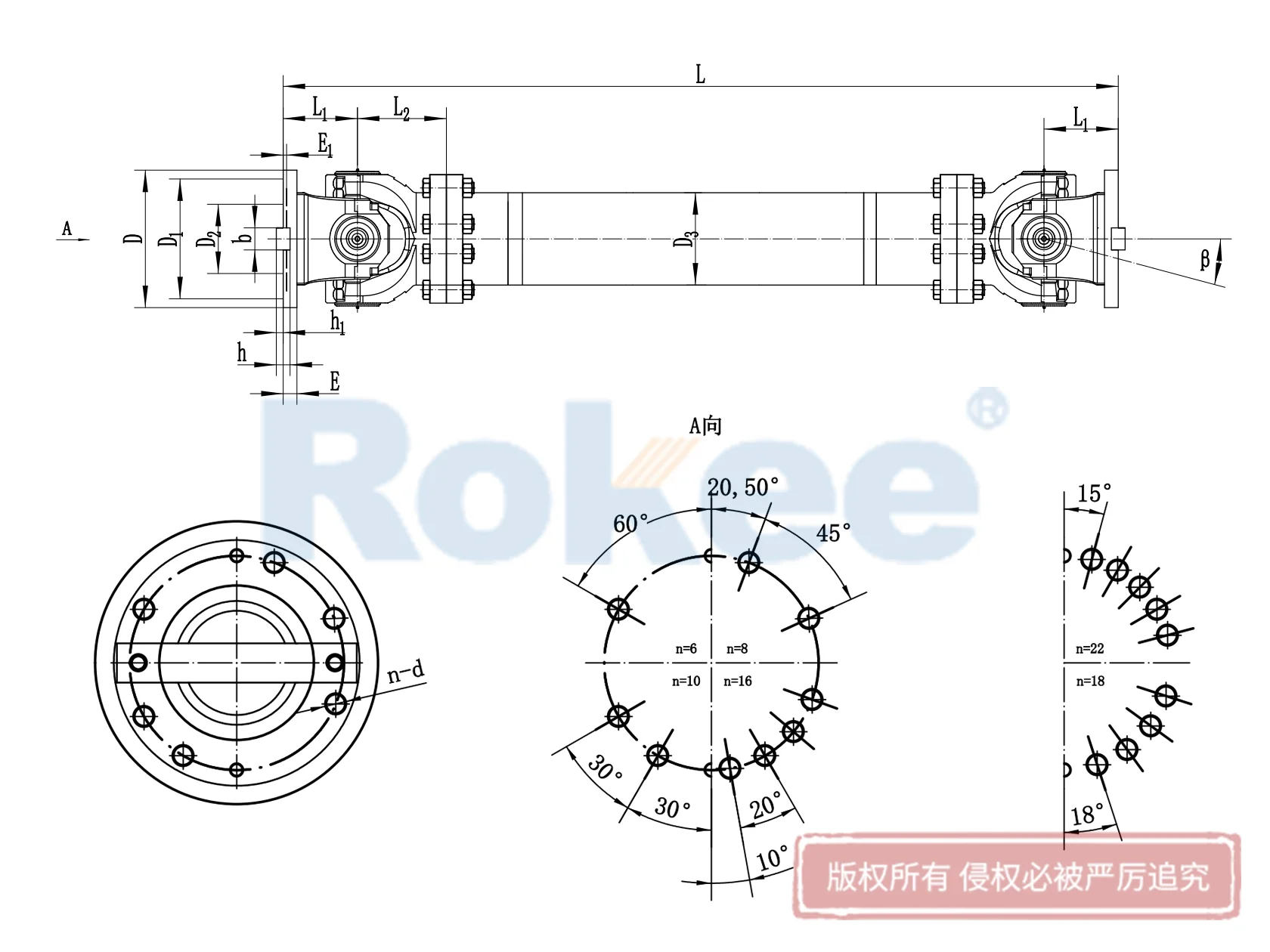
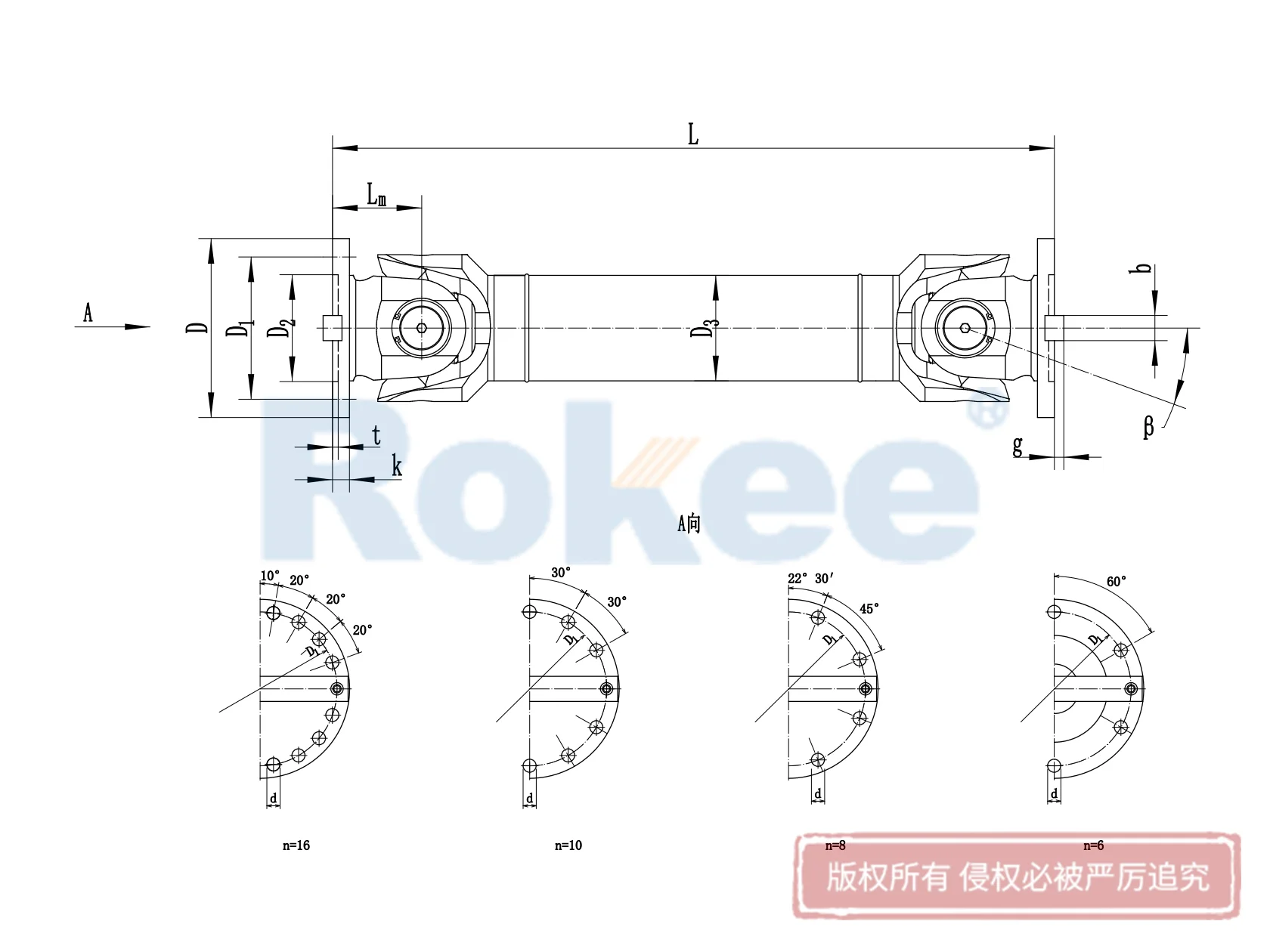 SWC-WH Non-telescopic Universal Joint Coupling